

Homeowners have every right to personalize their space, but some ideas can leave future buyers scratching their heads. While these projects may seem fun, trendy, or practical at the time, real estate professionals often point to them as changes that can hurt a home’s appeal and, in some cases, its value.
1. Painted Every Room A Different Bold Color
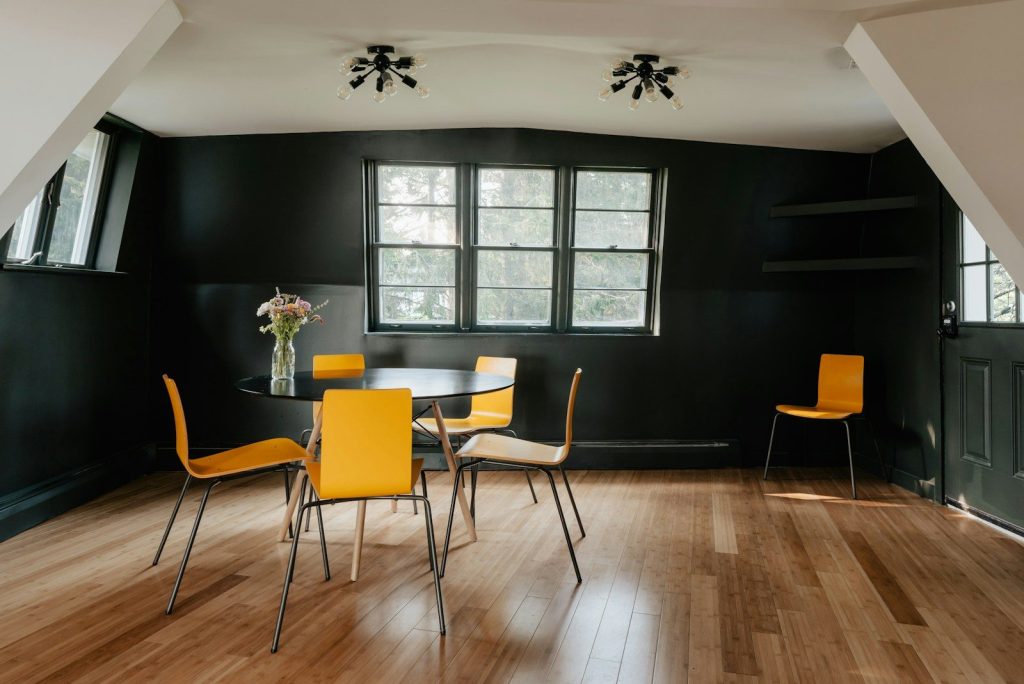
A bright red dining room, a black bedroom, and a neon green hallway might reflect someone’s personality, but they can overwhelm potential buyers. Strong colors tend to make it harder for people to picture themselves living in the space.
Interior designers often note that buyers focus on the paint instead of the room itself. Repainting multiple rooms before listing a home can quickly become an added expense.
2. Removed A Bedroom To Create A Giant Closet
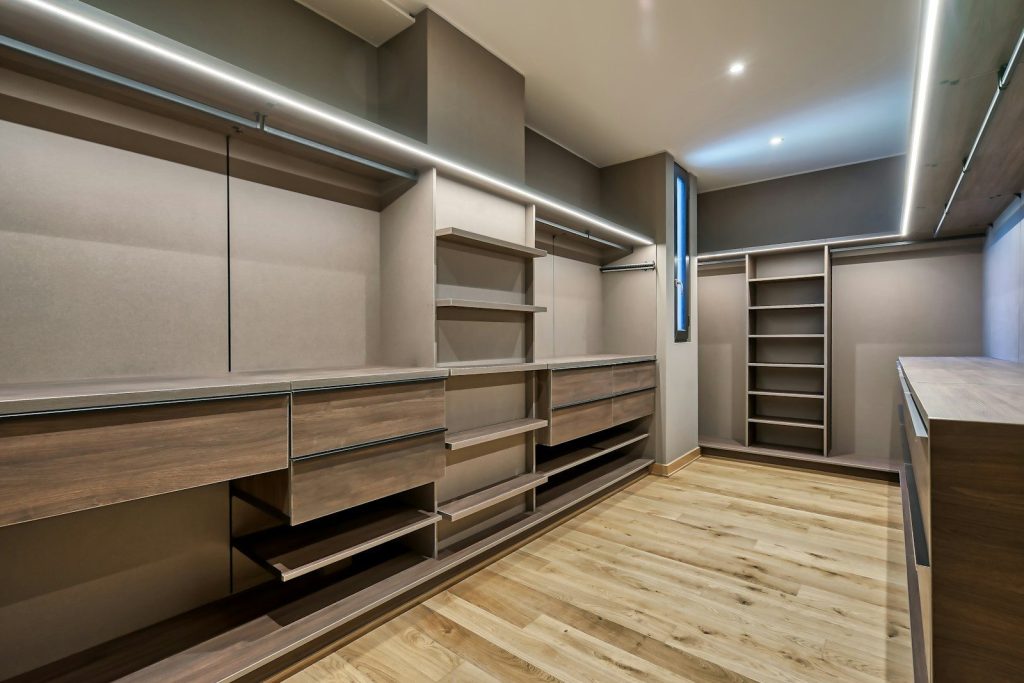
Some homeowners have combined two bedrooms to create a luxury dressing room or oversized primary suite. While the extra space may feel impressive, reducing the official bedroom count can limit a home’s appeal.
Many buyers shop based on the number of bedrooms they need. Losing one can shrink the pool of interested buyers almost immediately.
3. Covered Up Hardwood Floors With Permanent Flooring
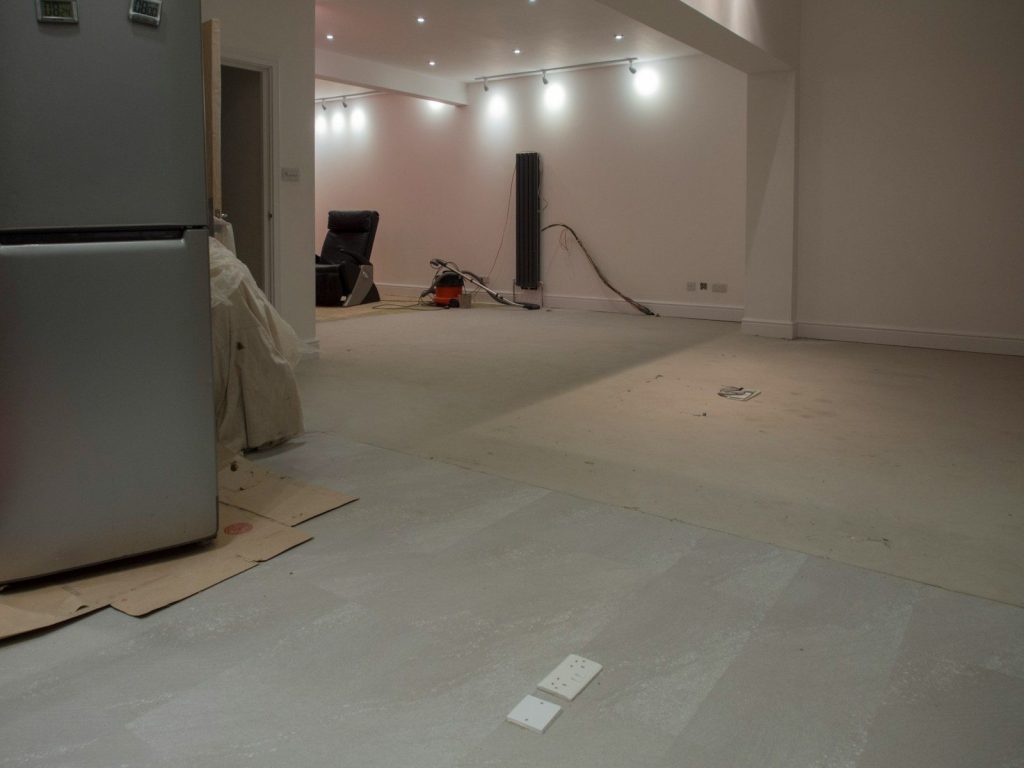
Original hardwood floors remain one of the most sought-after features in many homes. Yet some owners have covered them with glued-down flooring that is difficult and expensive to remove.
If the hardwood underneath becomes damaged during the process, restoring it can require significant work. What seemed like an upgrade can sometimes become a costly regret.
4. Turned The Garage Into A Living Room
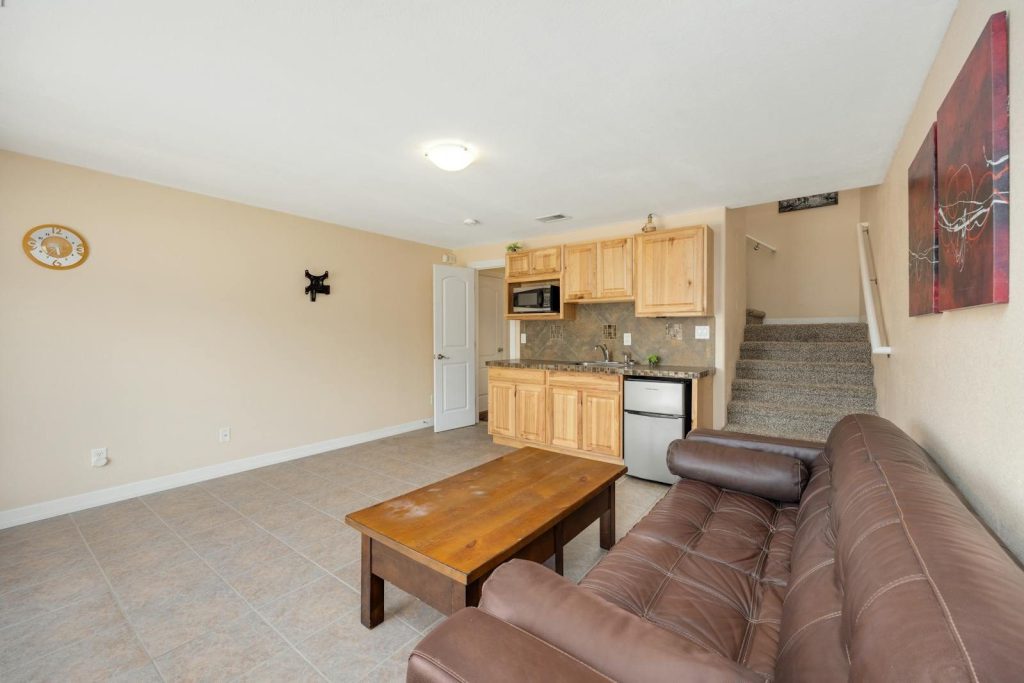
A converted garage may provide extra indoor space, but it can also eliminate valuable parking and storage. In areas where garages are highly desirable, this change may raise concerns among buyers.
Many people would rather have a functional garage than an additional room. Converting the space back later can involve a substantial investment.
5. Installed Highly Specific Themed Rooms
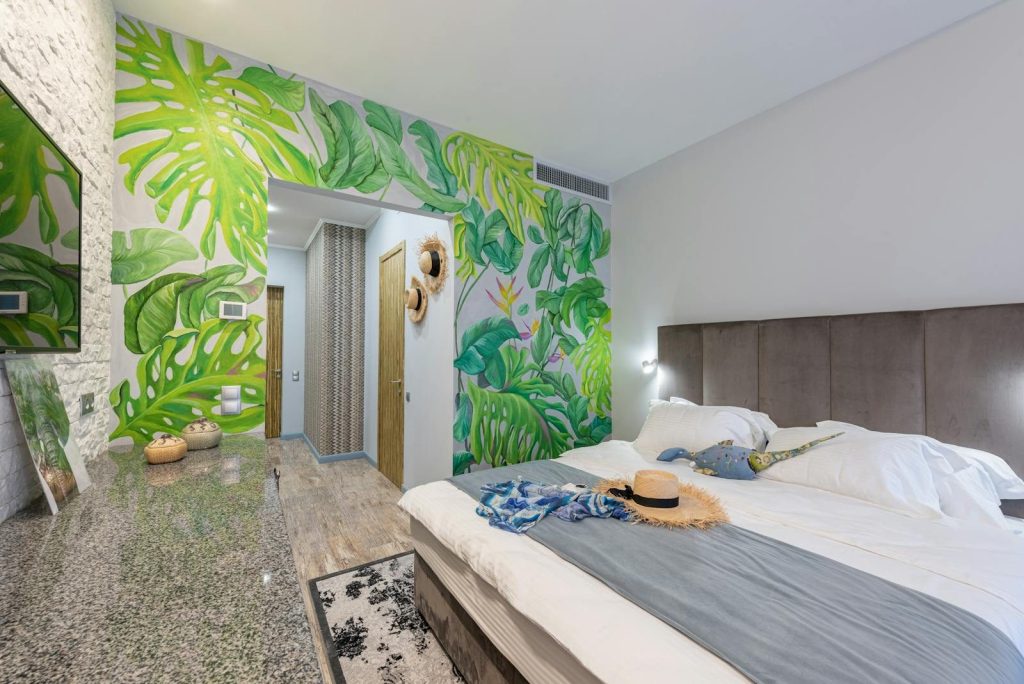
From sports bars and medieval-inspired dining rooms to jungle-themed bedrooms, some homeowners fully commit to a design concept. While these rooms can be entertaining, they rarely appeal to everyone.
Buyers often see themed spaces as another renovation project waiting to happen. The more specialized the room, the harder it may be to attract broad interest.
6. Filled The Yard With High-Maintenance Features

Large koi ponds, elaborate water features, and extensive garden installations can be beautiful, but they also require ongoing upkeep. Not every buyer wants to inherit a demanding outdoor project.
What one person sees as a backyard paradise, another may see as a weekend obligation. Maintenance concerns can become a sticking point during a sale.
7. Replaced A Bathtub With Something Unusual
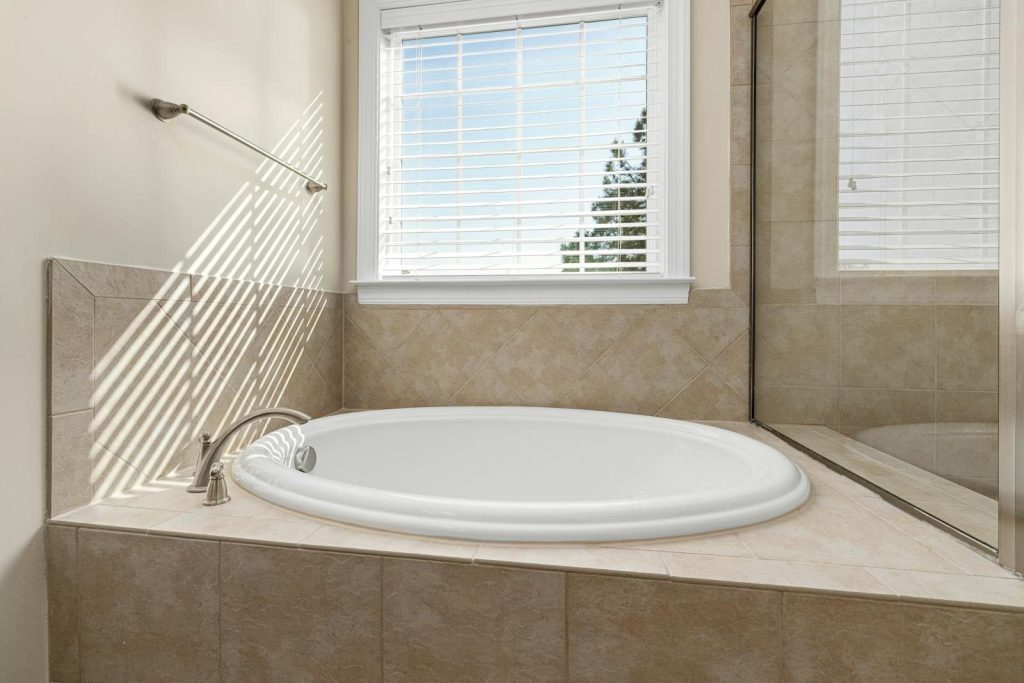
Some homeowners swap traditional tubs for oversized hot tubs, custom soaking pools, or highly specialized fixtures. While these additions may suit their lifestyle, they do not always appeal to future buyers.
Families with young children often look for standard bathtubs, making unusual replacements a potential drawback when selling.
8. Installed Wall-To-Wall Built-Ins Everywhere
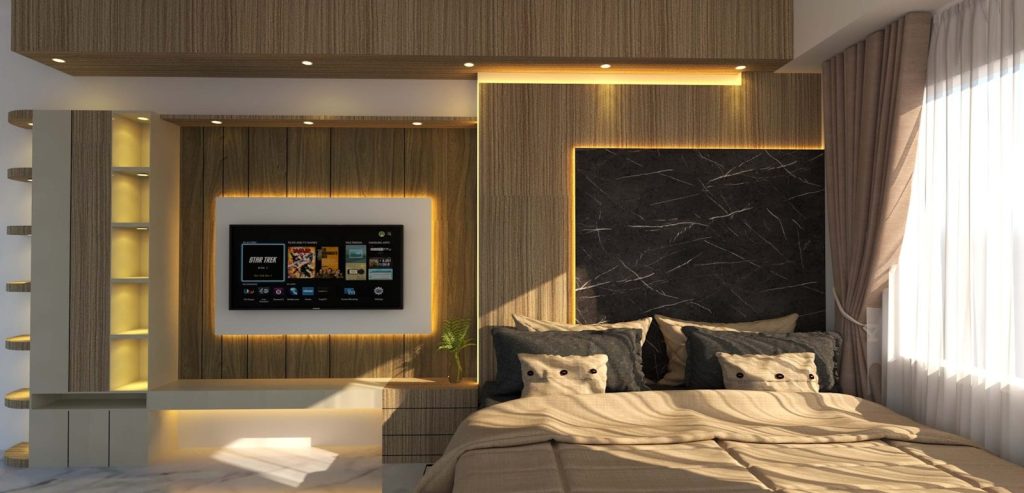
Custom built-ins can look impressive, but too many permanent features can make rooms feel less flexible. Buyers may struggle to imagine how they would use a space filled with someone else’s storage solutions.
Furniture can be moved, but built-ins usually stay. Excessive customization can sometimes make a home feel more limiting than luxurious.
The Bottom Line
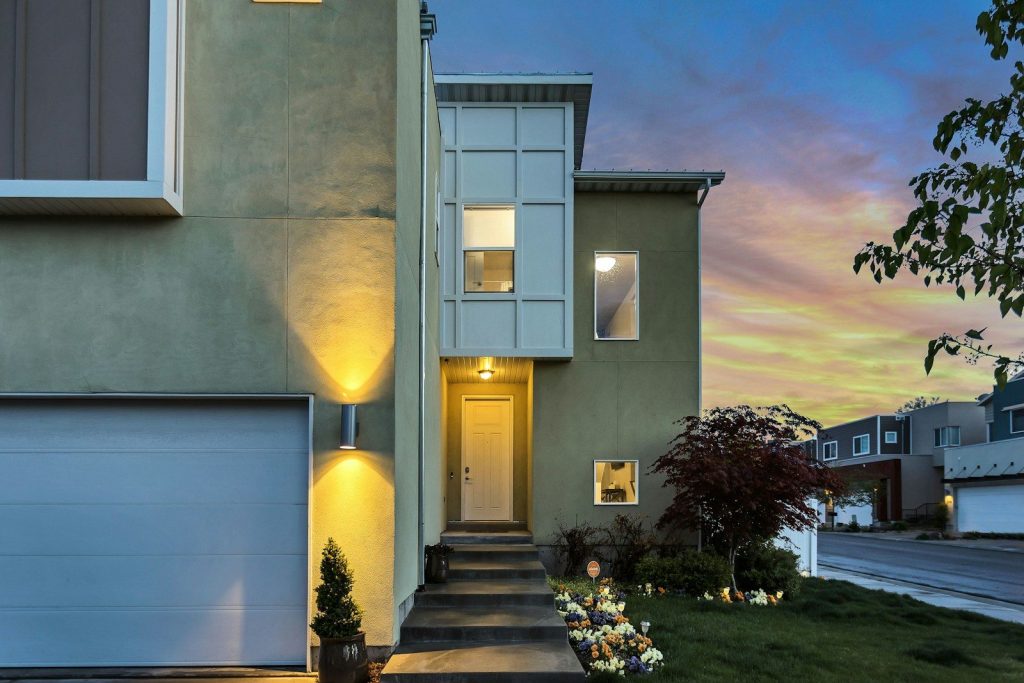
Some home projects seem like great ideas in the moment, but not every renovation ages well. Changes that reduce flexibility, increase maintenance, or appeal to a very specific taste can make it harder for future buyers to connect with a property. When it comes to home upgrades, a little restraint often goes a long way.