

When summer heat starts turning your home into an oven, cranking up the air conditioner is not always the smartest first move. A few strategic changes can block heat before it gets inside, improve airflow, and help your cooling system work less aggressively.
The surprising part is that some of the best fixes are simple habits most homeowners overlook. From changing when you open the windows to rethinking how you cook, these practical hacks can help make hot days more comfortable without constantly battling your energy bill.
Stop Letting the Sun Heat Your House

One of the easiest cooling hacks is to block sunlight before it enters. Keep blinds, curtains, or shades closed during the hottest parts of the day, especially on windows facing west. Sunlight can quickly turn rooms into heat traps, making your air conditioner work harder than necessary.
For a longer-term fix, consider awnings or strategically planted shade trees. Deciduous trees can block harsh summer sun while allowing warming sunlight through after their leaves drop. It is a slow-growing hack, but the payoff can last for decades.
Use Your Thermostat Like a Schedule
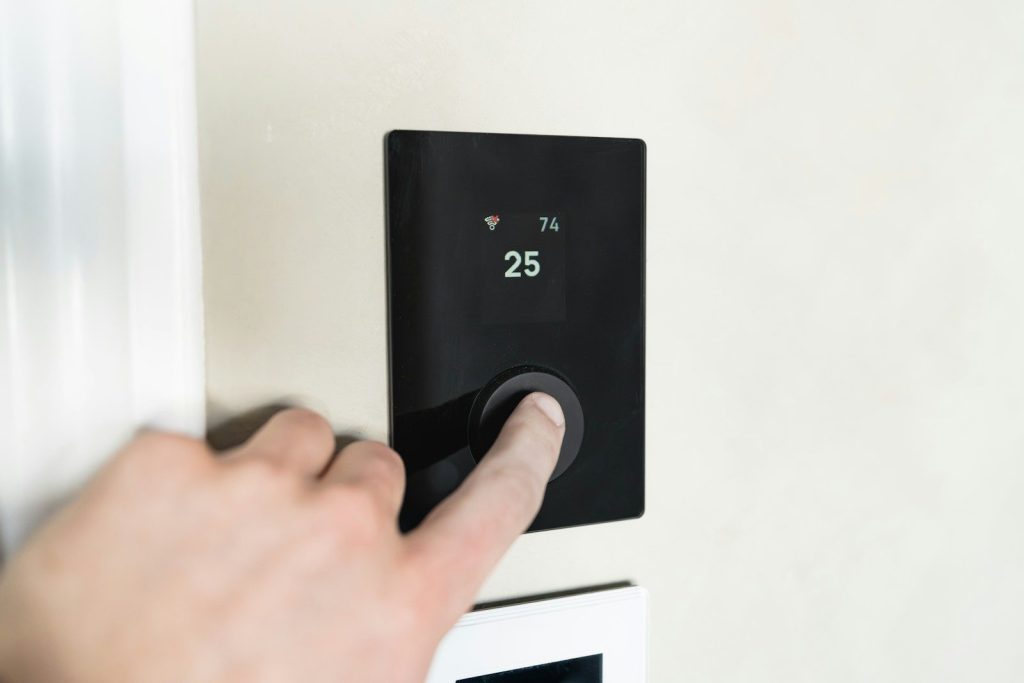
Many people waste energy by keeping the thermostat at the same setting all day, even when nobody is home. A smarter approach is to raise the temperature when the house is empty and cool it more when people are actually there.
If you are away for several hours, letting the temperature rise can reduce unnecessary cooling. Smart thermostats can make this easier by adjusting settings based on schedules, motion, or whether you are home, removing the need to constantly remember every adjustment.
Make Your Ceiling Fan Work Smarter
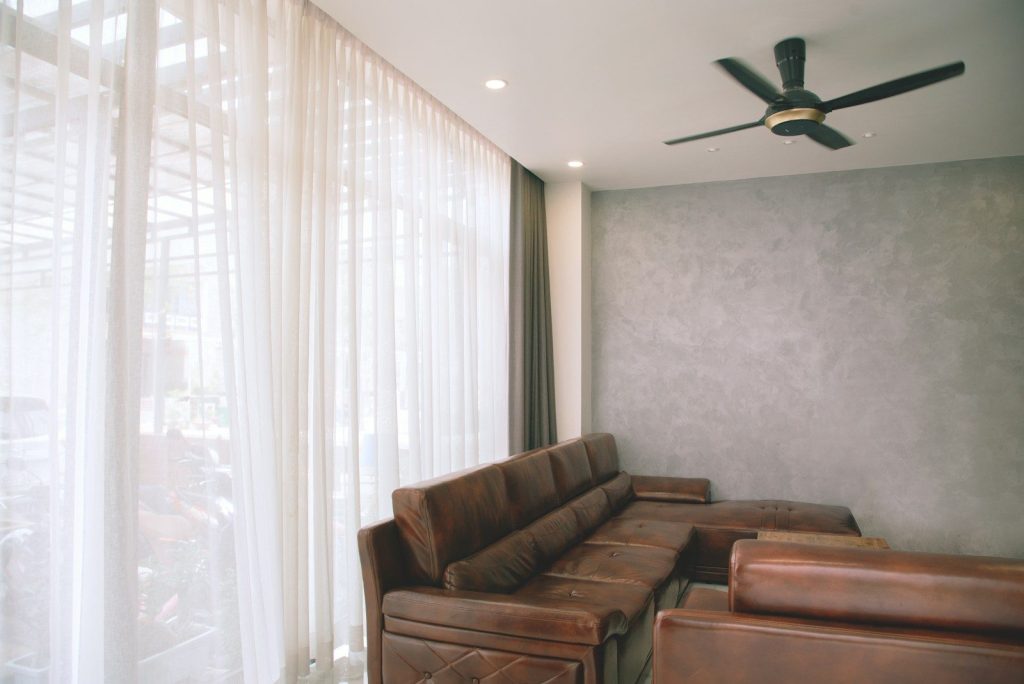
A ceiling fan can make a room feel several degrees cooler without actually lowering the room temperature. During summer, set the blades to spin counterclockwise so they push air downward and create a cooling breeze across your skin.
The important catch is to turn fans off when you leave. Fans cool people, not empty rooms. A motion sensor or smart switch can help automate this small but surprisingly useful energy saving habit.
Try the Morning and Evening Window Trick

Cool outdoor air can become a free cooling tool if you use it at the right time. Open windows early in the morning when the air is cooler, allowing fresh air to push out warmth that built up overnight.
As the day heats up, close the windows and block the sunlight. Then, when outdoor temperatures drop again in the evening, reopen them to flush out indoor heat. This simple timing trick can reduce how heavily you depend on air conditioning.
Treat Your Attic Like a Heat Shield
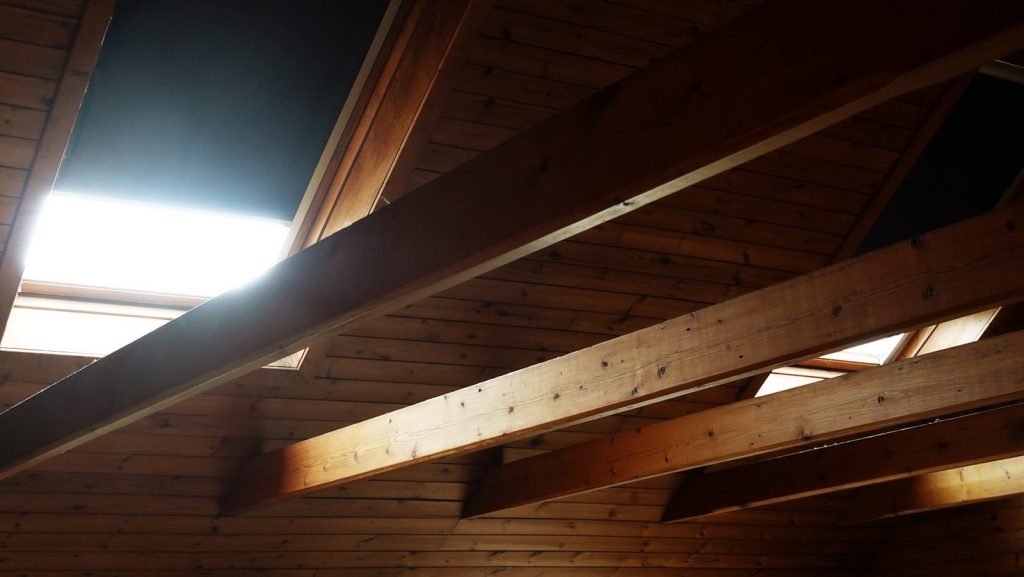
A blazing hot attic can send unwanted heat downward into your living space. Check whether your attic has enough insulation and whether air is leaking around vents, plumbing, or recessed lights.
Ventilation matters too. Better airflow through the attic helps release trapped heat, while radiant barriers can reduce the amount of warmth reaching the structure below. Fixing the problem upstairs can make the entire home easier to cool.
Hunt Down the Tiny Air Leaks
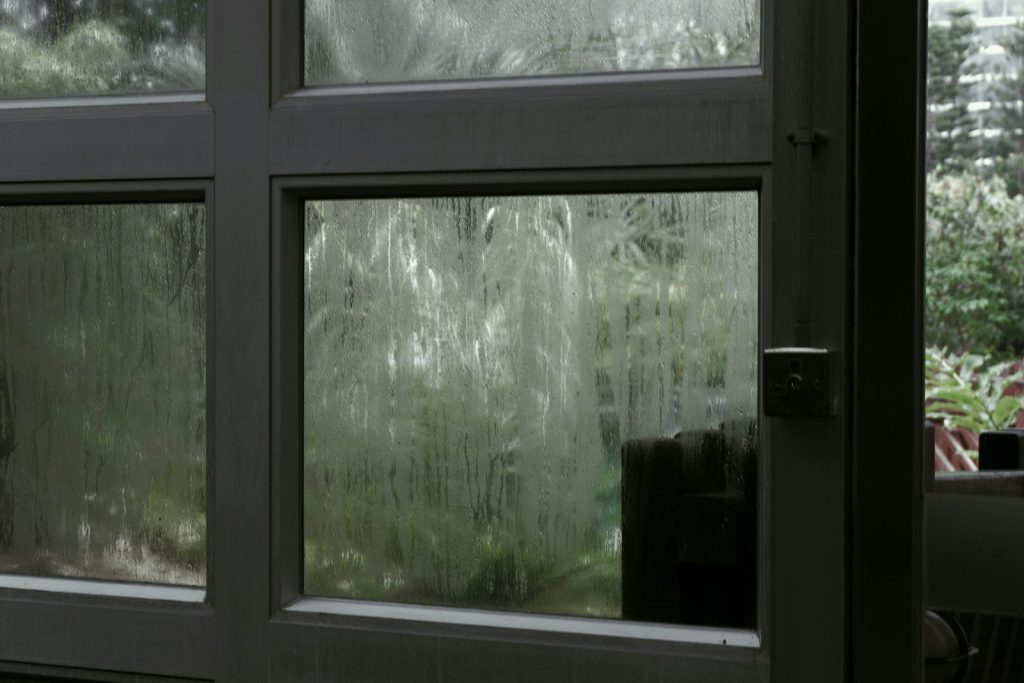
Cool air escaping through gaps around doors, windows, attics, and utility openings is like leaving a window cracked while the air conditioner runs. Weather stripping and caulk can often solve many of these problems without a major renovation.
Do not forget the ductwork. Leaky or poorly insulated ducts can lose cooled air before it reaches your rooms, especially when they run through hot attics. Sealing those weak spots can make your cooling system feel noticeably more effective.
Keep Heat Making Appliances on a Summer Schedule
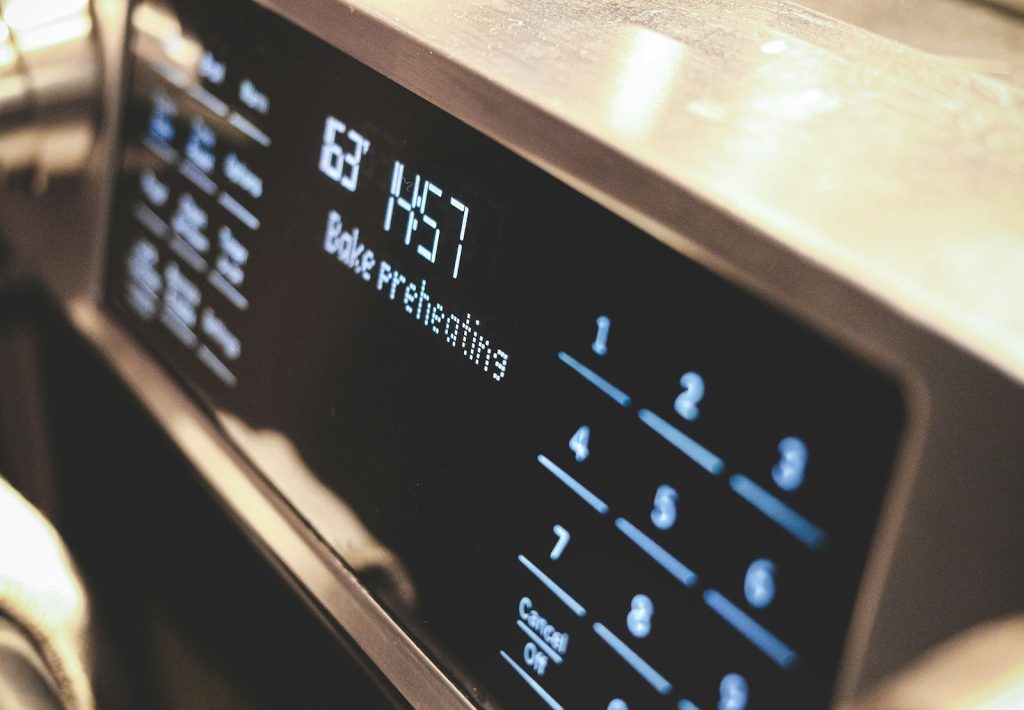
Your oven, stove, dishwasher, and even old light bulbs can add surprising amounts of heat indoors. Whenever possible, use the oven during cooler evening hours or move cooking outdoors to a grill.
For quick meals, microwaves, slow cookers, and pressure cookers usually create less indoor heat. Swapping incandescent bulbs for LEDs can also reduce both electricity use and the amount of heat released inside your home.
Give Your AC a Fighting Chance
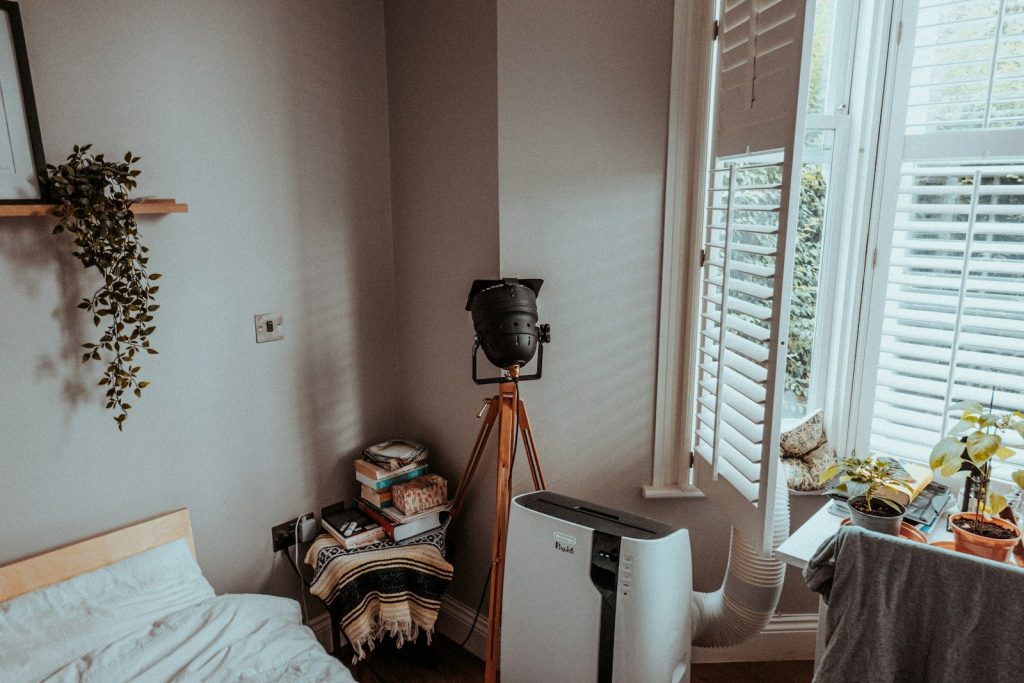
Even the best cooling hacks will struggle if your air conditioner is neglected. Replace or clean filters regularly during heavy-use months so airflow does not become restricted.
Also keep outdoor units away from intense direct sunlight when possible, or provide appropriate shade without blocking airflow. When the system is clean, maintained, and not battling unnecessary heat from the rest of the house, it can cool more efficiently and work less to keep you comfortable.
Featured Image: By You-Chen Hsu on Unsplash