

Most homeowners never think to connect a bird they spot in the yard to a repair bill showing up months later. Birds are easy to overlook as a source of serious property damage because the signs build up gradually and quietly, long before anything looks obviously wrong. These are the birds worth knowing about before the damage they leave behind becomes expensive to fix.
Woodpeckers
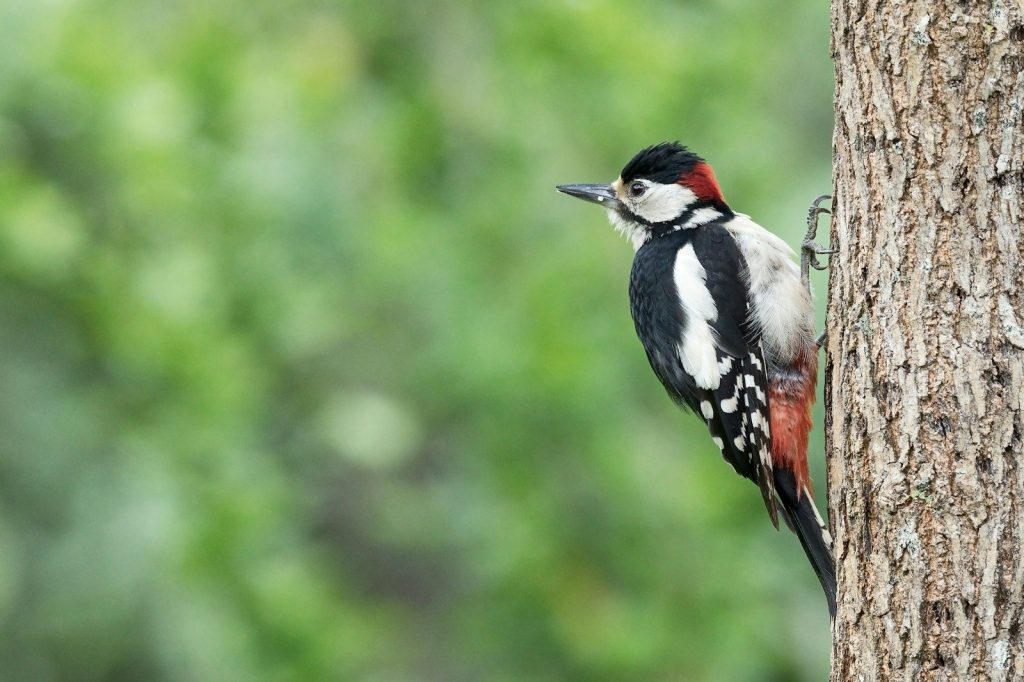
Woodpeckers are one of the most destructive birds a homeowner can have targeting their property. They drill into wood siding, fascia boards, and eaves looking for insects or establishing territory, and the holes they leave behind are entry points for moisture, rot, and eventually insects and other wildlife. A single determined woodpecker can cause hundreds of dollars worth of damage to cedar or wood siding in a single season without ever being noticed until the rot sets in.
Starlings
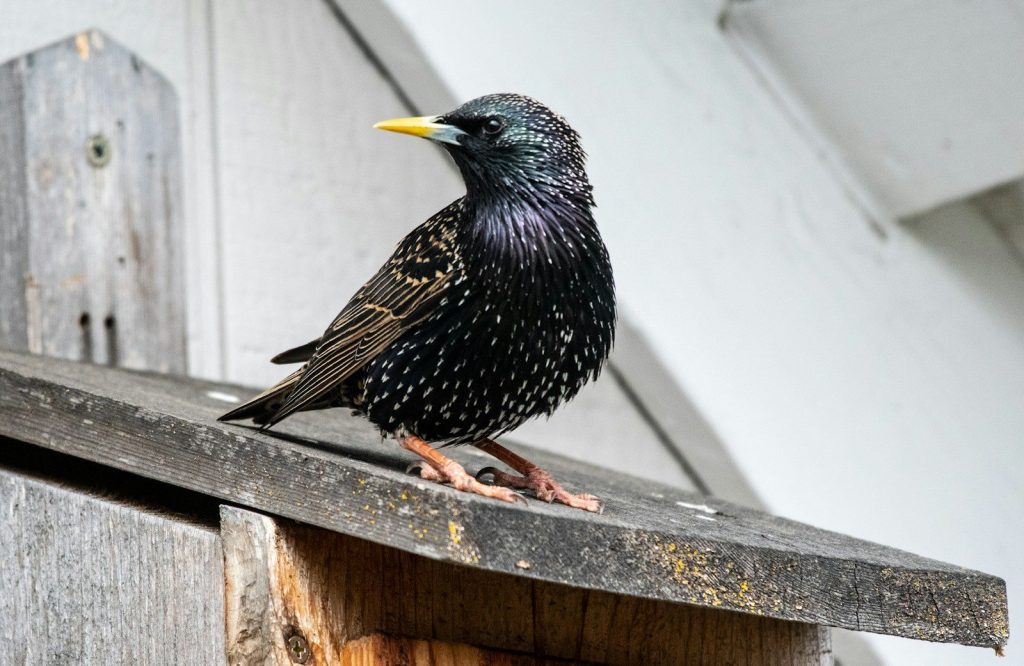
Starlings are aggressive nesters that squeeze into the smallest gaps under roof edges, inside vents, and behind soffits. Once inside they build large, dense nests that block ventilation systems, trap moisture, and create fire risks when they nest near dryer vents or exhaust outlets. They also travel in large flocks, which means a single entry point can quickly turn into a significant infestation inside a roof or wall cavity.
Pigeons
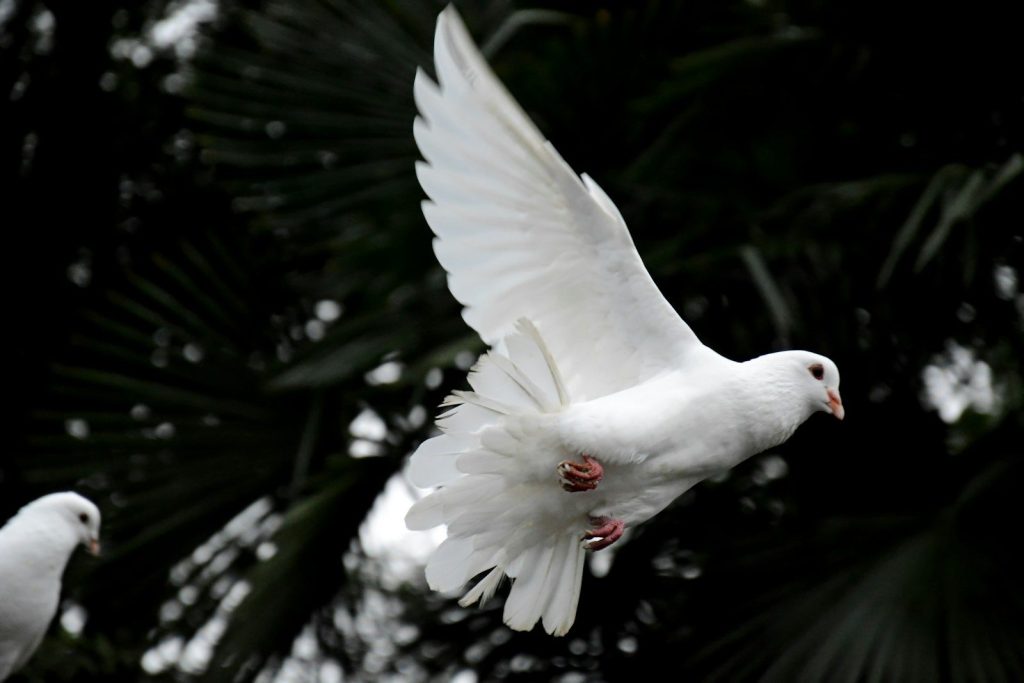
Pigeon droppings are highly acidic and cause faster deterioration of roofing materials, painted surfaces, and metal fixtures than most homeowners ever realise. A regular roosting spot on a roof edge, AC unit, or solar panel accumulates droppings that eat through protective coatings and eventually the material underneath. The weight of large flocks on flat roofs over time also contributes to structural stress.
House Sparrows
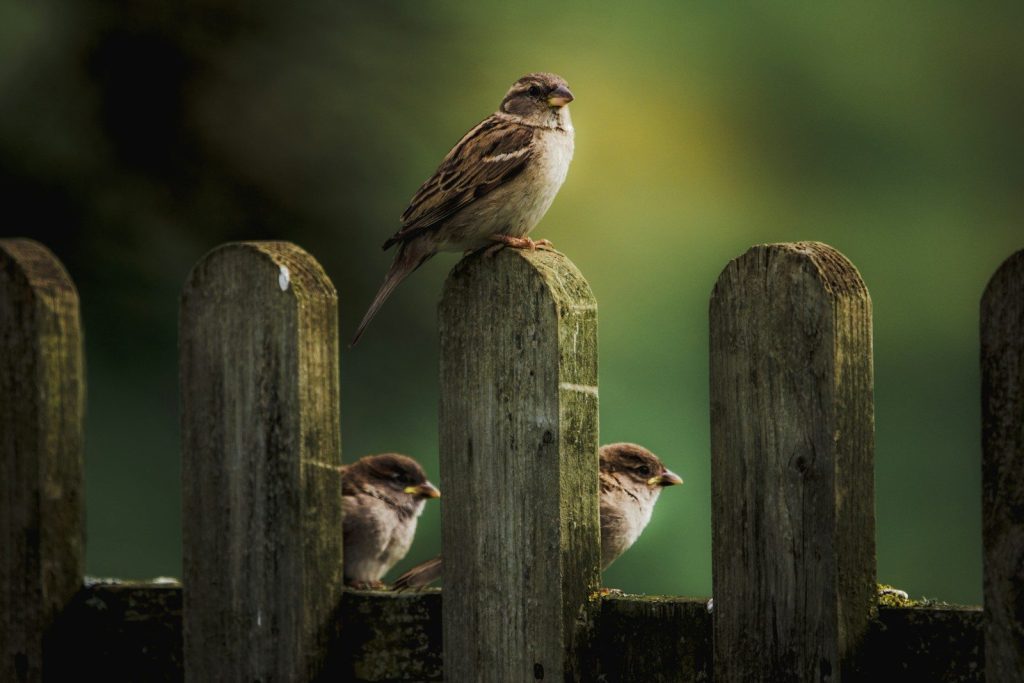
House sparrows nest in gutters, dryer vents, and any small opening they can find in a home exterior. Their nests are built from dry grass, leaves, and debris that blocks drainage systems and creates standing water on roofs and around foundations. Blocked gutters from sparrow nests are one of the leading causes of water damage to fascia boards and foundations that goes undetected until it is already serious.
Swallows
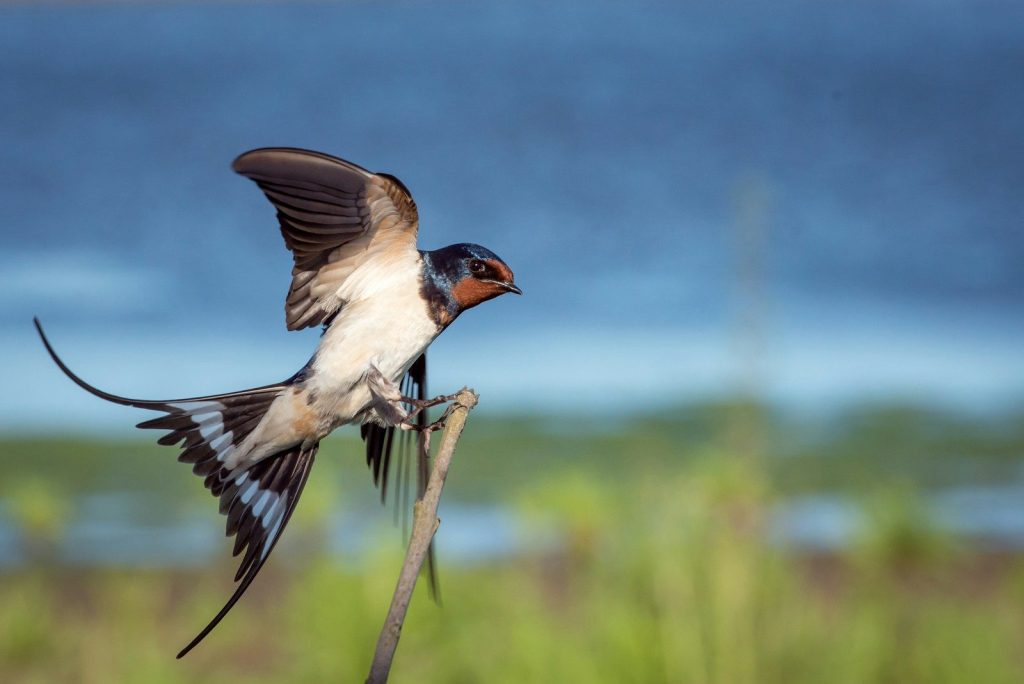
Swallows build mud nests directly onto exterior walls, under eaves, and on porch ceilings. The nests are attached with a natural adhesive that bonds tightly to painted and stucco surfaces, and removing them often pulls the surface finish away with them. They are also protected migratory birds in many regions, which means once a nest is active it cannot legally be removed until the season is over.
Crows
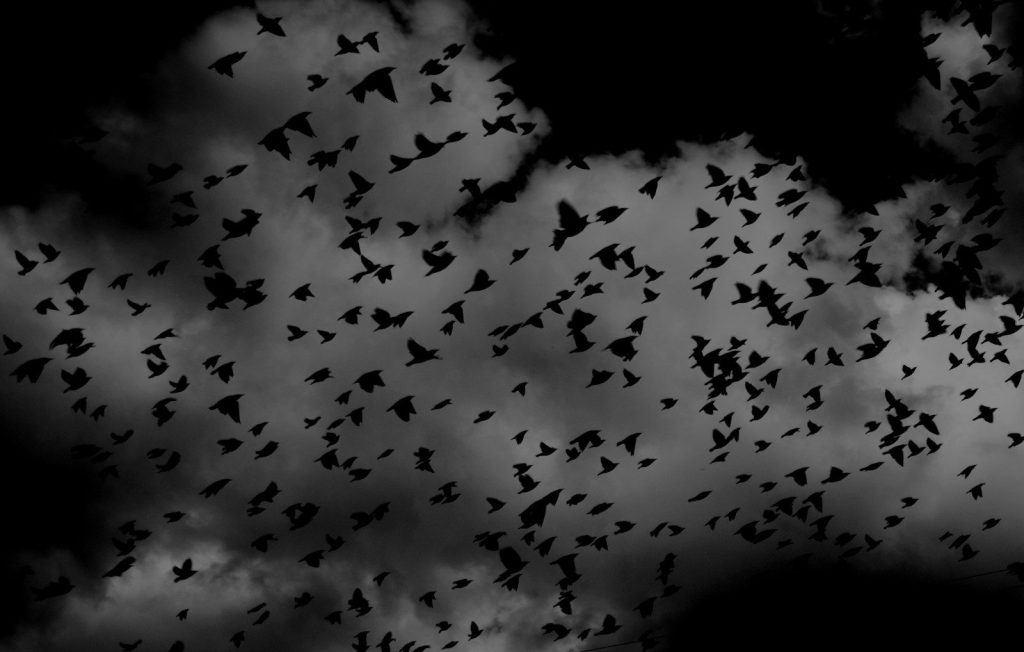
Crows are intelligent enough to cause deliberate and repeated property damage when they decide a yard or roof is interesting. They pull up rubber roof seals, pry at caulking around skylights and vents, and tear apart weatherstripping around chimneys while searching for food or nesting material. Their persistence and problem-solving ability make them far more damaging than a bird their size would otherwise suggest.
Seagulls
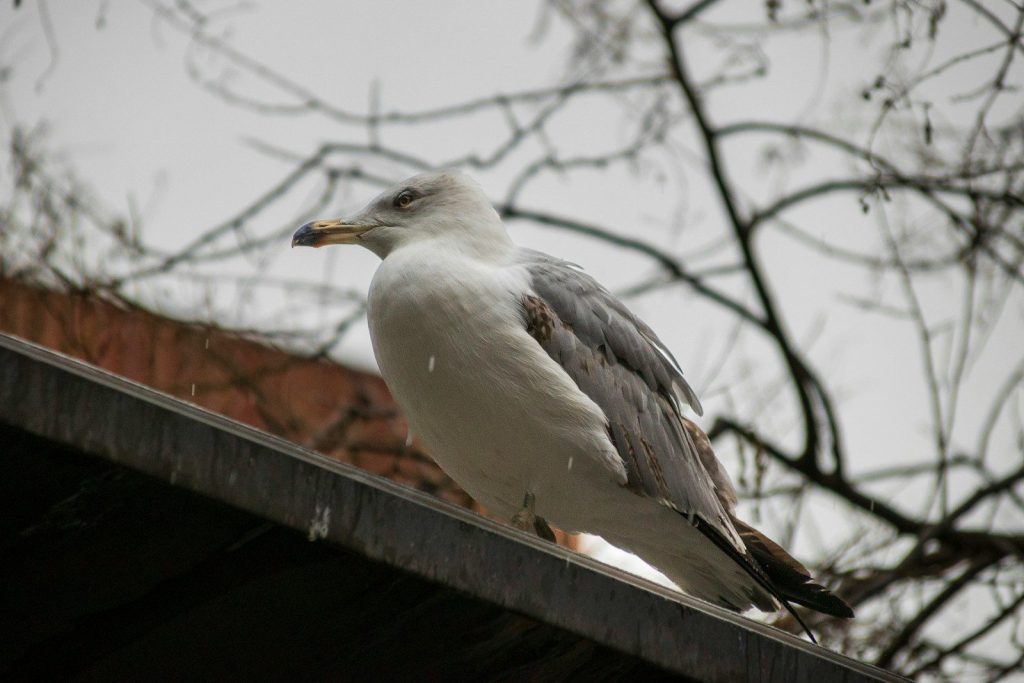
In coastal and inland areas near water, seagulls that settle on rooftops cause damage through both their droppings and their nesting habits. They nest directly on flat roofs, blocking drainage outlets and creating large accumulations of debris and waste that deteriorate roofing material rapidly. Their droppings also carry bacteria and parasites that create additional health and hygiene concerns beyond the structural damage itself.
Owls and Hawks Nesting Near the Roof
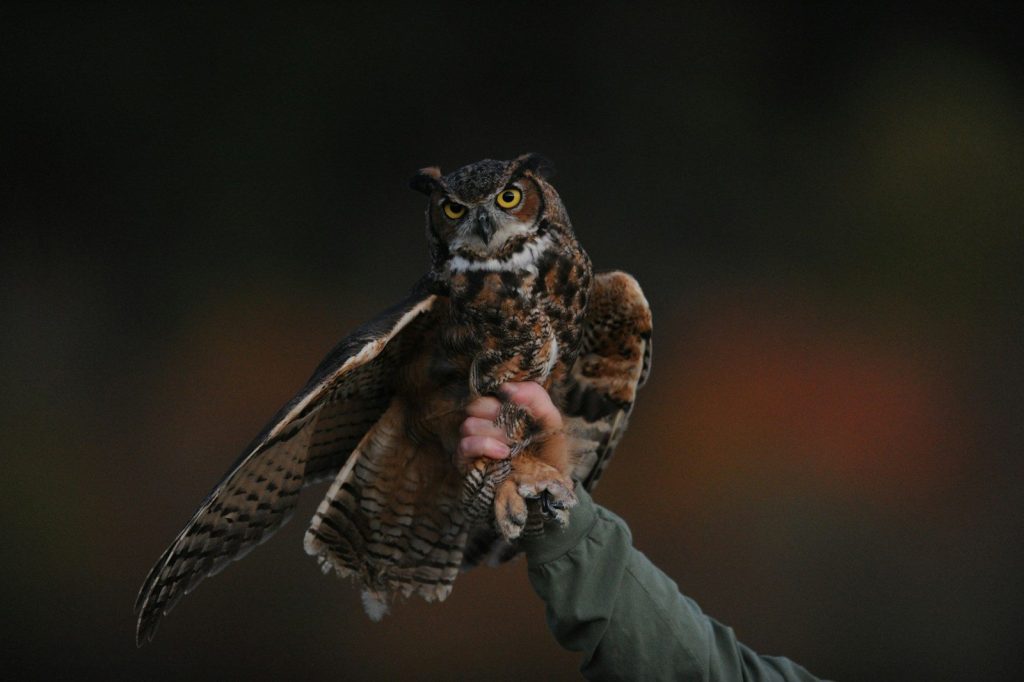
While owls and hawks are rarely a direct threat to property the way other birds on this list are, their presence near a roofline often signals a larger wildlife activity problem in the immediate area. More importantly, the small rodents and prey animals they hunt tend to be attracted to the same gaps, vents, and entry points these birds are watching, which means a hunting bird perched regularly near your roof is often an early indicator of a separate pest problem already developing inside.
The Earlier You Spot Them, the Cheaper the Fix
Bird damage rarely looks like much in the early stages, which is exactly why it tends to go unaddressed until it becomes a serious repair. A small hole in the siding, a blocked vent, or a patch of discolored roofing material are easy to overlook from the ground, but each one has the potential to become a far bigger problem given enough time and the right weather conditions. Knowing which birds to watch for and where they tend to cause trouble is the first and most important step in keeping that repair bill from arriving uninvited.