

Squirrels may look harmless, but a few hungry visitors can quickly turn into a backyard headache. They dig up bulbs, raid feeders, chew tree bark, damage gardens, and may even find their way into attics.
The good news is that you do not always need harsh chemicals or drastic measures. A few smart changes to food, scents, barriers, and access points can make your property far less appealing.
Make Your Bird Feeder Much Harder To Raid
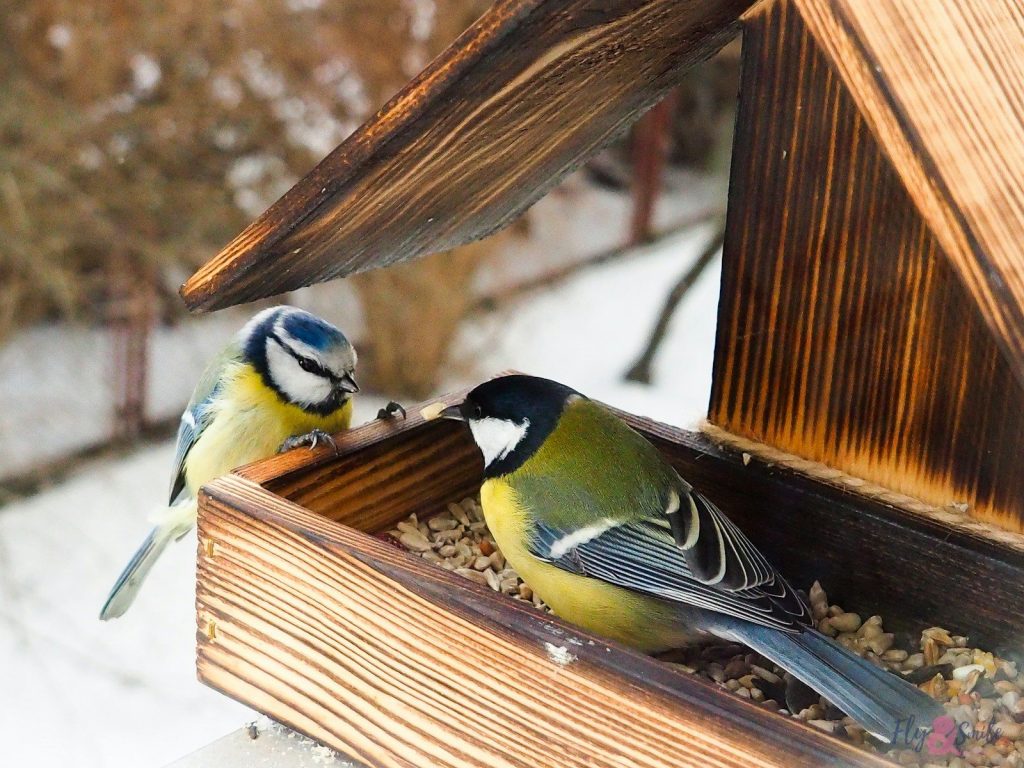
A simple feeder placement hack can make a big difference. Keep feeders away from trees, fences, and other launch points, since squirrels can jump impressive distances. Moving a feeder onto a pole and adding a baffle can turn an easy buffet into a frustrating obstacle course.
You can also switch to seeds squirrels tend to avoid, such as safflower or nyjer. The goal is not to stop feeding birds. It is to make the food less convenient for the furry thieves that keep emptying your feeder.
Wrap A Tree Before Squirrels Turn It Into A Highway
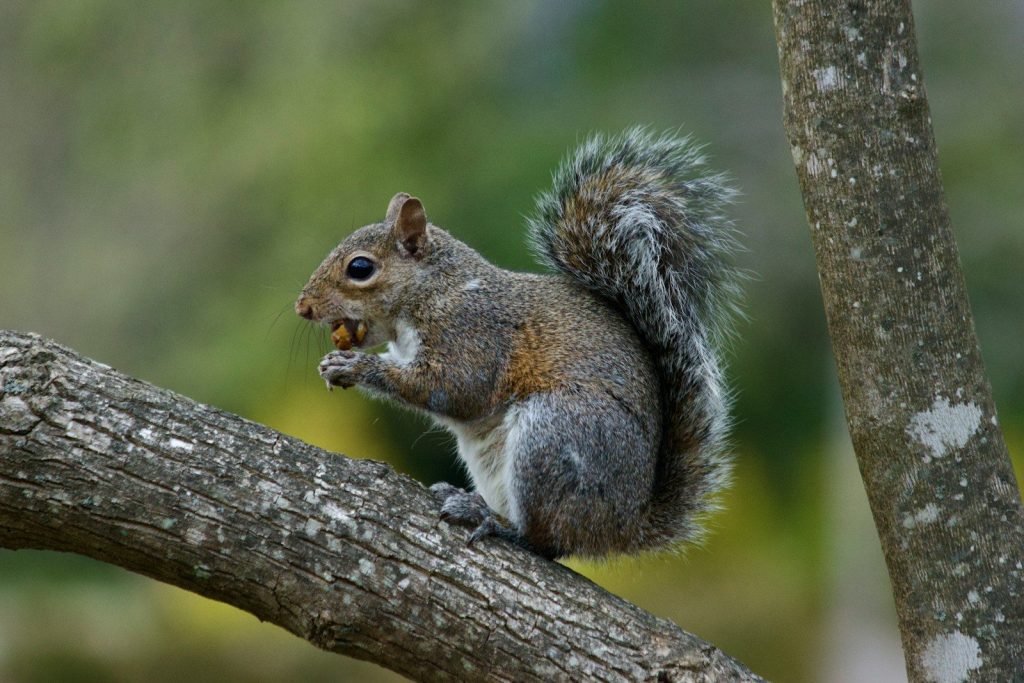
If squirrels are climbing a favorite tree, create a slick barrier around the trunk. A wide piece of metal flashing, ducting, or sturdy plastic can make it difficult for them to grip their way upward.
Position the barrier several feet above the ground and keep nearby branches trimmed back. The trick is to remove the easy launch points too, because squirrels can simply leap from a nearby tree or fence when one route is blocked.
Use Strong Scents As A Backyard Detour
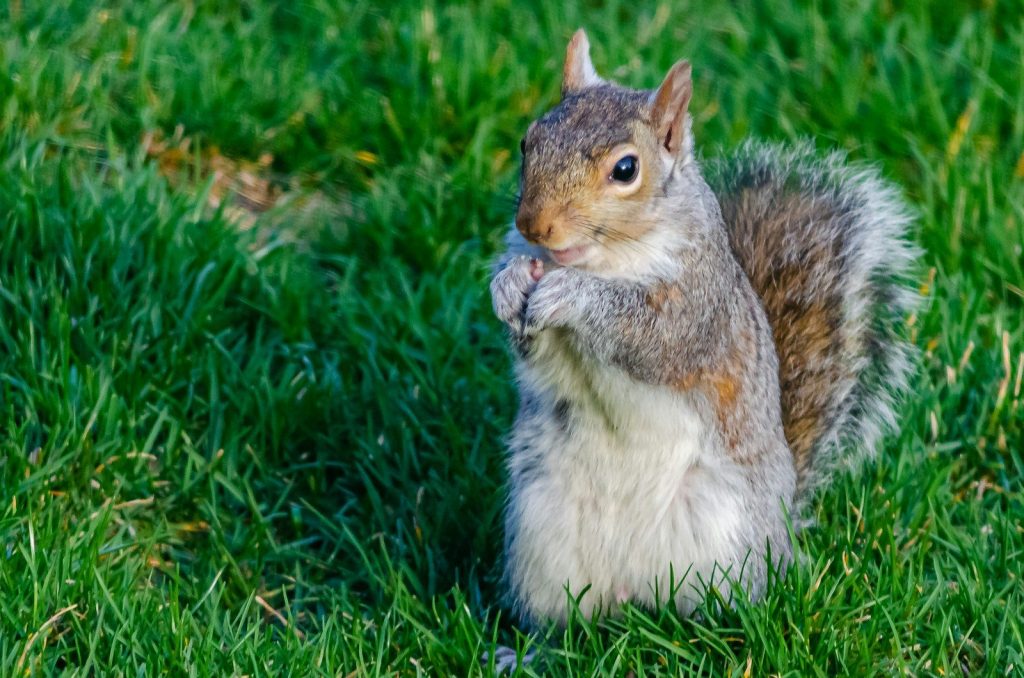
Squirrels often dislike powerful smells, which makes scent a useful low-cost deterrent. Try a spray made with water, a little dish soap, and scents such as peppermint, citrus, eucalyptus, rosemary, garlic, or vinegar.
You can also place scented cotton balls near vulnerable plants or use strong-smelling soap and spices around problem areas. Reapply regularly because rain, sunlight, and time can quickly weaken these homemade scent barriers.
Add A Little Heat Around Favorite Targets
Hot pepper can turn a tempting garden into a place squirrels would rather avoid. Sprinkle cayenne around plants they keep digging near, or use a pepper-based repellent in areas where they are causing trouble.
One interesting feeder trick is using capsaicin-treated seed. Birds do not react to the heat the same way mammals do, so the food can remain appealing to birds while becoming far less attractive to squirrels.
Let Your Garden Do Some Of The Deterring
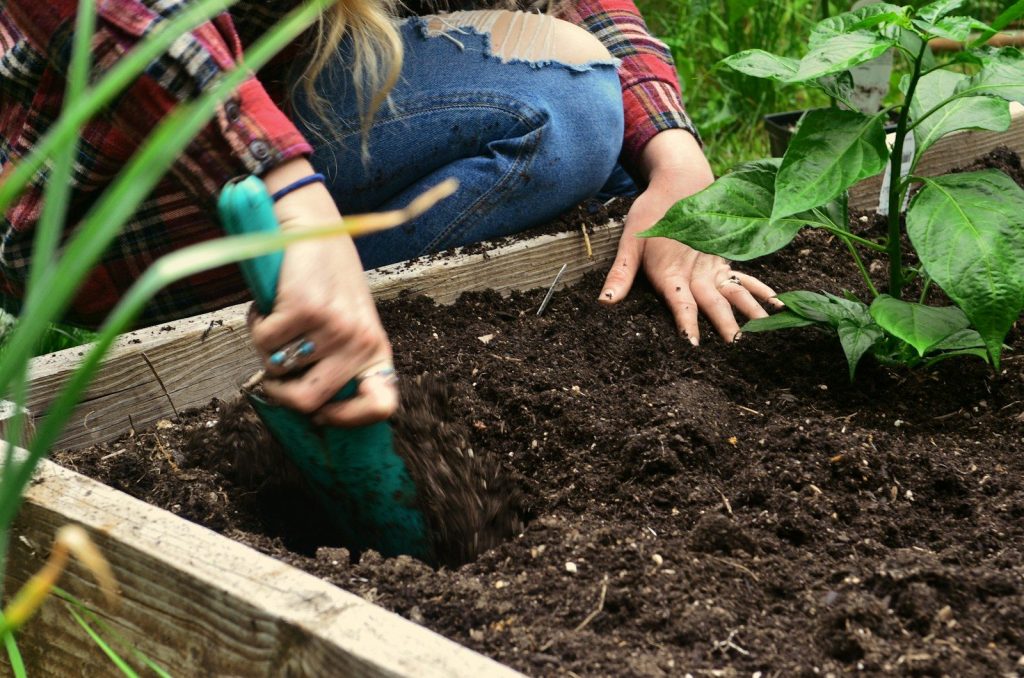
Instead of relying only on sprays, use strongly scented plants as a natural defense. Rosemary, garlic, onions, mint, marigolds, mustard, nasturtiums, and hot peppers can all help make certain areas less inviting.
Plant them around vegetable beds, fruit trees, or spots where squirrels repeatedly cause trouble. This hack works best as part of a larger strategy, especially when combined with barriers that physically protect the plants.
Make Your Yard Feel Less Comfortable
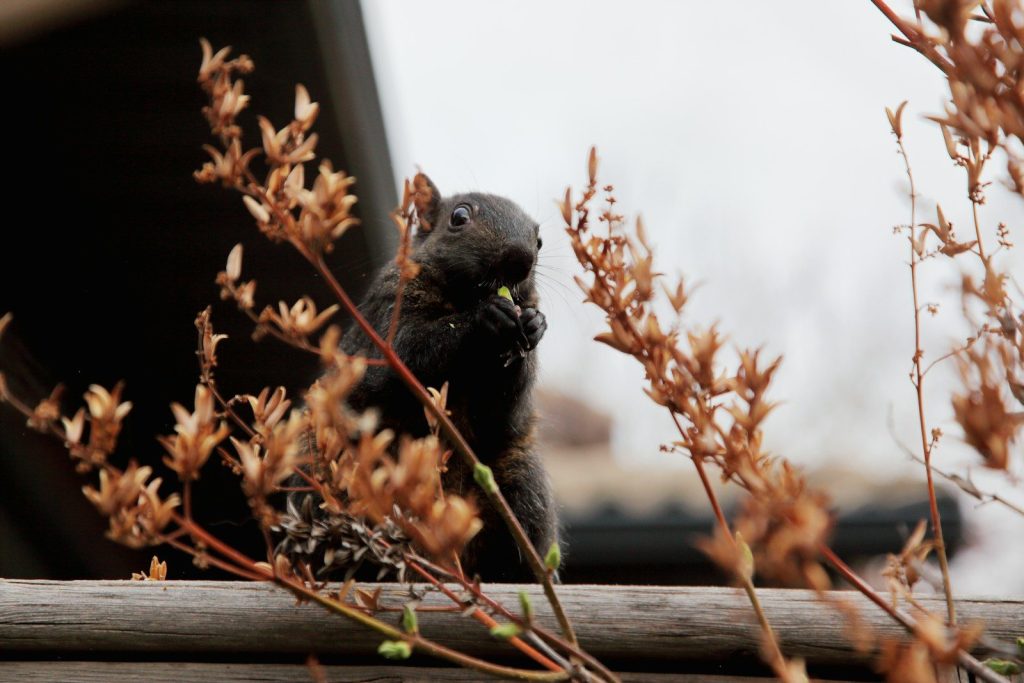
Squirrels may investigate a yard, but they do not always stick around when the environment keeps surprising them. Motion-activated sprinklers, sudden sounds, reflective objects, and even a well-timed burst from a hose can make favorite areas less appealing.
The catch is that squirrels can get used to repeated tricks. Rotate your methods occasionally so the yard does not become predictable. A changing combination of movement, noise, and visual distractions can work better than relying on one gimmick.
Close The Tiny Gaps They Use To Move In
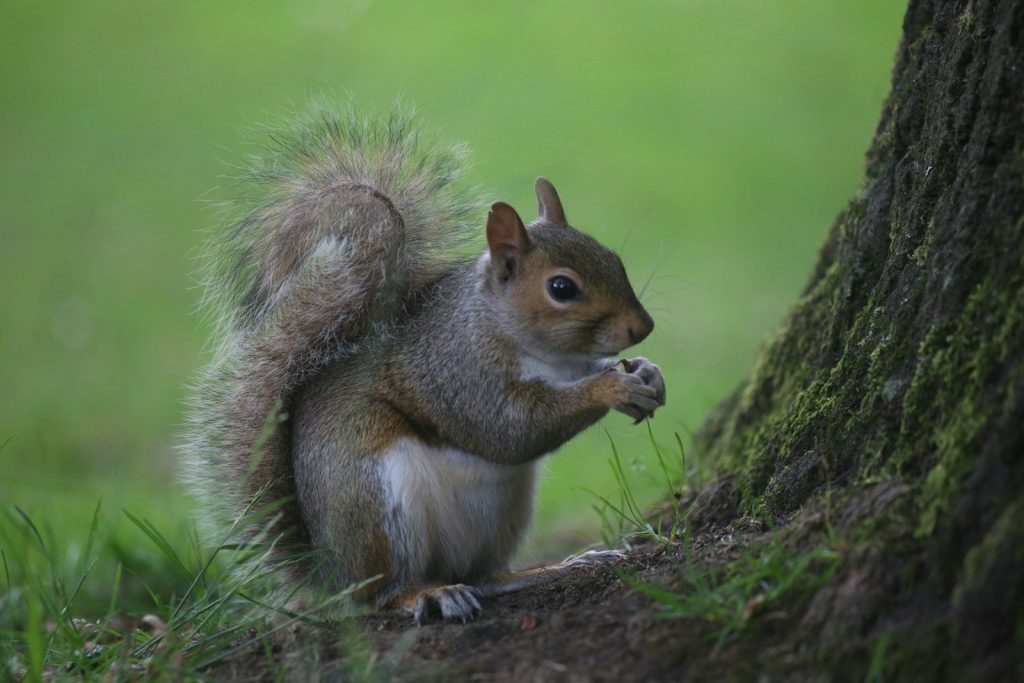
A hole that looks too small to matter may still be an invitation. Check roof edges, soffits, vents, chimneys, siding, and other vulnerable spots for openings or chew damage.
Use sturdy materials such as metal flashing or hardware cloth for repairs, and keep tree branches trimmed away from the roof. If a squirrel is already inside, make sure it has left before sealing the opening, or contact a professional for help.
Protect Gardens With A Physical No-Go Zone
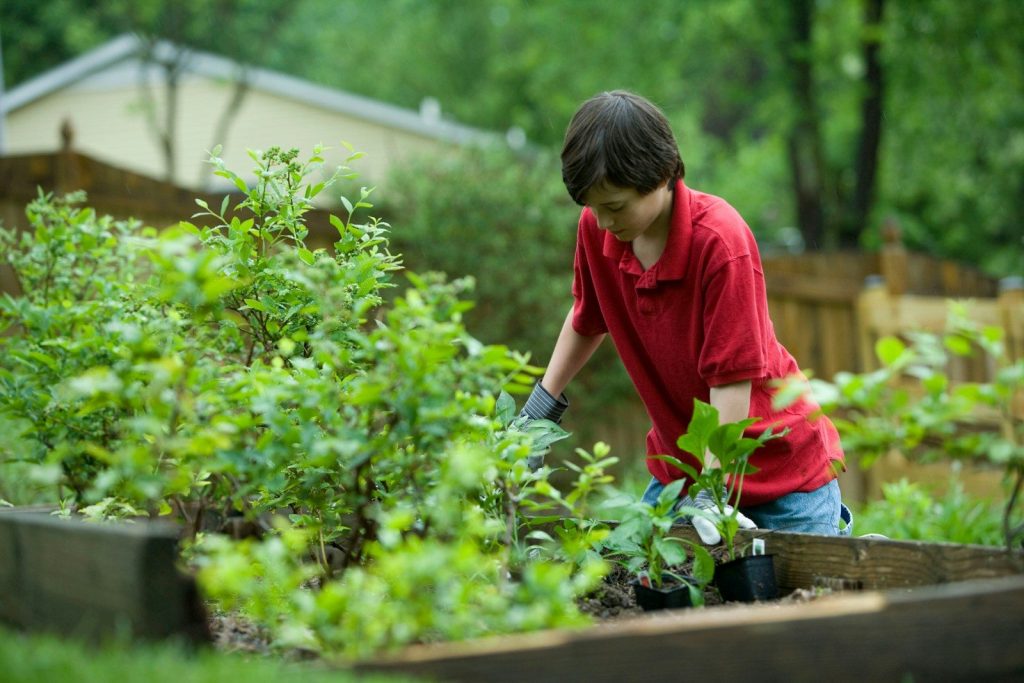
When squirrels keep digging up bulbs or attacking vegetables, a physical barrier may beat any spray. Cover freshly planted areas with chicken wire, use netting over fruiting plants, or build a hardware cloth fence around especially tempting garden zones.
For extra protection, bury the bottom edge slightly underground to discourage digging. You can also use rough gravel in certain beds and paths, creating a surface squirrels may find less comfortable to cross.
Featured Image: By Włodzimierz Jaworski on Unsplash