

A shady patio or deck does not have to become the forgotten corner of your yard. The trick is choosing plants that actually enjoy filtered light instead of forcing sun lovers to struggle. With the right containers and a few smart plant pairings, even dim spaces can look lush, colorful, and surprisingly dramatic.
The best part is that shade gardening gives you plenty of room to experiment. Use bold foliage, trailing plants, hanging baskets, and seasonal bloomers to create layers without needing a sunny garden bed. These practical tricks can help you turn those low-light spots into some of the most interesting areas around your home.
Use Bold Foliage When Flowers Struggle
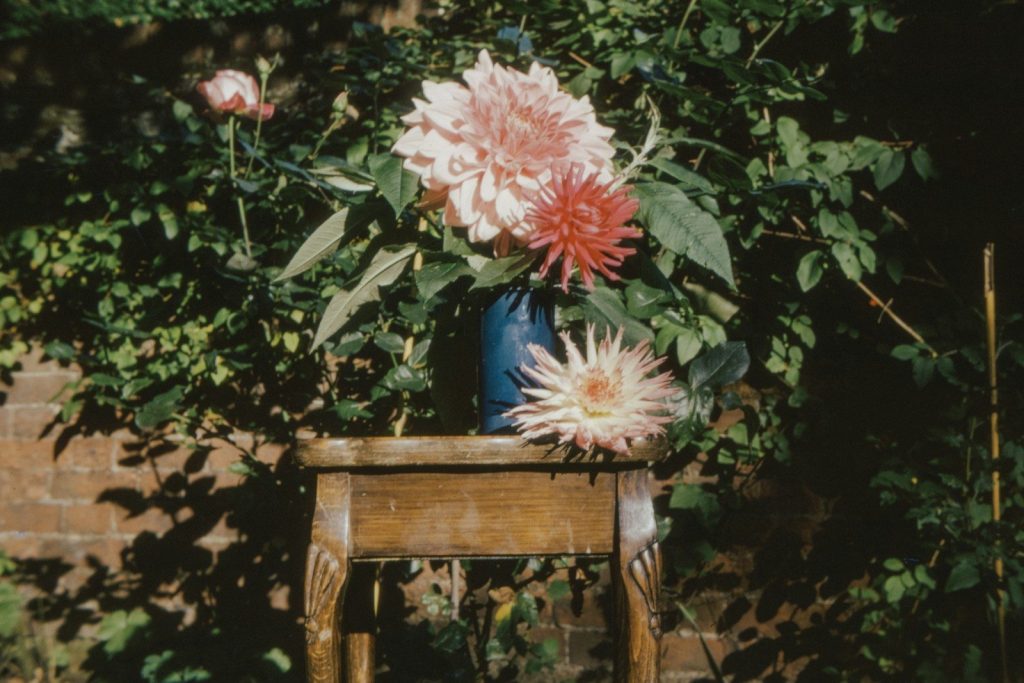
Here is a simple shade garden hack. Stop relying on flowers to provide all the color. Caladiums, coleus, sweet potato vines, and Rex begonias can bring dramatic shades of pink, red, purple, green, and cream through their leaves alone. Place them in decorative pots near an entryway or seating area, and the foliage can keep the display looking lively even between blooms.
For the brightest effect, combine different leaf shapes in one grouping. A large caladium can serve as the focal point while coleus adds color and a trailing plant softens the container edges. This approach works especially well when the area receives little direct sunlight.
Turn One Pot Into a Designer Arrangement
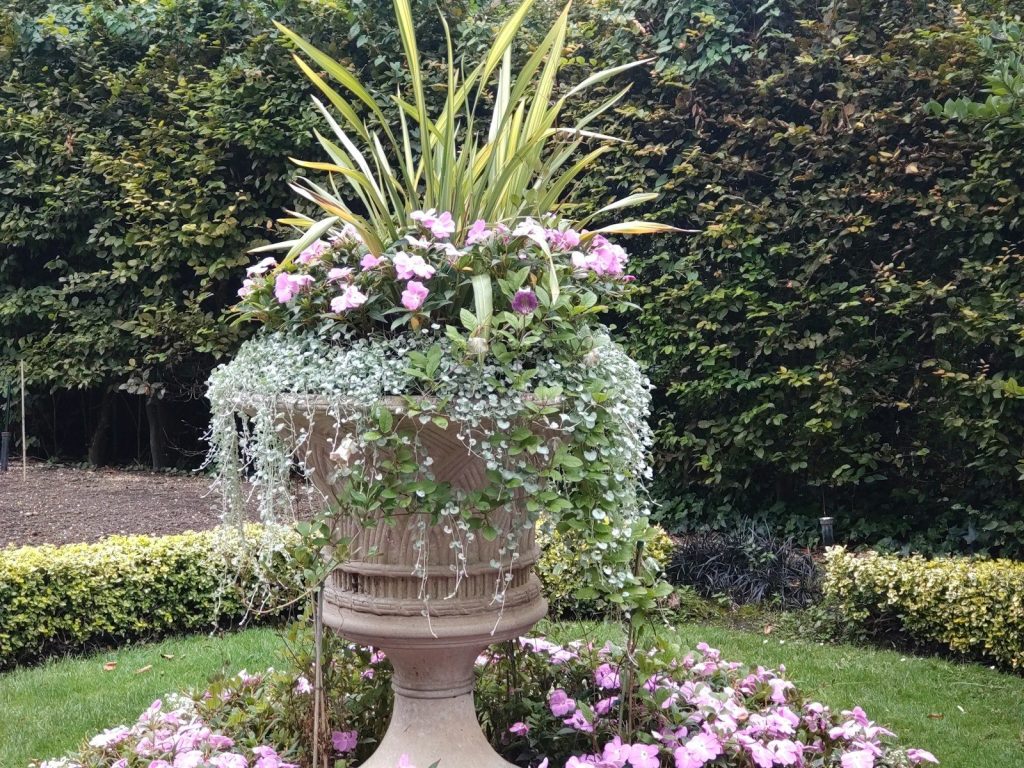
A container looks instantly more polished when you think in layers. Use one upright plant for height, one full plant for the middle, and one spiller that tumbles over the edge. Ferns, impatiens, and creeping Jenny can work beautifully in this kind of setup, creating a fuller display without needing a huge planter.
The key trick is to match the plants to similar light and moisture needs. A shade-loving fern can provide a soft backdrop, while colorful impatiens add blooms and a trailing plant creates movement. Instead of buying several unrelated plants, build the container like a tiny landscape.
Make Hanging Baskets Do the Heavy Lifting
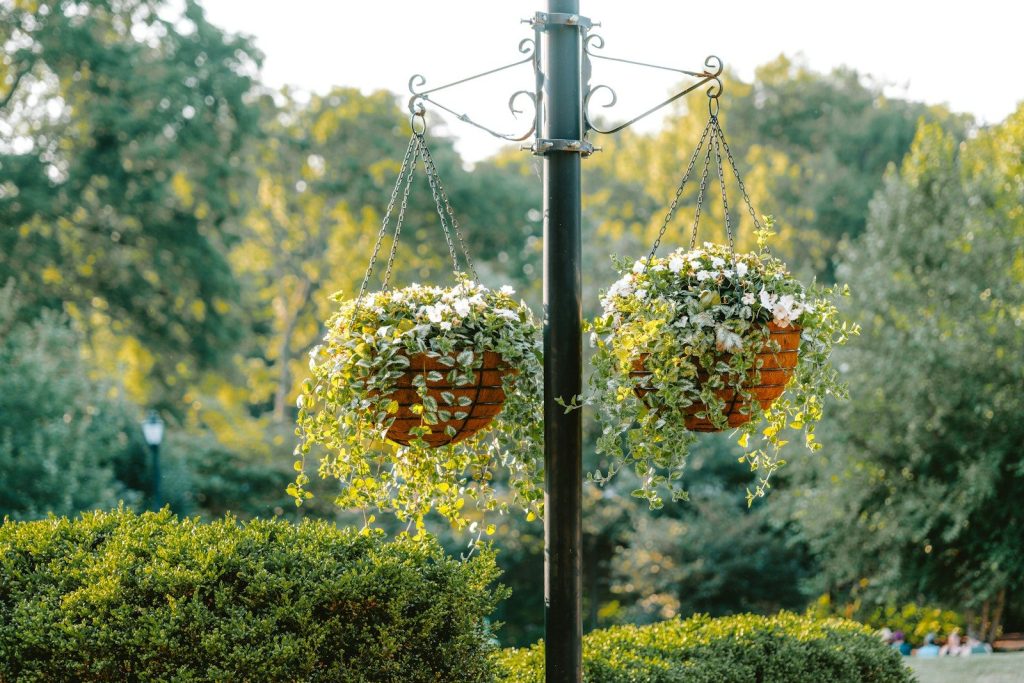
If your patio floor is already crowded, look up. Hanging baskets can turn unused overhead space into a shade garden, especially around covered porches, pergolas, and decks. Ferns create a lush green effect, while fuchsias and wishbone flowers add eye-catching blooms that spill toward the ground.
This is also a smart way to create visual height without adding more furniture or large planters. Choose plants that naturally cascade, then place baskets where they receive filtered light rather than harsh afternoon sun. Keep the soil consistently moist for plants that wilt quickly when they dry out.
Use Trailing Plants To Hide Plain Pots
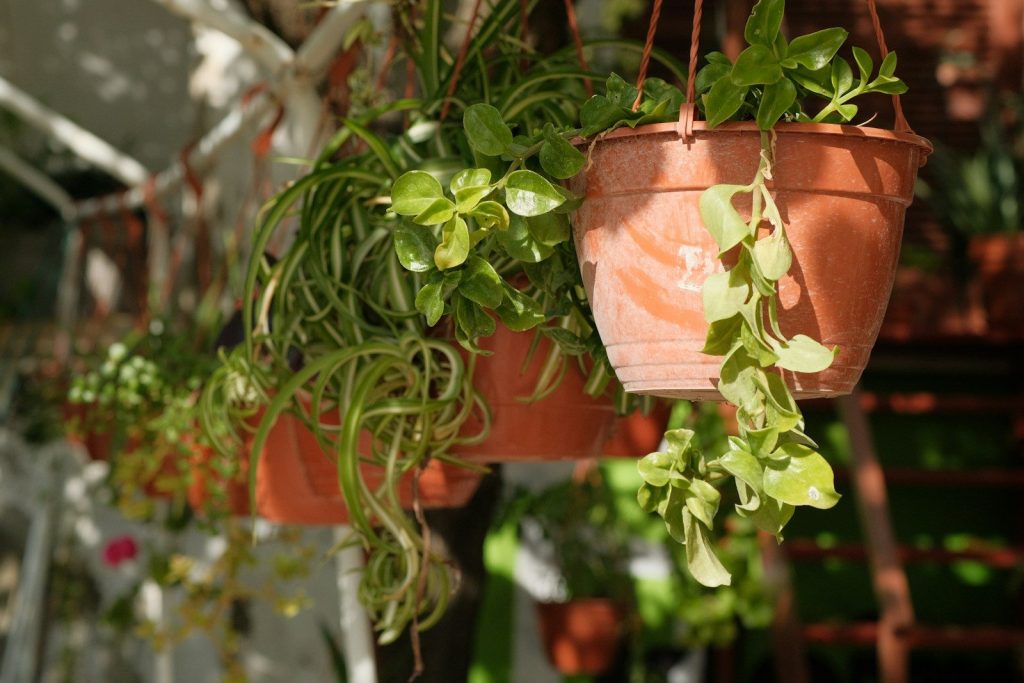
A basic container can look far more expensive when a trailing plant softens its edges. Creeping Jenny and sweet potato vine are useful for creating that overflowing look, while ivy can add a classic, sculptural touch when kept contained. The result is a fuller display that hides the pot and draws attention to the greenery.
There is one important trick here. Some vigorous plants can spread aggressively when planted directly in the landscape, so containers offer better control. Let them cascade over the rim, trim them when needed, and keep fast growers from taking over nearby garden beds.
Choose Plants That Bounce Back From Mistakes
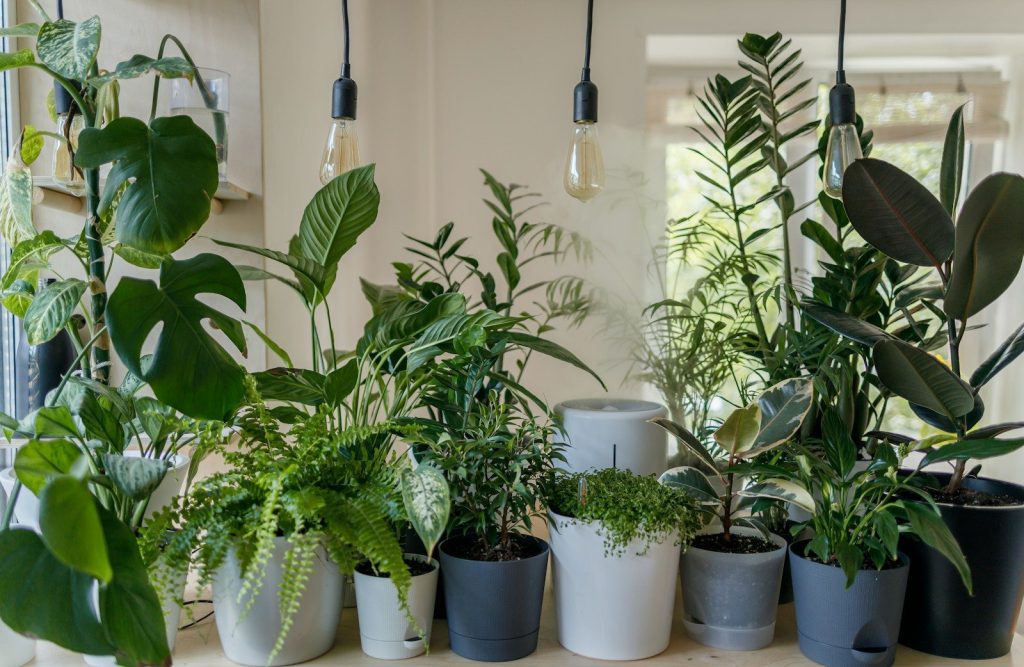
Not every container plant handles forgetful watering equally well. Impatiens may dramatically wilt when dry, but they can often recover quickly after a thorough drink. That makes them useful for gardeners who occasionally miss a watering session. Ferns and other moisture-loving plants can also thrive when their soil stays evenly moist.
The smarter move is to group plants according to their watering needs. Put thirstier plants together and use containers with drainage holes so excess water can escape. This simple setup makes daily care easier and reduces the chance of one plant being overwatered just to save another.
Use Seasonal Plants To Keep Containers Fresh
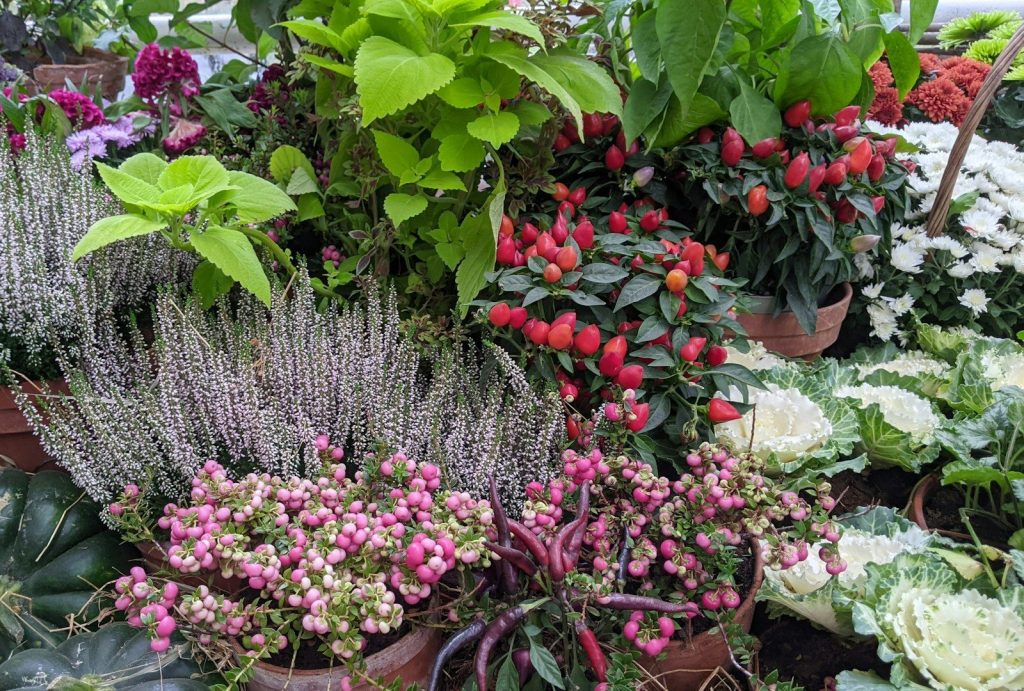
You do not need one permanent container design for the entire year. Pansies can add color during cooler seasons, while summer-friendly options such as impatiens, caladiums, and wishbone flowers can take over when temperatures rise. Rotating plants keeps your patio looking fresh without redesigning the entire space.
A useful trick is to choose a few dependable structural plants and change only the seasonal color. A fern, ivy, or Japanese maple can provide a steady foundation, while flowering plants can be swapped as the weather changes. This creates a garden that evolves instead of looking tired.
Create A Tropical Look Without Full Sun

Shade can actually help create a lush, tropical feeling. Prayer plants, caladiums, fuchsias, and large-leafed foliage plants can give containers a dramatic vacation-inspired look without requiring blazing sunlight. Group several pots together so the leaves overlap visually and create a denser, greener effect.
For the best results, place these plants where they receive bright filtered light and protection from intense afternoon heat. Many shade plants prefer moist soil, but good drainage still matters. The goal is damp and healthy, not waterlogged.
Turn A Dark Corner Into A Focal Point
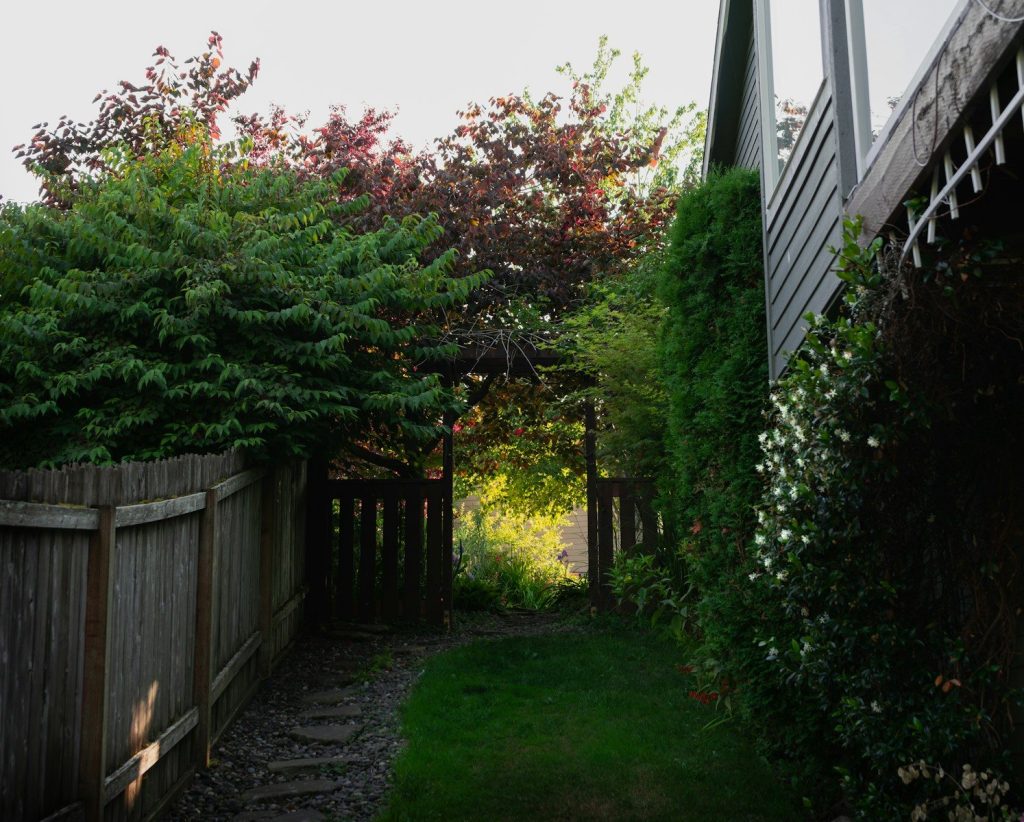
The biggest shade garden hack may be choosing the right location. Instead of hiding containers in the darkest unused corner, use them to highlight a space that needs attention. A Japanese maple in a large pot can create a dramatic centerpiece, while colorful coleus or begonias can brighten a dull entrance.
Think about contrast when arranging the display. Pair dark foliage with lighter leaves, upright plants with cascading shapes, and large containers with smaller pots nearby. Even a shady area can become a standout feature when the plants are arranged with intention rather than scattered randomly.
Featured Image: By summertrain on Unsplash