

That brown, cloudy layer of grease sitting between your oven door glass is one of the most frustrating cleaning problems in any kitchen, mainly because most people do not even realize the panels can be accessed without calling a repair person. It builds up gradually from steam and splatter that seeps through the small vents along the door edge, and no amount of wiping the outside glass ever touches it. Here is how to actually get to it and everything else worth knowing about keeping an oven genuinely clean.
The Panels Can Actually Be Separated Without a Technician

Most oven doors are designed to be disassembled for cleaning, but almost nobody knows this. The door typically lifts off its hinges with a simple latch release, and the inner panel unscrews or unclips from the frame depending on the model. Checking the oven manual or searching the model number online takes five minutes and unlocks access to a space most people assume is permanently sealed.
A Baking Soda Paste Does What No Spray Cleaner Can
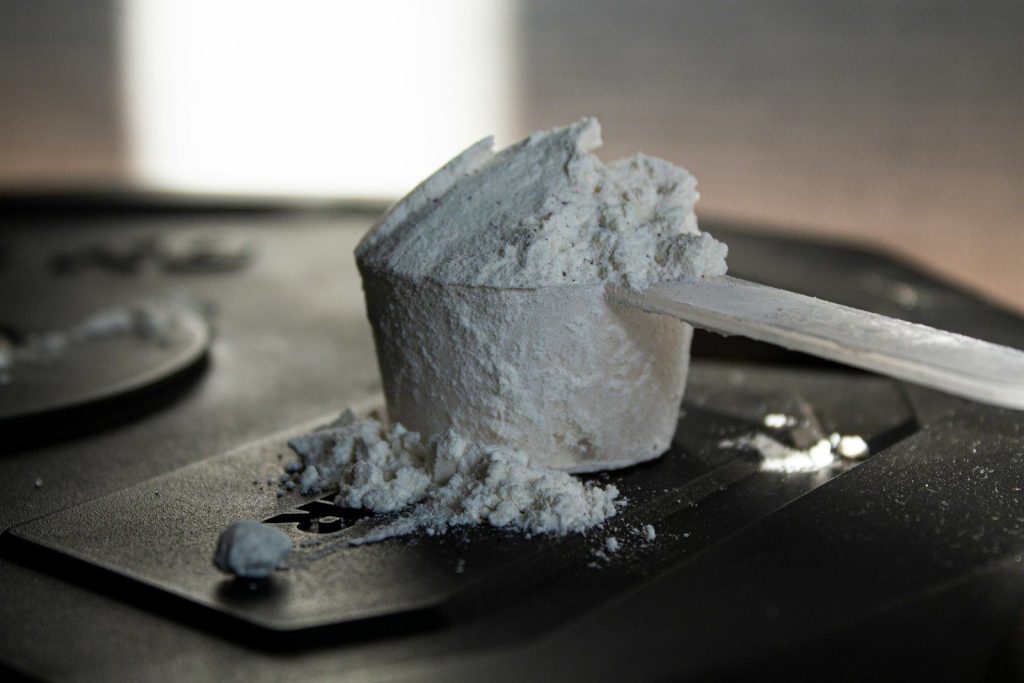
Spray cleaners slide right off greasy glass and evaporate before they have time to break anything down. A thick paste made from baking soda and a small amount of water clings to the surface, sits against the grease, and slowly loosens the bond between the buildup and the glass. Spreading it on and leaving it for at least twenty minutes before wiping gives it time to actually work.
A Flexible Cleaning Wand Reaches the Gap Without Disassembly
For anyone who does not want to take the door apart, a thin flexible cleaning wand threaded through the vent slots at the bottom of the oven door can reach the inner surface of the glass. Wrapping a damp microfiber cloth around the end and securing it with a rubber band creates a tool that can scrub the inside of the gap without removing a single screw.
White Vinegar Cuts Through the Greasy Film After the Paste Is Wiped Away
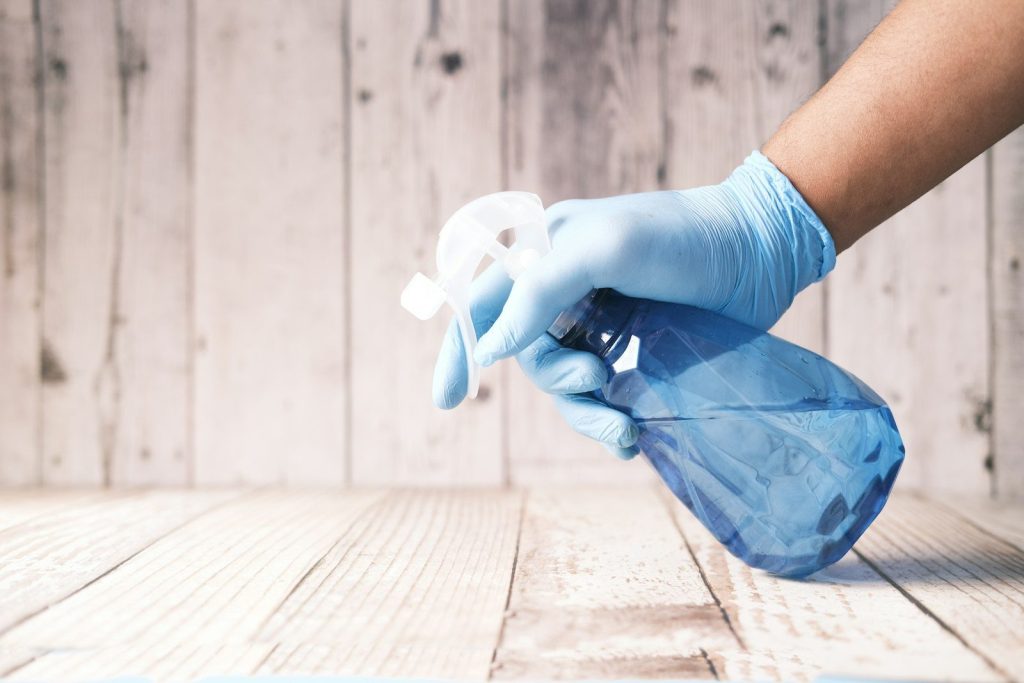
Baking soda lifts the heavy buildup but leaves a chalky residue behind on the glass. Spraying white vinegar over the same area after wiping creates a fizzing reaction that clears the residue and leaves the glass streak-free. The combination of the two in sequence does what neither one alone fully achieves.
The Vents Along the Door Bottom Are How Grease Gets In
The small slots running along the bottom edge of most oven doors are ventilation gaps that allow heat to escape, and they are also the exact route that steam and grease splatter travel to reach the space between the panels. Keeping the oven floor clean and wiping spills before they burn and vaporize is the most direct way to slow down how quickly that gap fills up again after cleaning.
Microfiber Cloths Leave No Lint or Streaks on Glass
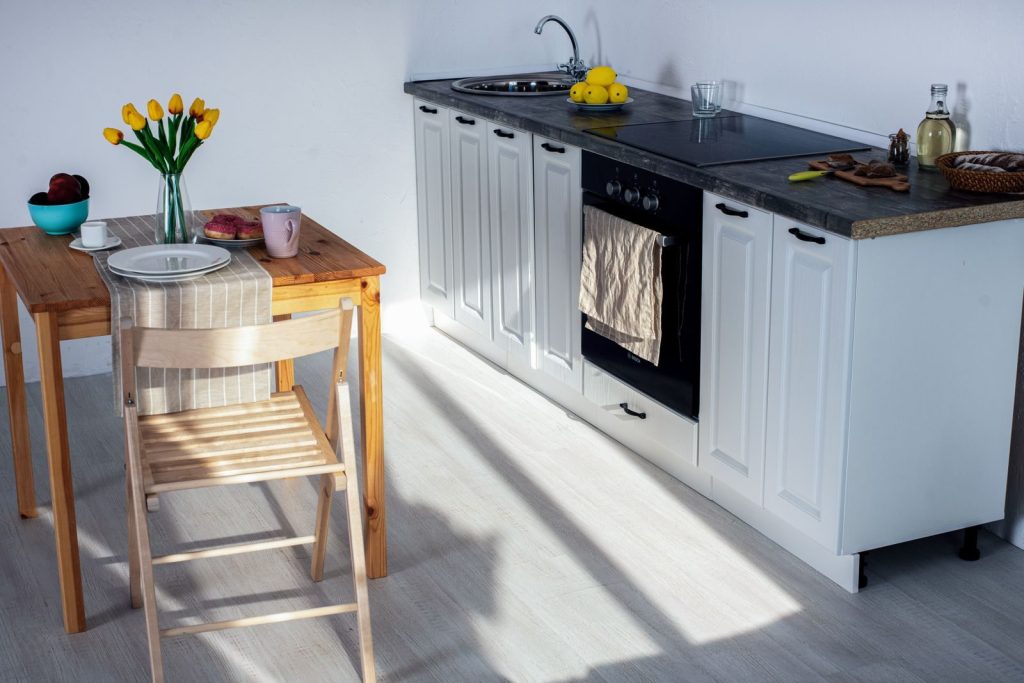
Paper towels and standard cleaning cloths leave lint and streaks behind on oven glass that are just as visible as the grease once the door is put back together and the oven light is on. A clean microfiber cloth used for the final wipe picks up every remaining particle without leaving anything behind, which is the difference between glass that looks clean and glass that actually looks clear.
Dish Soap and Warm Water: Handle the Rubber Seal Around the Door

The rubber gasket that runs around the inside edge of the oven door collects grease and residue just as the glass does, and most cleaning products are too harsh to use on it without causing the rubber to dry out and crack over time. A small amount of dish soap on a damp cloth cleans it thoroughly without damaging the material that keeps heat sealed inside the oven during cooking.
Cleaning Once a Month Prevents the Buildup From Ever Getting This Bad Again

The grease between oven glass panels only becomes a major project because it accumulates unaddressed over months or years. A quick wipe of the inner door surface and the vent area once a month takes less than five minutes and keeps the glass clear enough that disassembly never becomes necessary. Like most kitchen cleaning problems, frequency is far easier than intensity.
The Oven Was Not Designed to Stay That Greasy
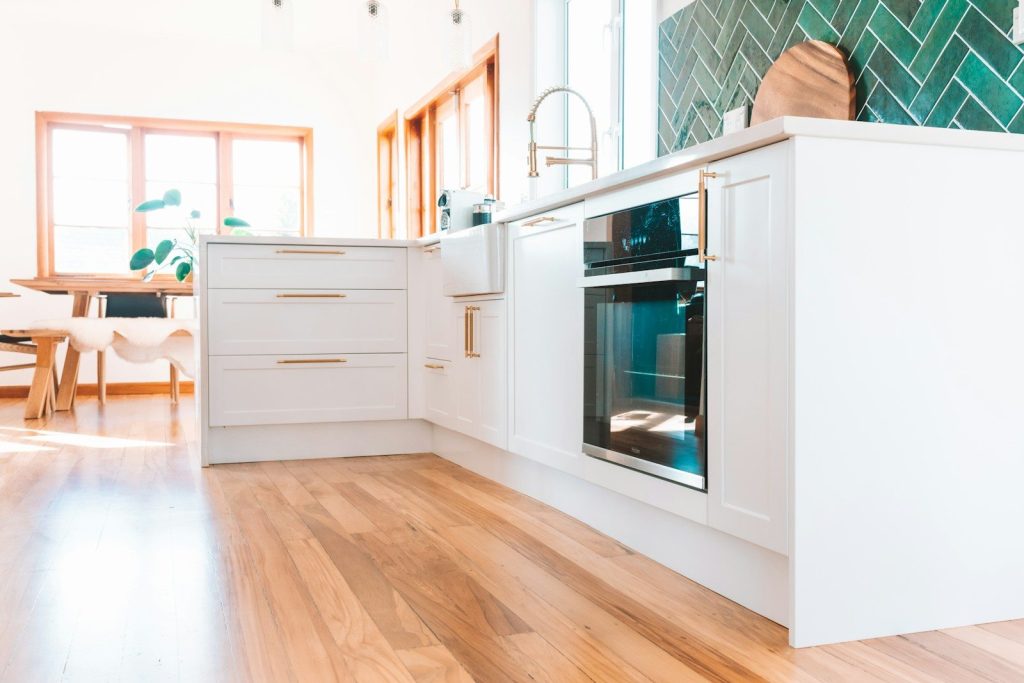
That cloudy layer between the glass is not an inevitable feature of a used oven, it is just a cleaning task that most people did not know they could tackle themselves. Once the access points are understood and the right combination of simple products is used in the right order, it turns out to be one of the more satisfying kitchen cleaning jobs there is, mainly because the before and after difference is impossible to miss.