

The science of living longer has quietly shifted away from extreme fitness culture and toward something far more accessible. Researchers are not finding the longest-lived people in gyms. They are finding them in villages where people squat to cook, walk to neighbours, carry groceries up hills, and move in small, unremarkable ways dozens of times a day. The exercises linked most strongly to longevity are not impressive to watch. They are almost embarrassingly simple. But the mechanisms behind them are fascinating, and the results over time are hard to argue with. Here are 8 that are genuinely worth knowing about.
The Sitting-Rising Test Is Both a Longevity Predictor and a Daily Exercise
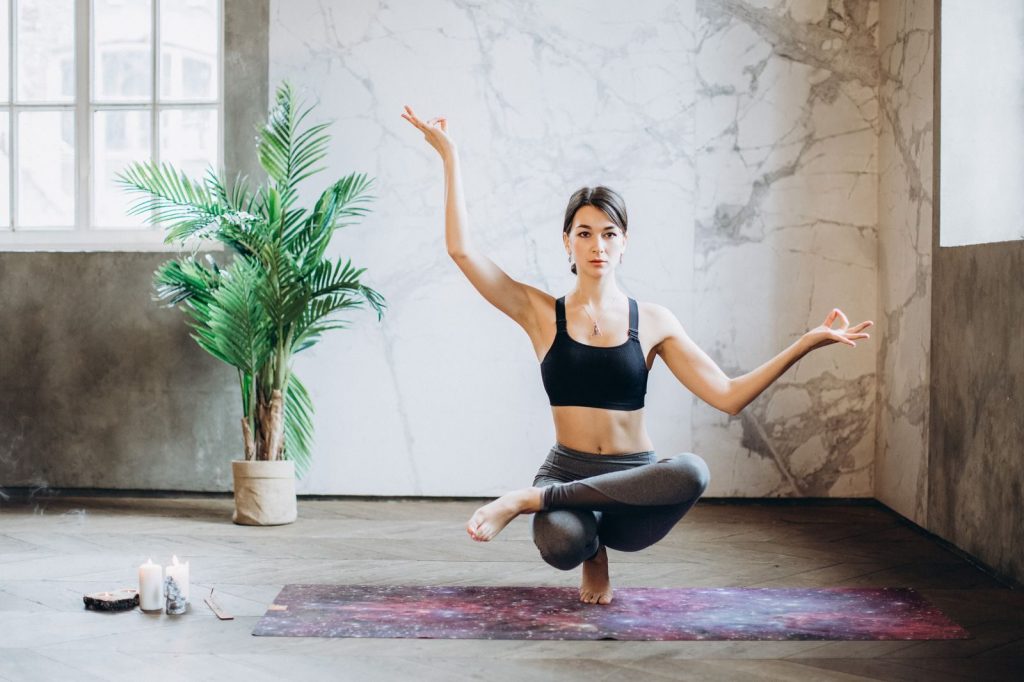
Brazilian physician Claudio Gil Araujo developed a simple test where you sit cross-legged on the floor and stand back up without using your hands, knees, or forearms for support. Each point of contact costs you points out of ten. Studies following thousands of adults found that people who scored lower on this test had significantly higher mortality rates over the following years. The remarkable thing is that practicing this movement daily actually improves your score over time and works on flexibility, balance, core strength, and coordination all at once. It takes under two minutes and tells you more about your physical age than most gym metrics ever will.
Rucking Is the Ancient Human Movement Modern Research Keeps Validating
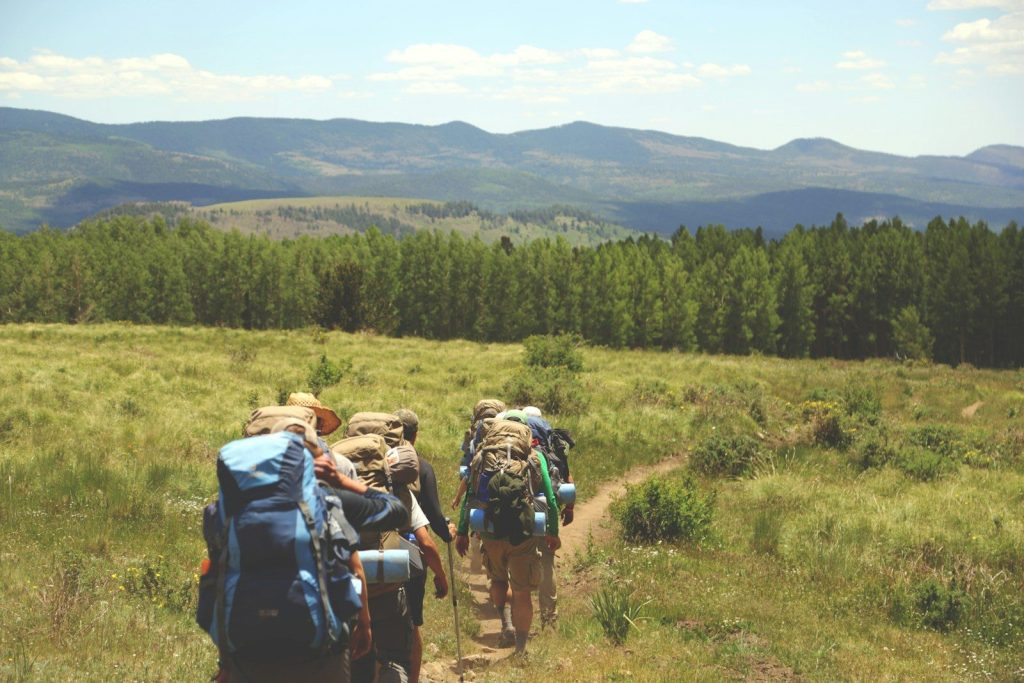
Rucking simply means walking with weight on your back and humans have been doing it for hundreds of thousands of years. What makes it interesting for longevity is that it sits in a sweet spot between cardio and resistance training without the joint stress of running or the gym requirement of weightlifting. Carrying even a light backpack on a regular walk changes the muscular demand on your posterior chain, improves posture, increases caloric output, and builds the kind of functional strength that keeps people physically capable well into old age. Special equipment is not needed. A bag with a few books works perfectly to start.
Dead Hangs Are Two Minutes of Work That Decompress a Lifetime of Sitting
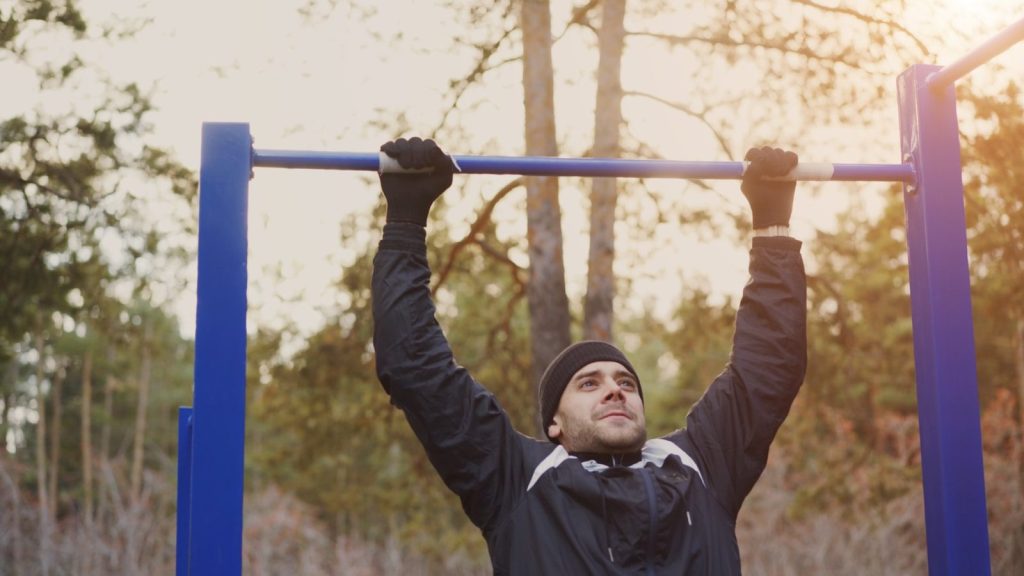
Hanging from a bar with a relaxed grip for as long as you can hold it is one of the most underused exercises in the context of longevity. Most adults spend the majority of their day compressing their spine, rounding their shoulders, and shortening the muscles of their chest and hip flexors. A dead hang reverses almost all of that in one movement. It decompresses the spine, opens the shoulder girdle, lengthens the lats, and builds grip strength simultaneously. Researchers studying shoulder and spine health in aging populations have increasingly pointed to overhead hanging as one of the most bang-for-your-buck movements available to anyone with access to a bar.
Toe Spacer Exercises Sound Trivial Until You Understand What Your Feet Control
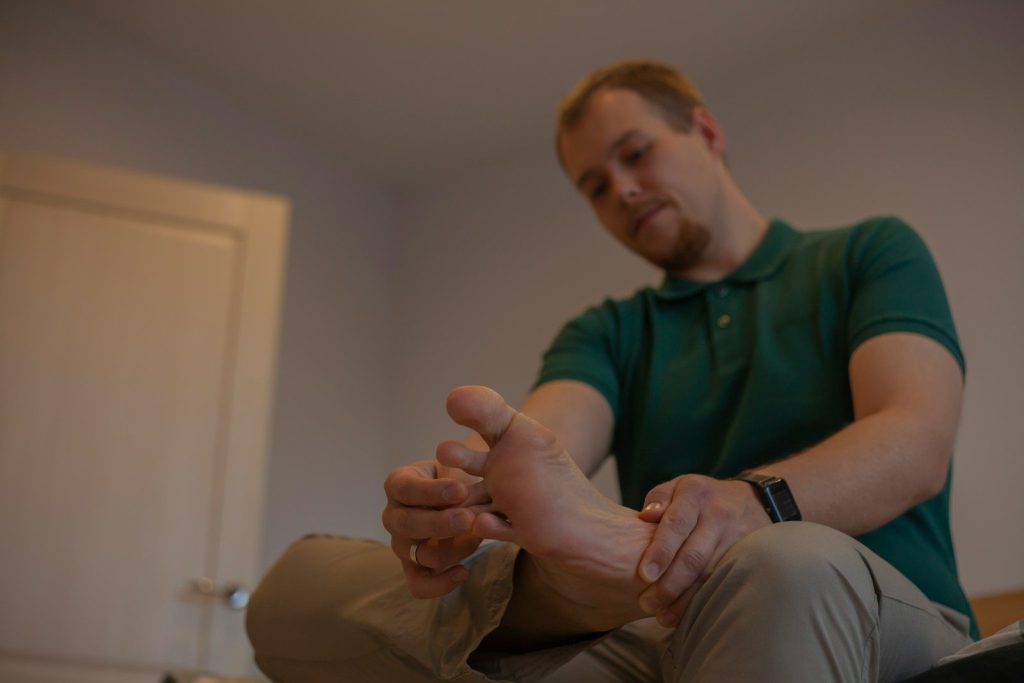
The feet are the foundation of almost every movement the body makes and yet most people spend their entire lives compressing their toes into narrow shoes. Researchers studying fall prevention and balance in older adults have consistently found that foot strength and toe mobility are among the most overlooked contributors to stability and independence. Simply spreading your toes as wide as possible, lifting each toe individually, and doing short-foot exercises where you scrunch the arch without curling the toes can rebuild foot strength that has been quietly lost over decades. Strong, mobile feet change balance, gait, and joint alignment all the way up the chain.
Farmer Carries: Build the Functional Strength That Actually Keeps You Independent
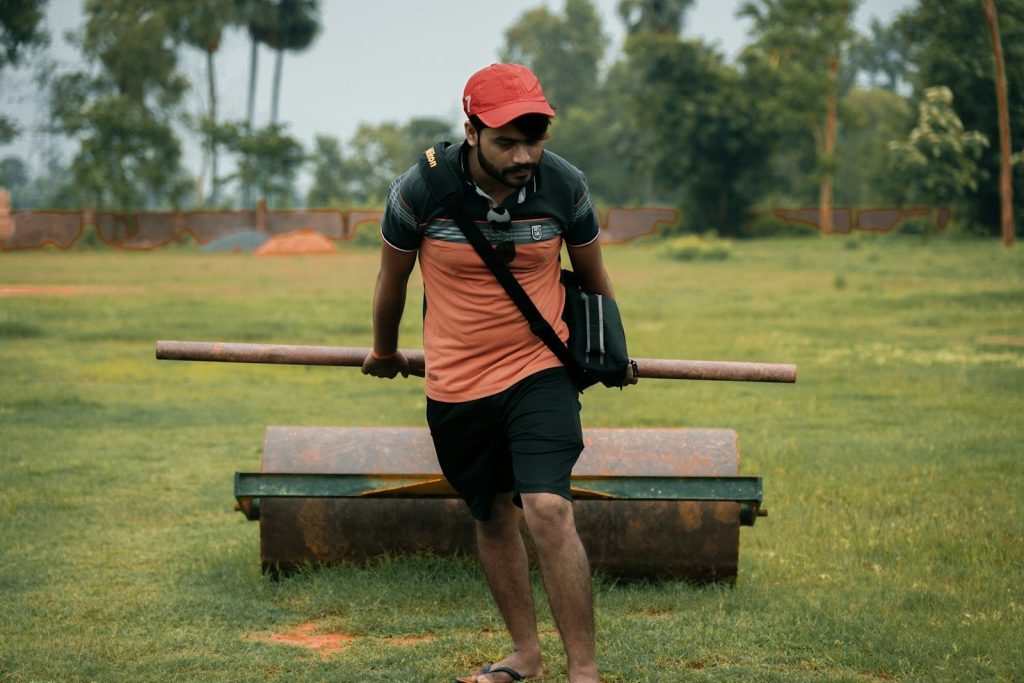
Pick up something heavy in each hand and walk with it. That is the entire exercise. Farmer carries are essentially the human body doing what it evolved to do and they train grip strength, core stability, shoulder integrity, and cardiovascular endurance simultaneously. What makes them specifically relevant to longevity is that they replicate exactly the kind of functional strength needed to carry groceries, luggage, grandchildren, and yourself through daily life as you age. Studies on older adults consistently show that the ability to carry load through space is one of the strongest predictors of continued physical independence.
Backwards Walking Is One of the Strangest and Most Effective Brain-Body Exercises
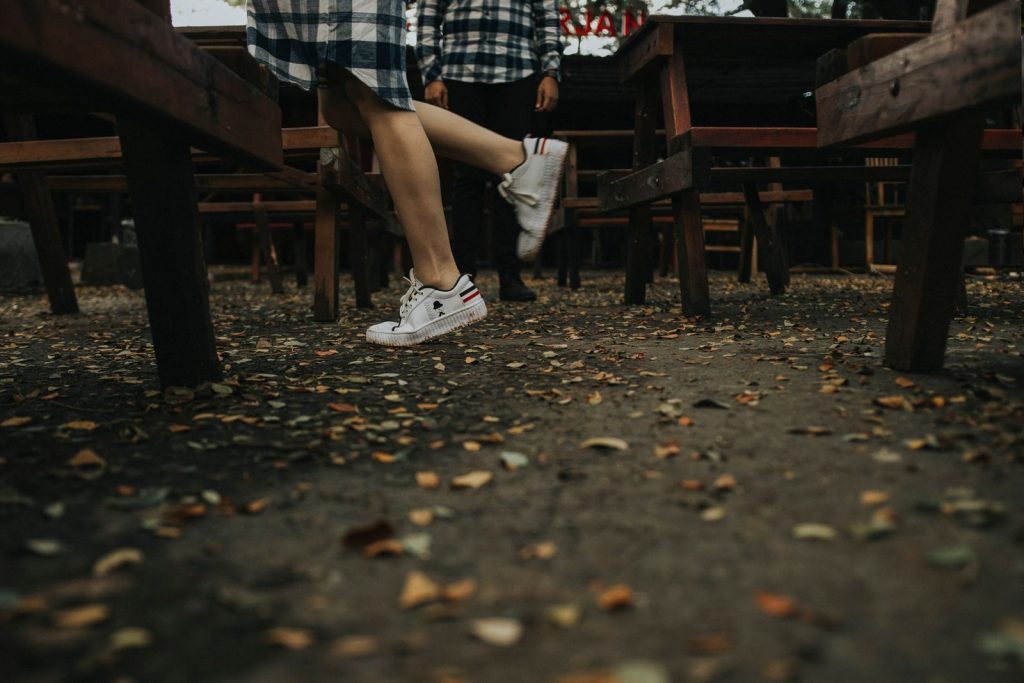
Walking in reverse sounds like a gimmick until you look at what it actually does. Retro walking, as researchers call it, activates different muscle patterns than forward movement, places the body in an unfamiliar coordination challenge, and forces the brain to work harder to process spatial information without visual confirmation of what is behind you. Studies have found it particularly effective for knee health, balance improvement, and cognitive engagement. In populations practicing it regularly as part of aging research, it has shown up as a surprisingly potent tool for keeping the connection between the brain and the body sharp over time.
The Jefferson Curl Is the Spine Mobility Exercise Most People Have Never Heard Of
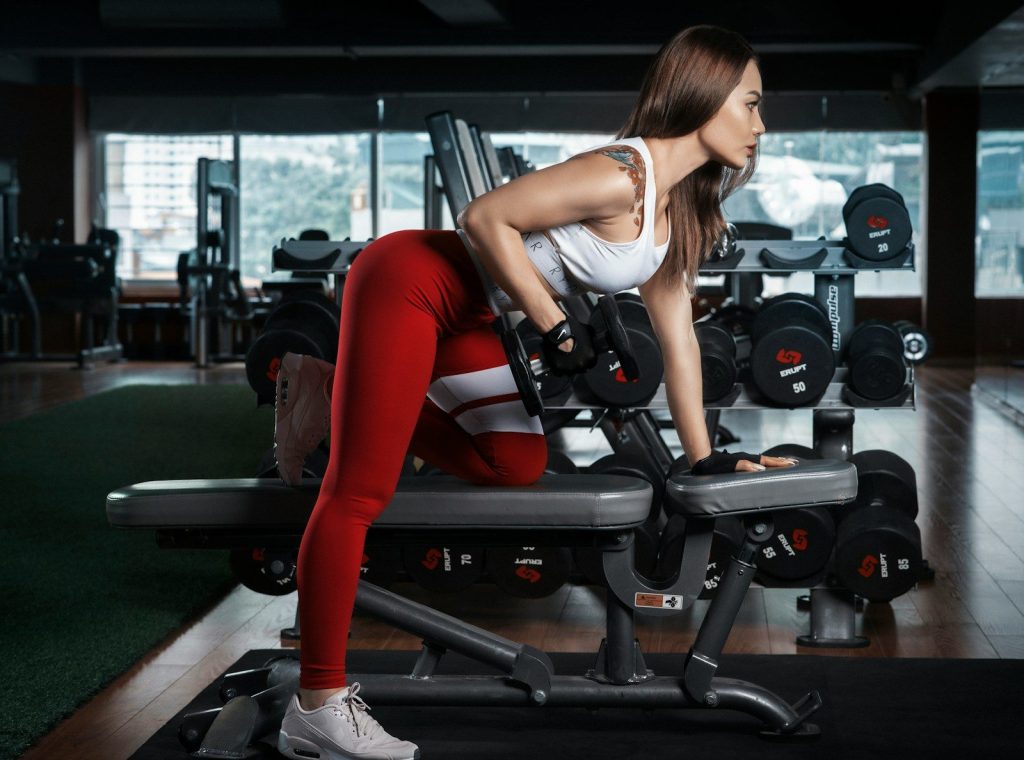
Most exercise culture treats spinal flexion as something to avoid, but the spine is designed to move in all directions and losing that range of motion is one of the clearest markers of physical ageing. The Jefferson curl involves slowly rolling the spine down vertebra by vertebra toward the floor while holding a light weight, then rolling back up with the same deliberate control. Done slowly and with a very light load, it builds active flexibility through the entire posterior chain and keeps the discs of the spine hydrated and mobile. Physical therapists and movement researchers who focus on longevity have increasingly been pointing to controlled spinal flexion exercises like this one as essential missing pieces in most people’s routines.
Nasal Breathing During Exercise Changes How Your Body Responds to Effort Over Time
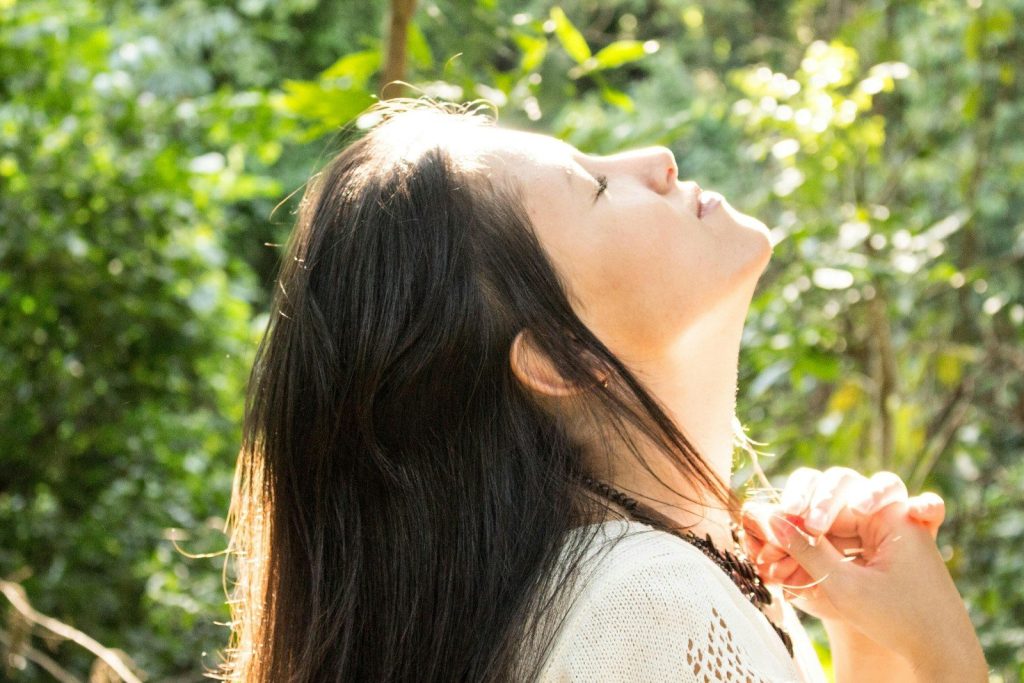
This one is about not what you do but how you breathe while doing it. Breathing exclusively through the nose during low to moderate intensity exercise forces the body to work more efficiently with oxygen, trains the diaphragm, and keeps the nervous system in a calmer state during physical effort. Researchers and longevity practitioners have noted that habitual nasal breathers tend to recover faster, sleep better, and maintain lower resting heart rates over time. The transition is uncomfortable at first and requires slowing down your pace initially. But people who stick with it for a few weeks consistently report that their comfortable exercise intensity increases without the effort feeling harder.
The Body Does Not Ask for Much, It Just Asks for Consistency in the Right Places
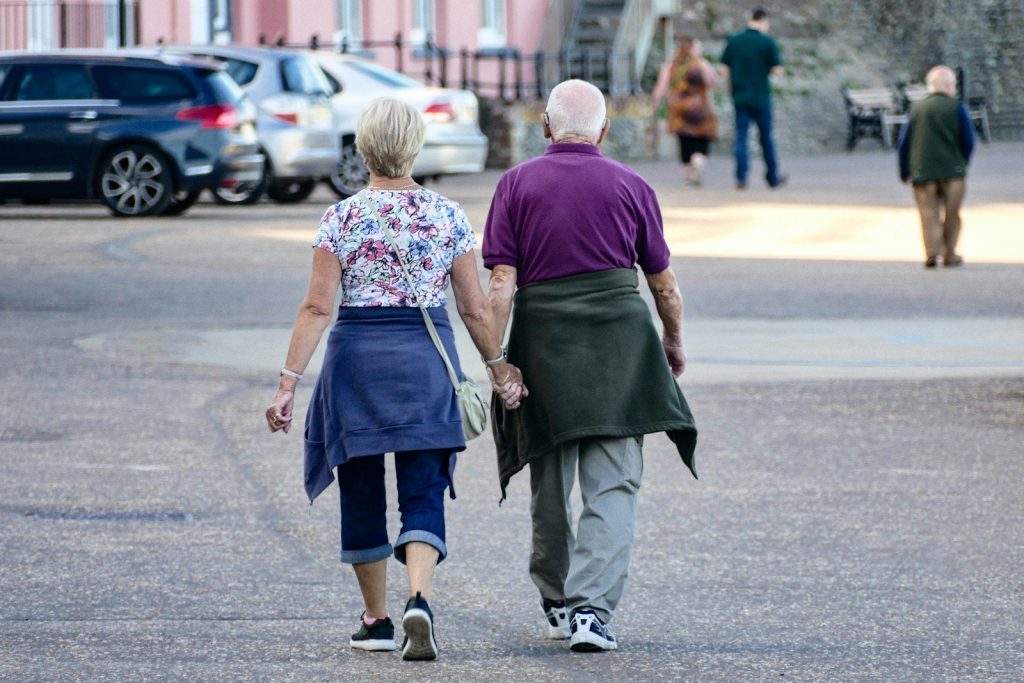
None of these exercises will make headlines or fill a highlight reel. But that is exactly the point. The most durable physical habits are the ones that fit quietly into a life and stay there for decades. A dead hang here, a backward walk there, a floor sit in the evening. Small movements practiced consistently over years add up to something that matters deeply when it counts most. The goal was never to look impressive doing it. The goal is to still be doing it twenty years from now.