

Creeping Charlie has a reputation for showing up in one corner of a lawn and quietly spreading into everything around it before anyone notices. Part of what makes it so persistent is that most of the usual weed advice does not account for how it actually grows and spreads underground. These hacks focus on what genuinely interrupts that process, rather than just dealing with what is visible on top.
Crush a Leaf Before You Pull Anything

Creeping Charlie belongs to the mint family, and crushing one of its small, scalloped leaves releases an unmistakable minty smell. This simple test helps confirm what you are dealing with before reaching for any treatment, since several other ground covers look similar at a glance but respond to completely different removal methods.
Borax Is the One Product With an Actual Track Record Against It
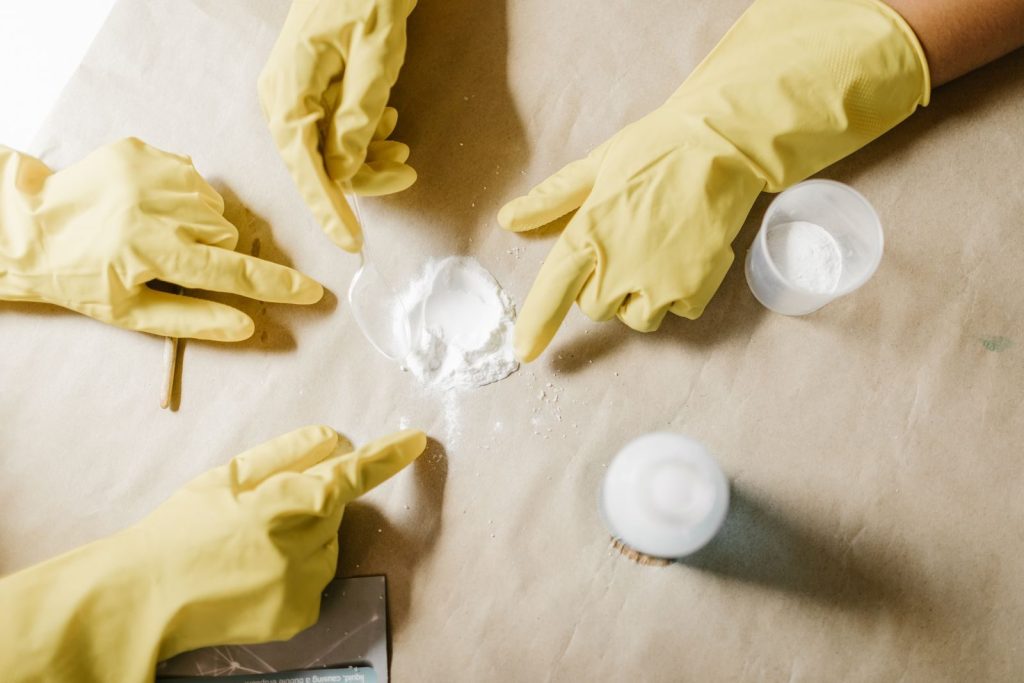
Unlike many lawn weeds, Creeping Charlie has a documented sensitivity to boron. A diluted borax solution applied to affected areas in early spring has been used for decades as a targeted treatment, though it needs to be mixed carefully and used sparingly since too much boron can affect surrounding grass and plants as well.
A Thicker Lawn Leaves It With Nowhere to Land

Creeping Charlie spreads most aggressively into lawns that are thin, patchy, or recently disturbed, where bare soil gives it room to root. Overseeding bare patches and mowing at a slightly higher height so grass blades shade the soil surface makes it much harder for new growth to establish in the first place.
Pull It After Rain, Never When the Soil Is Dry

The roots of Creeping Charlie sit just below the surface but spread in a dense mat that grips dry soil tightly. After a rain or a good watering, the same roots lift out far more easily, often in long sections rather than breaking apart and leaving pieces behind to regrow.
Skip the Tiller, It Multiplies the Problem

Tilling or rototilling an area with Creeping Charlie chops its spreading stems into dozens of small pieces, and nearly every piece is capable of rooting and growing into a brand new plant. What looks like clearing the area often turns one patch into ten within a few weeks.
Less Shade Makes the Area Less Inviting

Creeping Charlie thrives in shaded, damp conditions where grass tends to struggle anyway. Thinning out overhanging branches or trimming back nearby shrubs to let more light reach the ground gives grass a better chance to compete and makes the space less ideal for it to spread into.
Mulch Garden Beds Before It Gets a Foothold

Garden beds bordering a lawn are often where Creeping Charlie gets its first foothold before working its way further in. A solid layer of mulch over open soil in these beds blocks the light it needs to establish and makes any stray runners easy to spot and remove before they take root.
Plan for More Than One Season
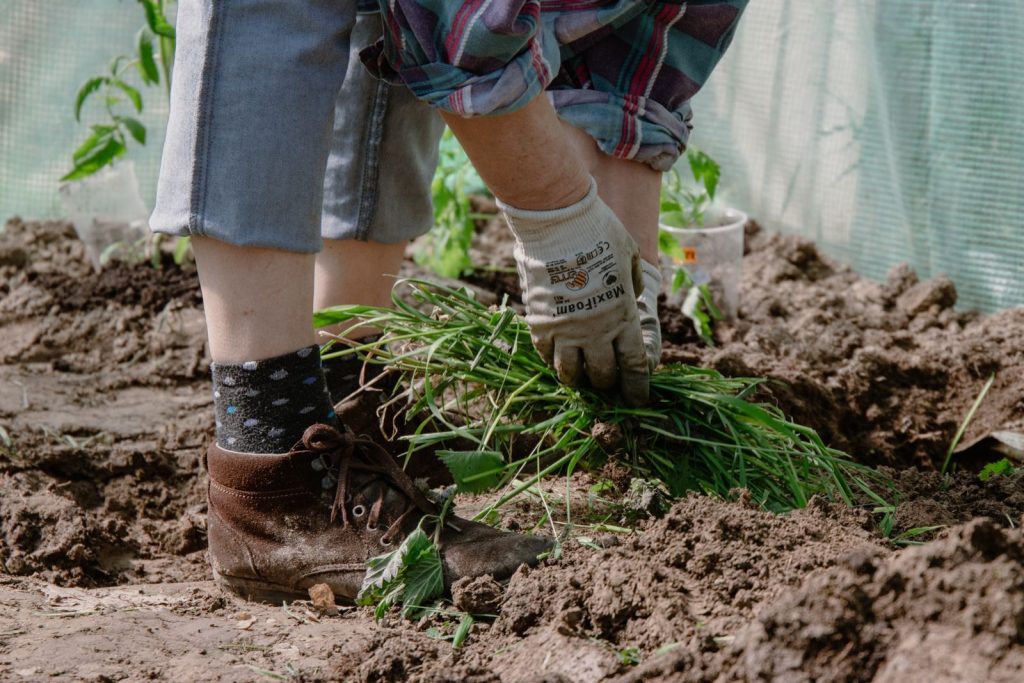
Creeping Charlie’s root system typically survives a single round of treatment, even when the visible plant appears to be gone. Most removal methods need to be repeated over a full growing season, sometimes longer, before the underground network is fully exhausted and stops sending up new growth.
Patience Beats Any Single Fix

Creeping Charlie rarely responds to a one-time treatment, no matter how effective that treatment seems at first. The most successful approach combines a few of these methods together, applied consistently over time, while also making the lawn and garden beds around it less hospitable to begin with. Once the conditions it depends on disappear, so does most of its ability to come back.