

Nutrition experts often have access to the same foods as everyone else. The difference is that many of them rely on small habits and smart shortcuts that make healthy eating easier, reduce food waste, and simplify meal prep. These practical food hacks are inspired by the strategies nutrition professionals often use in their own kitchens to save time while getting more out of everyday ingredients.
Freeze Grapes For A Naturally Sweet Snack

Frozen grapes develop a refreshing, almost sorbet-like texture that makes them feel like a treat.
Many people enjoy them straight from the freezer during warm weather or when a sweet craving strikes.
Add Sauerkraut To Sandwiches Instead Of Extra Condiments
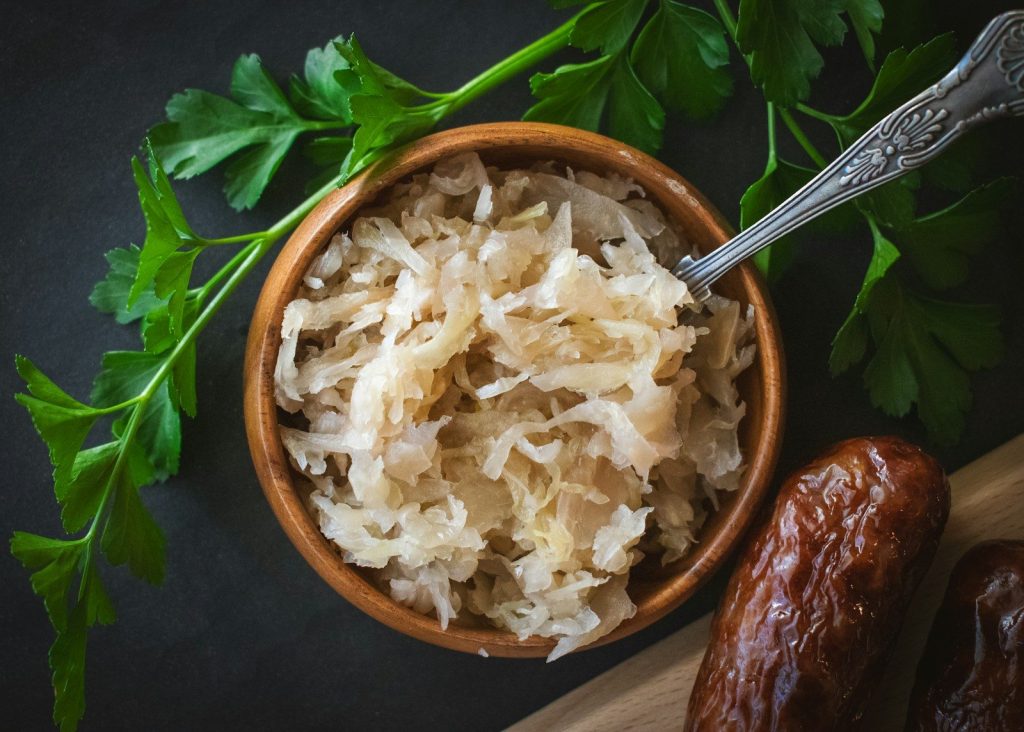
Sauerkraut can add crunch, flavor, and tanginess without relying entirely on mayonnaise-based spreads.
A spoonful on sandwiches, wraps, or grain bowls is an easy way to change up familiar meals.
Keep Roasted Chickpeas Ready For Snacking
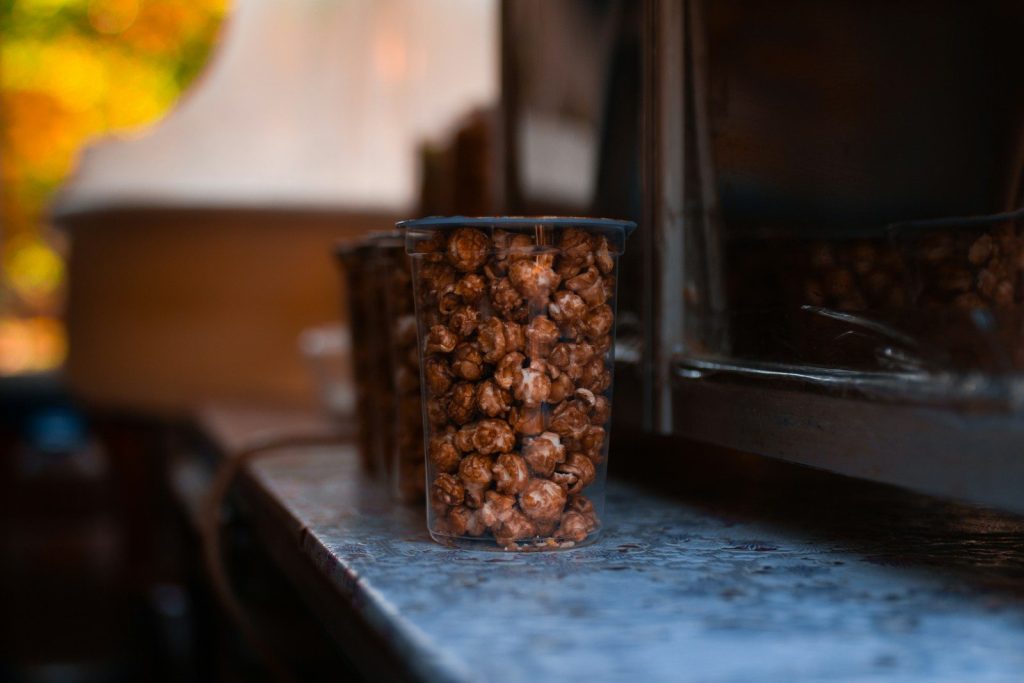
Roasted chickpeas provide a crispy texture that many people enjoy as an alternative to chips.
They can also be sprinkled over soups and salads for extra crunch.
Blend Cottage Cheese Into Pasta Sauces
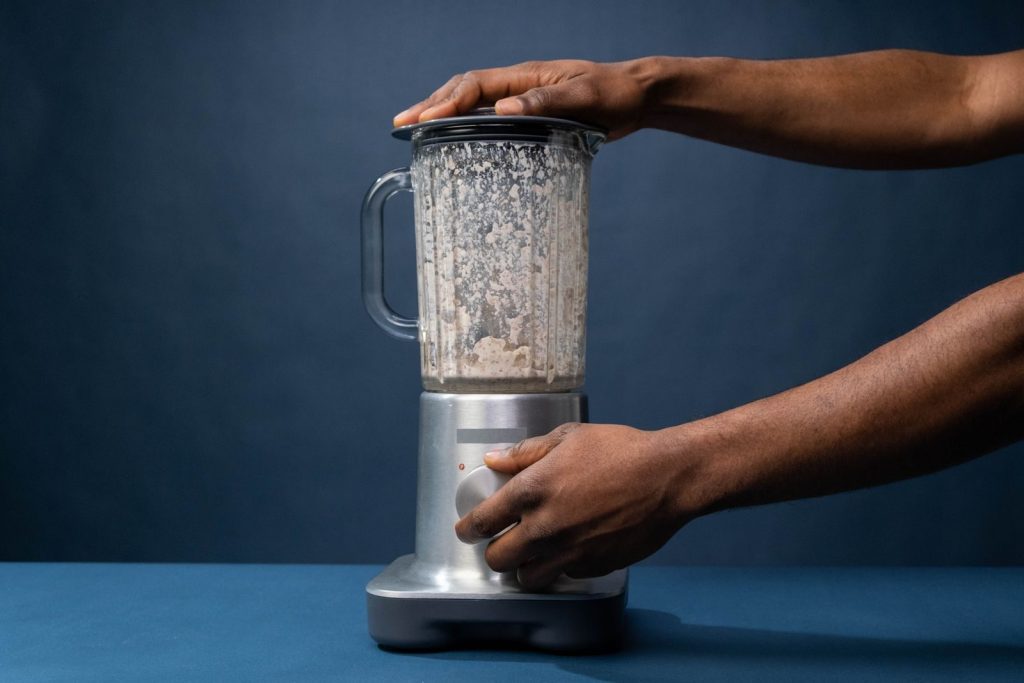
Cottage cheese can be blended into a smooth, creamy sauce that works surprisingly well with pasta.
Many home cooks use this trick to create rich textures while keeping ingredients simple.
Store Citrus Fruits In The Refrigerator
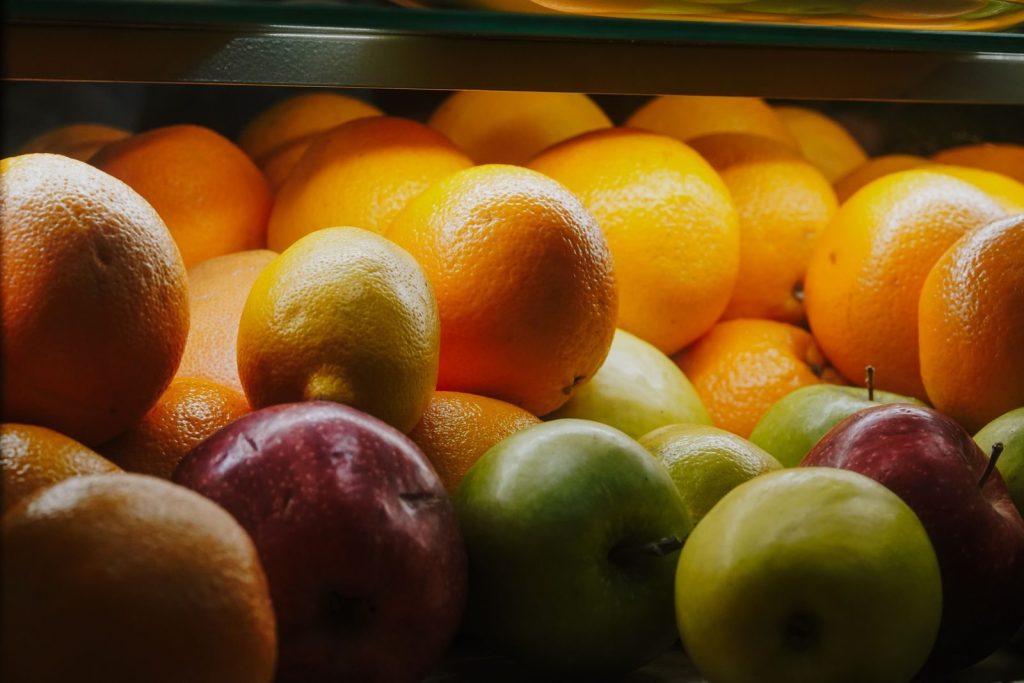
Lemons, limes, and oranges can often stay fresh longer when refrigerated.
This simple storage habit may help reduce waste and keep fruit available when you need it.
Freeze Watermelon Cubes For Drinks And Smoothies
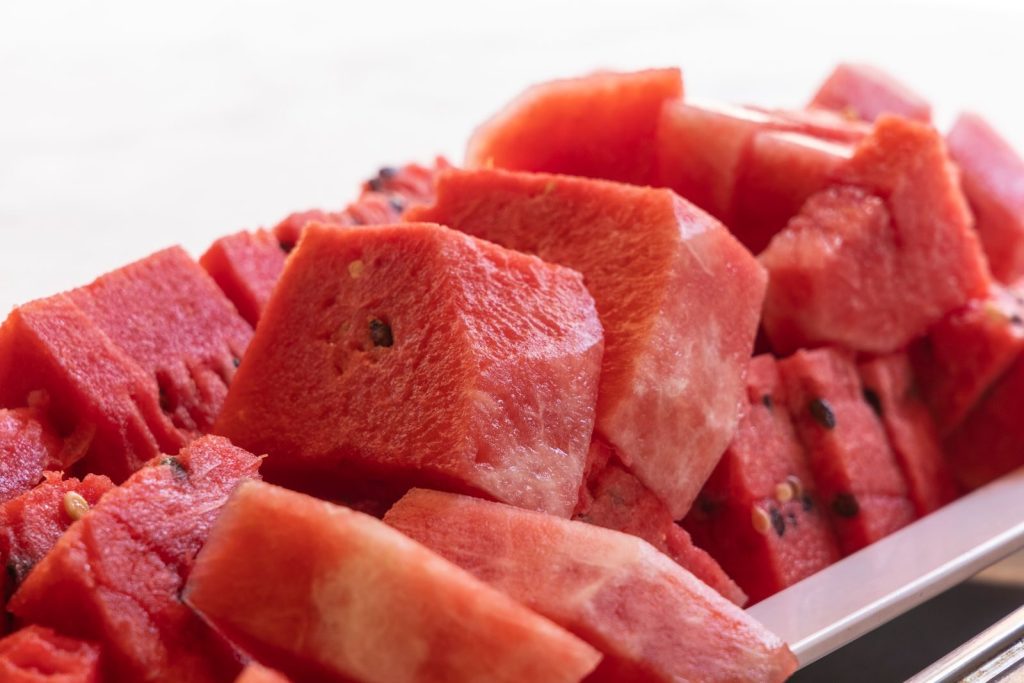
Instead of letting leftover watermelon go soft in the refrigerator, freeze it in cubes.
The frozen pieces can chill drinks, blend into smoothies, or become a refreshing snack on their own
Create A Freezer Bin For Soup Ingredients
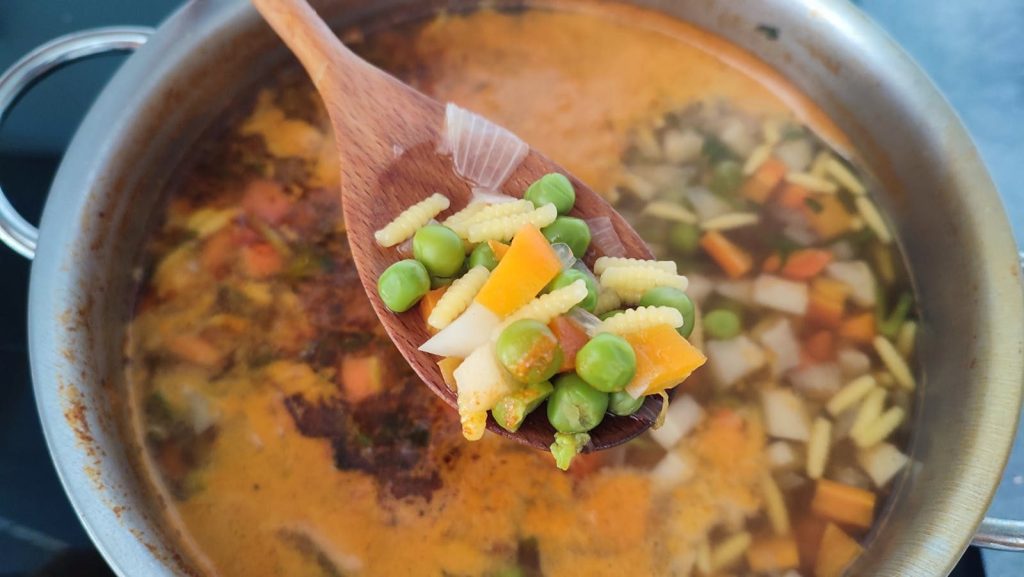
Vegetable scraps such as carrot peels, celery tops, onion ends, and herb stems can be collected in a freezer container.
Once full, they can be used to make homemade broth instead of being discarded.
Roast A Week’s Worth Of Vegetables At Once
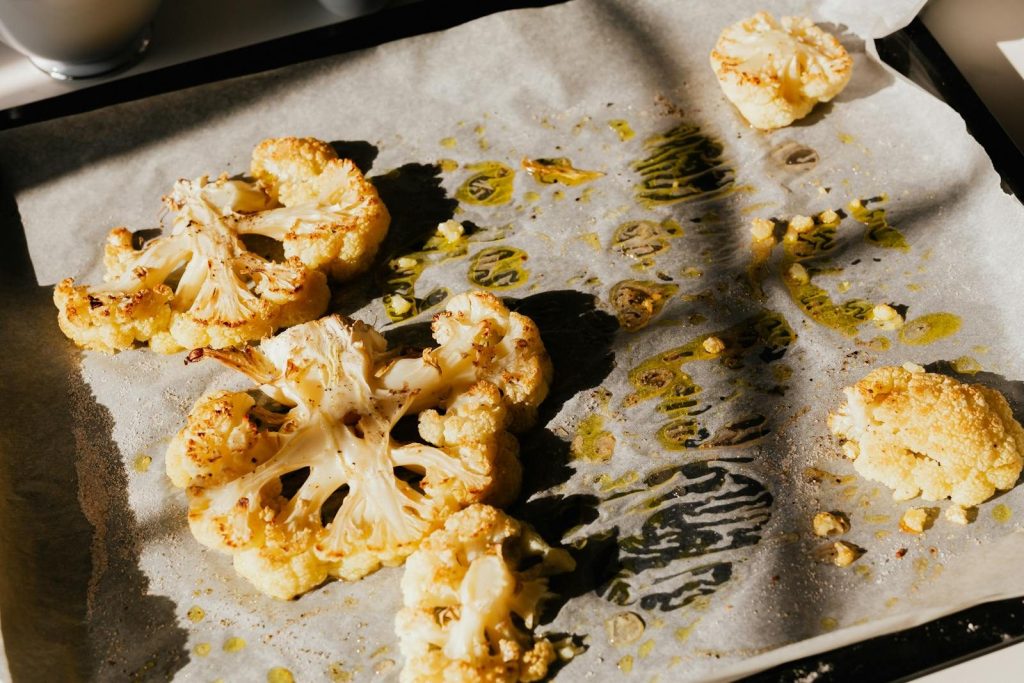
Many nutrition experts simplify meal prep by roasting multiple vegetables on a single sheet pan.
Having ready-to-eat vegetables in the refrigerator can make lunches and dinners easier to assemble throughout the week.
Smart Food Habits Often Beat Complicated Diets
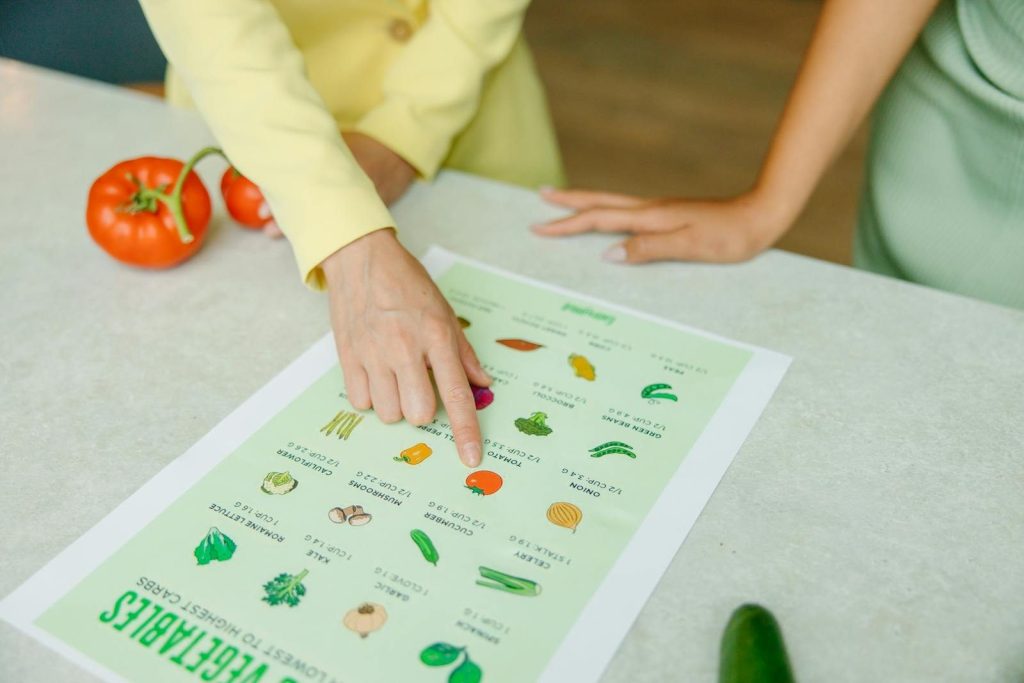
Healthy eating does not always require expensive ingredients or elaborate meal plans. Often, it comes down to practical habits that reduce waste, save time, and make nutritious choices more convenient. These simple food hacks show how small changes in the kitchen can make everyday eating a little easier.