

Corn on the cob is one of those summer staples that most people assume they already know how to cook perfectly. But overcooked corn that turns chewy and starchy or undercooked corn that never quite loses its raw edge are far more common than they should be, and both problems come down to the same misunderstanding about timing, water temperature, and what fresh corn actually needs. Here is what makes the difference between corn that is merely fine and corn that tastes exactly the way summer is supposed to.
The Ideal Boiling Time Is Shorter Than Most People Think
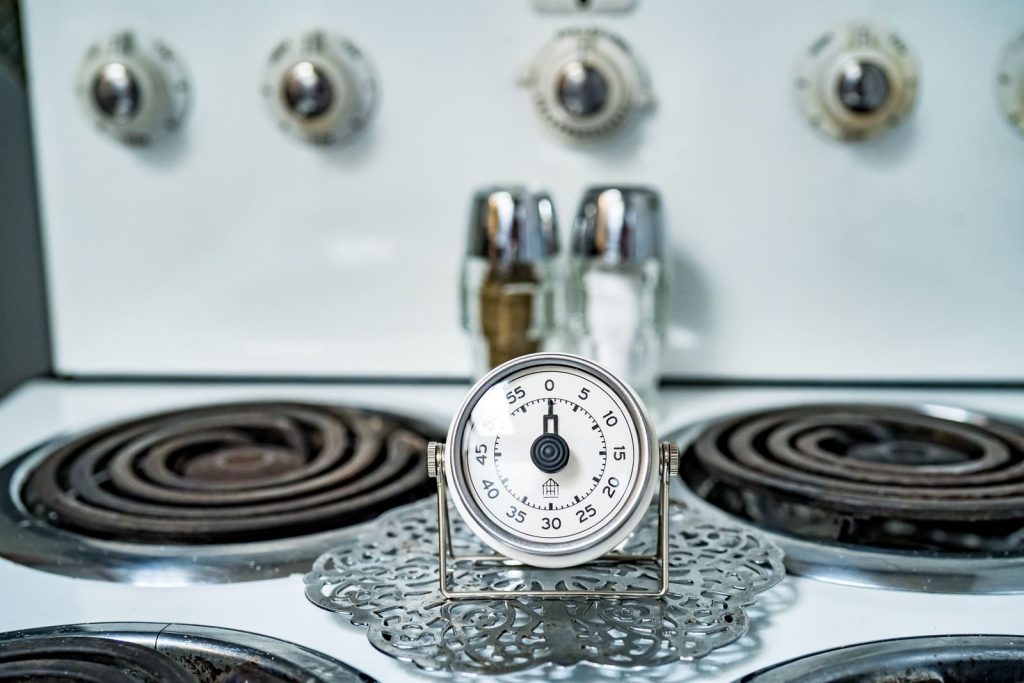
Fresh corn on the cob only needs three to five minutes in fully boiling water to reach the sweet spot where the kernels are tender, juicy, and cooked all the way through. Most people boil it for ten to fifteen minutes out of habit and end up with starchy, mushy kernels that have lost most of the natural sweetness the corn had when it went in. The fresher the corn, the shorter the cooking time it needs.
Always Start With Already Boiling Water, Not Cold
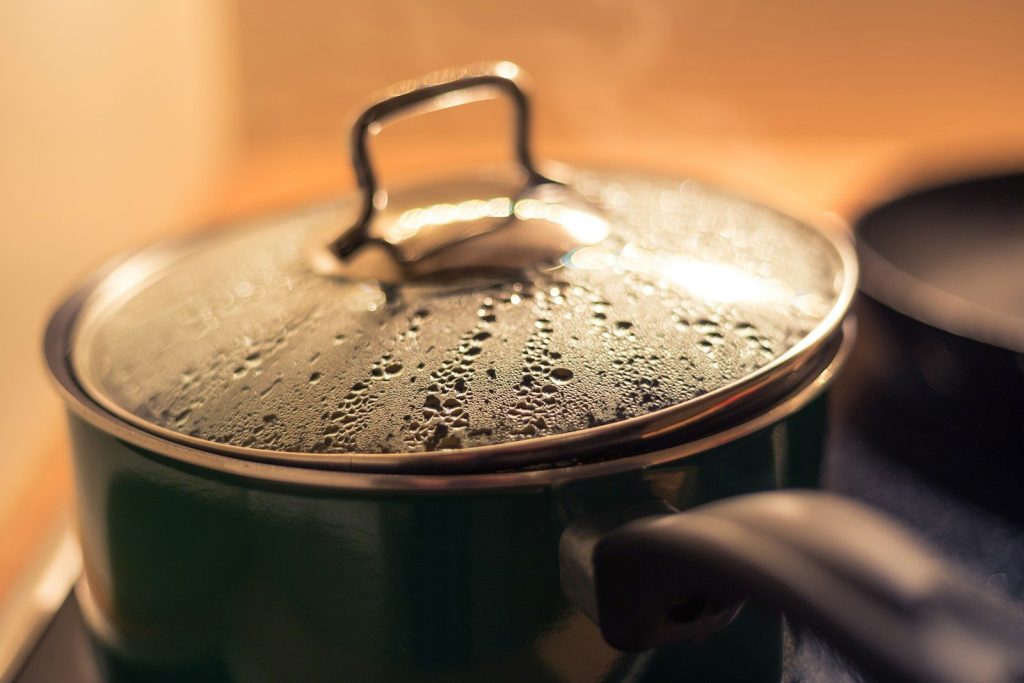
Placing corn into cold water and bringing it to a boil together means the corn spends several minutes cooking at the wrong temperature before the water ever reaches a full boil. That uneven heat exposure toughens the kernels before they ever get a chance to cook properly. Waiting until the water is at a full rolling boil before adding the corn gives an accurate starting point and more consistent results every single time.
Skip the Salt in the Water and Add It After
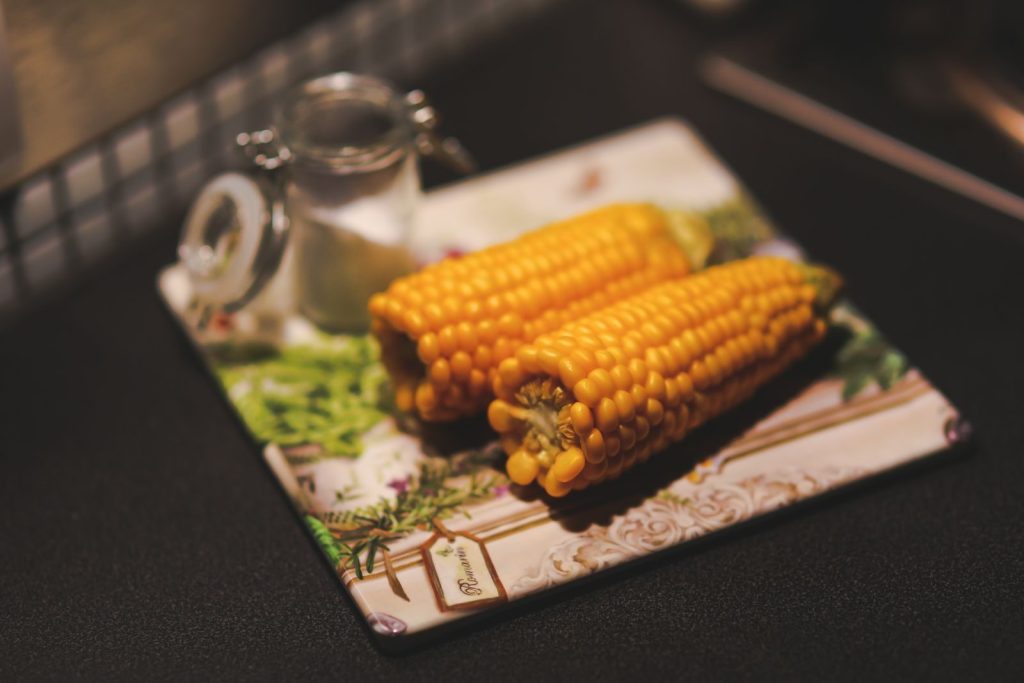
Salt added to boiling water before the corn goes in draws moisture out of the kernels during cooking, which toughens them rather than keeping them tender. Salting the water is the right move for pasta, but the wrong one for corn. Saving the salt for after cooking, applied directly to buttered corn, keeps the kernels as juicy as possible throughout the entire cooking process.
A Pinch of Sugar in the Water Revives Corn That Is Not Perfectly Fresh

Corn begins converting its natural sugars to starch the moment it is picked, which is why corn eaten the same day it is harvested always tastes sweeter than store-bought. Adding a small pinch of sugar to the boiling water before cooking compensates for that lost sweetness and brings store-bought corn noticeably closer to the flavor of freshly picked corn without any extra effort.
Milk in the Water Is the Old Trick That Makes Corn Taste Richer
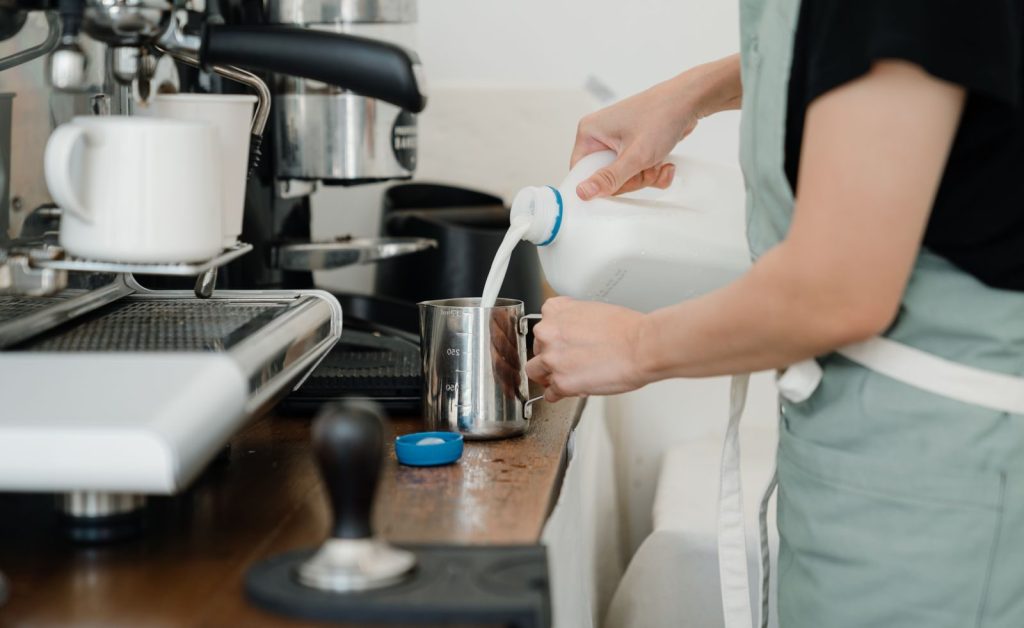
Adding a splash of whole milk to the boiling water alongside the corn is a technique passed down through generations of home cooks that most people have never heard of. The milk adds a subtle richness to the kernels as they cook and enhances the natural creaminess of fresh corn in a way that plain water simply cannot replicate. It sounds unusual, but the difference it makes is immediately noticeable.
Soaking Corn in the Husk Before Grilling Beats Boiling for Flavour
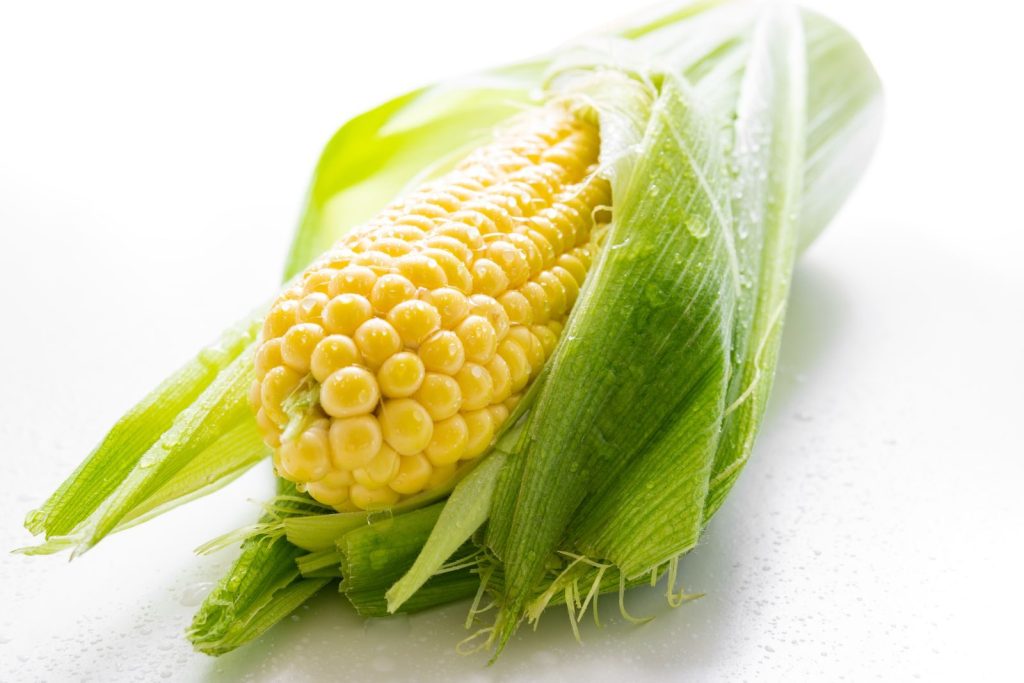
For anyone with access to a grill, soaking whole ears of corn still in their husks in cold water for thirty minutes and then grilling them directly on the grate produces a steamed, smoky result that boiling cannot come close to matching. The husk acts as a natural wrapper that traps steam and keeps the kernels moist while the outside chars slightly and adds a depth of flavor unique to this method.
Check Freshness Before You Boil by Feeling the Husk

Fresh corn has tightly packed, slightly moist husks that feel firm and cool to the touch, with silk at the top that is slightly sticky rather than dry. Dry, loose husks or silk that has turned completely brown and papery are signs the corn has been sitting long enough that its sugars have already started converting to starch. No amount of technique fully compensates for corn that was not fresh to begin with.
Leftover Corn on the Cob Reheats Best in the Microwave With a Damp Paper Towel
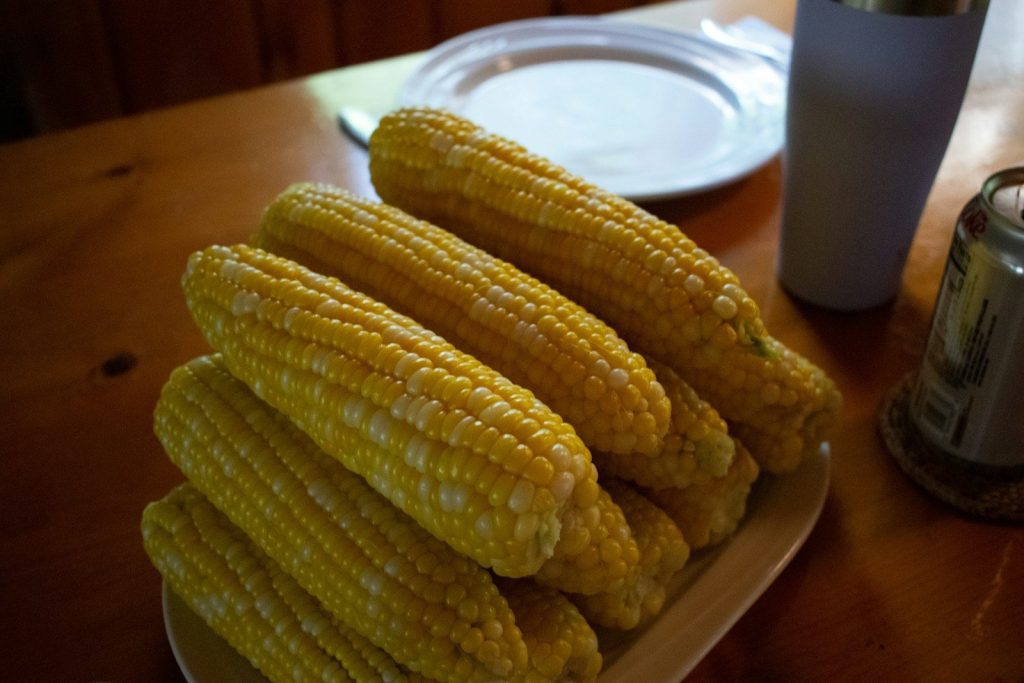
Boiling leftover corn a second time pushes it past the point of no return very quickly and leaves the kernels waterlogged and tough. Wrapping the ear in a damp paper towel and microwaving for sixty to ninety seconds reheats it gently without any additional water loss, keeping the kernels as close to freshly cooked as leftover corn can reasonably get.
Perfect Corn Was Always Three Minutes Away
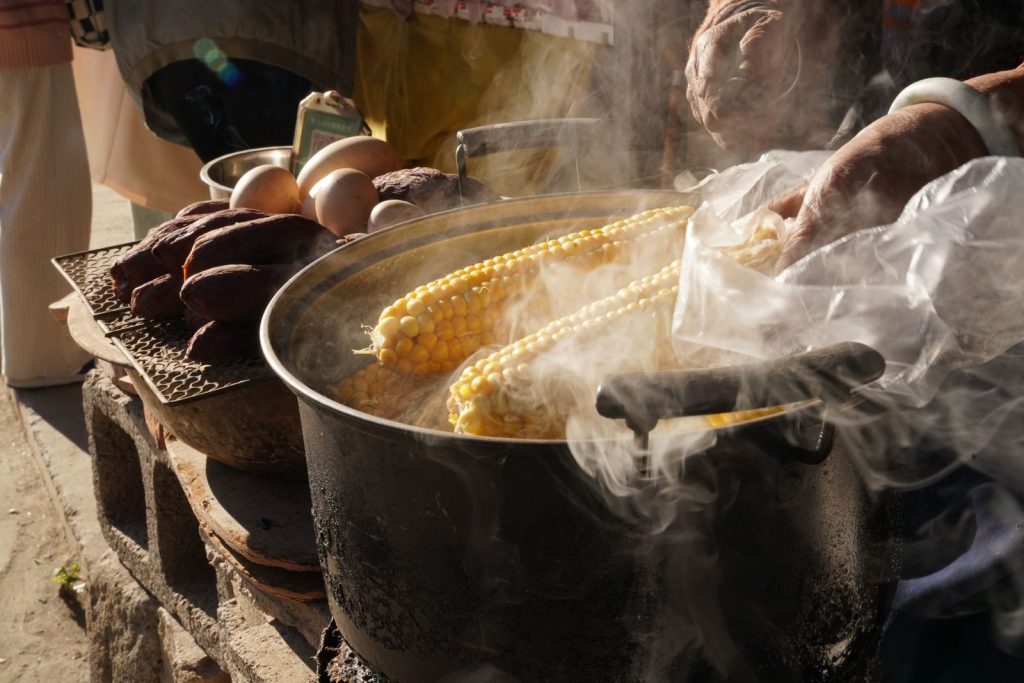
The gap between overcooked corn and perfect corn is usually just a few minutes and a handful of small decisions made before the ear ever hits the water. Fresh corn, already boiling water, the right timing, and one or two small additions to the pot are all it takes to make something that most people eat all summer long taste significantly better than it ever has before.