

Most people assume that mental sharpness after 50 is simply a matter of genetics or luck, something that either holds or it does not. But neuroscientists have been quietly building a very different case for years. The brain at 50, 60, and even 70 is far more adaptable than anyone used to believe, and certain hobbies do not just keep it occupied, they physically change its structure, build new neural pathways, and slow the very processes most people assume are inevitable. The hobby matters less than most people think. How it challenges the brain is everything.
Learning a Musical Instrument Rewires More of the Brain Than Almost Any Other Activity

Playing an instrument forces the brain to process sound, translate it into physical movement, read notation, and self-correct in real time, all simultaneously. Neuroscientists at Baycrest Health Sciences found that musicians over 60 showed significantly stronger neural responses to sound than non-musicians the same age. The instrument does not matter. Even six months of consistent piano or guitar practice at 50 produces measurable structural changes in the areas of the brain responsible for memory and processing speed.
Learning a Second Language Is the Closest Thing to a Cognitive Insurance Policy

Bilingualism does not prevent dementia but studies consistently show it delays the onset of symptoms by an average of four to five years in people who develop it. The reason is that switching between two languages keeps the prefrontal cortex, the part of the brain responsible for executive function and decision making, in a constant low level workout that no other single activity replicates at the same intensity. Starting at 50 still produces measurable protective benefits.
Dancing Combines Every Element the Aging Brain Needs in a Single Activity

A landmark study published in the New England Journal of Medicine tracked leisure activities and their effect on dementia risk over 21 years. Dancing was the only physical activity that showed a significant risk reduction, outperforming swimming, cycling, and golf. The combination of rhythm, memory, physical coordination, and social interaction hits more areas of the brain simultaneously than almost any other single pursuit, and the improvisational element of social dancing adds an unpredictability that keeps the brain genuinely challenged rather than just going through familiar motions.
Knitting and Crocheting Do Something to Anxiety That Directly Protects the Brain
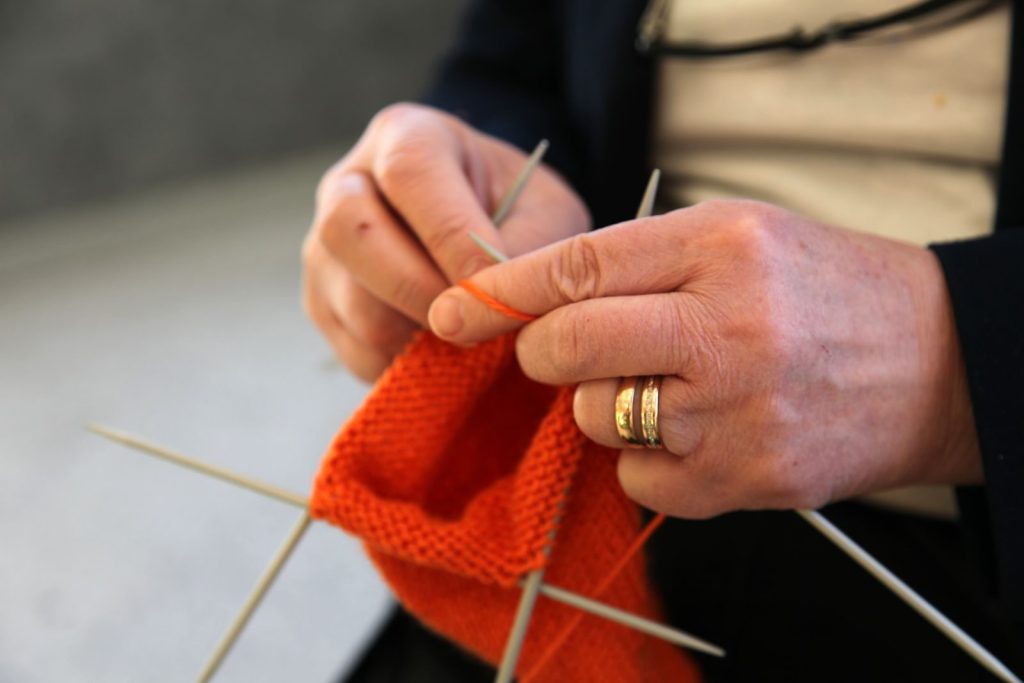
Chronic stress is one of the most significant drivers of cognitive decline in adults over 50, and the rhythmic, repetitive motion of knitting has been shown in multiple studies to produce a relaxation response similar to meditation. But it goes further than that. The pattern-following, counting, and spatial reasoning involved in more complex projects keeps the brain engaged in a way that passive relaxation does not. The combination of stress reduction and active cognitive engagement makes it one of the most underrated brain health activities available.
Painting and Drawing Build the Visual Processing Muscle Most Adults Let Atrophy
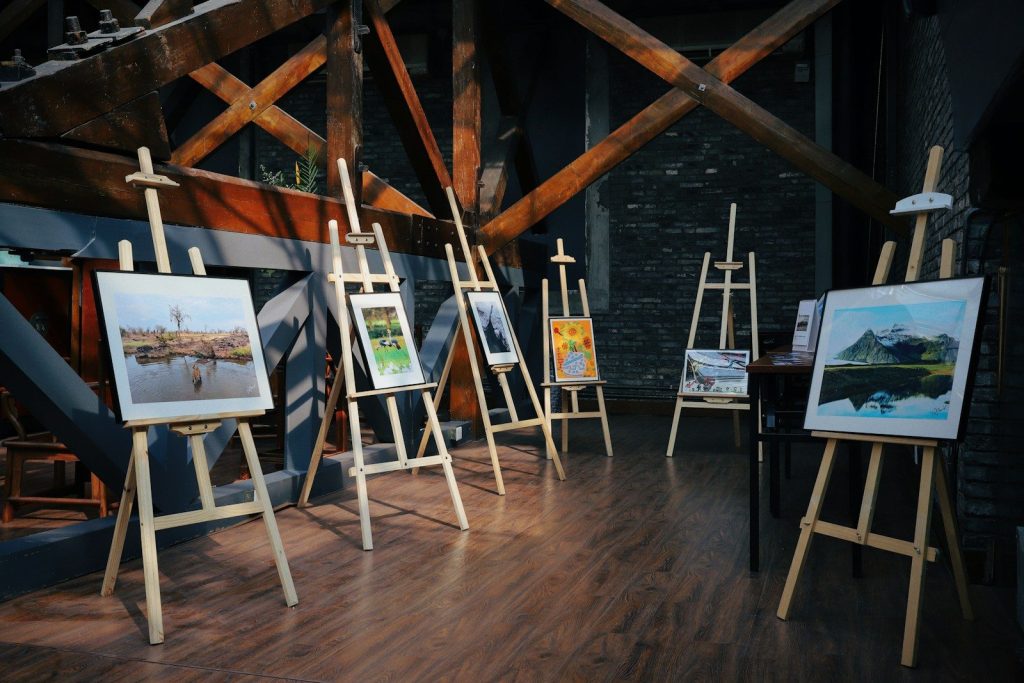
The visual cortex, responsible for spatial reasoning and pattern recognition, begins to show reduced activity in adults who stop challenging it regularly. Drawing from observation forces the brain to analyse shapes, distances, proportions, and relationships in a way that purely verbal or analytical activities never touch. A study from the Mayo Clinic found that adults over 70 who engaged in artistic activities had a 73 per cent lower risk of developing mild cognitive impairment than those who did not.
Gardening Delivers a Specific Soil Bacteria That Directly Boosts Serotonin Levels
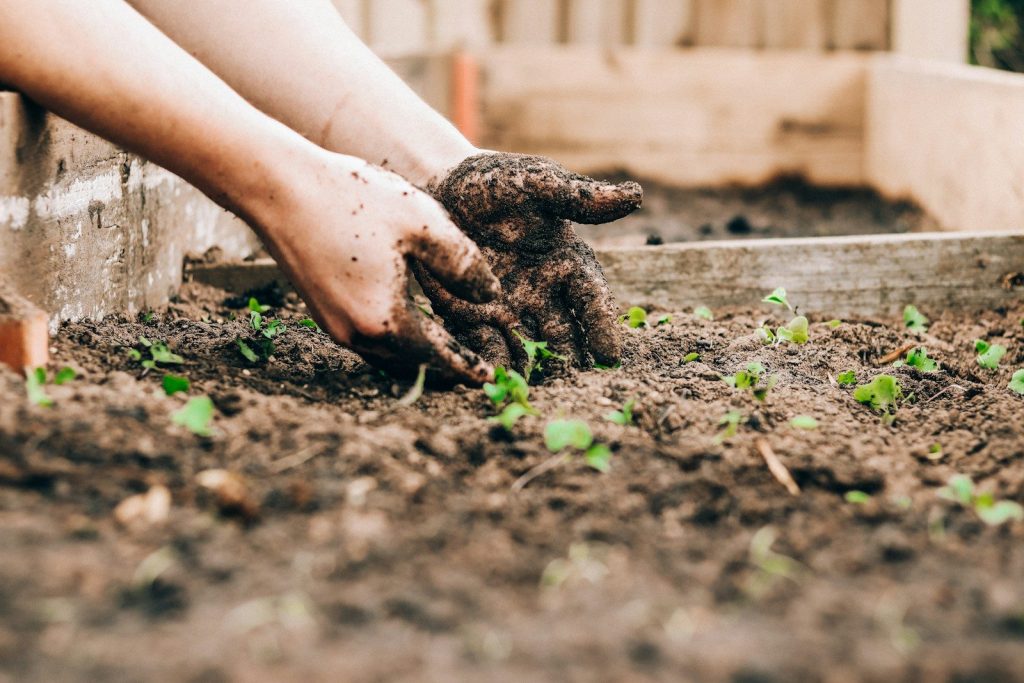
The cognitive benefits of gardening are partly physical and partly chemical. Mycobacterium vaccae, a naturally occurring bacterium in garden soil, has been shown to stimulate serotonin production when it comes into contact with skin. Serotonin directly influences mood, focus, and cognitive clarity. Beyond the bacteria, the planning, problem-solving, and long-term memory involved in managing a garden across seasons keep multiple areas of the brain engaged in ways that feel effortless because they are tied to a tangible and rewarding outcome.
Chess and Strategy Games Force the Kind of Deep Thinking That Keeps the Prefrontal Cortex Sharp
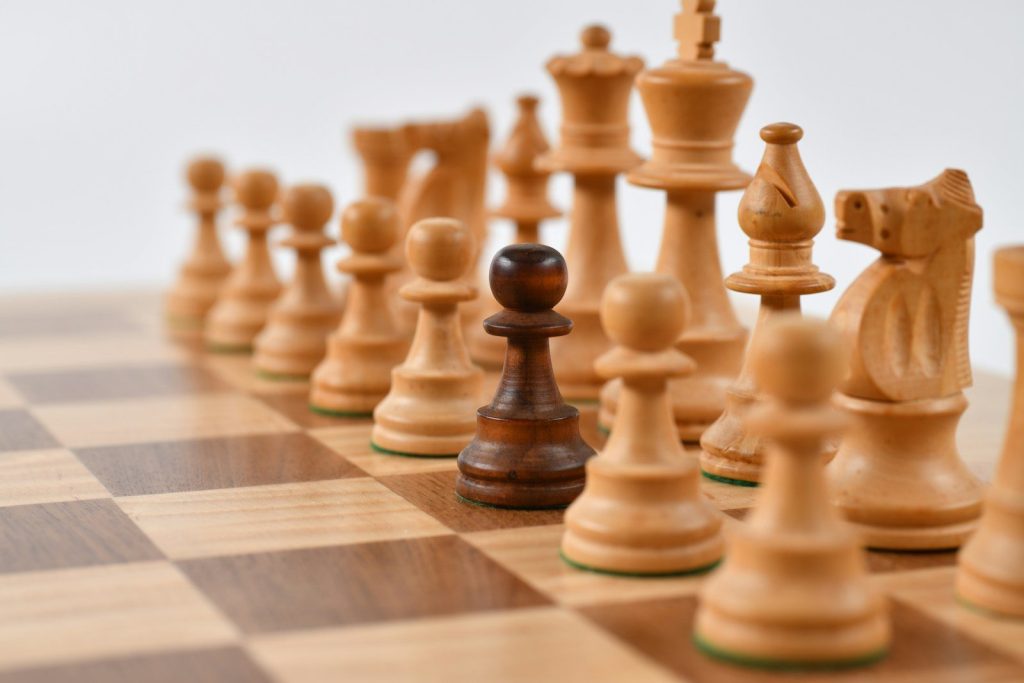
The prefrontal cortex, the last part of the brain to fully develop and the first to show signs of age-related decline, is directly engaged by strategic games that require planning multiple moves ahead, anticipating an opponent, and adapting when the expected outcome does not arrive. Chess, bridge, and similar games require the brain to hold multiple possible futures in working memory simultaneously, which is precisely the kind of cognitive demand that keeps that area of the brain structurally dense and functionally strong.
Volunteering and Regular Social Engagement Protect the Brain in Ways No Solo Hobby Can Replicate
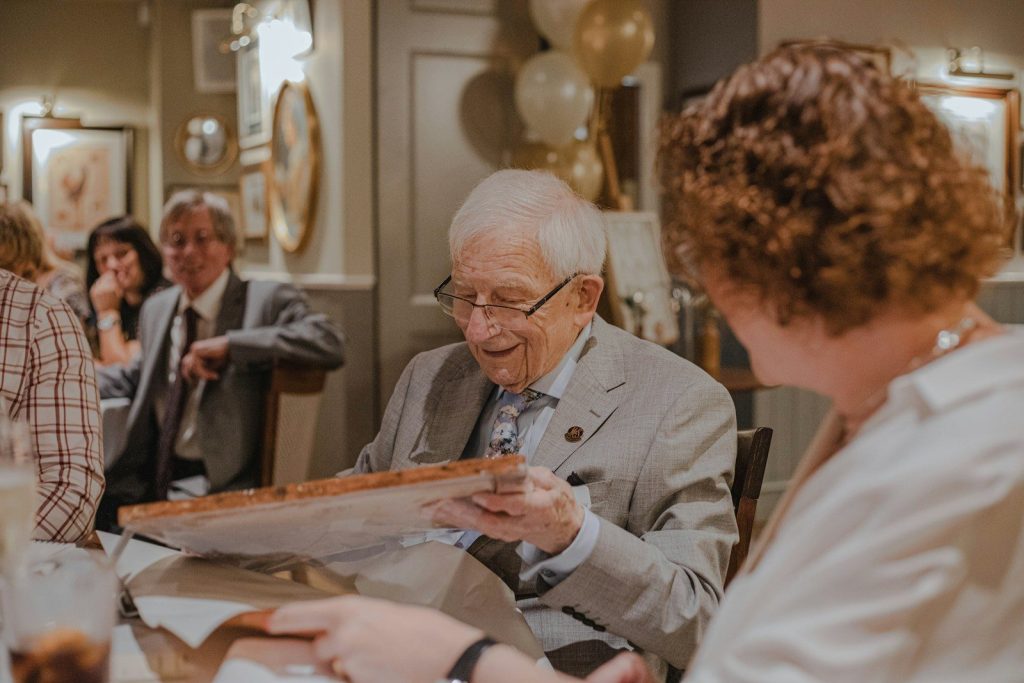
Loneliness has been identified by neuroscientists as one of the single greatest risk factors for accelerated cognitive decline in adults over 50, comparable in impact to smoking or physical inactivity. Regular social engagement that involves genuine connection, cooperation, and communication keeps the brain’s social processing networks active and well-connected. Volunteering specifically adds a sense of purpose and contribution that has been linked to lower cortisol levels and stronger long-term memory retention in multiple longitudinal studies.
The Best Hobby for Your Brain Is the One You Will Actually Keep Doing

Every hobby on this list has real science behind it, but none of it matters if the activity gets dropped after two weeks because it felt like a chore. The brain responds to sustained, repeated challenge over time, not to bursts of effort followed by long gaps. Picking something genuinely enjoyable and committing to it consistently, even for just thirty minutes a few times a week, is what produces the structural changes in the brain that keep showing up in the research. The science is clear. The decision is personal.