

There is a reason certain gardens stop people mid-stride while others get a polite glance and nothing more. It is rarely about size, budget, or the number of plants involved. It almost always comes down to a specific combination of color, fragrance, and effortless visual cohesion that white flowering plants create better than any other color in the garden. White flowers do not compete with each other. They amplify everything around them, make spaces look larger and more deliberate than they are, and fill the air with a scent that most people assume requires far more effort and expense than it actually does. Here is how to build that garden without any of the pretension.
Tuberose Planted Near a Seating Area Delivers a Fragrance Most People Associate With High-End Perfume, Not a Home Garden
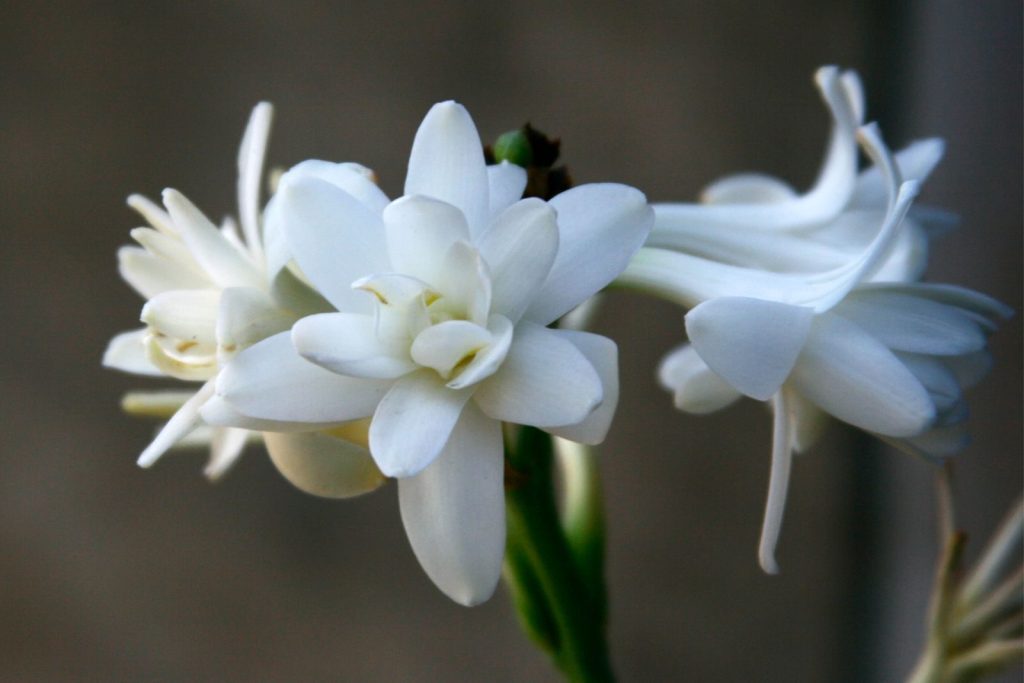
Tuberose produces tall spikes of waxy white blooms with a rich, intensely sweet fragrance that perfumers have used as a luxury ingredient for centuries. Unlike most white flowers whose scent is subtle during the day, tuberose releases its strongest fragrance in the evening, filling the surrounding air in a way that stops conversations and draws people toward it instinctively. It grows from an inexpensive bulb, returns each season with minimal care, and produces the kind of sensory impact most gardeners assume requires something far more complicated and expensive to achieve.
Gardenias Planted Near a Window or Outdoor Seating Area Work as a Natural Fragrance System
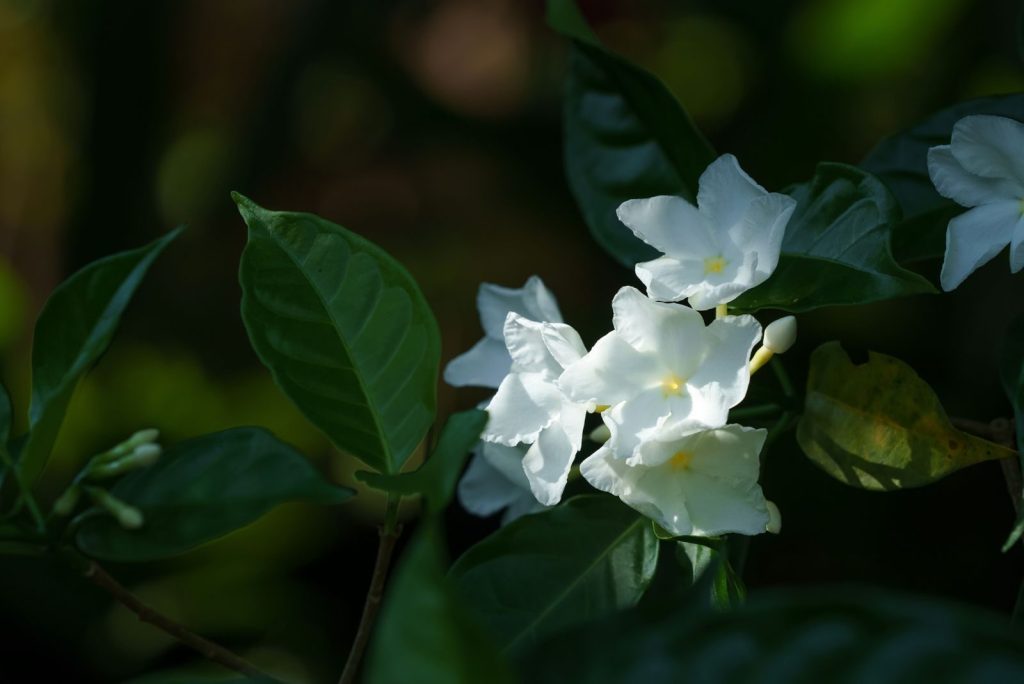
Gardenia fragrance intensifies significantly in the evening as temperatures drop, which makes placement far more important than most gardeners realize. A gardenia planted near a bedroom window, a patio seating area, or an outdoor dining space delivers its strongest scent exactly when people are most likely to be present and most likely to notice it. The same plant positioned in the middle of a lawn where no one sits performs a fraction of the sensory work it would do in a location tied to human activity and evening time.
White Roses Against a Dark Fence or Wall Create a Contrast That Photographs Better Than Any Other Plant Combination
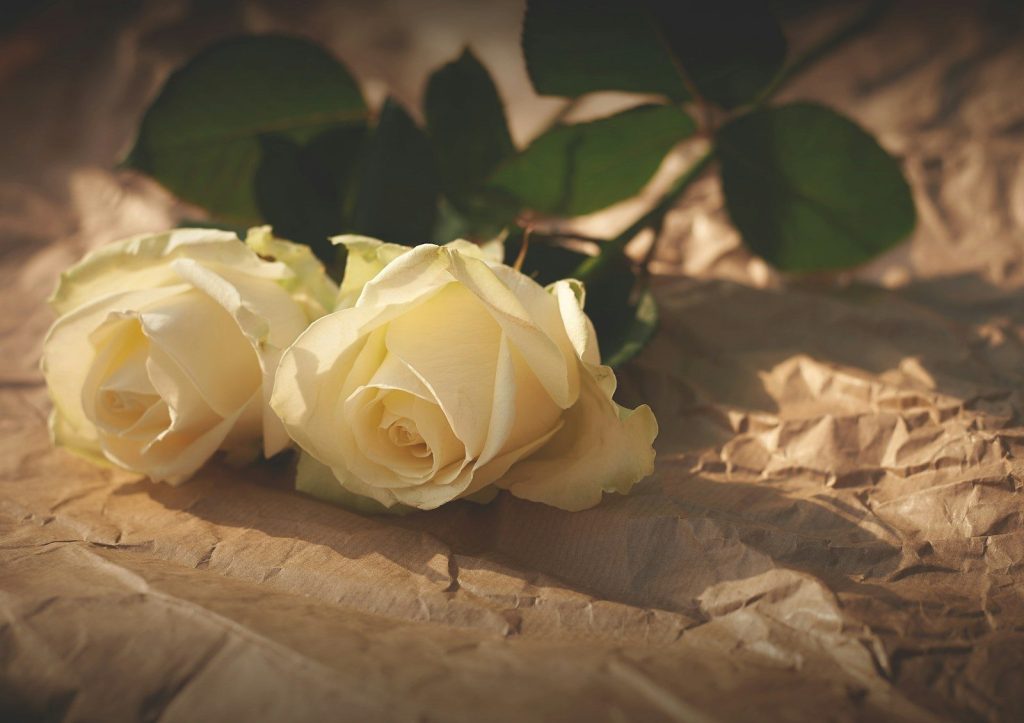
White roses are visually powerful on their own but they become genuinely striking when placed against a dark background, a charcoal fence, a deep green hedge, or a dark brick wall. The contrast makes the white appear almost luminous and the blooms read as far larger and more abundant than they would against a pale or neutral surface. This is the same principle used in professional garden photography and the reason certain garden images stop people scrolling while others do not.
Jasmine Trained Along a Fence Line Turns a Boundary Into the Most Noticed Feature in the Yard
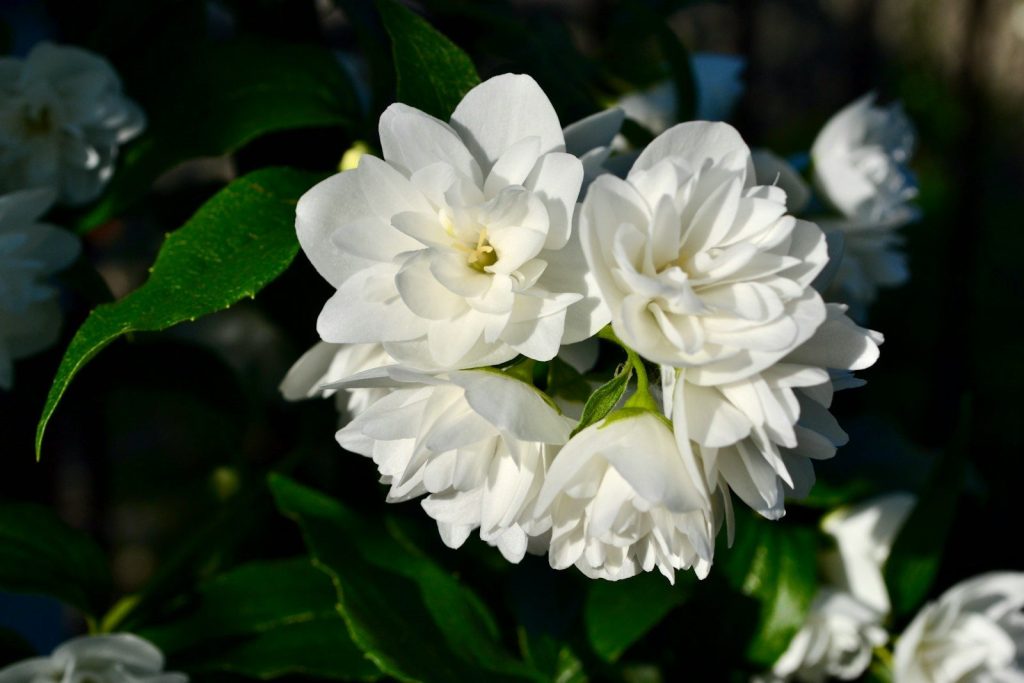
A plain fence is a boundary. A fence covered in flowering jasmine is a destination. Training jasmine along an existing fence line requires nothing more than loose ties attached at intervals as the plant grows, and once established it covers a significant span with cascading white flowers that fill the surrounding air with fragrance strong enough to be detected from the street. The transformation from utilitarian boundary to sensory focal point happens within a single growing season and requires almost no intervention after the initial setup.
Moonflowers Planted in a Single Strategic Spot Extend the Garden’s Impact Into the Night
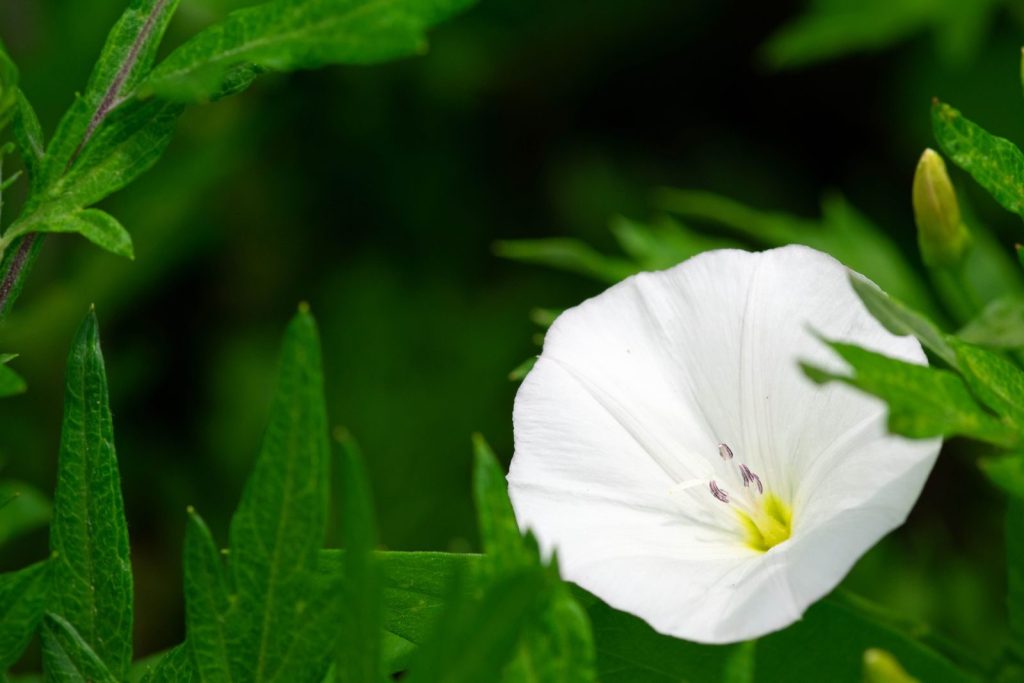
Most flowering plants close or fade as light levels drop in the evening, which means the majority of gardens are at their least impressive during the hours most people actually spend outdoors in summer. Moonflowers open at dusk and stay open through the night, producing large white blooms that reflect even minimal ambient light and remain visible and fragrant well after everything else in the garden has closed. A single moonflower vine trained up a trellis near an outdoor seating area extends the garden’s active, fragrant window by six to eight hours without adding any complexity to the planting scheme.
Sweet Alyssum Used as Ground Cover Between Other Plants Ties the Whole Garden Together Visually
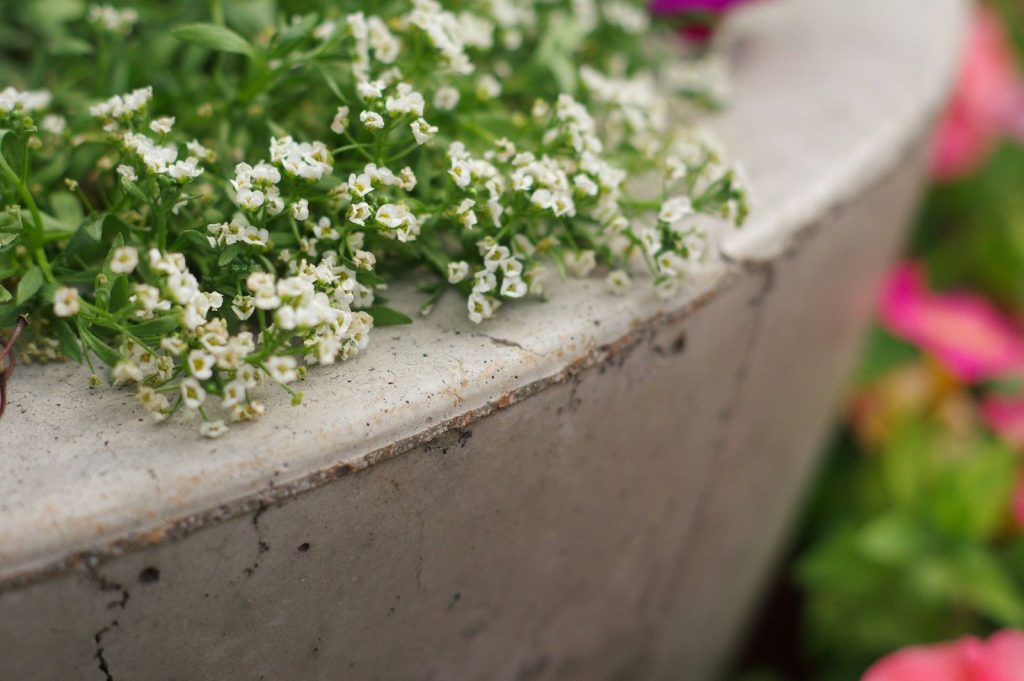
The gap between individual plants in a garden bed is where the design either holds together or falls apart. Sweet alyssum planted between taller specimens fills those gaps with a low, honey-scented carpet of tiny white flowers that visually connects individual plants into a cohesive whole rather than leaving them looking isolated. It also self-seeds reliably, which means after the first season it returns on its own and continues filling those gaps without any additional effort or replanting from the gardener.
Paperwhite Narcissus Planted in a Single Concentrated Spot Creates a Fragrance Impact Far Bigger Than the Plant Itself Suggests
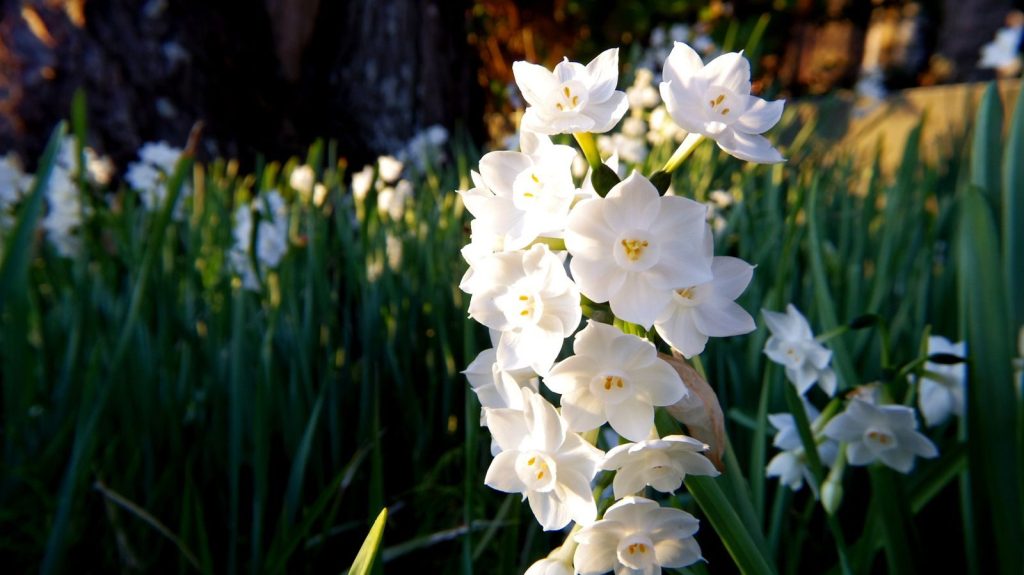
Paperwhites are small, delicate, and completely white from petal to centre, but the fragrance they produce is anything but understated. A concentrated grouping of paperwhite bulbs planted together in a single bed or container releases a rich, intensely sweet scent that carries across an entire garden from a planting that takes up almost no physical space. They bloom reliably, require virtually no maintenance after planting, and produce a visual and sensory effect that feels entirely disproportionate to the effort and cost involved in growing them.
A Garden That Smells Expensive Almost Always Has One Specific White Flower as Its Anchor
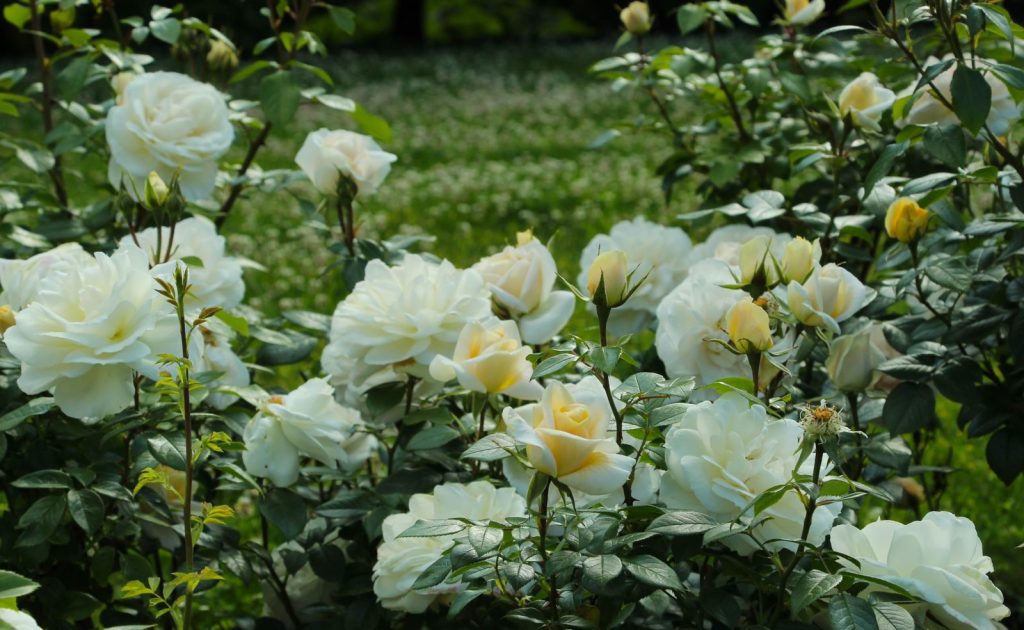
The gardens that consistently earn that involuntary “what is that smell” reaction from anyone walking past almost always share a single characteristic. They have one dominant white flowering plant that provides the primary fragrance note, typically gardenia, jasmine, or tuberose, surrounded by supporting white bloomers that extend the visual effect without competing with the scent. Tuberose in particular produces an intensely rich, almost decadent fragrance that most people associate with luxury perfumes rather than a home garden, and it grows from a bulb that costs almost nothing and returns every season with virtually no care.