

The search for alien life is no longer limited to science fiction. Scientists now have access to powerful technologies that can detect distant planets, analyze alien atmospheres, and process enormous amounts of data that would have been impossible to study just a few decades ago. While no confirmed evidence of extraterrestrial life has been found, researchers are using increasingly sophisticated tools to investigate one of humanity’s biggest questions. These breakthroughs help explain how that search is happening today.
Planet-Hunting Space Telescopes
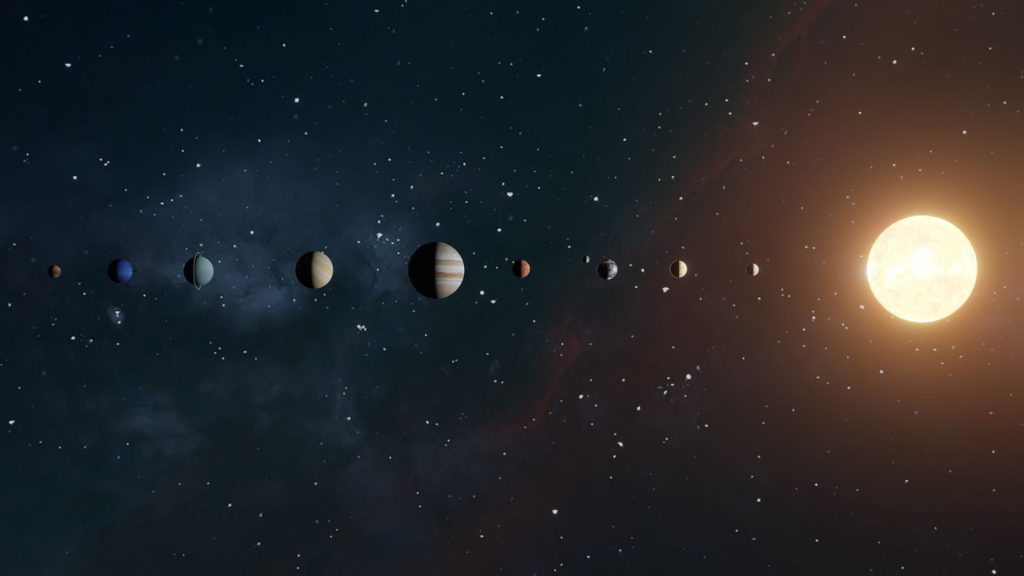
Before scientists can search for life, they need to find worlds where life might exist. Modern space telescopes can detect planets orbiting distant stars by measuring tiny changes in starlight. Thousands of exoplanets have already been discovered, including some that exist within regions where liquid water could potentially be present. Each discovery expands the list of places worth investigating further.
Atmospheric Fingerprint Analysis

Scientists cannot travel to distant planets, but they can study the gases surrounding them. As light passes through a planet’s atmosphere, certain chemicals leave unique signatures behind. Researchers examine these fingerprints to search for compounds that may be associated with biological activity. The process is similar to identifying ingredients by reading a label from millions of miles away.
Giant Radio Telescope Networks
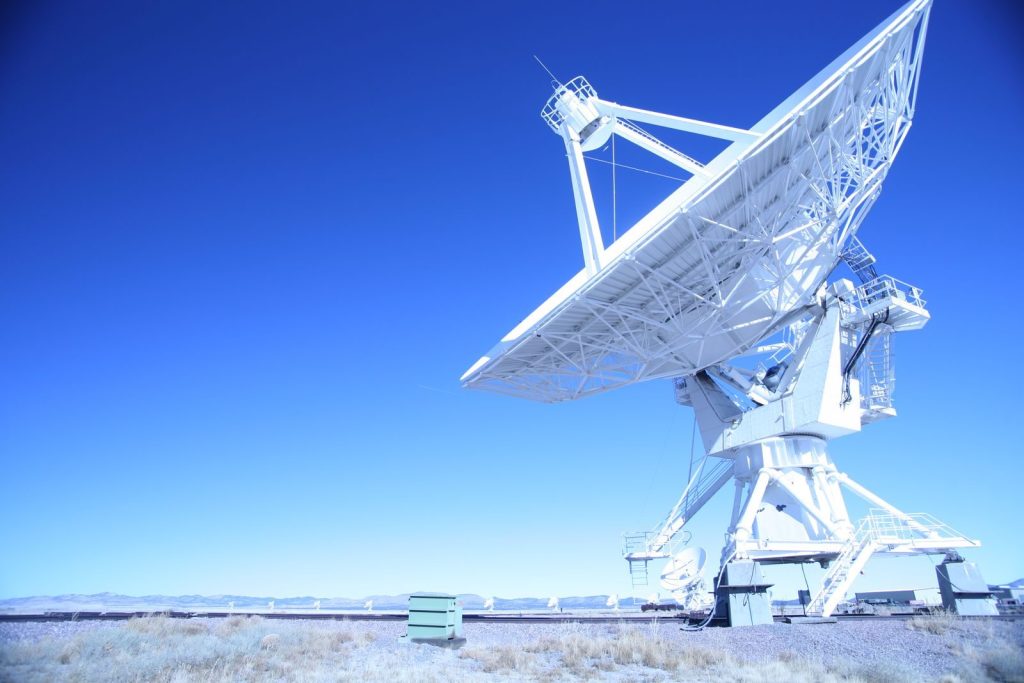
For decades, scientists have used radio telescopes to search for unusual signals coming from space. These massive instruments listen for patterns that stand out from naturally occurring cosmic noise. While no confirmed extraterrestrial transmission has been detected, radio observatories continue scanning the sky and collecting valuable information about the universe.
Exploring Ocean Worlds Closer To Home

Some of the most promising places to search for life may exist within our own solar system. Moons such as Europa and Enceladus are believed to contain vast oceans beneath thick layers of ice. Future missions hope to investigate these environments more closely because liquid water is considered one of the key ingredients for life as we know it.
Artificial Intelligence Sorting Through Space Data

Modern observatories collect more information than humans could realistically analyze alone. Artificial intelligence helps researchers identify patterns, classify objects, and highlight unusual findings hidden within enormous datasets. This technology allows scientists to focus on the most promising discoveries while processing information much faster than traditional methods.
Robotic Explorers On Other Worlds
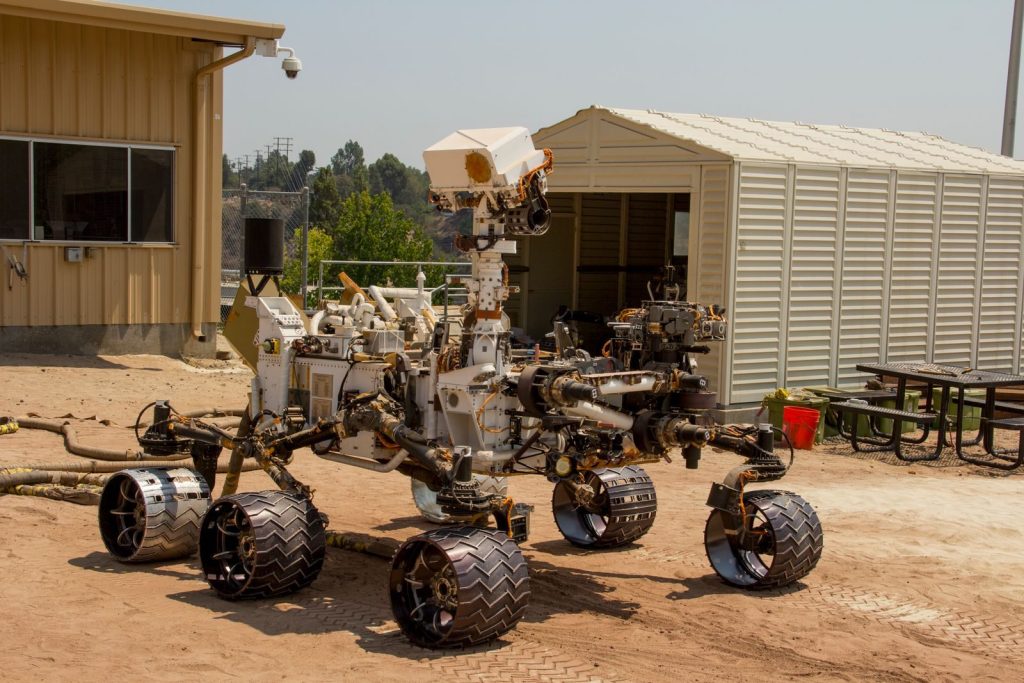
Robotic spacecraft continue exploring environments that would be difficult or dangerous for humans to reach. Rovers, landers, and probes gather information about planetary surfaces, chemistry, and environmental conditions. These machines act as distant investigators, helping scientists understand whether certain locations could support life.
Next-Generation Observatories

The future of space exploration depends heavily on new observatories currently being developed or planned. These facilities will offer sharper views of distant planets, more detailed atmospheric measurements, and greater sensitivity than previous generations of instruments. Each advancement increases the chances of finding evidence that helps answer long-standing questions about life beyond Earth.
The Search Is Really For Better Answers

When people imagine the search for alien life, they often picture spaceships or dramatic discoveries. In reality, the process relies on careful observation, advanced technology, and years of scientific investigation. Every new telescope, robotic explorer, and data-analysis system helps researchers learn a little more about the universe. Whether evidence of extraterrestrial life is found tomorrow or decades from now, these technologies are already transforming how we explore the unknown.