

Scientists continue to investigate the connection between sleep and long-term brain health, including conditions such as Alzheimer’s disease. While researchers are still working to understand exactly how sleep influences the aging brain, many studies suggest that sleep quality may matter just as much as sleep quantity. These practical sleep hacks focus on simple habits that can help create a more sleep-friendly environment while reflecting areas of ongoing scientific interest.
Wear Socks To Bed On Cooler Nights

It may sound surprising, but some sleep researchers have explored how warming the feet can help the body regulate temperature before sleep.
For some people, cozy socks may make it easier to fall asleep and stay comfortable throughout the night.
Move Your Phone Charger Across The Room
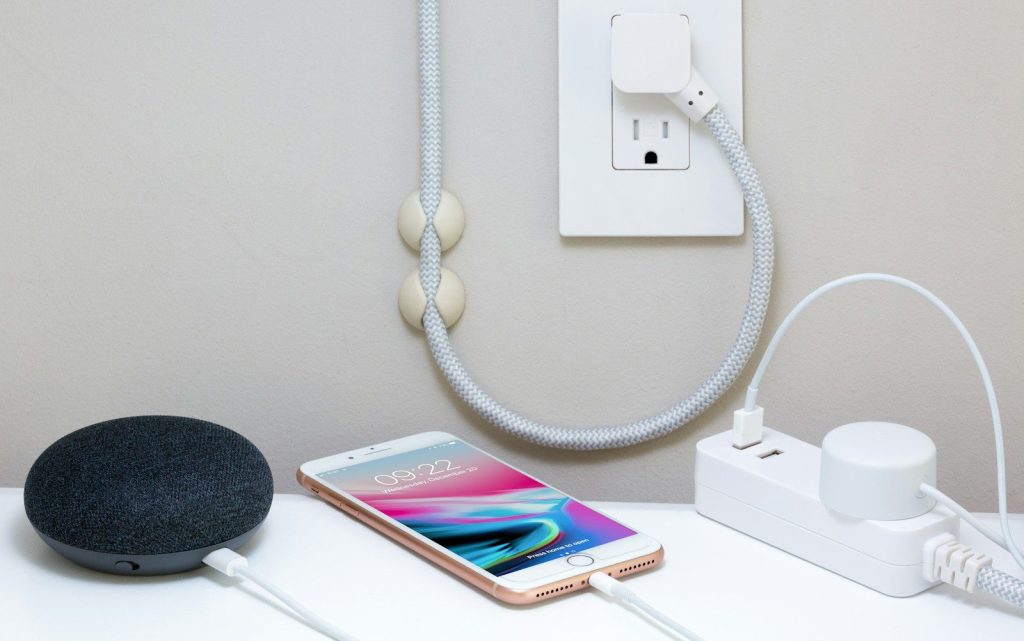
Many people wake briefly during the night and instinctively reach for their phones.
Keeping devices farther away can reduce the temptation to check notifications or scroll through screens during nighttime awakenings.
Stop Using Your Bed As A Workspace

When beds become places for work calls, emails, and meetings, the brain may start associating the space with activity rather than rest.
Sleep specialists often encourage keeping the bed primarily reserved for sleep.
Try A Pillow Upgrade Before Trying Another Sleep Product

A pillow that no longer provides proper support can contribute to discomfort and repeated position changes during the night.
Sometimes a simple pillow replacement is one of the easiest sleep-environment improvements people overlook.
Wash Bedding More Frequently

Fresh bedding does more than make a bedroom feel inviting.
Reducing dust, allergens, and accumulated debris may help create a more comfortable sleep environment for some individuals.
Keep The Bedroom Clock Out Of Sight

Watching the clock after waking up in the middle of the night can increase stress and make it harder to relax.
Many sleep experts recommend turning clocks away from the bed to avoid focusing on the time.
Place A Pillow Under Your Knees Or Between Your Legs

Sleep position can affect comfort throughout the night.
Some people find that strategic pillow placement helps reduce pressure points and encourages a more comfortable sleeping posture.
Better Sleep Often Starts With Small Changes

Researchers continue to explore how sleep quality may influence brain health over time. While no bedtime habit can guarantee protection from Alzheimer’s disease or other forms of cognitive decline, small adjustments to the sleep environment may help support more restful nights. Sometimes the simplest changes are the easiest place to start.