

Walk into any grocery store bread aisle and the options feel endless: whole grain, multigrain, seeded, sprouted, sourdough, ancient grain, and everything in between, most of them wearing health claims on their packaging that sound more or less the same. Yet when three registered dietitians were independently asked to pick the single healthiest sandwich bread available, they all pointed to the same one without hesitation. What they chose and why they chose it reveals everything that is wrong with how most people currently read a bread label, and everything that changes once they know what to actually look for.
The One Bread Every Dietitian Agreed On Was 100 Per cent Whole Grain Sprouted Bread
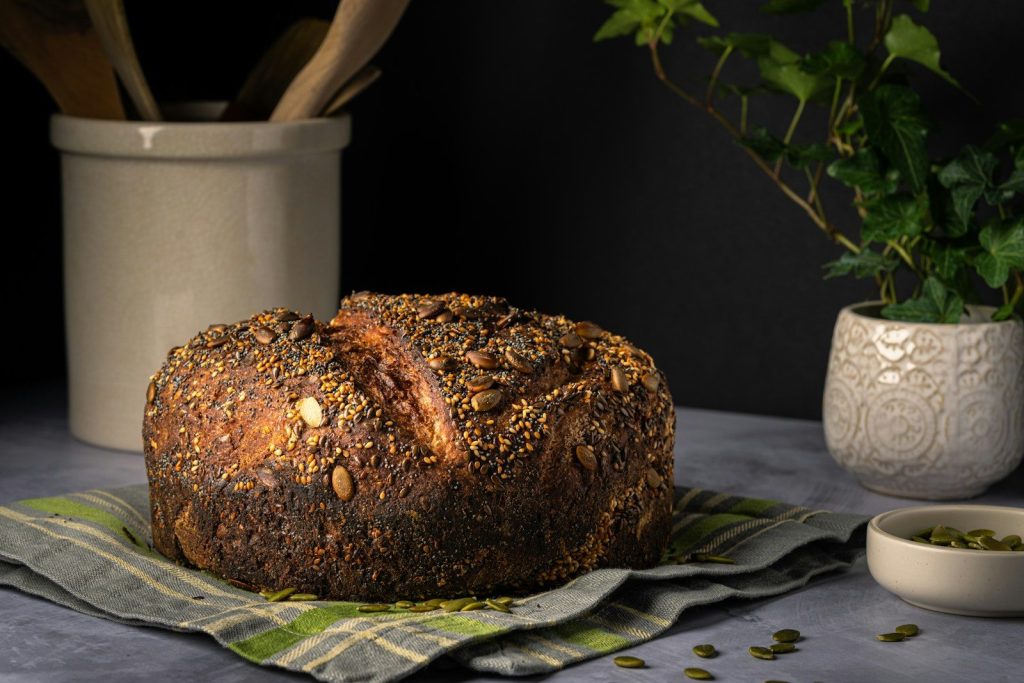
Sprouted grain bread made from 100 per cent whole grains is the unanimous choice because it addresses every nutritional shortcoming of regular bread in a single product. The sprouting process partially breaks down the grain’s outer layer, dramatically improving how much protein, iron, zinc, and B vitamins the body actually absorbs rather than simply passing through. It also lowers the glycemic response compared to any other bread on the shelf, which means sustained energy rather than a blood sugar spike followed by a crash an hour after lunch.
Most Breads Labelled Multigrain or Wheat Are Legally Allowed to Be Mostly White Flour
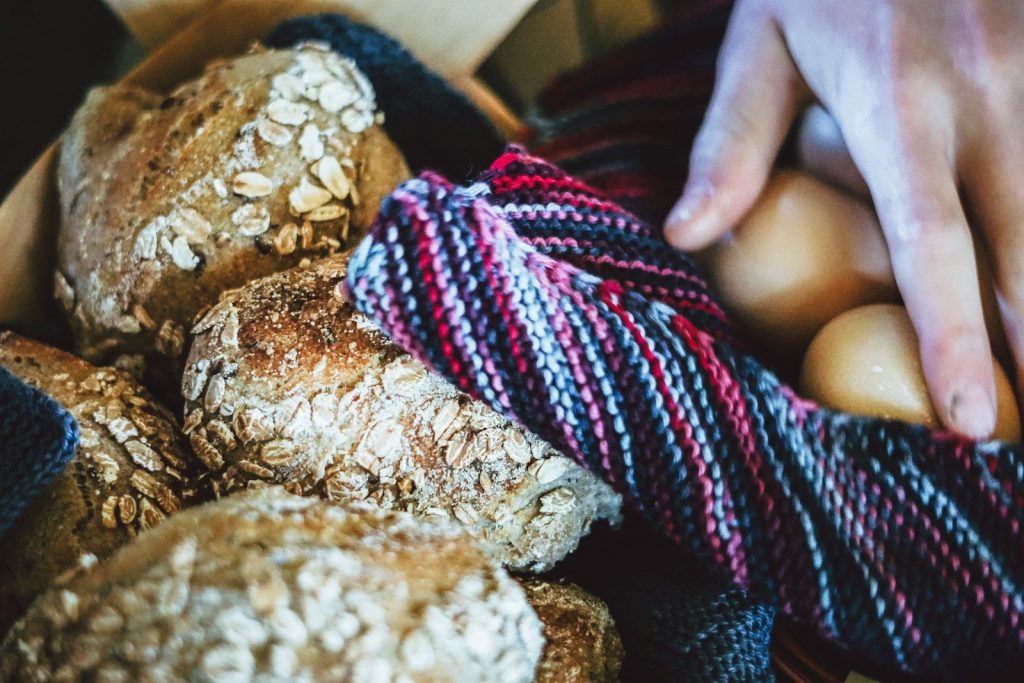
This is the label trick that catches almost everyone. A bread labelled multigrain simply means more than one grain was used somewhere in the recipe, with no requirement about how much of each grain is present or whether any of it is whole grain. A bread labelled wheat bread in most markets means wheat flour was used, which includes refined white flour. The only label that guarantees what it says is 100 per cent whole grain or 100 per cent whole wheat appearing as the very first ingredient on the list; everything else is open to interpretation by the manufacturer.
The Fiber Number on the Label Is the Fastest Quality Check in the Bread Aisle
Dietitians use fiber content as a quick filter when assessing any bread because it directly reflects how much genuine whole grain is actually in the product. A slice of genuinely nutritious bread should deliver at least three grams of fiber per slice. Most popular sandwich breads deliver one gram or less per slice despite their packaging suggesting otherwise. Two slices of a high fiber whole grain bread at breakfast keeps blood sugar stable and hunger suppressed in a way that two slices of a low fiber bread simply cannot replicate regardless of the calorie count.
Ingredient Lists Longer Than Five or Six Items Are Almost Always a Red Flag
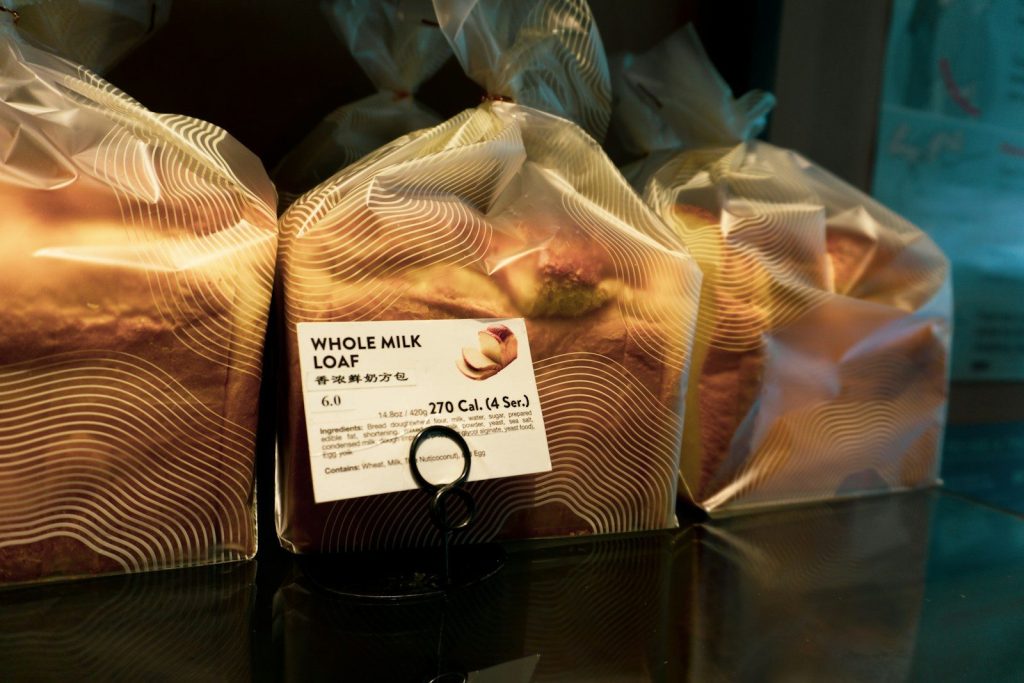
Real bread made from real ingredients does not need a long list. Flour, water, yeast, salt, and perhaps a seed or grain or two covers everything a genuinely nutritious loaf requires. Bread with fifteen or twenty ingredients is compensating for something, usually the removal of natural fiber and nutrients during processing, by adding back synthetic vitamins, stabilizers, and preservatives that attempt to recreate what was already there before the grain was refined. The shorter the ingredient list on a bread label the more likely it is to be the real thing.
Sourdough Is the Second Best Choice but Only When It Is Made the Traditional Way

Real sourdough made with a live bacterial starter and a long fermentation process is genuinely nutritious, easier to digest, and lower on the glycemic index than most other breads. The fermentation breaks down phytic acid, which normally blocks mineral absorption, making the nutrients in the grain more available to the body. The problem is that most commercial sourdough in grocery stores is made with added vinegar to replicate the flavor without any fermentation at all, which means it carries none of the digestive or nutritional benefits of the real product. Checking for a live starter and long fermentation in the ingredient or baking notes is the only way to tell the difference.
Bread Kept in the Fridge Goes Stale Faster Than Bread Kept at Room Temperature
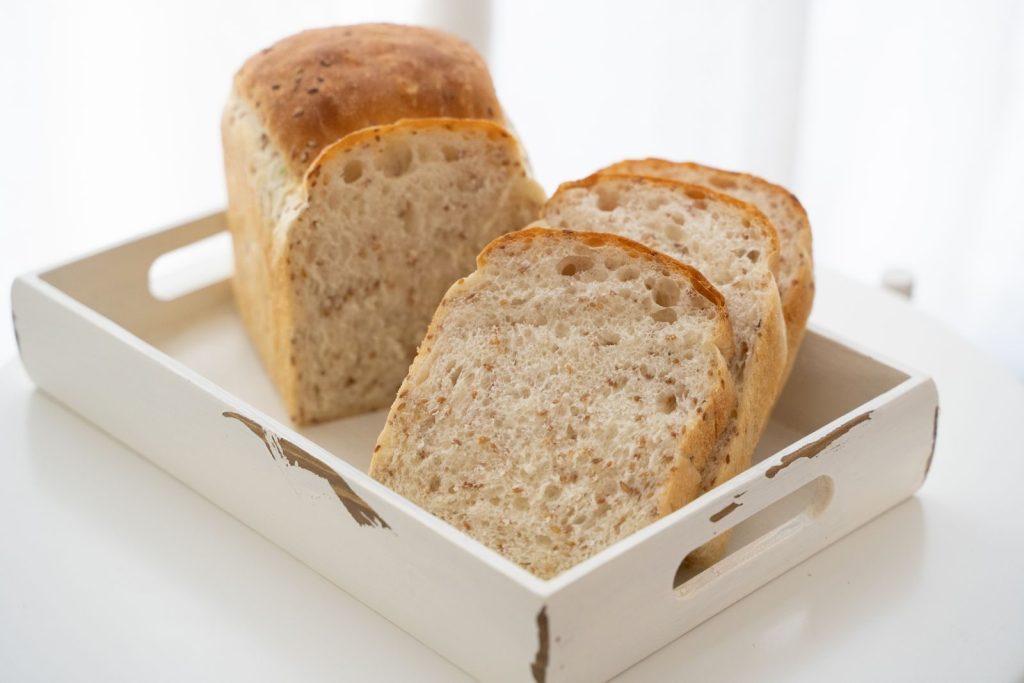
Refrigerating bread is one of the most widespread storage mistakes in any kitchen. Cold temperatures accelerate a process called retrogradation, where starch molecules realign and harden, which is exactly what happens when bread goes stale. Bread kept in a cool, dark place at room temperature in a sealed bag or bread box stays fresh for longer and maintains its texture far better than anything stored in a refrigerator. Freezing is the right choice for any bread that will not be finished within four or five days, since freezing pauses retrogradation entirely rather than accelerating it.
Toasting Whole Grain Bread Lowers Its Glycemic Impact Even Further
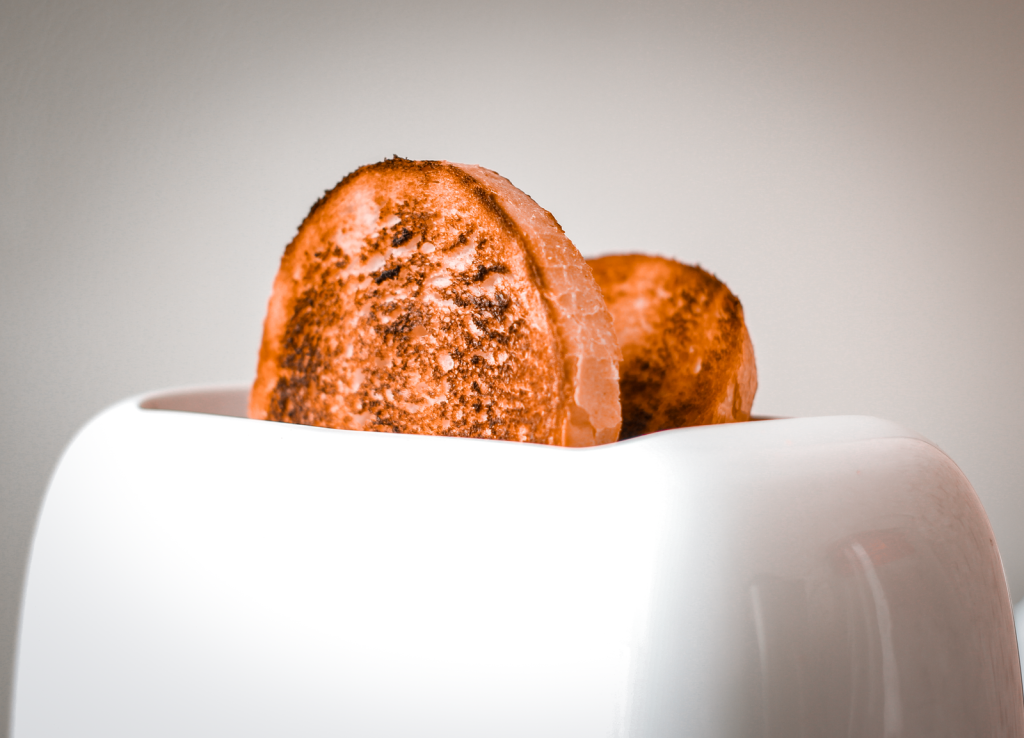
Toasting bread changes its structure at a molecular level in a way that slows down how quickly the body converts it to glucose. The heat transforms some of the digestible starch into resistant starch, a form that the body processes more like fibre than like sugar. Toasted whole-grain bread, therefore, has a meaningfully lower glycemic impact than the same bread eaten soft, which makes it an even better choice for anyone managing blood sugar, energy levels, or appetite through the morning.
The Best Bread Was Never the One With the Best Packaging

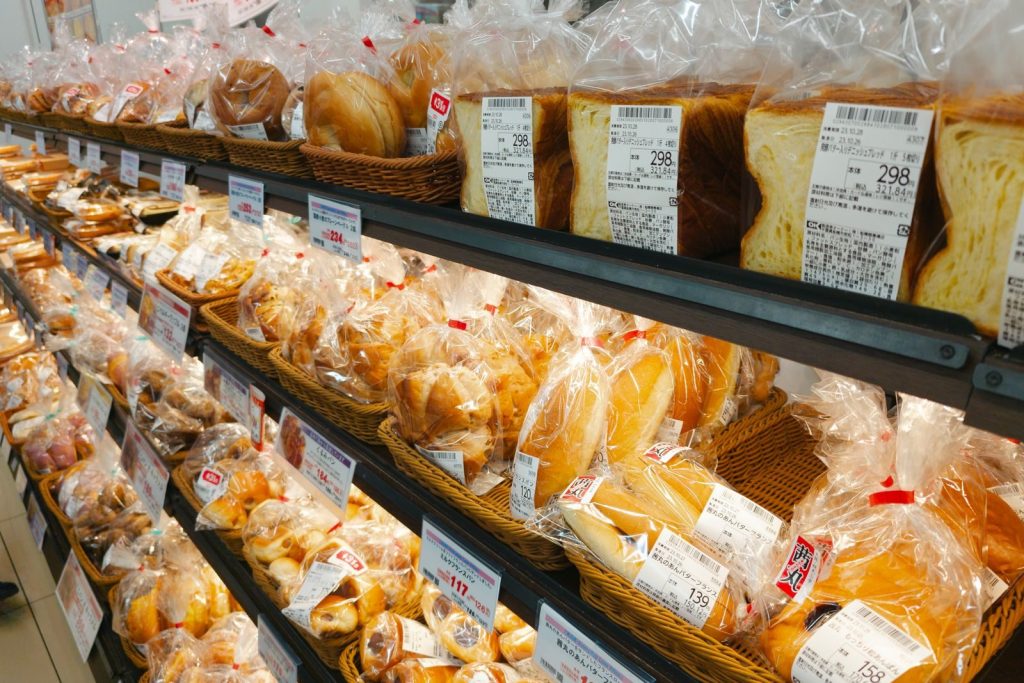
The bread aisle is one of the most aggressively marketed sections of any grocery store, and the gap between what the packaging communicates and what the ingredient list actually contains is wider than most shoppers ever realize. Once the label reading skills are in place, the choice becomes obvious and fast. One hundred percent whole grain sprouted bread, short ingredient list, at least three grams of fiber per slice, and stored correctly at home. Everything else is just noise.