

Most home cooks treat salmon as something to just get through, season it, cook it, done. The technique behind a genuinely restaurant-quality piece of salmon comes down to a handful of small decisions most people skip entirely: how it’s dried, what it’s seared in, and what happens in the pan after the fish comes out.
A Paper Towel Does More for Your Salmon Than Any Seasoning
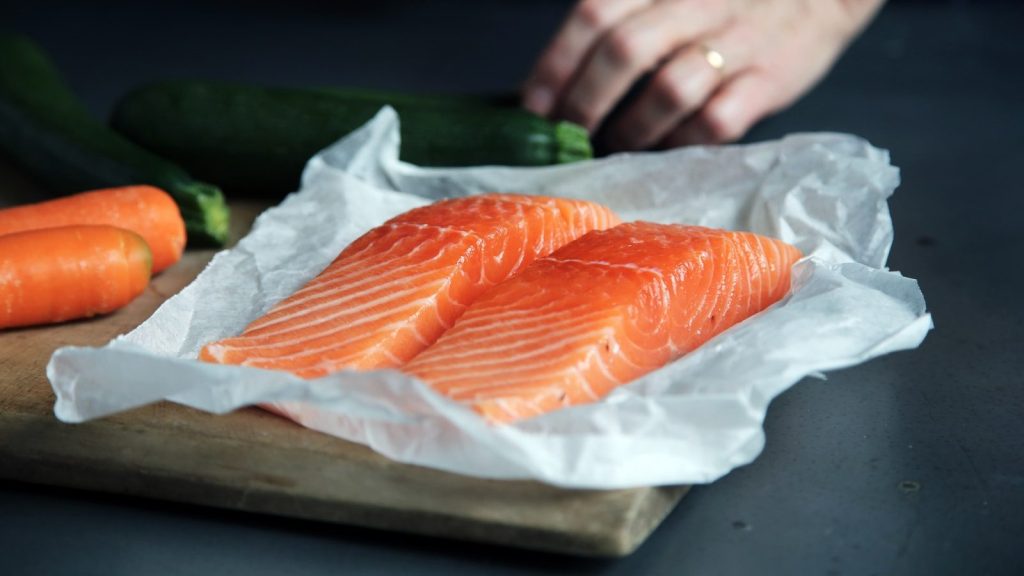
Run a paper towel over the fillet before it touches the pan, pressing firmly enough to pull real moisture off the surface. That one step is what separates a deep golden crust from the pale, slightly gray surface most home-cooked salmon ends up with.
Two Fats in the Pan, and Patience, Are the Whole Secret to the Crust
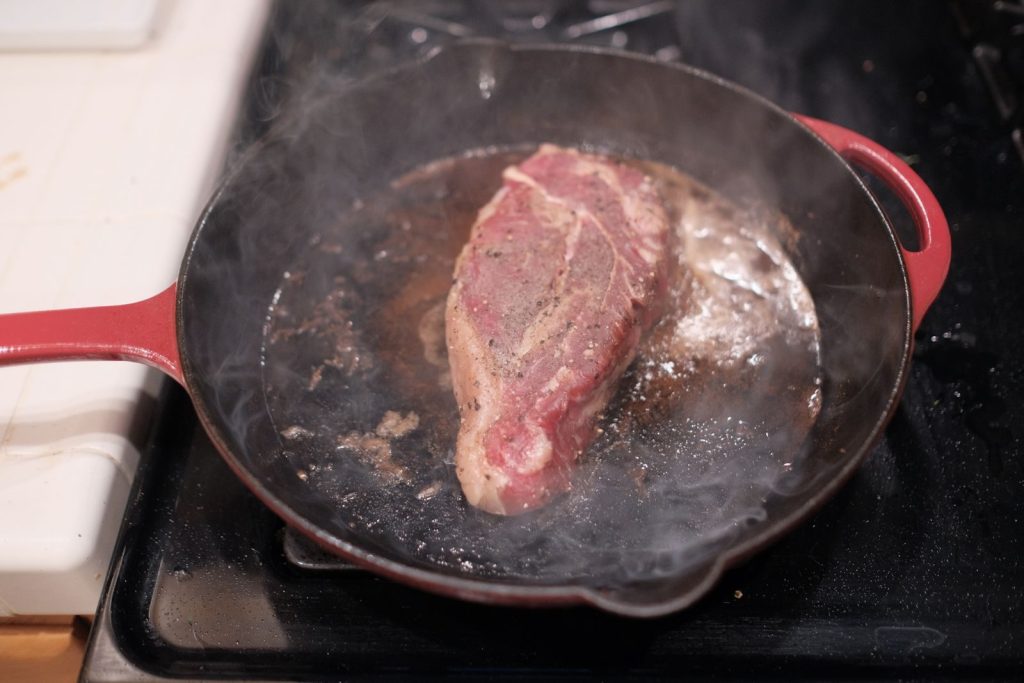
Oil handles high heat, butter handles flavour, and using both together gets a crust neither one pulls off alone. Once the fish is in, the hard part is doing nothing, resisting the urge to poke or flip early, which lets a real crust set, and the fish releases from the pan on its own once it’s ready.
There’s a Name for Those Browned Bits Stuck to Your Pan
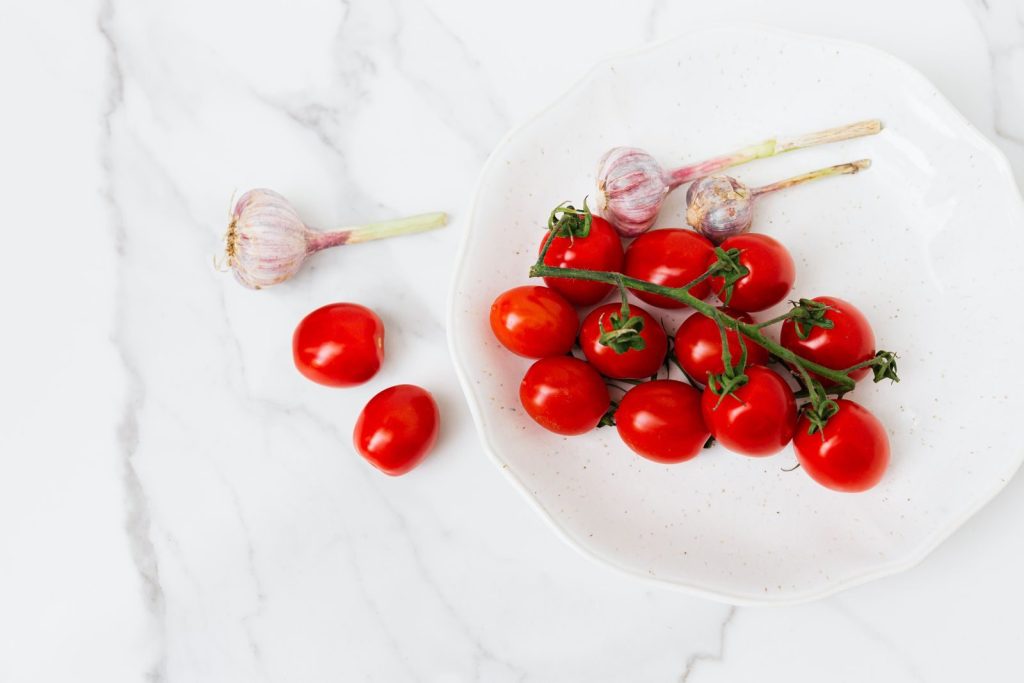
Chefs call it fond, and it’s concentrated flavor most home cooks rinse straight down the drain. Cooking garlic and cherry tomatoes directly in that same unwashed pan pulls every bit of it back into the dish instead of starting over with a clean slate.
If Your Cream Sauce Has Ever Looked Curdled, This Is Why
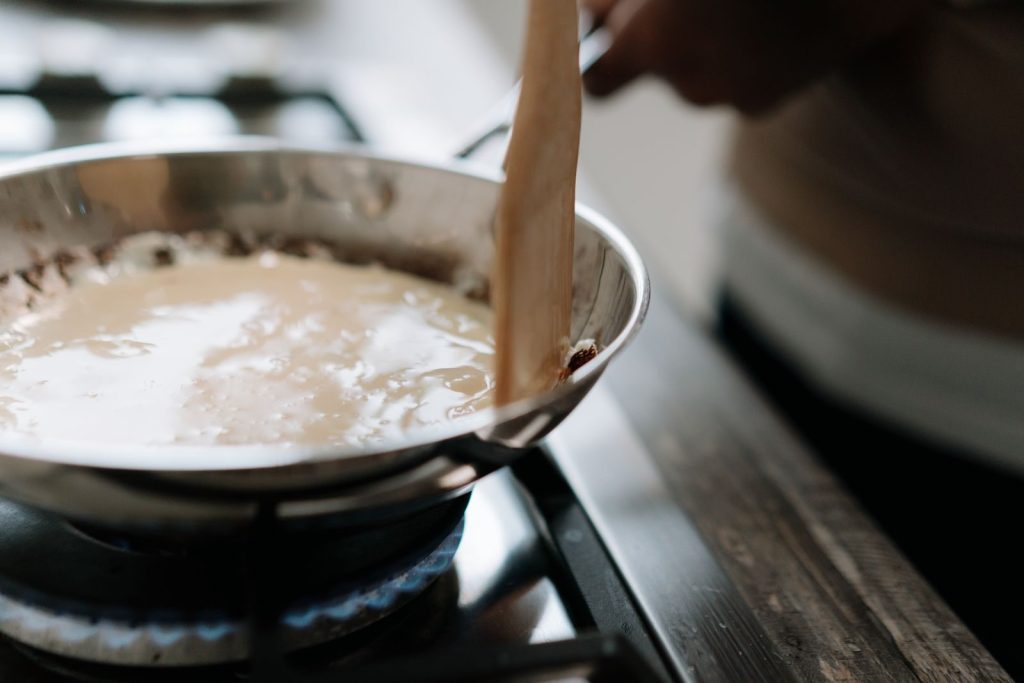
A pan still ripping hot will split cream on contact, turning a silky sauce grainy in seconds. Dropping the heat to a gentle simmer first, before the cream ever goes in, is the one second decision that prevents it entirely.
Spinach Has a 60 Second Window, and Most People Miss It
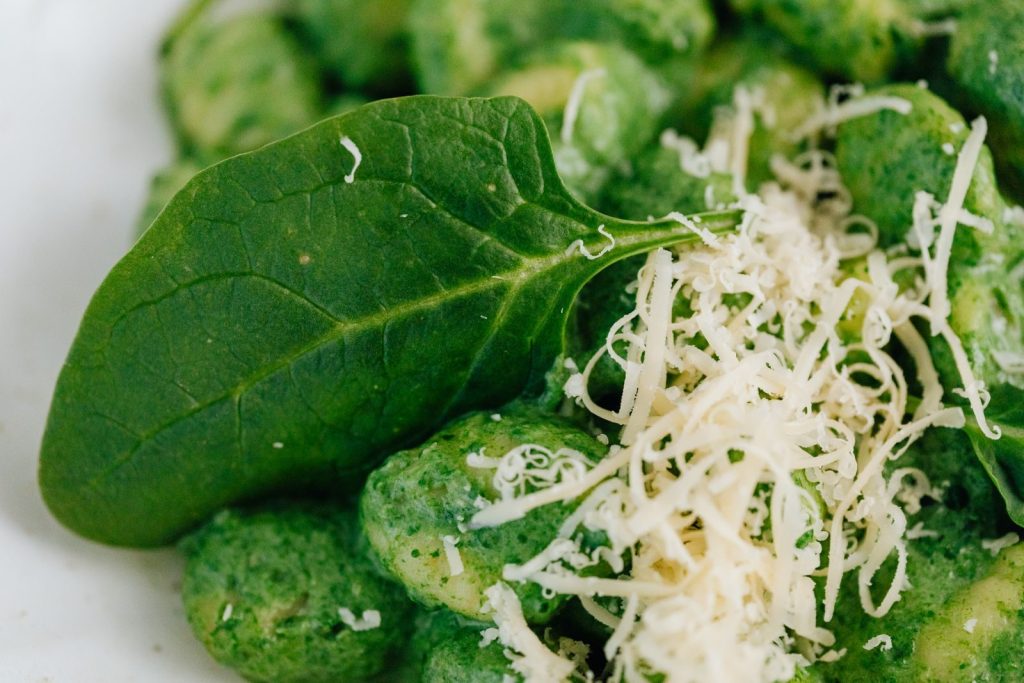
Toss it in too early, and it collapses into a grey, watery mess by the time the dish is done. Stirred in right at the very end, it wilts in under a minute and actually keeps its colour and bite.
The Trick to Cheese That Melts Smoothly Instead of Stringy
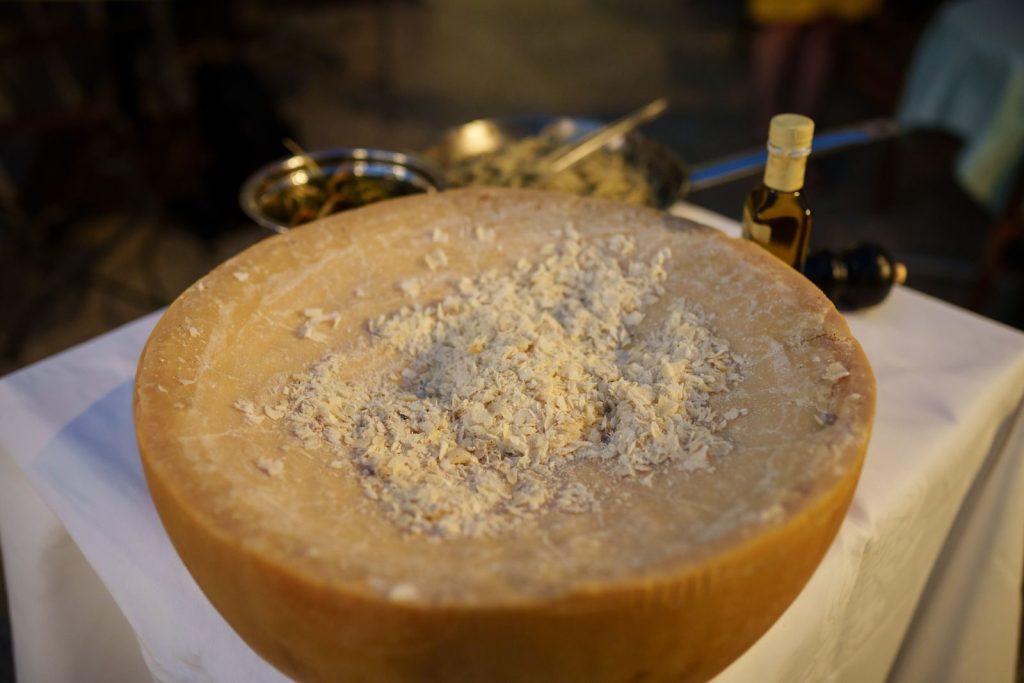
Pull the pan completely off the heat before the parmesan goes in. A few seconds away from direct heat is the difference between a glossy, even sauce and one full of clumps that never fully melt back down.
Bringing It All Back Together
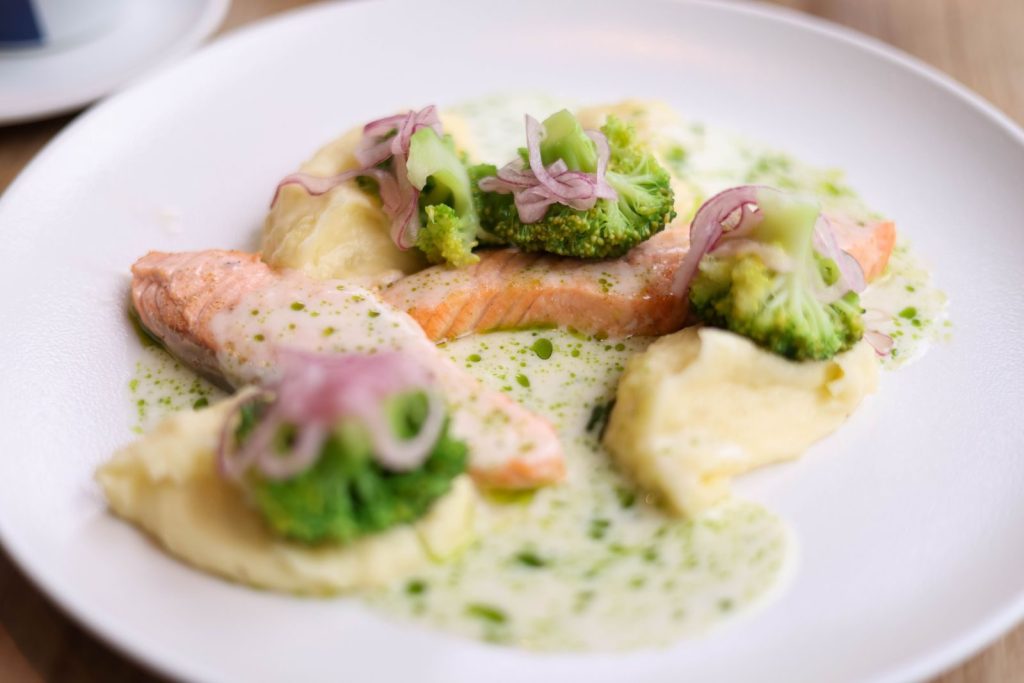
Slide the seared salmon back into the finished sauce for one final minute, just enough to warm through and soak up flavour without cooking the fish a second time. This last step is what turns separate components into one finished dish.
A Restaurant Dish, Built From Ordinary Decisions
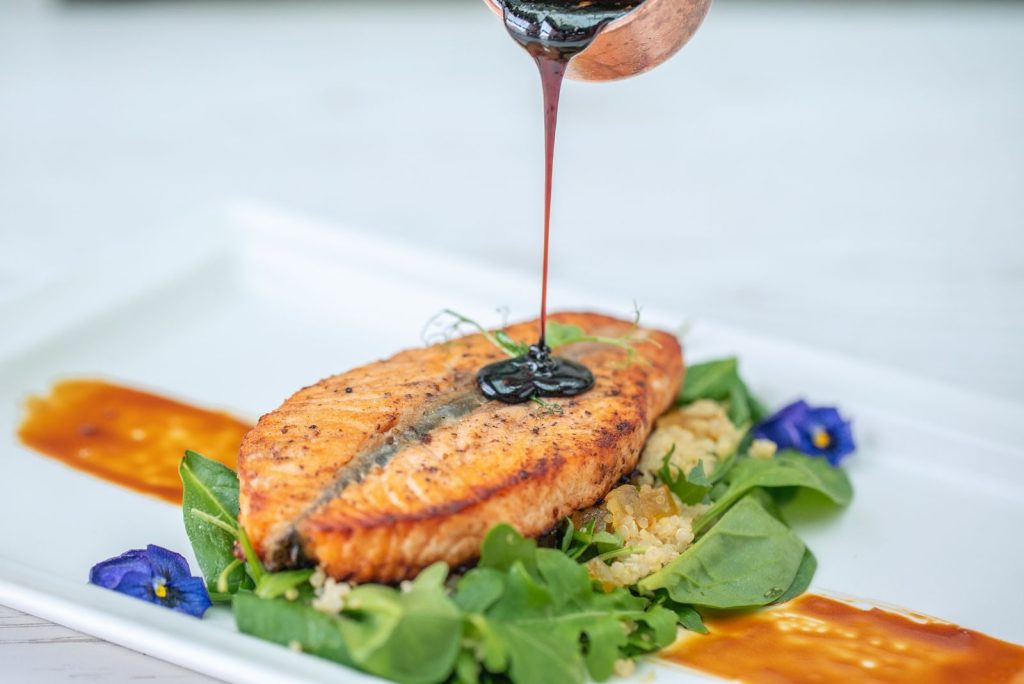
None of this required a special ingredient, just doing ordinary steps in the right order. Once you’ve made it this way, plain seared salmon is hard to go back to.