

Vitamin D plays an important role in bone health, immune function, muscle strength, and many other processes throughout the body. While supplements are a common way to increase vitamin D intake, they are not the only option available.
Many people can support their vitamin D levels through everyday habits, dietary choices, and lifestyle adjustments. Understanding where vitamin D naturally comes from can help you make informed choices and potentially reduce reliance on supplements.
Here are seven vitamin D boosters that don’t come from a supplement bottle.
Spending Time in the Sun

Sunlight is one of the most well-known natural sources of vitamin D.
When skin is exposed to ultraviolet B rays from the sun, the body begins producing vitamin D on its own. Factors such as season, time of day, skin tone, age, and geographic location can influence how much vitamin D is produced.
Even short periods of outdoor activity may contribute to healthy vitamin D levels for some individuals.
Fatty Fish

Certain fish naturally contain significant amounts of vitamin D.
Salmon, trout, sardines, mackerel, and herring are among the richest dietary sources. In addition to vitamin D, these fish also provide protein and omega-3 fatty acids that support overall health.
Including fatty fish in meals regularly can help boost vitamin D intake naturally.
Egg Yolks

Eggs provide a convenient source of several important nutrients, including vitamin D.
Most of the vitamin D is found in the yolk rather than the egg white. The exact amount can vary depending on the hen’s diet and living conditions.
Eggs are easy to incorporate into breakfast, lunch, or dinner, making them a practical option for many households.
Fortified Foods
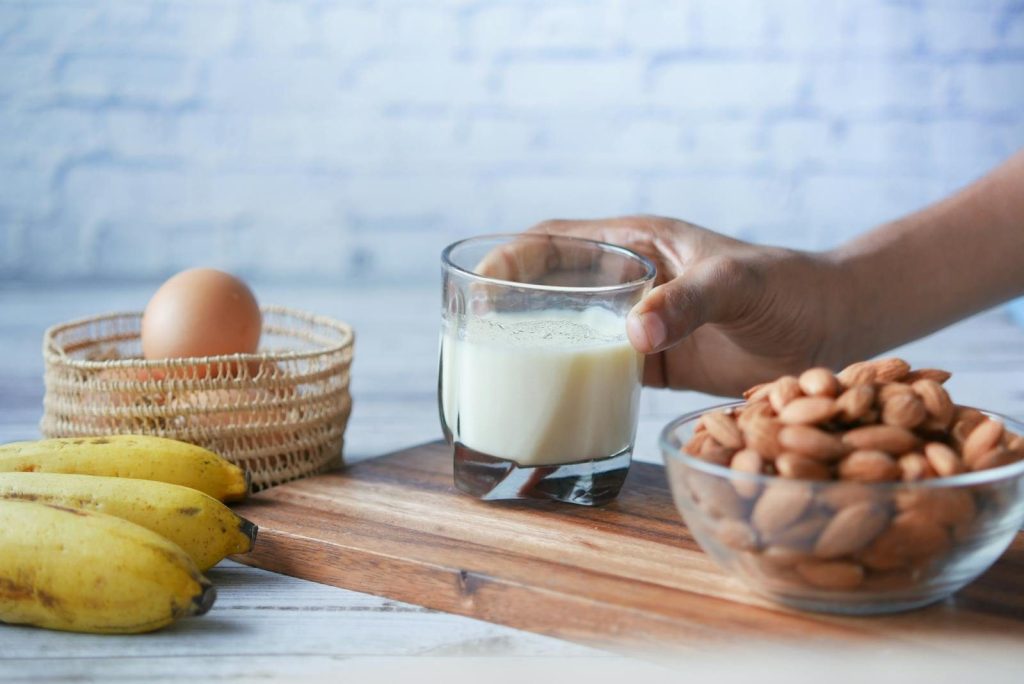
Many common grocery store products are fortified with vitamin D during processing.
Milk, certain plant-based beverages, breakfast cereals, yogurt, and some orange juices may contain added vitamin D. Fortification helps increase intake among people who may not get enough from sunlight or naturally occurring food sources.
Checking nutrition labels can help identify products that contain added vitamin D.
Mushrooms Exposed to Ultraviolet Light

Mushrooms are unique because they can produce vitamin D when exposed to ultraviolet light.
Certain varieties are specifically grown or treated to increase their vitamin D content before reaching store shelves. Labels often indicate whether mushrooms have been exposed to ultraviolet light.
These mushrooms can provide a useful option for people looking to increase vitamin D intake through plant-based foods.
Outdoor Physical Activity

Physical activity itself does not produce vitamin D, but exercising outdoors can increase opportunities for sun exposure.
Walking, gardening, hiking, cycling, and other outdoor activities may help support vitamin D production while providing additional health benefits.
For many people, combining movement with time outdoors can become a practical part of a healthy routine.
Cod Liver Oil
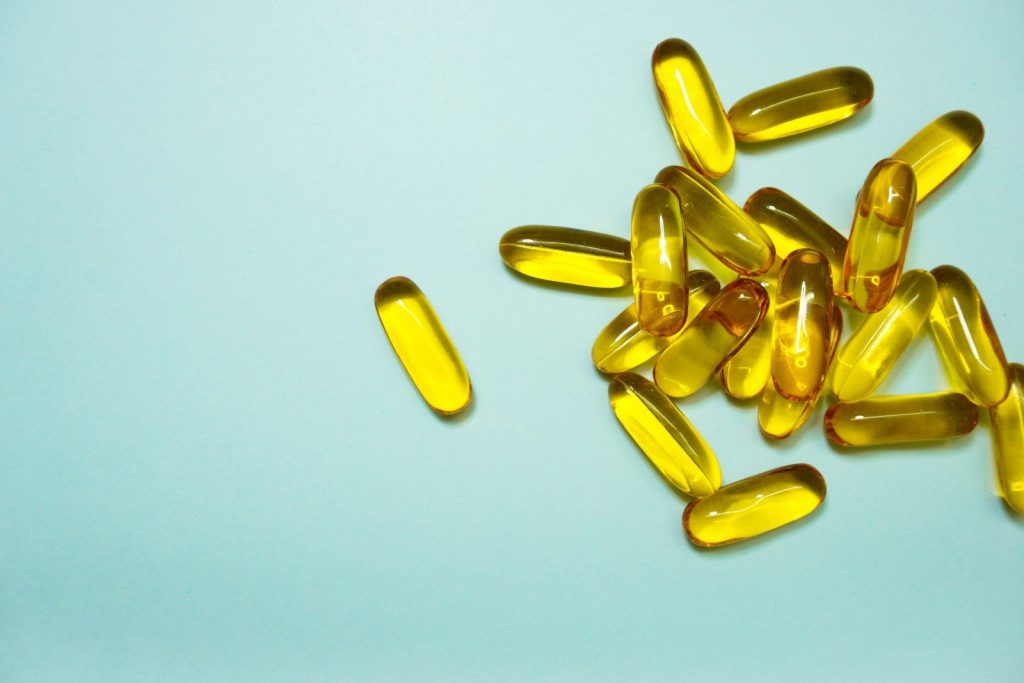
Although technically a food product rather than a traditional supplement tablet, cod liver oil has long been recognized as a natural source of vitamin D.
It also contains vitamin A and omega-3 fatty acids. Because nutrient levels can vary significantly, it is important to follow product directions and discuss use with a healthcare professional when necessary.
Many people continue to use cod liver oil as part of their dietary routine.
Why Vitamin D Matters
Vitamin D helps the body absorb calcium and supports healthy bones and teeth. It also plays a role in immune system function and muscle health.
Because relatively few foods naturally contain high amounts of vitamin D, maintaining adequate levels can sometimes require a combination of dietary choices and lifestyle habits.
Supporting Healthy Vitamin D Levels Naturally