

Store-bought herbs are one of the biggest hidden expenses in the kitchen. A small packet of fresh rosemary or thyme can cost several dollars, only to wilt in the fridge a few days later. That’s why more gardeners are turning to low-maintenance herbs that can keep producing year after year with surprisingly little effort.
These aren’t the usual “water regularly” tips. They’re the clever growing hacks experienced gardeners use to turn a few herb plants into a long-term harvest machine.
Let Thyme Grow In The Cracks Most Plants Hate
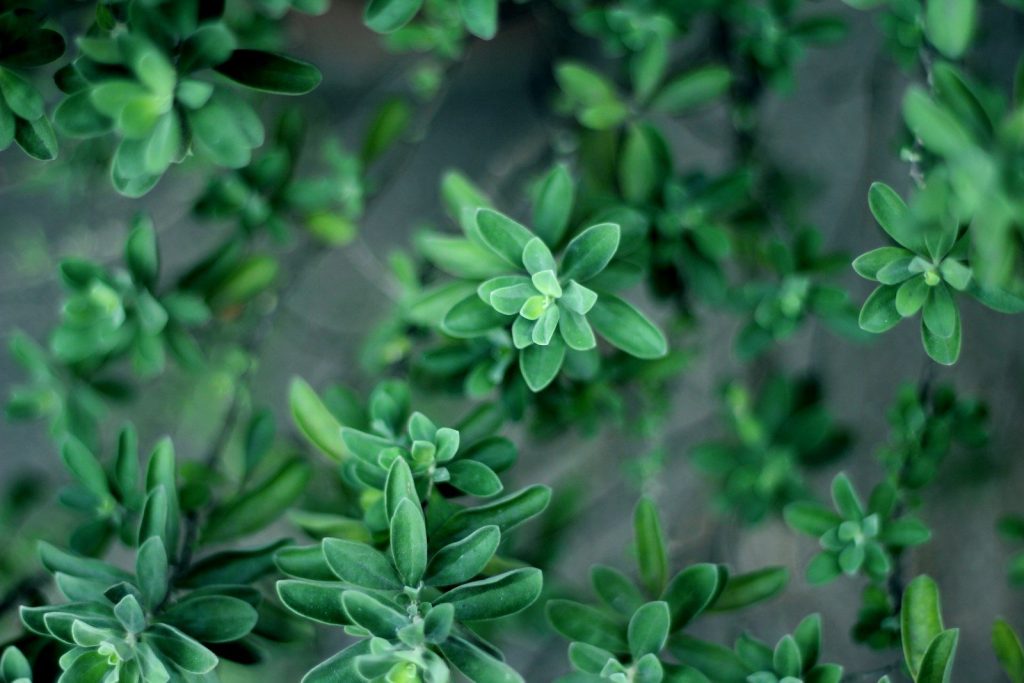
Many gardeners baby thyme in rich soil, but this Mediterranean herb often performs better in conditions that would frustrate other plants.
Planting thyme between stepping stones, along gravel paths, or in rocky borders creates excellent drainage and mimics its natural habitat. The result is often a hardier plant that returns year after year with almost no attention.
Turn One Chive Plant Into A Dozen With The “Birthday Split”
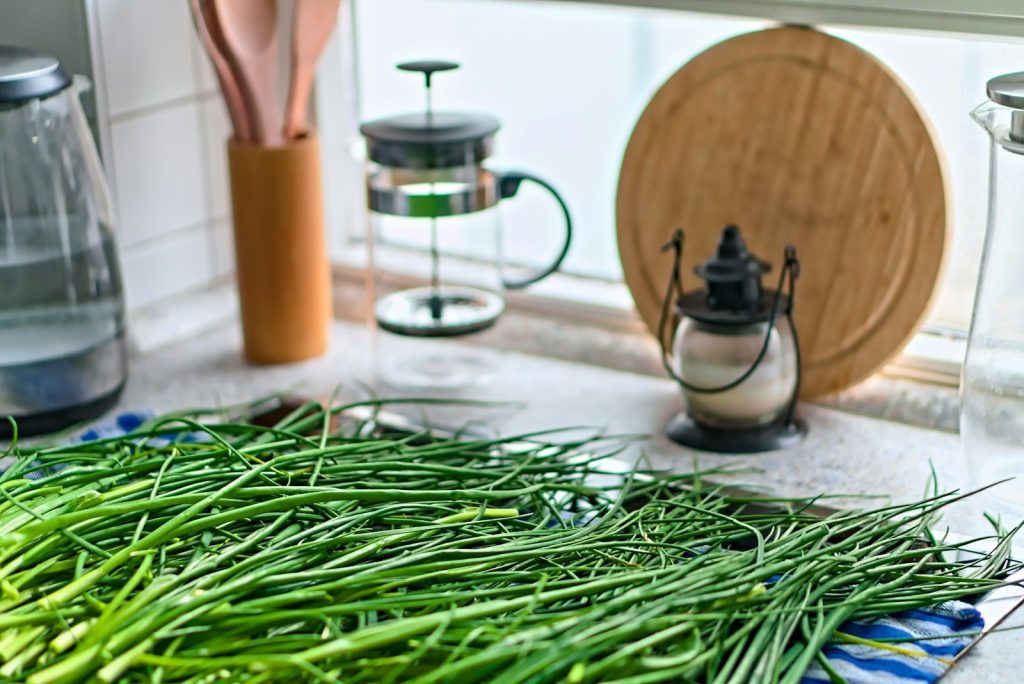
Here’s a trick many longtime gardeners swear by: every year on the same date, divide your chive clump.
A mature chive plant can easily be split into several new plants. After a few seasons, one original purchase can supply enough chives for multiple beds, containers, and even friends’ gardens.
Use Mint As A Living Mosquito Barrier

Most people grow mint for tea or cocktails, but savvy gardeners often place containers of mint near patios, outdoor seating areas, and doorways.
While it’s not a miracle mosquito repellent, the strong aroma can make outdoor spaces less inviting to certain pests. Meanwhile, the plant keeps producing leaves for years, making it one of the highest-value herbs you can grow.
Let Oregano Become A Ground Cover
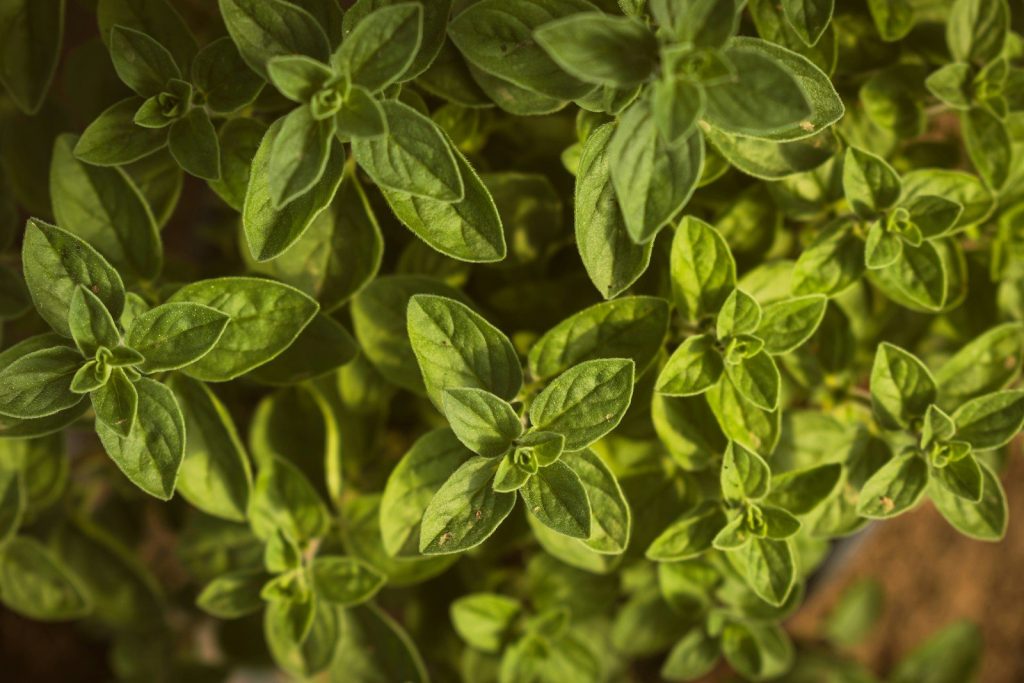
Instead of treating oregano like a neat little herb plant, use it like an edible landscape feature.
Oregano naturally spreads into dense mats that suppress weeds, fill awkward spaces, and provide constant harvests. Some gardeners even use it to soften the edges of raised beds where ornamental plants would normally go.
Keep Rosemary Slightly Uncomfortable
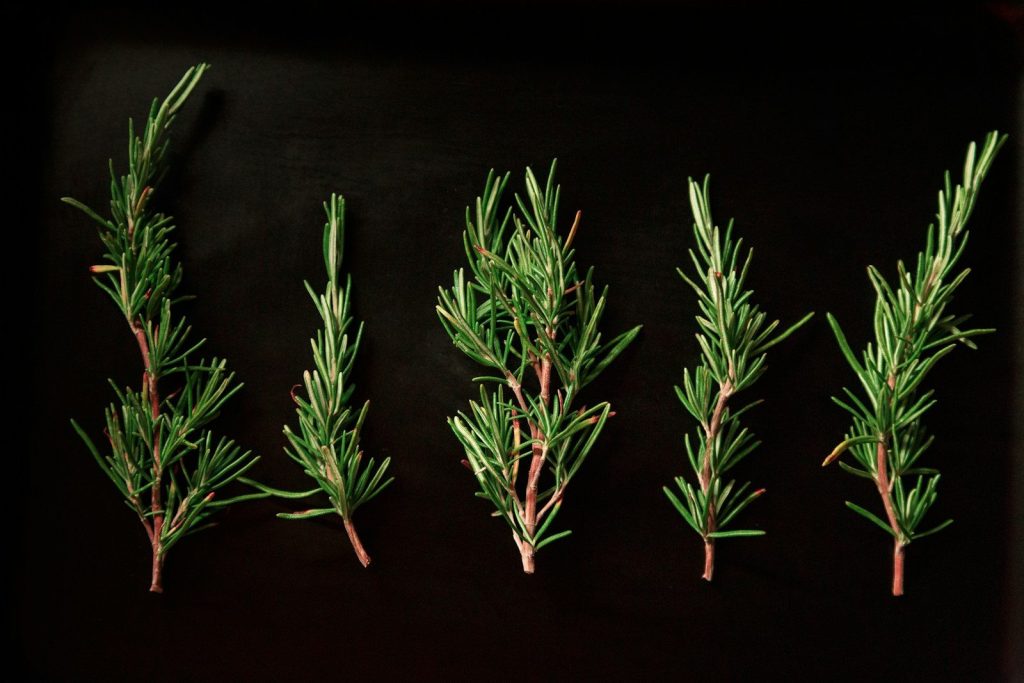
This sounds wrong, but rosemary often thrives when gardeners stop trying so hard.
Overwatering and overly rich soil are among the fastest ways to shorten its lifespan. Allowing the soil to dry between waterings and avoiding excessive fertilizer can encourage a tougher, woodier plant that survives for many years.
Harvest Sage Before You Need It
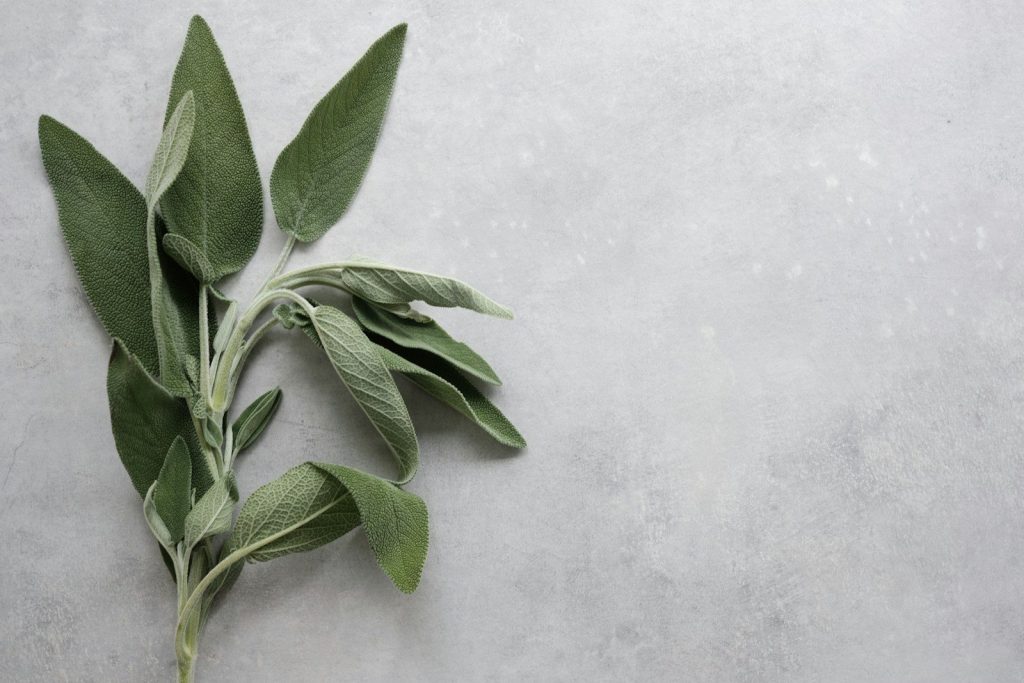
Most people harvest herbs only when cooking, but experienced growers often trim sage regularly whether they need it or not.
Frequent cutting prevents plants from becoming woody and sparse. The bonus? Extra leaves can be dried and stored, creating a free spice supply long after the growing season ends.
Create A “Perennial Herb Corner” And Forget About It
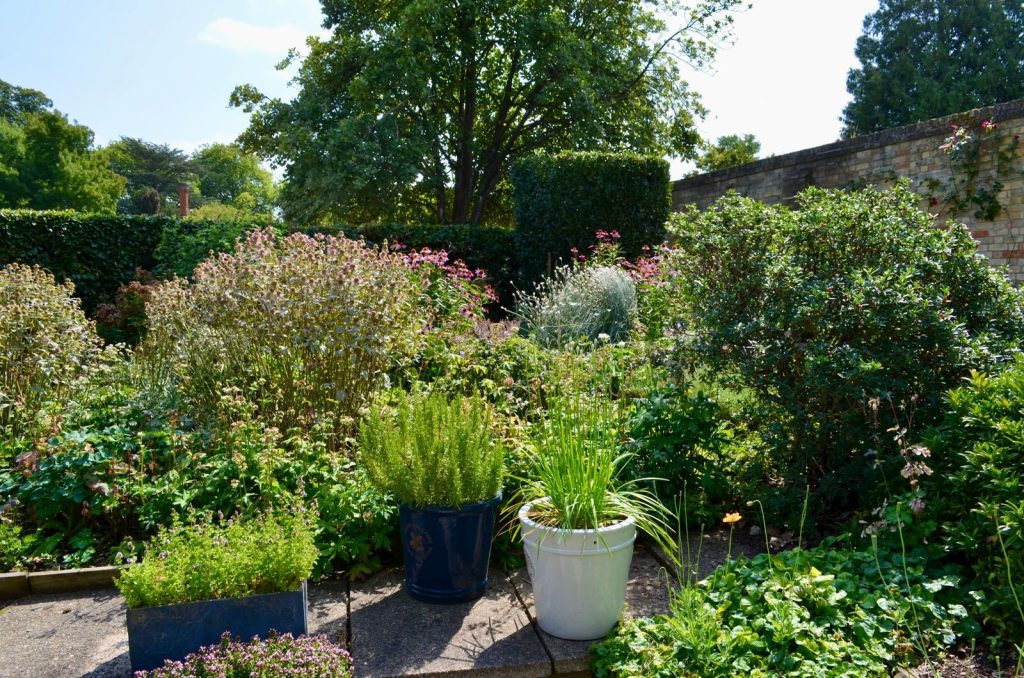
One of the smartest gardening hacks isn’t about a specific herb at all.
Many gardeners dedicate a single sunny corner to long-lived herbs like rosemary, thyme, sage, oregano, and chives. Once established, these plants often require far less attention than vegetables and annual flowers while continuing to provide harvests season after season.
The Real Secret Is Choosing Herbs That Work Harder
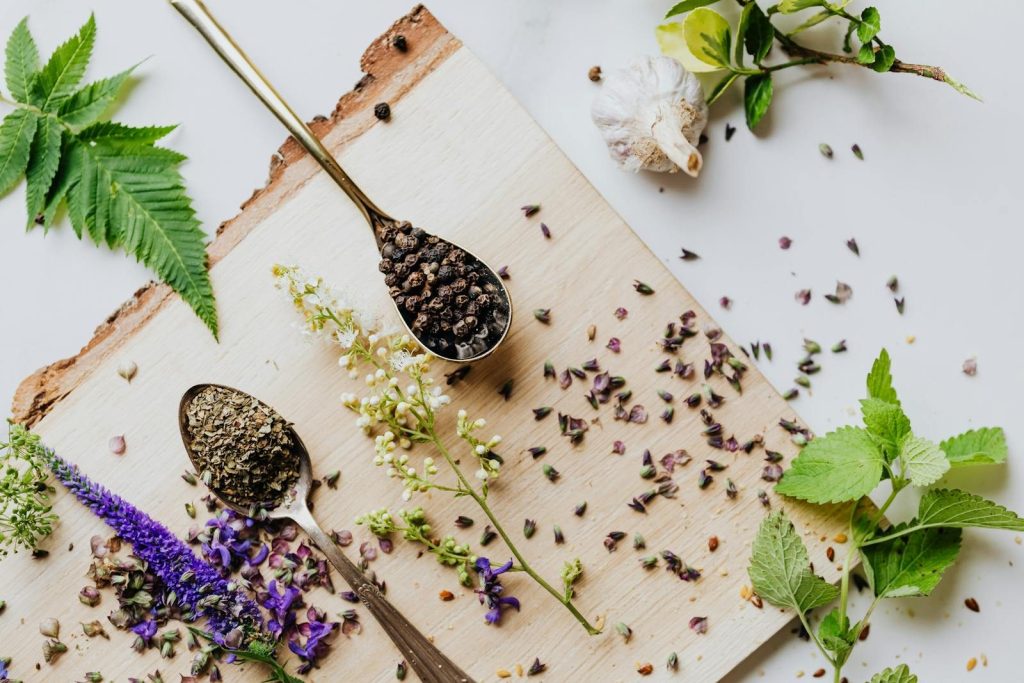
The most productive herb gardens aren’t filled with dozens of different plants. They’re built around a handful of reliable perennials that keep showing up every year. With a few smart placement tricks and occasional maintenance, these herbs can reward you with fresh harvests long after most annual plants have disappeared from the garden.