

Fresh vegetables have always carried an assumption of superiority that the food industry has done very little to correct. The word fresh implies better, more natural, and more nutritious in a way that frozen never quite shakes off despite decades of evidence pointing in the opposite direction. The reality that dietitians keep coming back to is that frozen vegetables are harvested at peak ripeness and flash frozen within hours, while fresh produce spends days or weeks in transit and on shelves losing nutritional value the entire time. For these seven vegetables specifically, the freezer aisle is the smarter choice every single time.
Peas
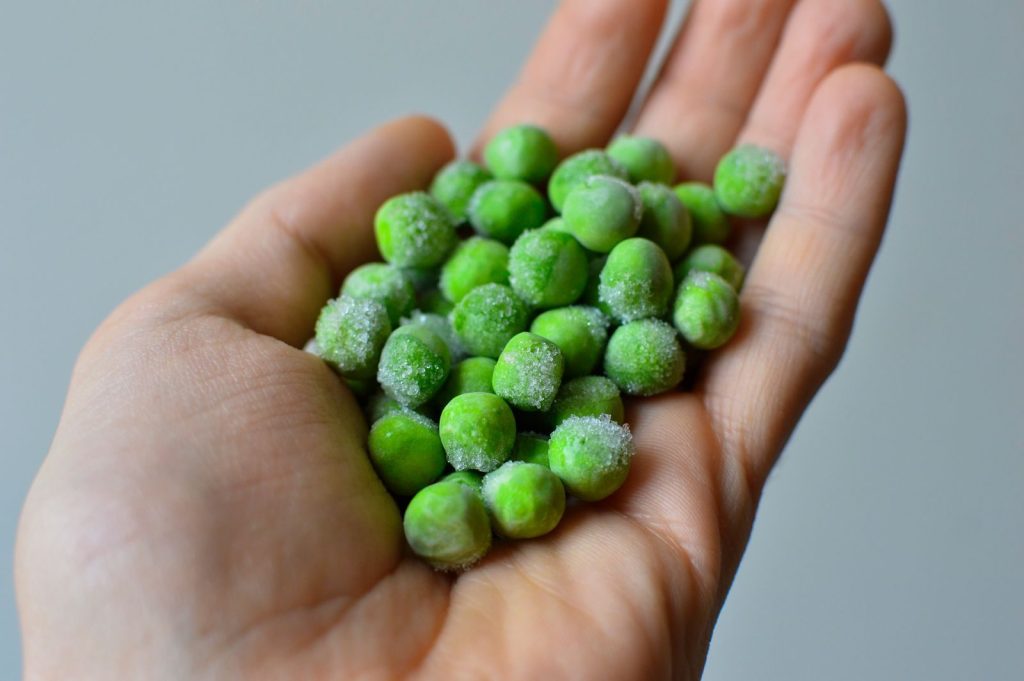
Fresh peas begin converting their natural sugars to starch within hours of being picked, which is why peas eaten straight from a garden taste nothing like the ones sitting in a grocery store produce section. Frozen peas are blanched and flash frozen within two to three hours of harvest, locking in their sweetness and nutritional profile at peak ripeness. Studies comparing fresh and frozen peas consistently show frozen peas retaining significantly higher levels of vitamin C and B vitamins than their fresh counterparts by the time they reach a kitchen counter.
Spinach
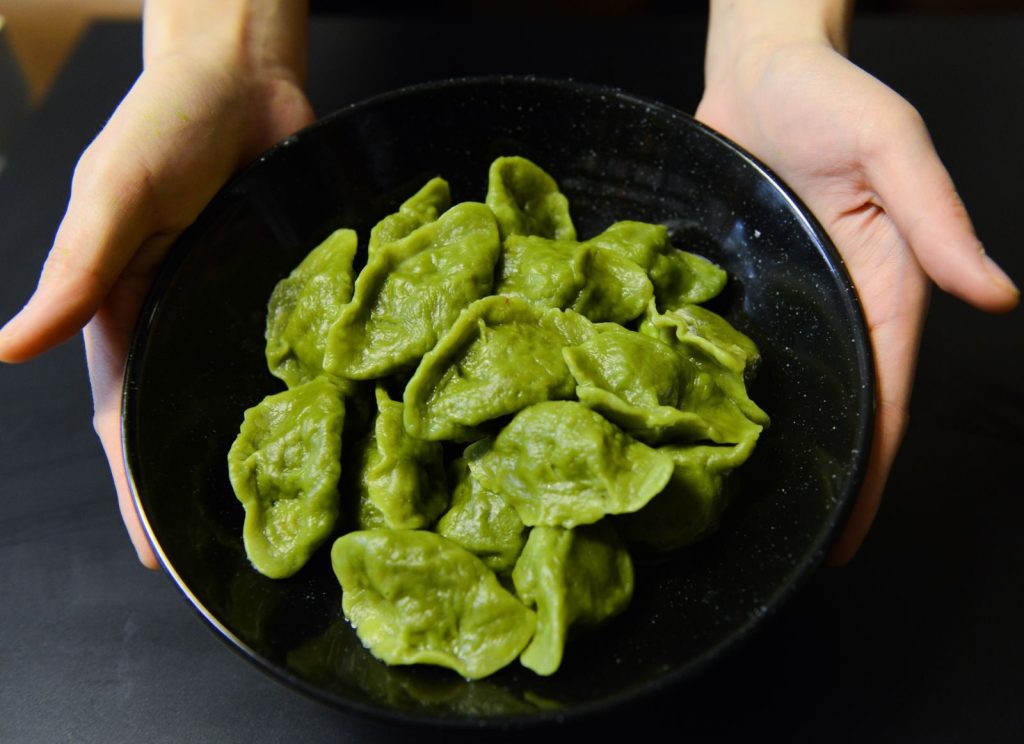
The volume difference between fresh and frozen spinach is one of the most practically significant facts in any kitchen. A large bag of fresh spinach wilts down to a fraction of its original size when cooked, while frozen spinach is already condensed and delivers far more nutritional content per cup than the same volume of fresh leaves. For cooked applications like soups, pasta, eggs, and sauces, frozen spinach is more nutrient-dense, more economical, and already at the texture the recipe needs without any wilting required.
Corn
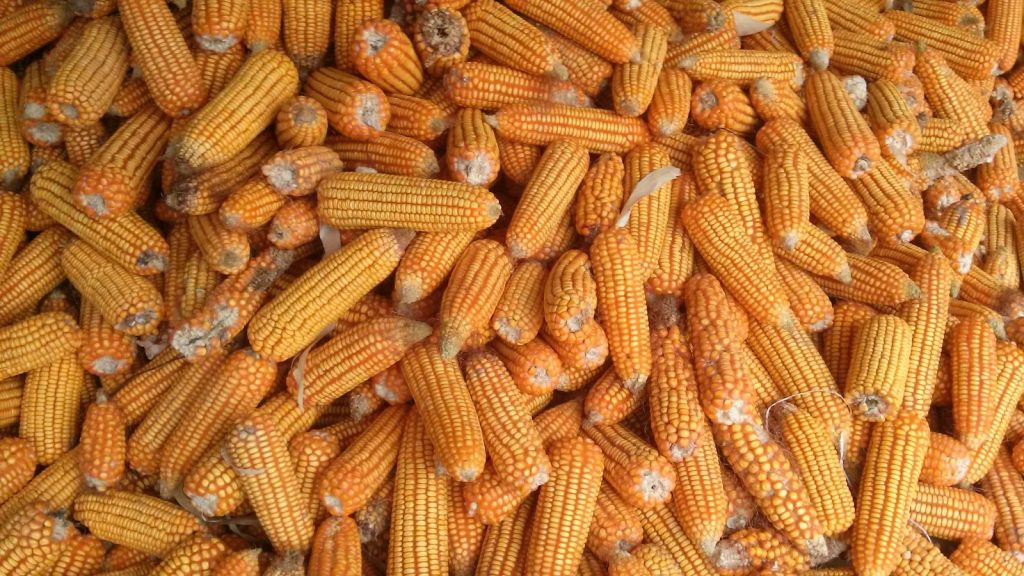
Like peas, fresh corn begins losing its sugar content and converting it to starch from the moment it is harvested. Corn sold fresh in a grocery store has typically been off the stalk for several days, which means a meaningful portion of its natural sweetness and nutritional value has already degraded before it is purchased. Frozen corn is processed within hours of harvest and retains both its flavor and its nutrient profile far more reliably than fresh corn that has traveled any significant distance to reach the store.
Broccoli
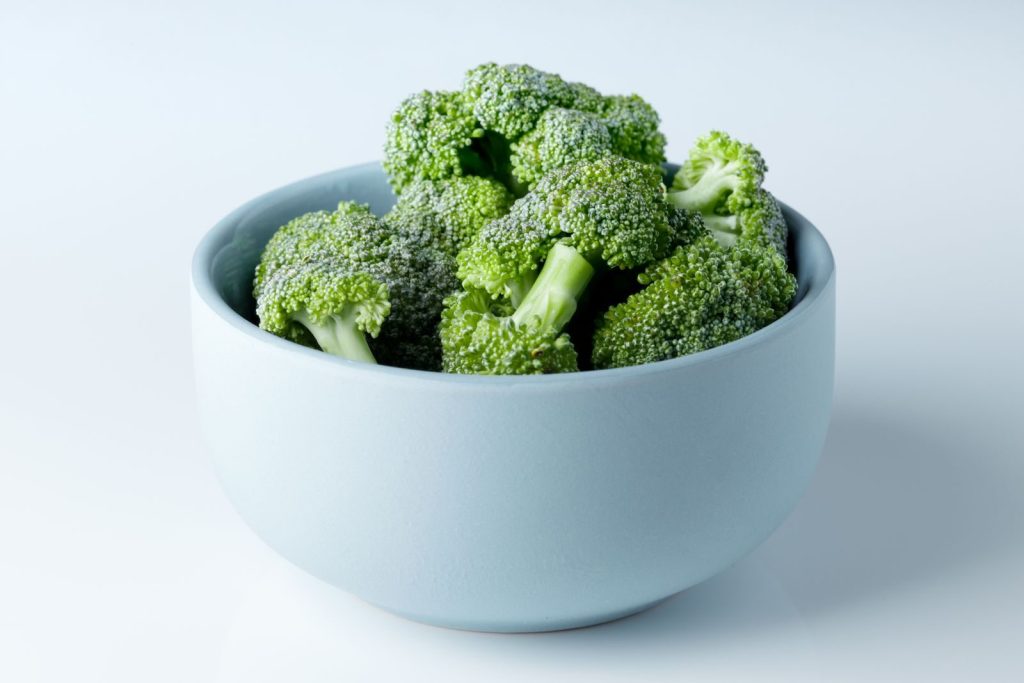
Fresh broccoli that has been sitting in a produce section for several days shows measurable losses in glucosinolates, the sulfur-containing compounds responsible for broccoli’s documented cancer-fighting properties. Frozen broccoli blanched and frozen at peak harvest retains those compounds significantly better over time. For anyone eating broccoli specifically for its health benefits rather than just as a side vegetable, frozen is the version that reliably delivers what the research actually promises.
Edamame
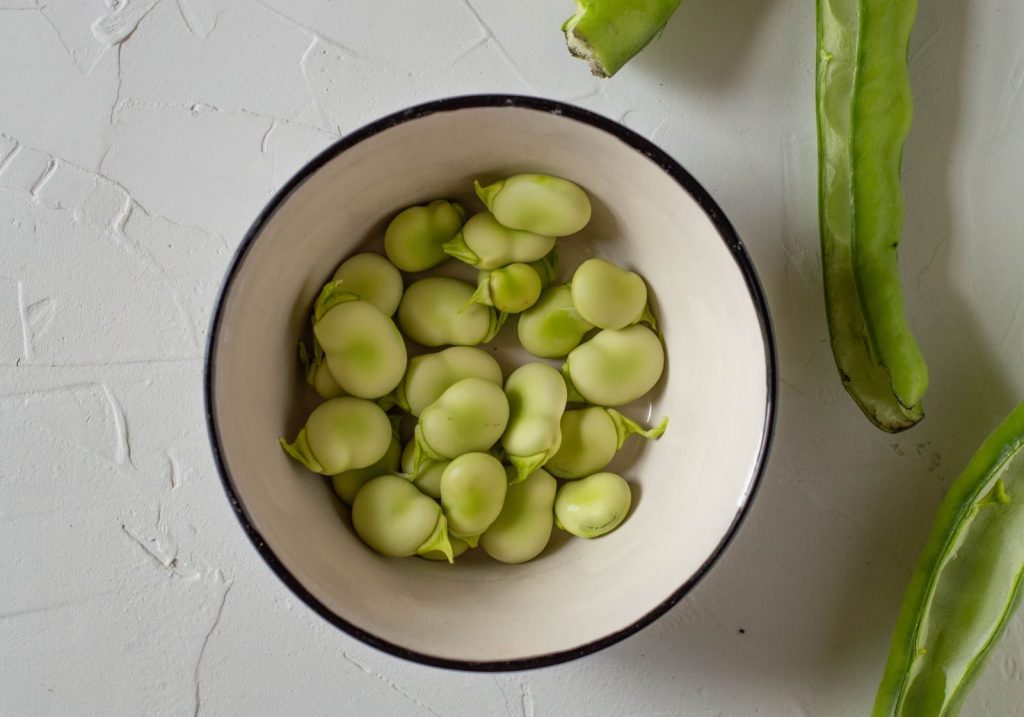
Fresh edamame outside of Japan is almost impossible to find at genuine peak ripeness, which means most people have never actually tasted it at its best. Frozen edamame available in virtually every grocery store is harvested and processed at the exact point of optimal flavour and nutrition, delivering a product that is consistently better than anything labelled fresh that has spent days in transit and refrigerated storage. It also comes pre-portioned and ready to steam in minutes, making it one of the most convenient high-protein snacks available anywhere in the store.
Butternut Squash
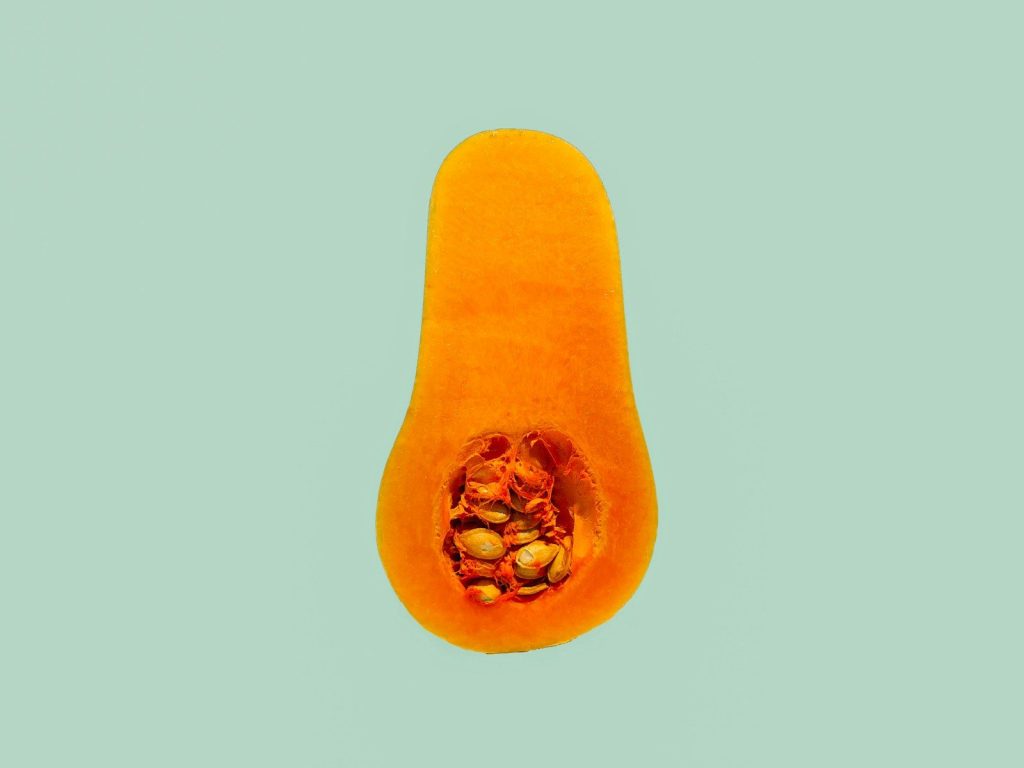
Peeling, seeding, and cubing a raw butternut squash is one of the most time-consuming and physically demanding prep tasks in any kitchen, and the dense, waxy skin makes it genuinely difficult to do safely. Frozen butternut squash comes pre-cubed, already at a uniform size that cooks evenly, and with no nutritional compromise compared to fresh. For soups, roasted vegetable dishes, and pasta, it is one of the few frozen vegetables that dietitians recommend not because of superior nutrition but because the elimination of prep time removes the barrier that stops most people from eating it regularly.
Green Beans
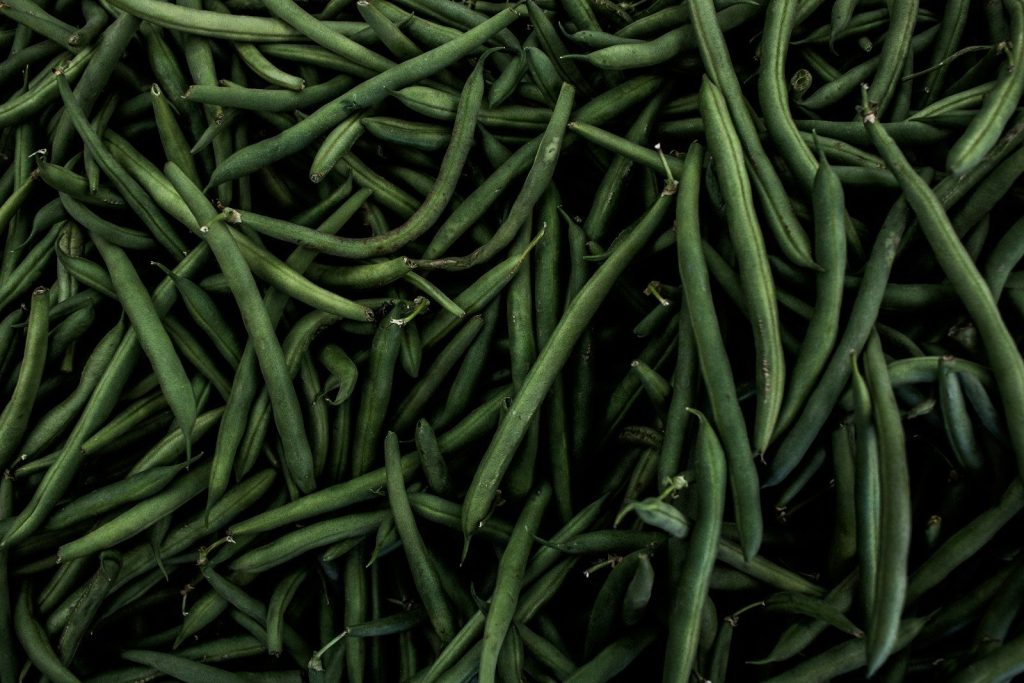
Fresh green beans require trimming, washing, and careful cooking to reach the right texture, and their window of genuine freshness after harvest is narrow enough that most store-bought green beans are already past their peak by the time they are purchased. Frozen green beans blanched at harvest hold their colour, fibre content, and nutritional profile reliably and cook in a fraction of the time. For stir fries, casseroles, and side dishes, they perform consistently well in a way that out-of-season fresh green beans almost never do.
The Freezer Aisle Deserves a Lot More Respect Than It Gets
The idea that fresh is always better is a marketing position more than a nutritional fact, and for these seven vegetables specifically the evidence consistently says otherwise. Frozen produce picked at peak ripeness and processed immediately delivers more of what the plant actually contains than fresh produce that has been sitting in transit and on shelves for the better part of a week. The freezer aisle is not the compromise option. For these vegetables it is the smarter one.