

Weeding is one of those gardening tasks that never seems to stay finished for long. You pull a few weeds, admire your work, and then somehow new ones appear days later. The problem is that many gardeners focus on removing what they can see above the soil while missing the factors that allow weeds to keep returning. A few small adjustments can make weed removal more effective and help you spend less time fighting the same plants over and over again.
Pull Weeds After A Rainfall
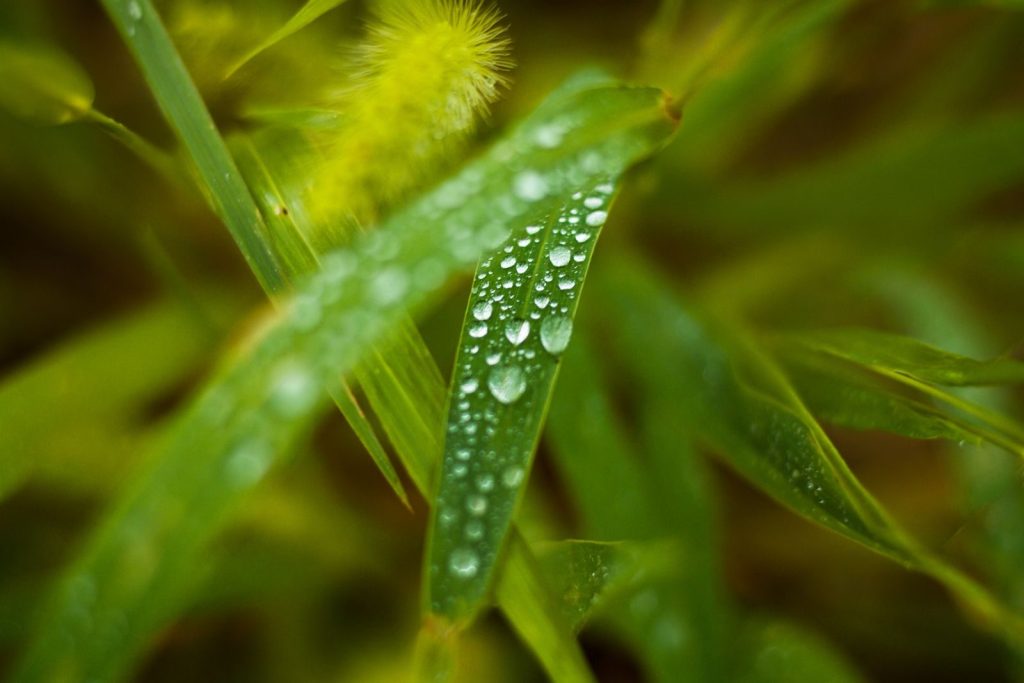
Many gardeners head outside on a sunny day and immediately start pulling weeds. The trouble is that dry soil often grips roots tightly, making them more likely to snap before coming out completely. Moist soil loosens its hold, allowing more of the root system to come out in one pull. Waiting until after rainfall or watering the area beforehand can make weed removal noticeably easier and more effective.
Image Idea: Close-up of weeds covered in rain droplets after a fresh shower.
Don’t Let Weeds Reach The Seed Stage
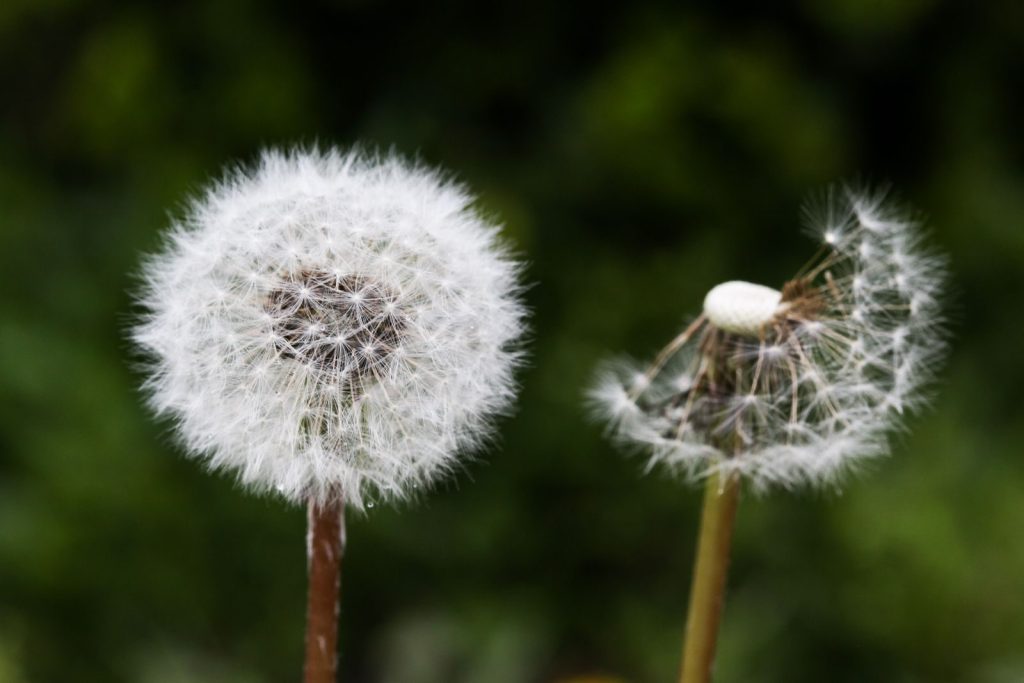
A single weed may not seem like a big problem until it starts producing seeds. Once that happens, future generations can quickly spread throughout the garden. Removing weeds while they are still young often prevents much larger problems later. It is one of the simplest ways to reduce future workload.
Use Mulch As A Weed Blocker
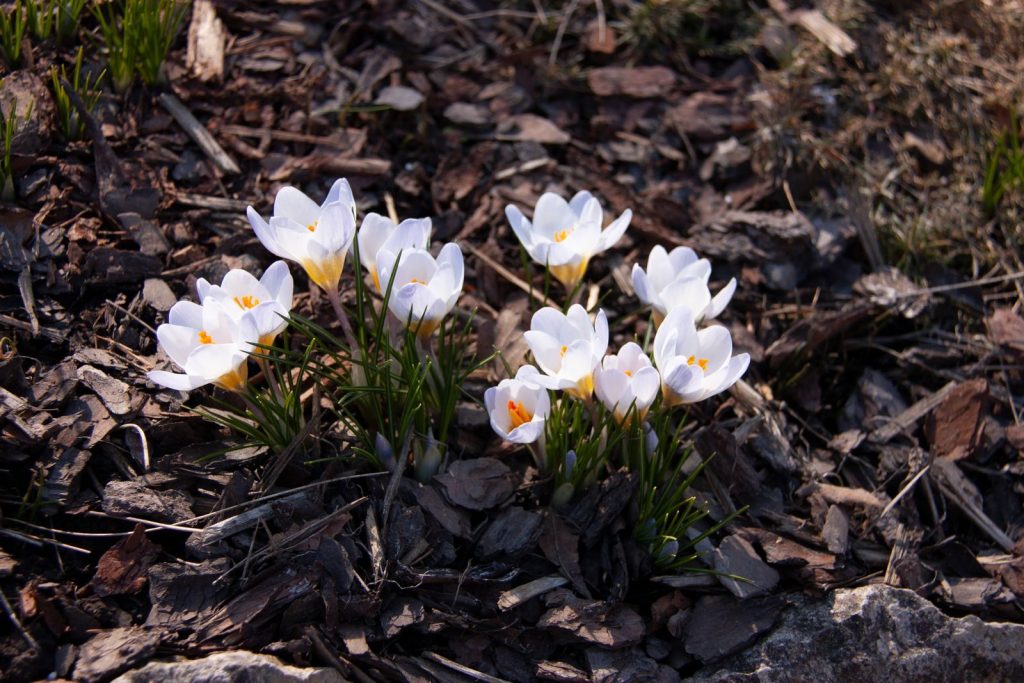
Mulch does more than make a garden look tidy. A layer of mulch helps block sunlight from reaching weed seeds, making it harder for them to germinate. Many gardeners find they spend far less time pulling weeds in mulched beds compared to bare soil. Organic mulch can also help retain moisture and improve soil quality over time.
Loosen The Soil Before Pulling
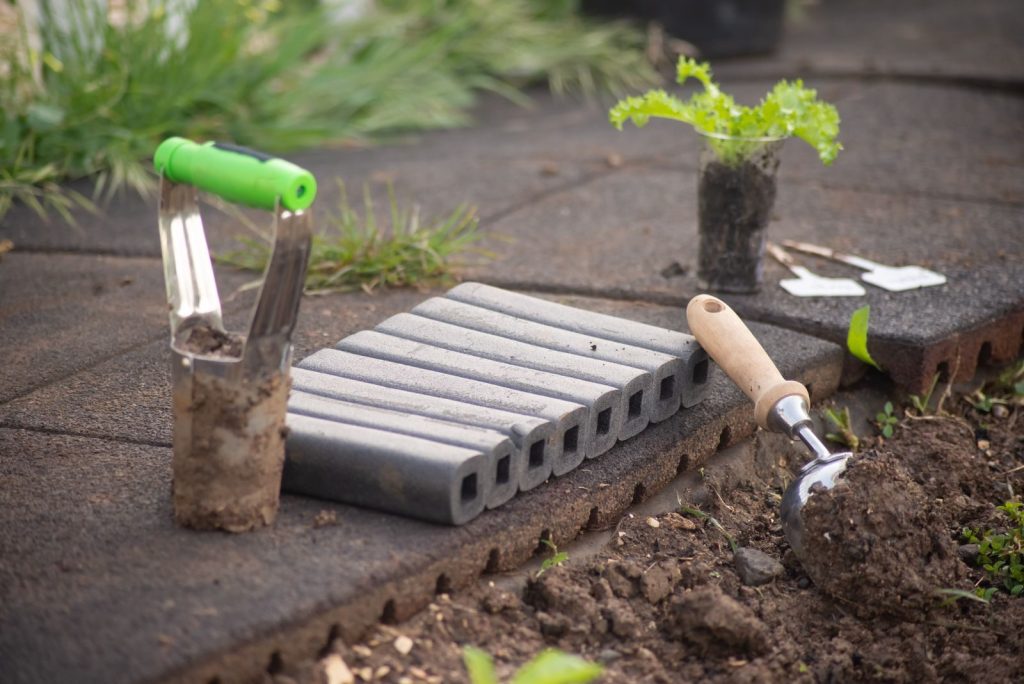
Some stubborn weeds have deep roots that resist removal. Trying to yank them straight out often leaves part of the root behind. Using a hand fork or small garden tool to loosen the surrounding soil first can improve your chances of removing the entire plant. This extra step takes only a few seconds but can save repeated effort later.
Focus On The Root, Not The Leaves
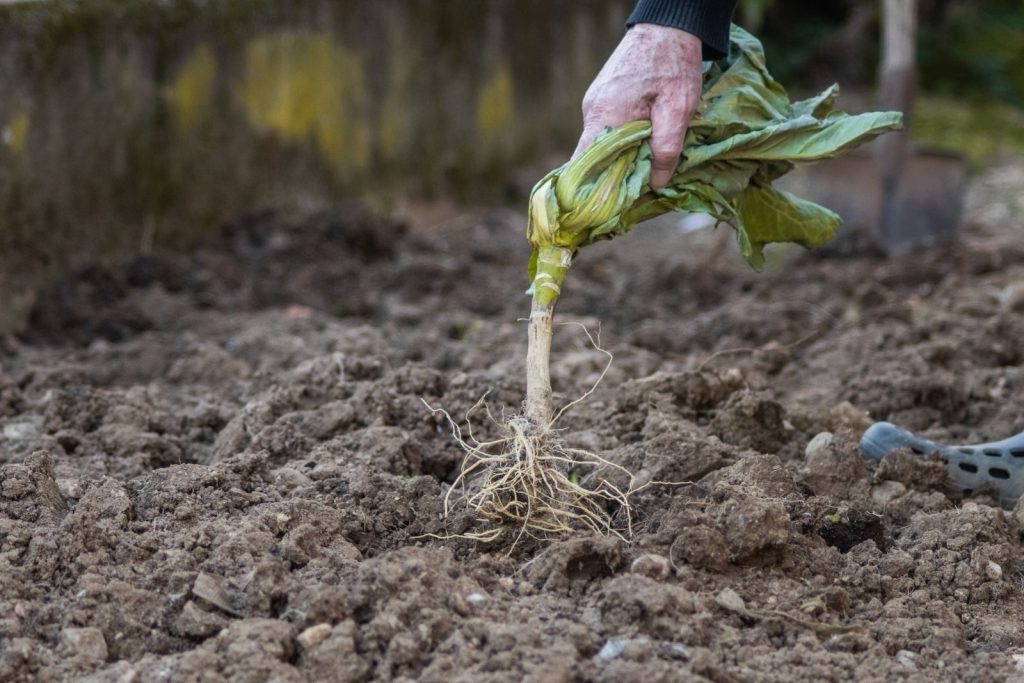
Many gardeners grab the leafy top of a weed and pull quickly. Unfortunately, this often tears the plant away from the root system. Weeds with remaining roots frequently grow back. Getting as close to the base of the plant as possible and pulling steadily helps increase the chances of complete removal.
Fill Empty Spaces With Ground Cover Plants
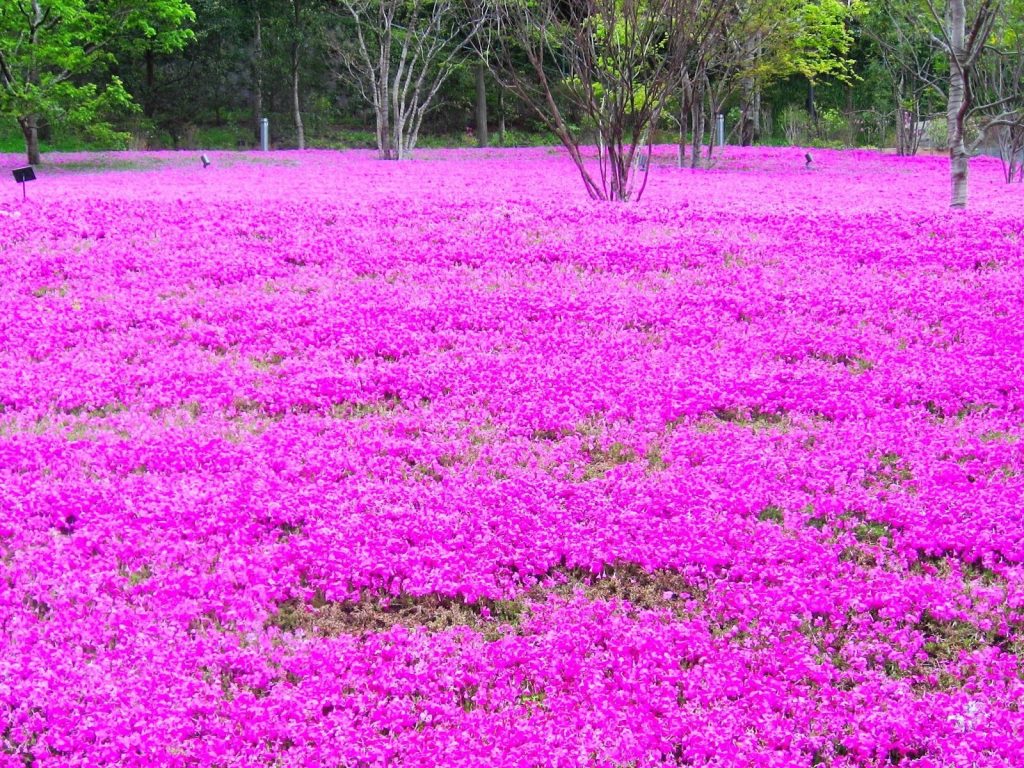
Nature rarely leaves soil empty for long. Bare patches often become invitations for weeds to move in. Ground cover plants can help occupy those spaces while adding visual appeal to the garden. Once established, they may reduce opportunities for weeds to take hold and spread.
Take A Five-Minute Weed Walk Every Week
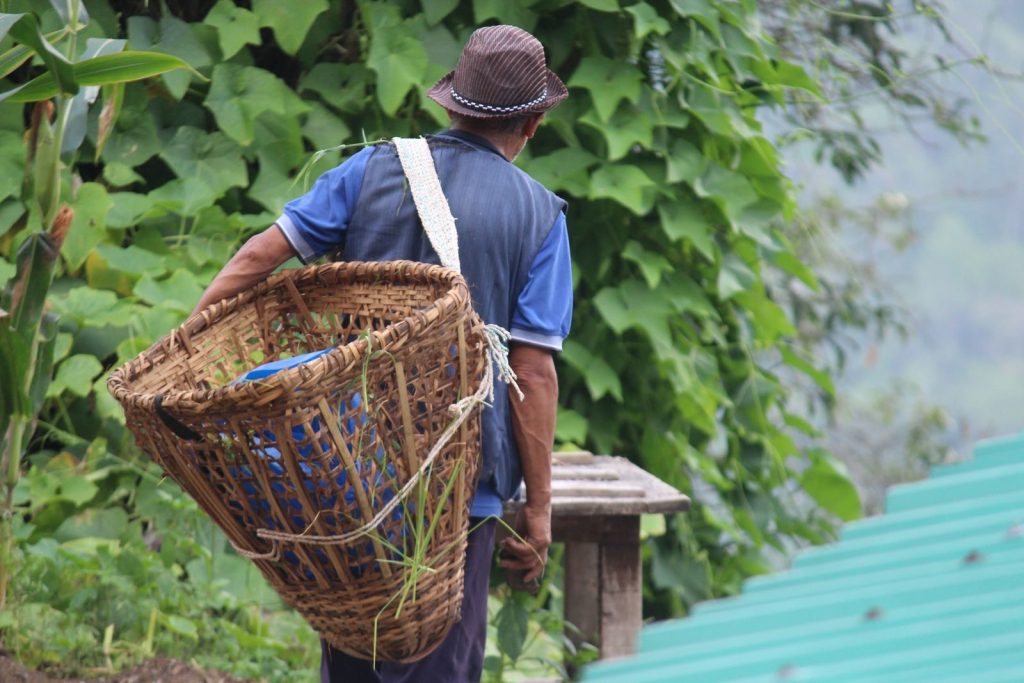
Large weeding sessions can feel overwhelming, which is why many gardeners put them off until the problem becomes obvious. A short weekly walk through the garden allows you to spot young weeds before they become established. Removing a few small weeds regularly is often much easier than tackling dozens later.
Image Idea: Gardener carrying a small basket while walking along a garden path.
The Secret To Easier Weeding Is Getting Ahead Of It

Many people think successful weddings come down to strength or expensive tools, but timing often matters more. Pulling weeds when the soil is cooperative, stopping them before they produce seeds, and preventing new growth through mulch and ground cover can make a significant difference. The goal is not to spend more time weeding. It is to make each effort count so your garden stays healthier with less ongoing work.