

Throughout history, people have stumbled upon objects, patterns, and phenomena that seemed impossible to explain at first glance. A strange shape appearing in a forest, an unusual object sitting at the bottom of a lake, or a blurry image captured by a camera can quickly spark speculation. Today, scientists and researchers have access to powerful technologies that help them investigate these mysteries more thoroughly. These clever tech hacks do not always provide immediate answers, but they often reveal details that transform confusion into understanding.
Using LiDAR To See What Trees Are Hiding
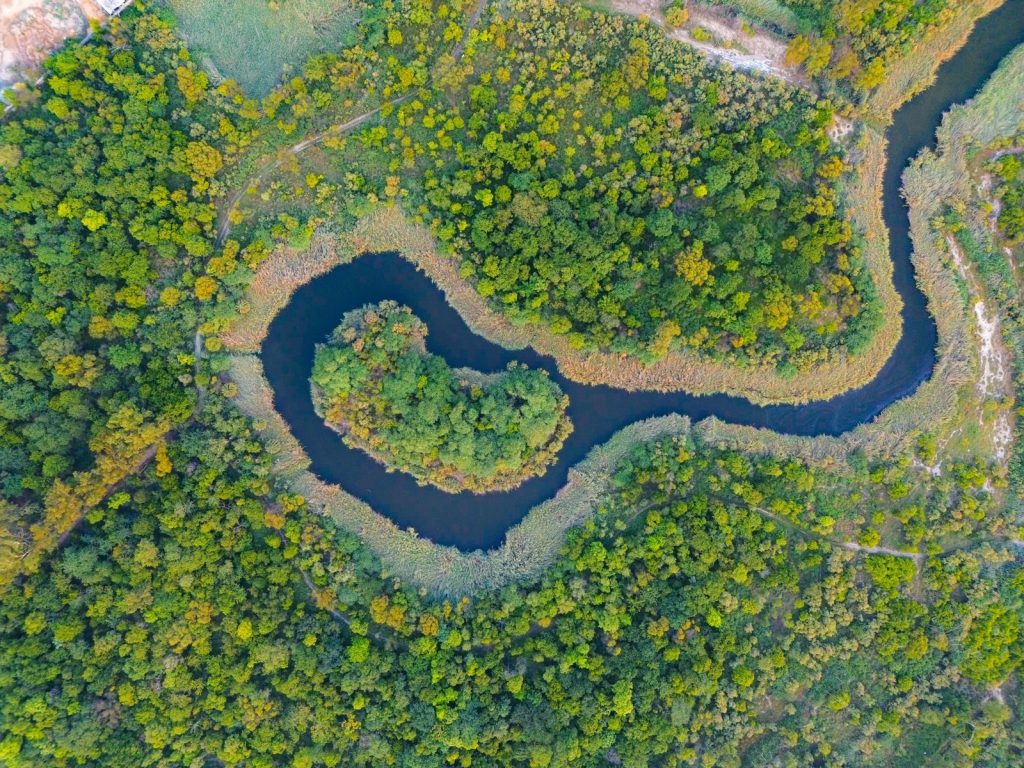
Dense forests can hide remarkable discoveries for decades or even centuries. LiDAR technology uses laser pulses to map terrain beneath vegetation, revealing roads, structures, and landscape features that are invisible from ground level. Researchers have uncovered entire ancient settlements simply by looking at the same forest through a different technological lens.
Letting Drones Provide A New Perspective
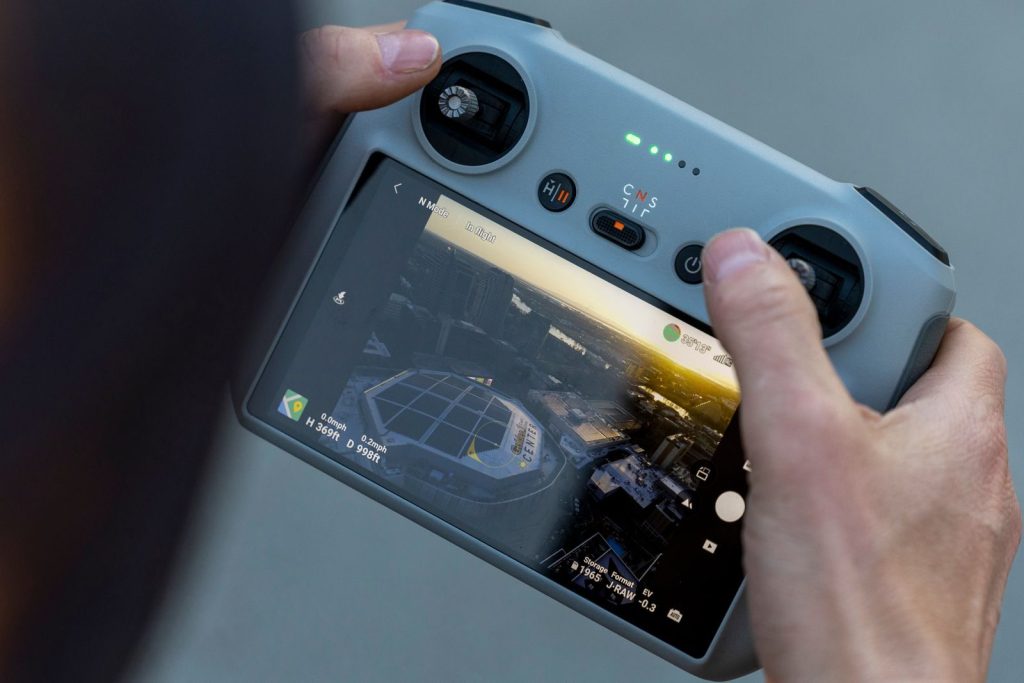
Sometimes the difference between a mystery and an explanation comes down to viewing something from above. Drones allow researchers to capture images from angles that would otherwise be difficult or expensive to access. Patterns that seem random on the ground often become easier to recognise when viewed from the air.
Using Thermal Imaging To Spot What The Eye Misses
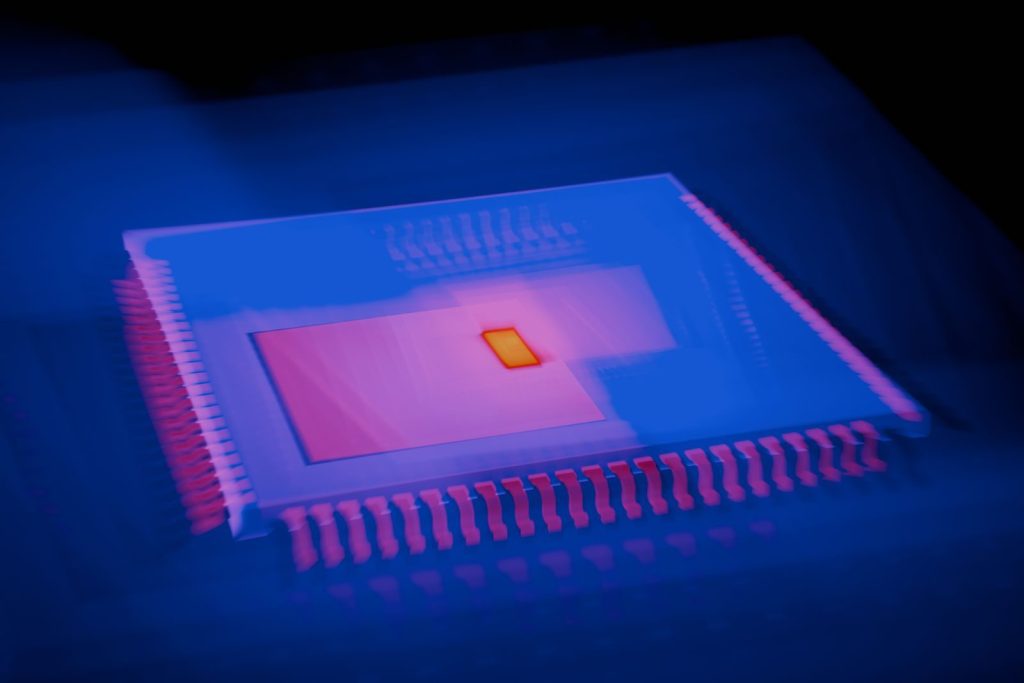
Not everything can be detected with ordinary cameras. Thermal imaging reveals temperature differences that may point to hidden structures, unusual activity, or environmental changes. This technology is widely used in research, engineering, wildlife studies, and search operations because it highlights information that remains invisible in standard photographs.
Scanning The Ground Without Digging
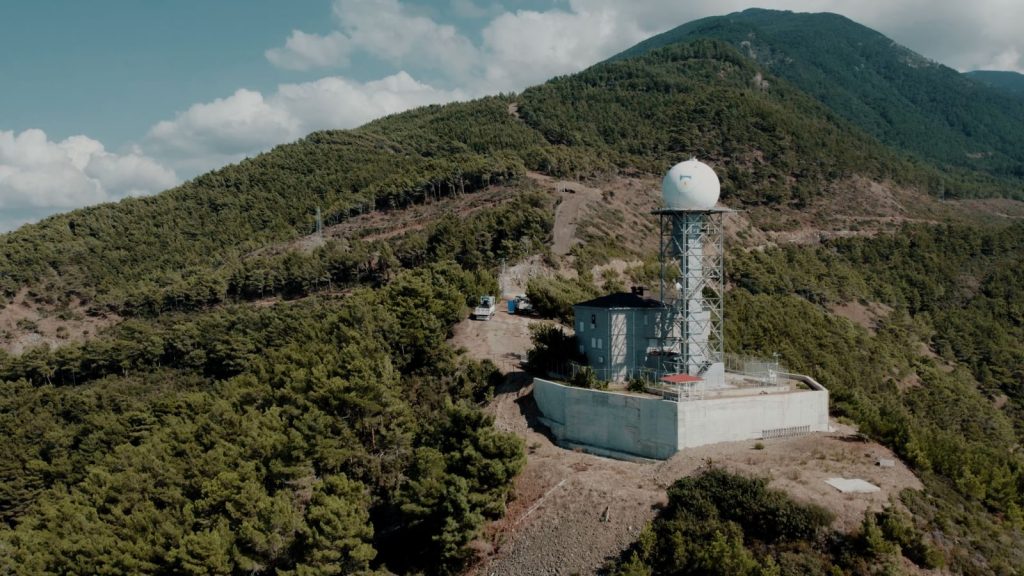
Ground-penetrating radar allows researchers to investigate what lies beneath the surface before excavation begins. By sending signals into the ground and analysing the reflections, scientists can identify buried objects, foundations, and unusual underground features. It is often one of the first tools used when investigating a site with unanswered questions.
Rebuilding Damaged Finds With 3D Models
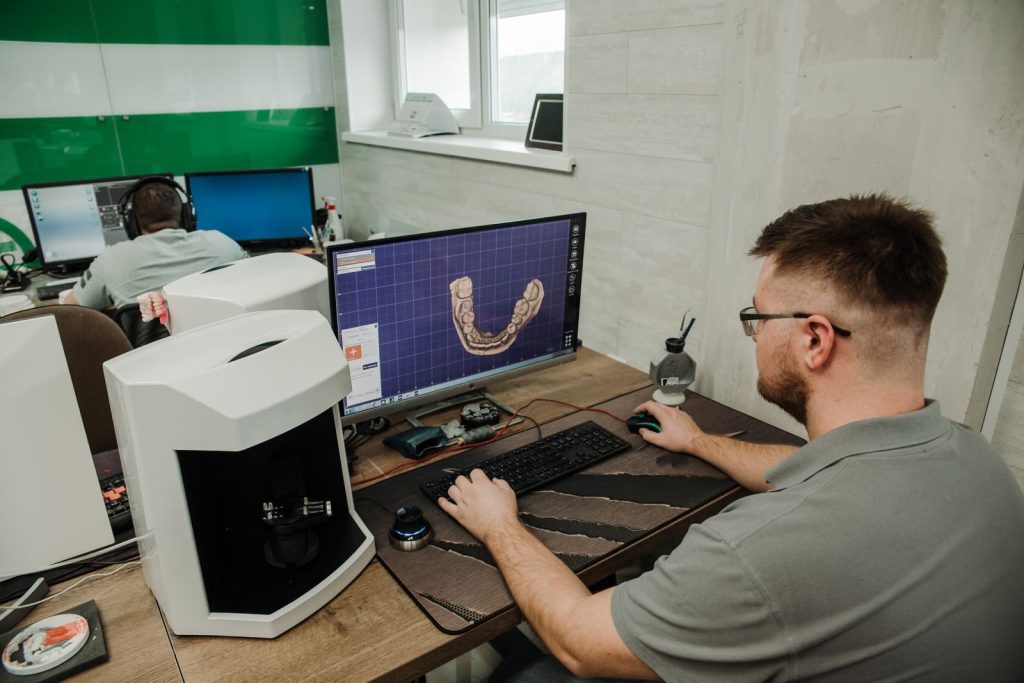
Many discoveries are incomplete, damaged, or fragile. High-resolution 3D scanning allows researchers to create digital versions that can be enlarged, rotated, and studied without touching the original object. This approach often reveals details that would otherwise go unnoticed.
Image Idea: Computer monitor displaying a rotating 3D model of an ancient artifact.
Using AI To Find Hidden Patterns

Modern investigations generate enormous amounts of data. Artificial intelligence helps researchers sort through information, compare images, identify similarities, and highlight unusual patterns. In some cases, AI can process years of research data far faster than a human team working manually.
Enhancing Images To Reveal More Detail

Many mysteries begin with low-quality photographs or blurry footage. Modern image-processing tools can improve visibility, reduce noise, and highlight details that are difficult to detect with the naked eye. While enhancement cannot create missing information, it can help researchers make better use of what is already there.
The Technology Is Often As Fascinating As The Discovery

The most intriguing discoveries rarely arrive with clear explanations attached. What makes modern investigations different is the growing collection of tools available to researchers. Technologies such as LiDAR, thermal imaging, drones, artificial intelligence, and 3D scanning continue to uncover details that would have remained hidden in the past. Sometimes the real breakthrough is not the discovery itself but the technology that finally helps us understand it.