

This dish has taken over weeknight cooking for one simple reason: it looks and tastes like something that took effort, but it’s built on a handful of technique decisions most people stumble onto by accident rather than design. The real reason it works has nothing to do with the ingredient list and everything to do with what happens in the pan, and in what order.
Chicken Thighs Over Breasts, Every Single Time
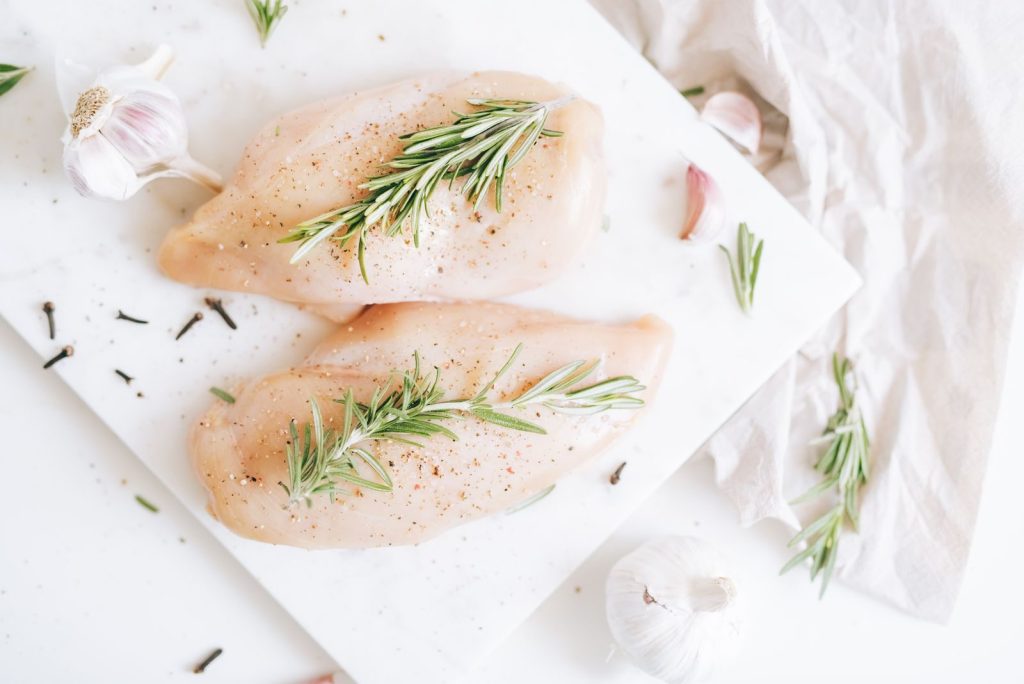
Chicken breast dries out in a one-pan dish because it loses moisture faster than it can absorb the liquid cooking around it. Thighs are built differently, their higher fat content keeps them juicy even after a longer simmer, which is exactly what a dish that finishes low and slow needs. It is the single decision that separates a tender result from a dry one.
Do Not Crowd the Pan When Browning
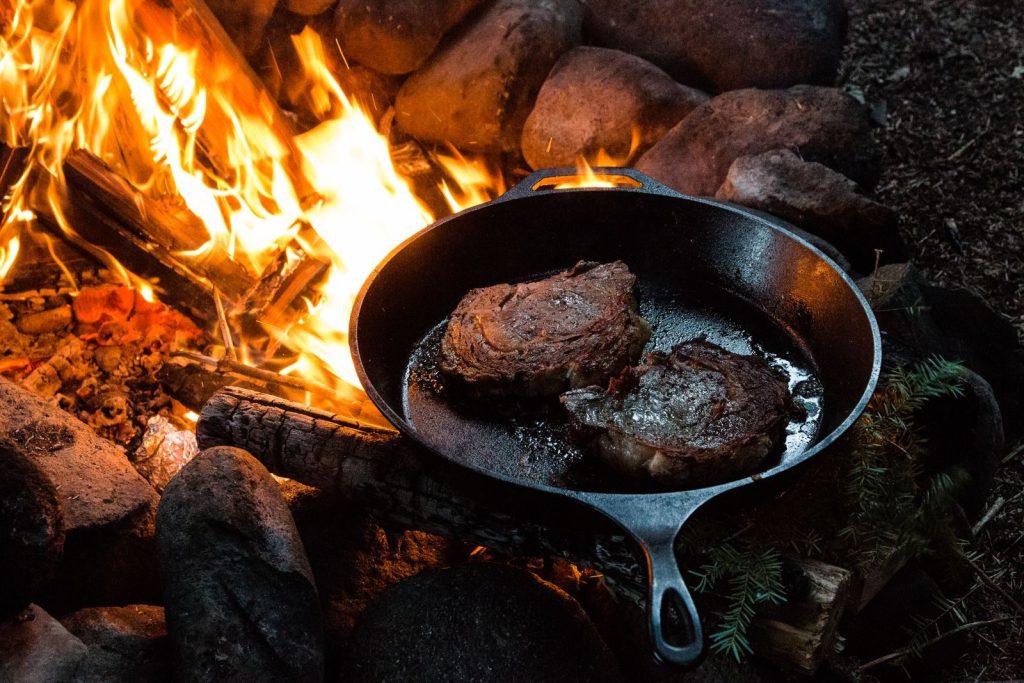
Browning only happens when the surface of the chicken is in direct contact with the hot pan and not steaming itself in moisture released by neighboring pieces. Working in batches if the pan is not large enough keeps every piece browning instead of stewing, and that golden crust is what carries most of the flavor into the rest of the dish.
Cabbage Goes in Last, Not First
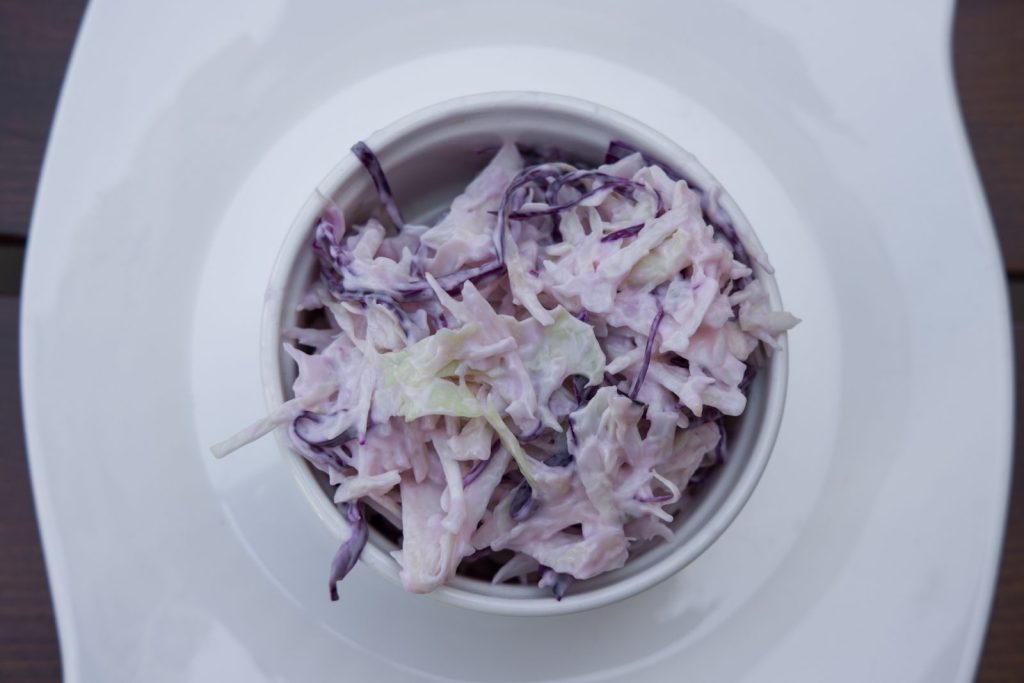
Cabbage releases a significant amount of water as it cooks, and adding it too early turns everything in the pan watery and bland. Waiting until the chicken is nearly done before adding the cabbage means it wilts into the dish without flooding it, keeping the sauce concentrated instead of thin.
Deglaze the Pan Before the Liquid Goes In
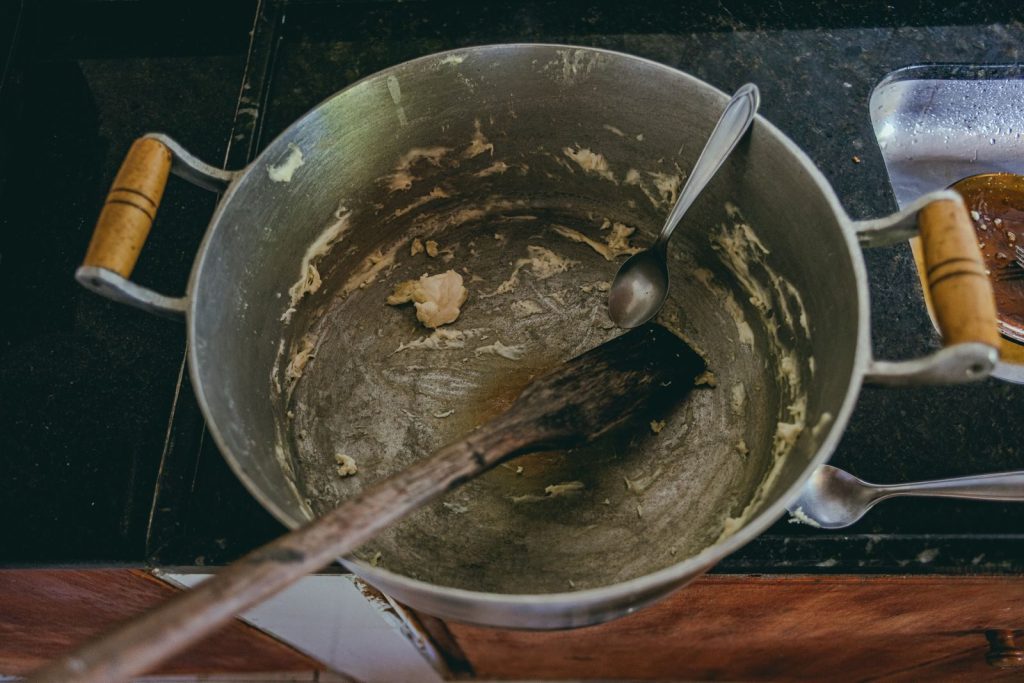
After browning the chicken and aromatics, there will be a layer of stuck-on bits coating the bottom of the pan, the same fond from the salmon listicle. Pouring in a small splash of broth or water and scraping those bits up before adding the rest of the liquid pulls all that concentrated flavor back into the dish instead of leaving it stuck to the pan.
Tomato Paste Gets Cooked, Not Just Added
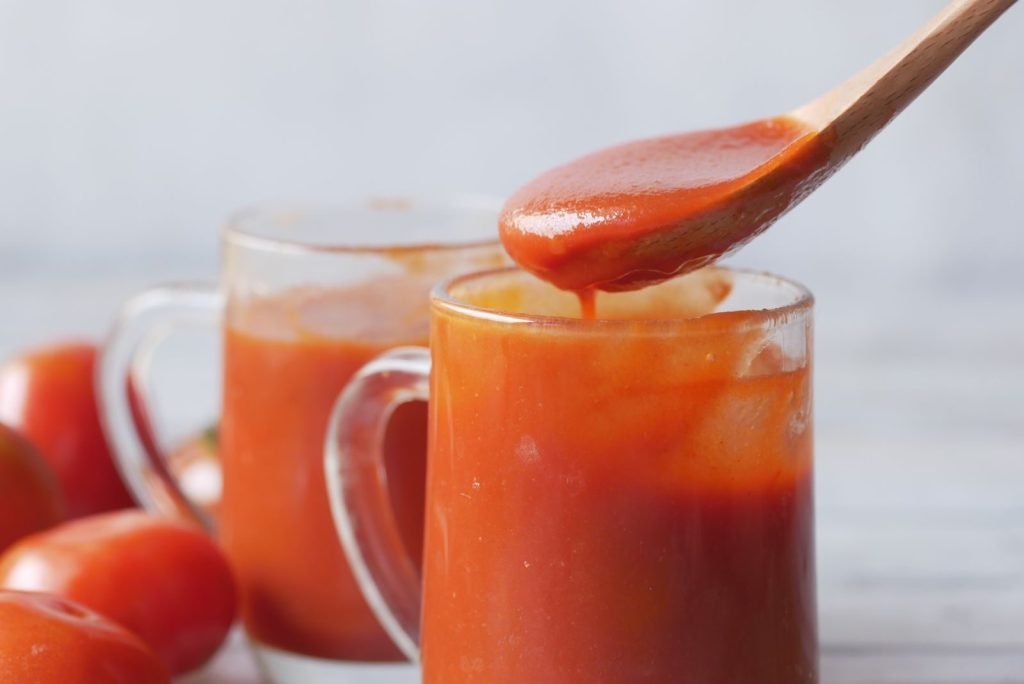
Stirring a spoonful of tomato paste directly into the hot pan and letting it cook for a full minute before adding any liquid deepens its flavor dramatically, turning it from sharp and raw-tasting into something richer and more complex. It is a thirty-second step most people skip that changes the entire base of the dish.
Fresh Herbs Go in at Two Different Stages
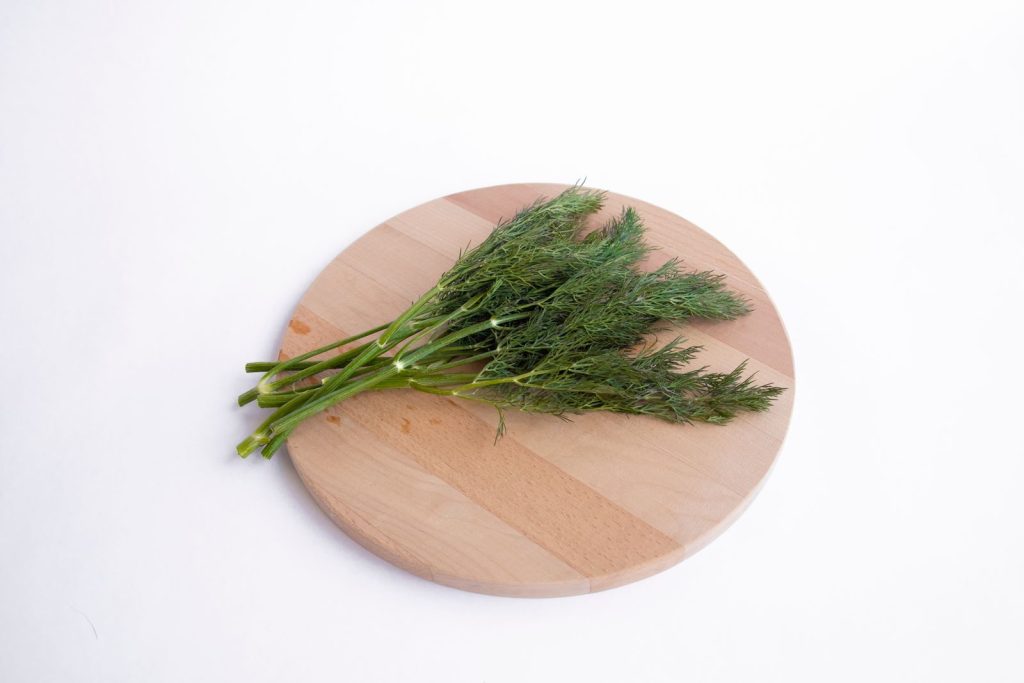
Adding half the herbs early in the cooking process builds their flavour into the base of the dish, while adding the other half right at the end, before serving, keeps a bright, fresh note on top. Doing both together at any one point means either the raw flavour or the depth, but never both at once.
Let It Rest Off the Heat Before Serving
Pulling the pan off the heat two minutes before serving and letting everything sit covered allows the residual heat to finish cooking the cabbage through without overcooking the chicken. It also lets the liquid redistribute back through the dish instead of pooling at the bottom of whatever it gets served in.
One Pan, Done Right
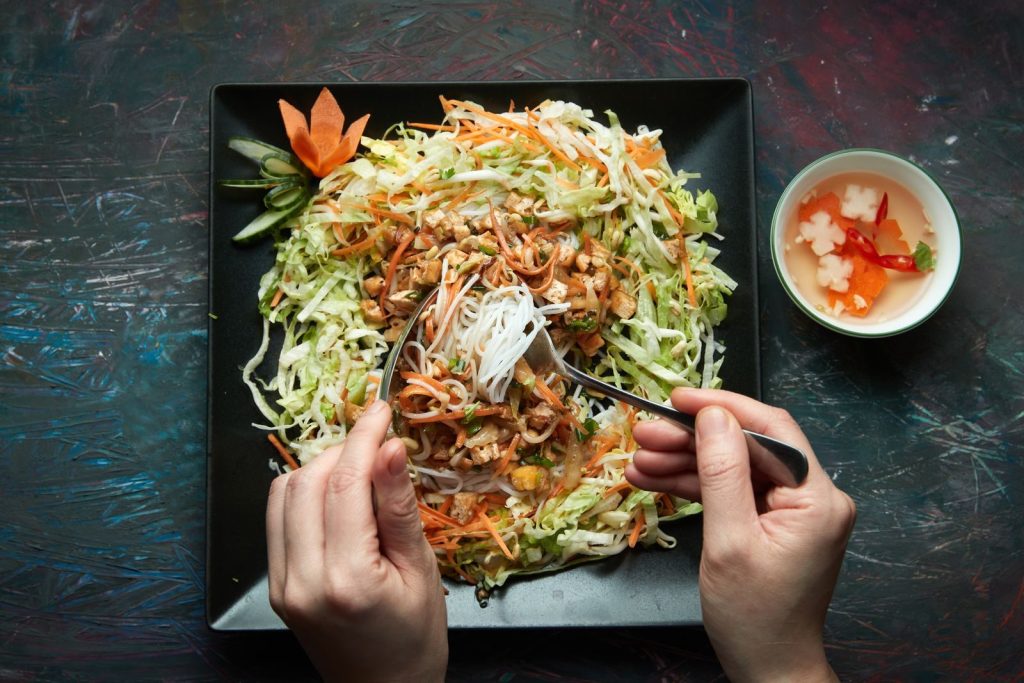
None of these require extra equipment or additional time, just doing the same steps in a more deliberate order. The dish that everyone is suddenly cooking is not popular because the ingredients are special, it is popular because the technique makes simple ingredients taste like they were thought through.