

Peeling fruits and vegetables feels like the right thing to do. It is what most home cooks were taught, and it is what recipe instructions almost always assume. But dietitians have been quietly pointing out for years that the peel is often the most nutritionally dense part of the whole plant. In many cases, the skin contains more fibre, antioxidants, and vitamins than the flesh underneath it, and throwing it away means throwing away the best part. Here is what is worth keeping from now on.
Apples
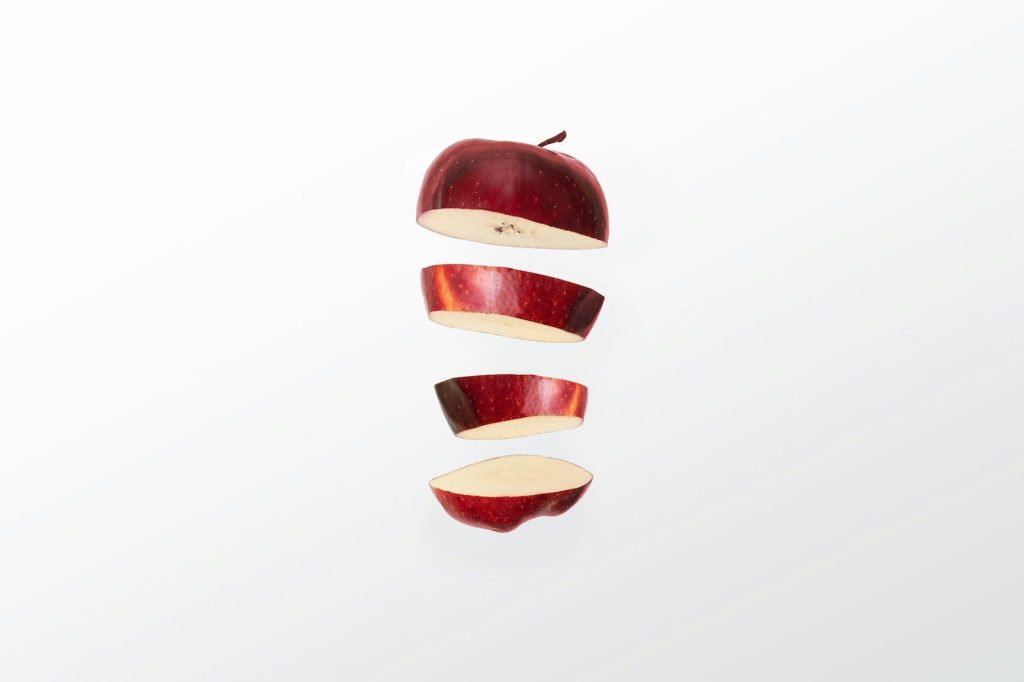
Apple skin contains a powerful antioxidant called quercetin that is concentrated almost entirely in and just below the peel, along with a significant portion of the fruit’s total fibre. The flesh underneath is mostly water and natural sugar. Peeling an apple before eating it removes roughly half its nutritional value while keeping the part that spikes blood sugar fastest.
Cucumbers
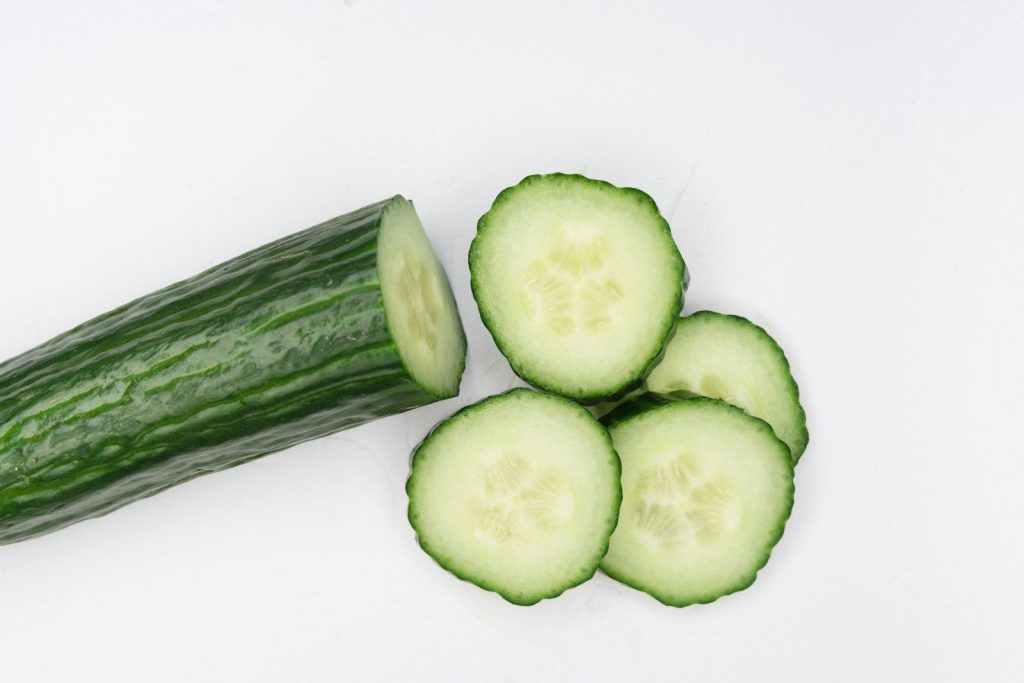
The dark green skin of a cucumber contains silica, a compound that supports skin elasticity and joint health, along with most of the vegetable’s fiber content. The pale flesh underneath is almost entirely water with very little nutritional contribution. Leaving the skin on also keeps cucumber slices firm longer after cutting, which matters when they are going into a salad or on a platter.
Potatoes
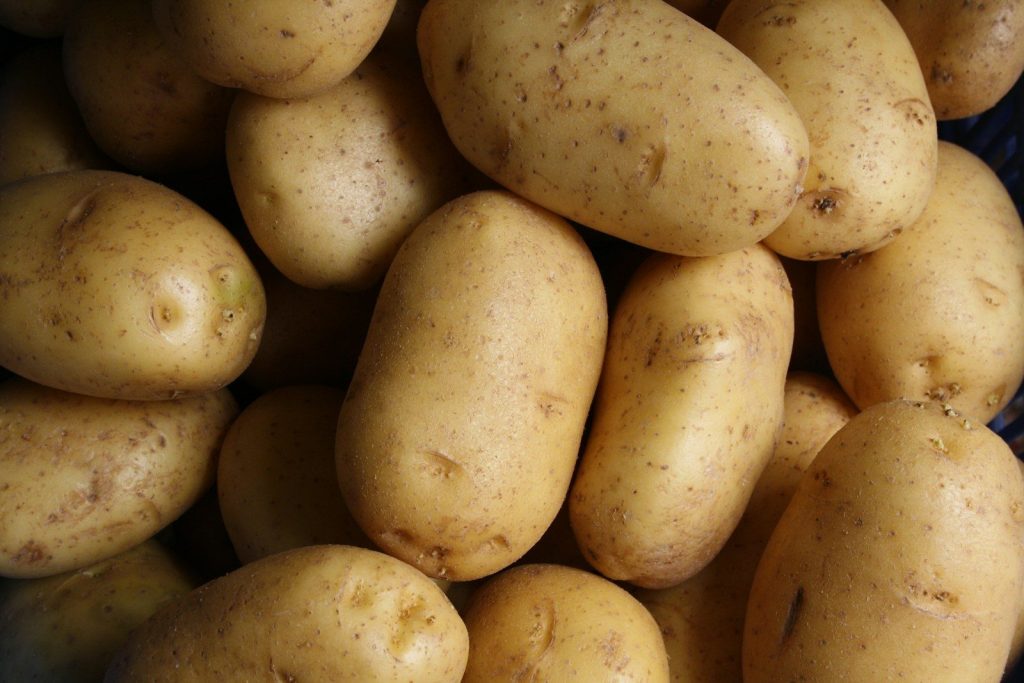
Potato skin contains more potassium per serving than a banana, along with iron, B vitamins, and a significant share of the total fiber in the vegetable. Most of those nutrients sit in the layer directly beneath the skin, which means peeling aggressively removes both. Scrubbing potatoes clean and cooking them skin on preserves everything that makes them genuinely nutritious rather than just filling.
Kiwi
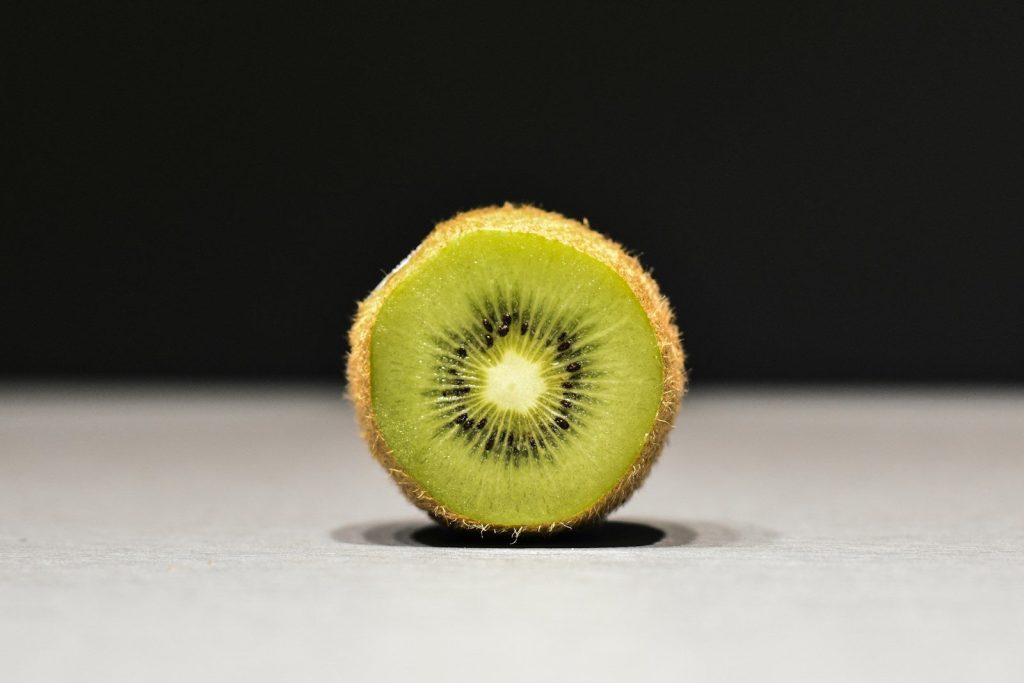
Kiwi skin is edible, slightly fuzzy, and almost always peeled out of habit rather than necessity. That skin contains nearly as much vitamin C as the flesh itself, along with extra fiber and antioxidants not found in the same concentration inside. A quick rub to soften the fuzz is all it takes before eating a kiwi whole, and the flavor difference is far smaller than most people expect the first time they try it.
Peaches
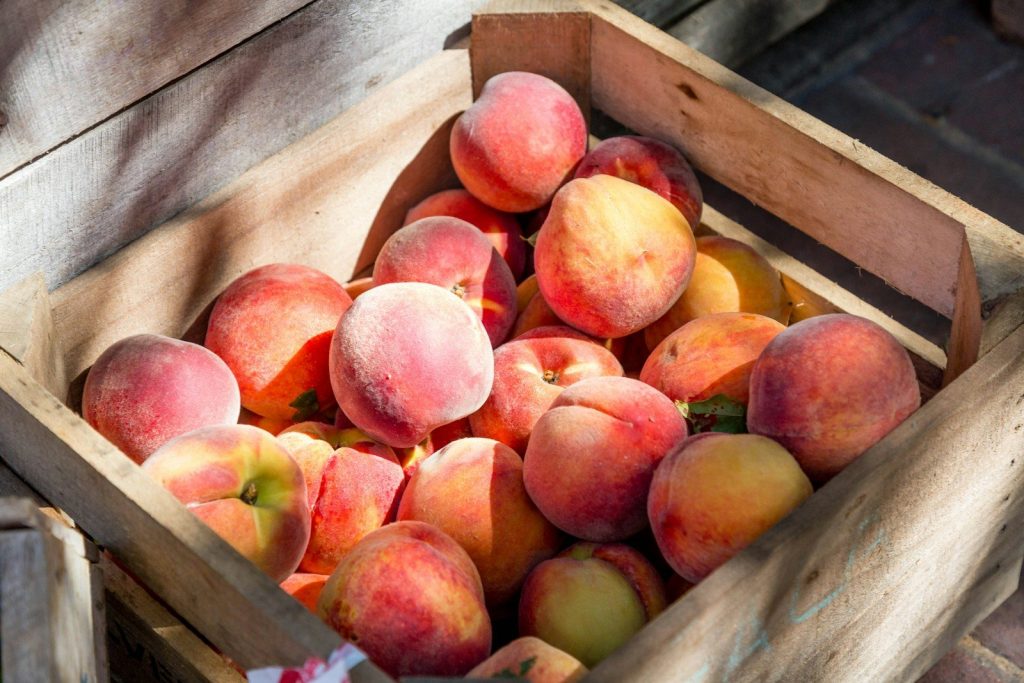
Peach skin is thin enough to eat without any preparation and contains a meaningful concentration of antioxidants, including chlorogenic acid, a compound linked to reduced inflammation. The skin also slows down how quickly the natural sugars in the flesh are absorbed, which helps prevent the blood sugar spike that comes from eating the peeled fruit alone. Washing thoroughly is all the preparation needed.
Grapes
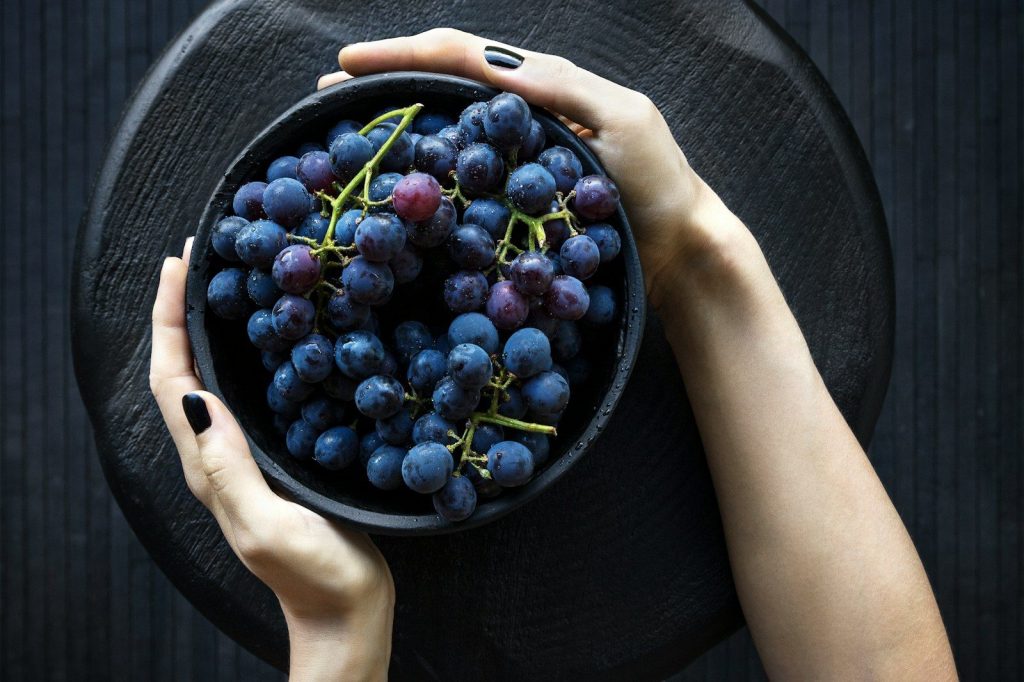
The skin of red and purple grapes is where resveratrol is concentrated, the antioxidant most commonly associated with heart health and reduced inflammation. Eating grapes whole rather than peeled, or choosing varieties with thicker skins, maximizes how much of that compound actually makes it into the body. Seedless varieties make this easy enough that there is genuinely no reason to peel them.
Eggplant
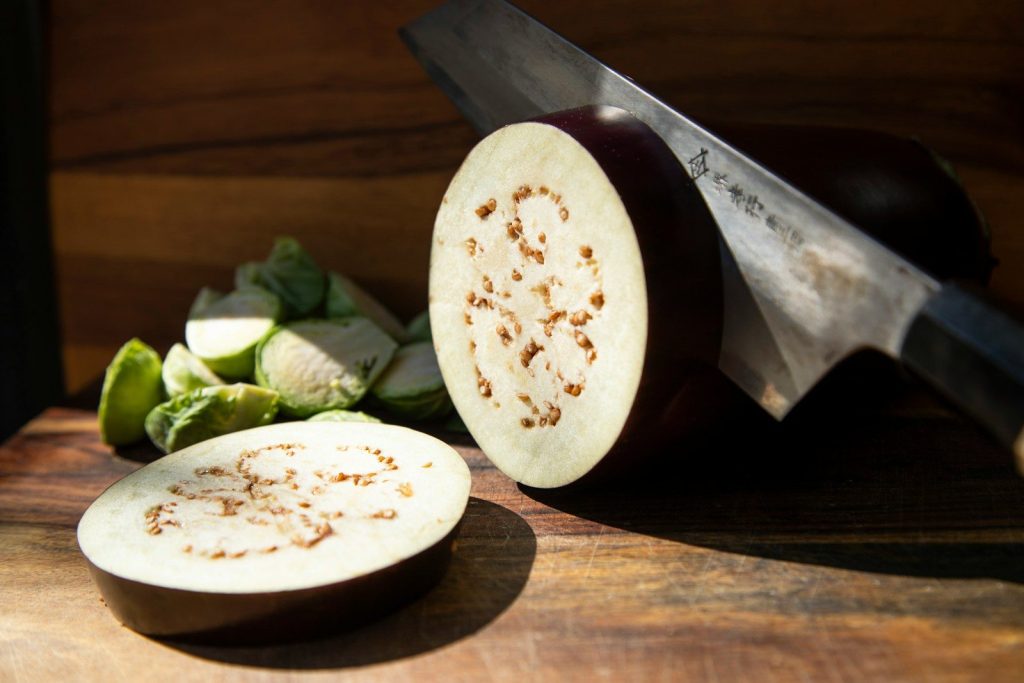
Eggplant skin contains nasunin, an antioxidant found in very few other foods that has been studied for its ability to protect cell membranes from damage. The skin also holds the vegetable together during cooking, which is why peeled eggplant tends to turn mushy in roasted or baked dishes, while skin-on eggplant holds its shape and texture far better through the same cooking process.
The Best Part Was Never the Part You Were Throwing Away
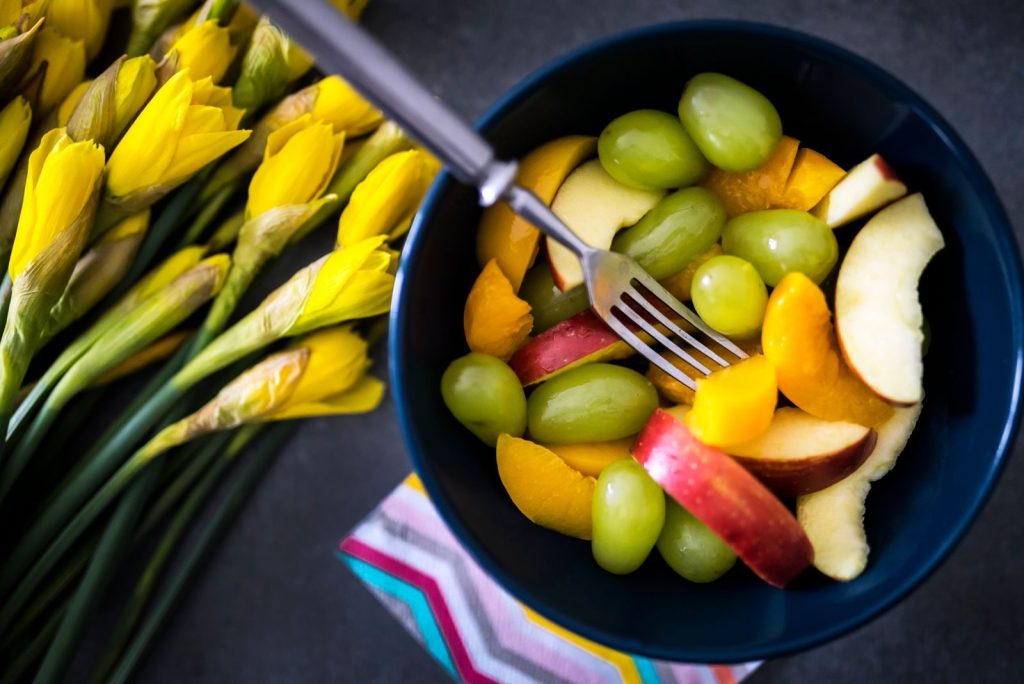
For most of these fruits and vegetables the habit of peeling comes from texture preference or old cooking conventions rather than any real nutritional reason. Once the skin stays on, the fiber goes up, the antioxidant count improves, and prep time actually gets shorter. It is one of the simplest upgrades any kitchen routine can make without changing a single thing about what gets bought or cooked.