

Gut health is influenced by many factors, including sleep, stress, physical activity, and diet. While no single food determines digestive health, experts often suggest paying attention to foods that may contribute to bloating, discomfort, or an imbalance in eating habits when consumed too frequently. These gut health hacks start with recognizing foods that are often worth limiting and replacing with more nutrient-rich options.
Skip Sugary Sodas More Often
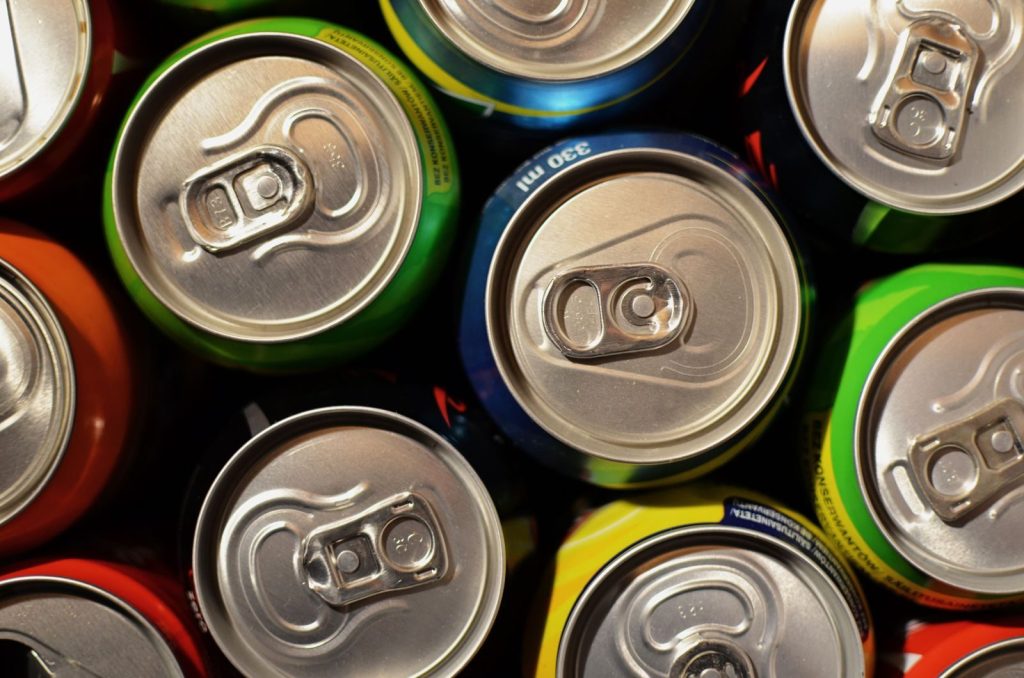
Soft drinks can deliver large amounts of added sugar without providing much nutritional value.
Reducing how often they appear in your routine may help support a more balanced diet while making room for healthier beverages.
Trade Candy Bowls For Fresh Fruit Bowls

Candy is easy to grab when it’s sitting in plain sight.
Keeping fresh fruit visible instead can make nutritious choices more convenient while naturally increasing fiber intake.
Don’t Let Potato Chips Become An Everyday Snack
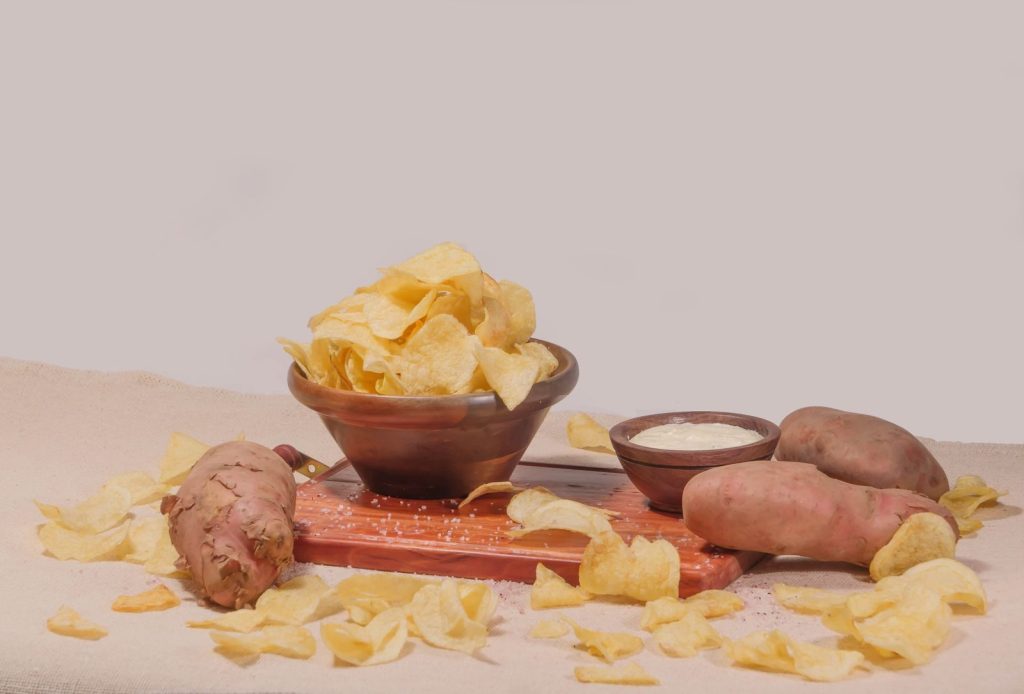
Potato chips are highly convenient and easy to overeat.
Saving them for occasional enjoyment can create more opportunities for fiber-rich snacks such as nuts, fruit, or vegetables.
Cut Back On Deep-Fried Fast Food
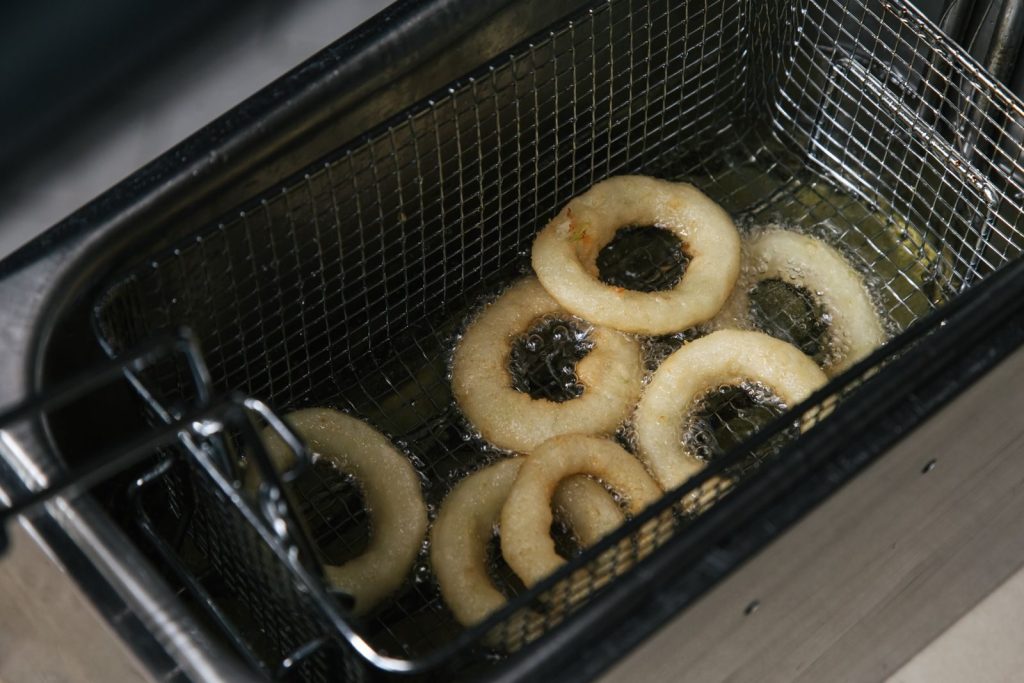
Fried rings, fried chicken, and similar foods can be heavy and difficult for some people to digest.
Limiting them may help reduce digestive discomfort and encourage a more balanced eating pattern.
Watch Out For Sugary Coffee Drinks

Flavored coffee beverages can sometimes contain as much sugar as a dessert.
Choosing simpler coffee options more often may help reduce excess added sugar intake.
Limit Processed Meats Like Hot Dogs And Sausages

Processed meats are often high in sodium and preservatives.
Experts frequently recommend enjoying them in moderation while emphasizing a variety of protein sources.
Go Easy On Instant Noodles
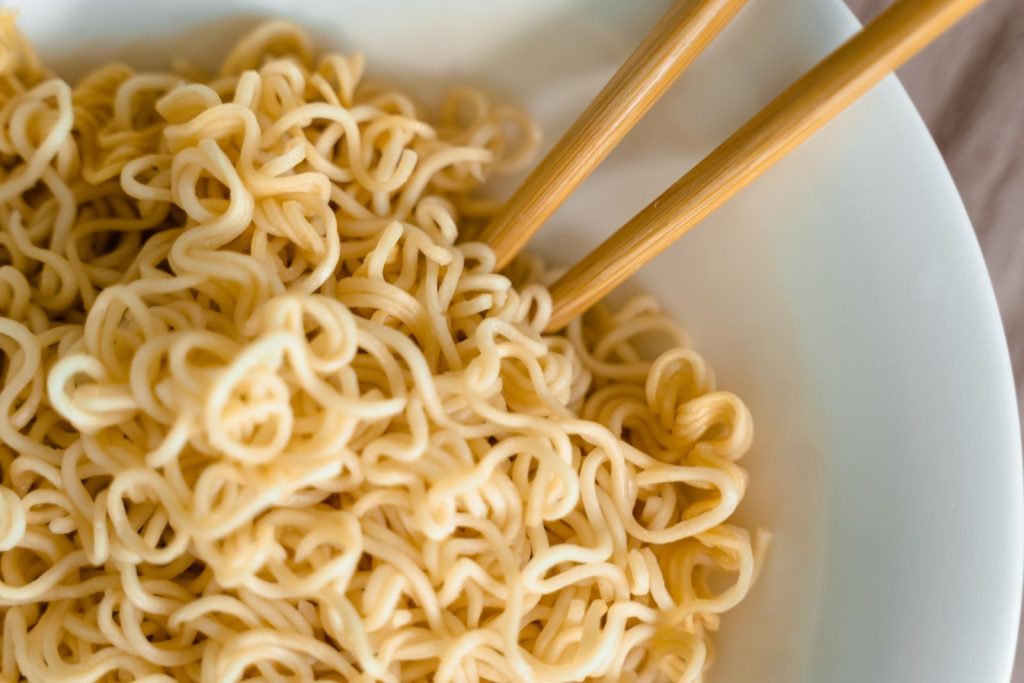
Instant noodles are convenient, but many varieties contain high levels of sodium and relatively little fiber.
Adding vegetables and protein can help improve their nutritional profile when you do enjoy them.
Keep Packaged Pastries As An Occasional Treat

Muffins, donuts, and packaged breakfast pastries often combine refined flour with added sugars.
More balanced breakfast options may help support better overall nutrition throughout the day.
Don’t Make Ice Cream A Nightly Habit

A scoop of ice cream can certainly fit into a balanced lifestyle.
However, frequent large portions may add significant amounts of sugar and saturated fat.
Cut Back On Sugary Breakfast Cereals
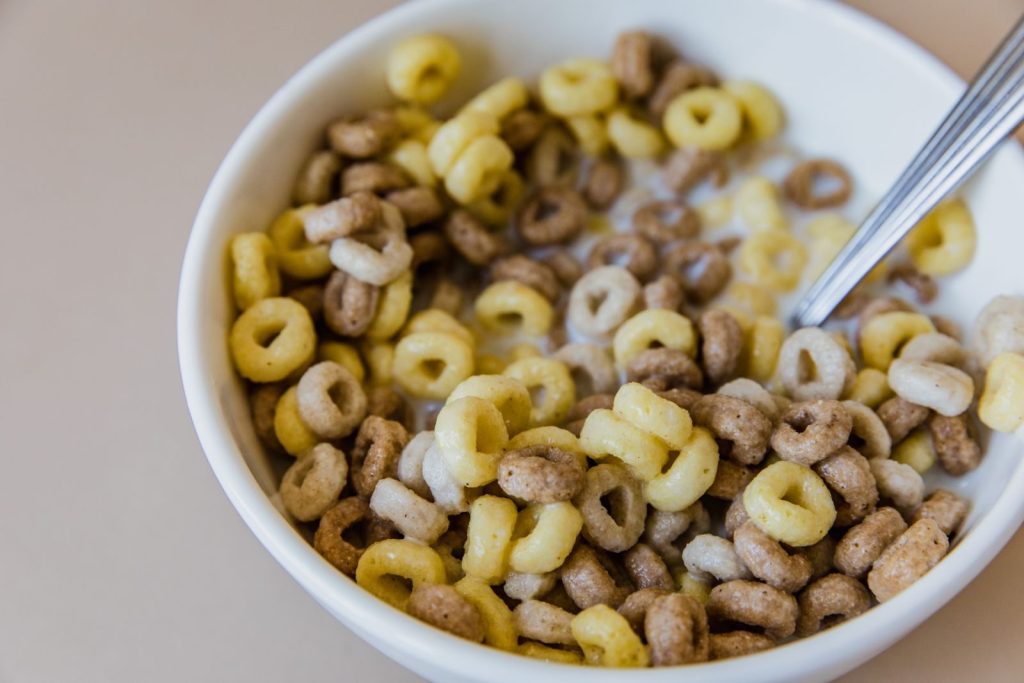
Many breakfast cereals contain more added sugar than people realize.
Reading labels carefully can help identify options with more fiber and less sugar
Be Careful With Energy Drinks

Energy drinks often contain high amounts of caffeine, sugar, or both.
For some individuals, they may contribute to digestive discomfort and other unwanted effects.
Watch Your Intake Of Sweetened Yogurts
Yogurt can be a nutritious choice, but some flavored varieties contain substantial amounts of added sugar.
Comparing labels can help you find options that better align with your goals.
Limit Store-Bought Cookies And Crackers
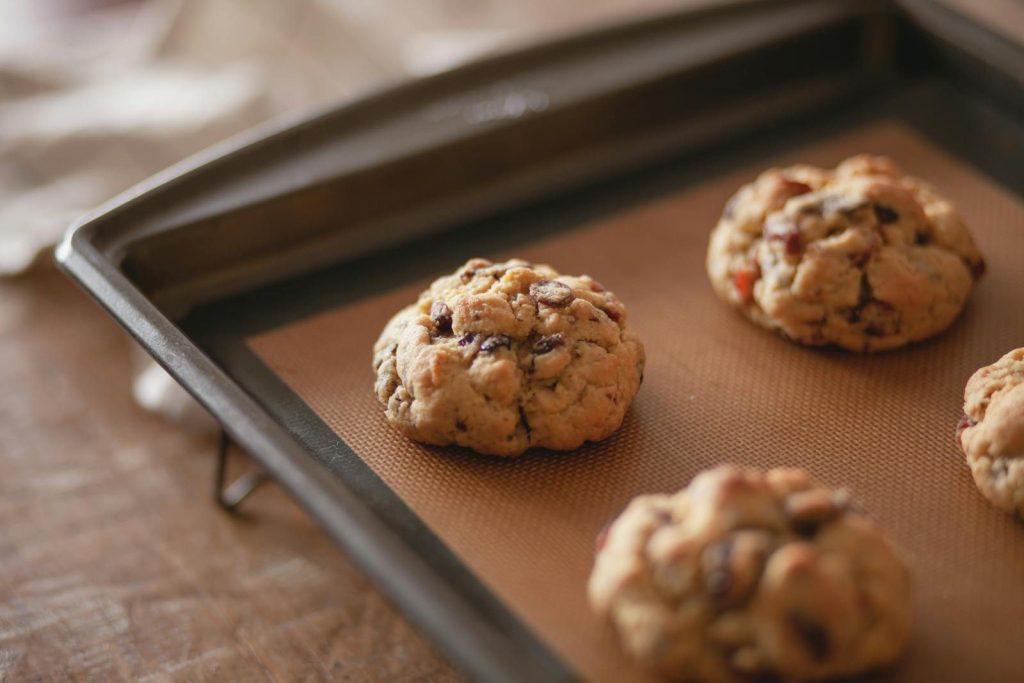
Packaged snack foods can be easy to reach for throughout the day.
Keeping portions reasonable may help prevent mindless snacking.
Skip Oversized Fast-Food Combo Meals
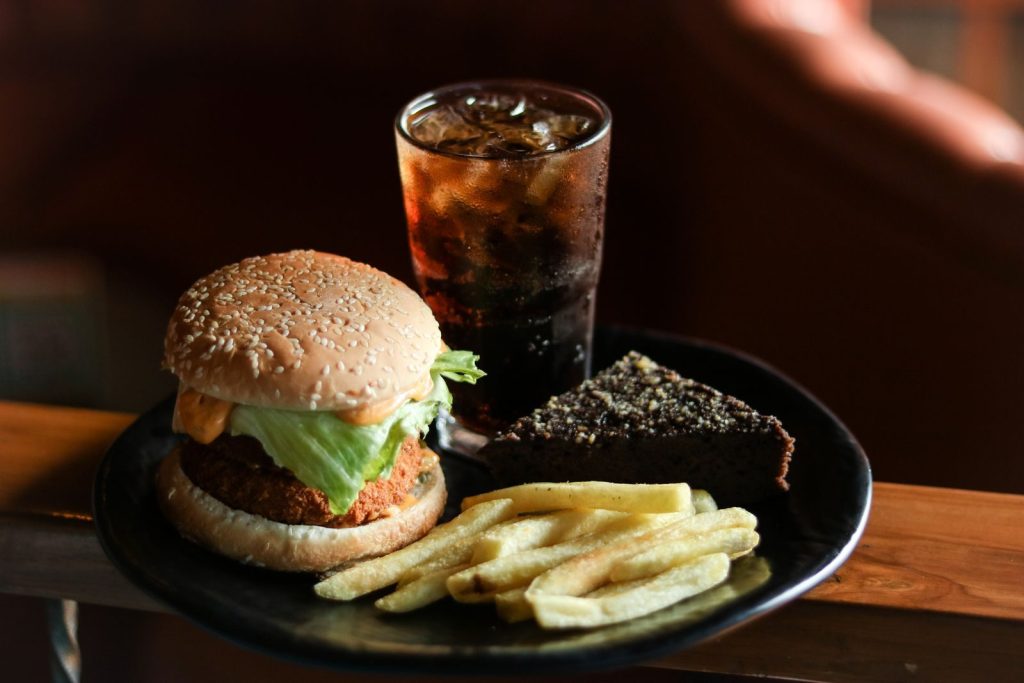
Large combo meals often provide more calories, sodium, and added fats than many people realize.
Smaller portions may be easier on both digestion and overall calorie intake.
Pay Attention To Foods That Consistently Upset Your Stomach

Digestive triggers vary from person to person.
Keeping track of foods that regularly lead to bloating, cramping, or discomfort can help you make more informed decisions about what works best for your body.
Better Gut Health Often Starts With Small Choices

Improving gut health rarely comes down to eliminating a single food. Instead, it often involves paying attention to overall eating patterns and making small adjustments where needed. These simple gut health hacks can help create more room for foods that support digestive wellness while reducing reliance on options that may not serve you as well.