

Most people know they should wash their hands, but health experts often point out that when and how you clean them can matter just as much. Many everyday surfaces collect far more germs than people realize, and a few simple habits can help reduce the chances of spreading them. These practical hand hygiene hacks focus on situations that are easy to overlook but worth paying attention to.
Treat Gas Pump Handles As A Hand-Washing Trigger
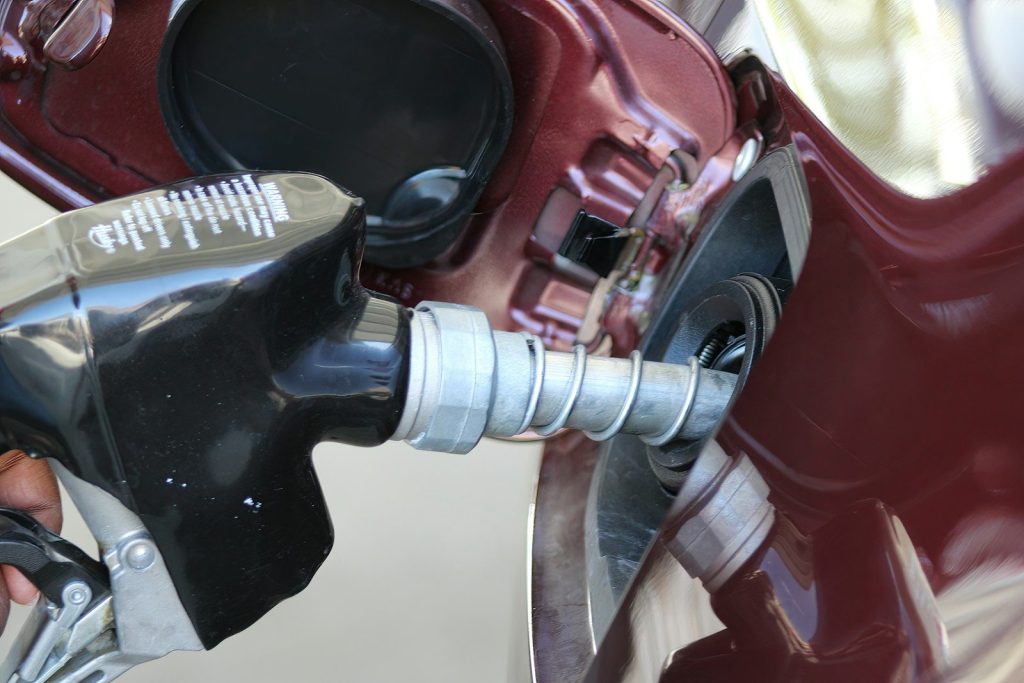
Gas pump handles are touched by dozens or even hundreds of people each day.
Many health experts recommend cleaning your hands soon after fueling up, especially before eating or touching your face.
Wash Up After Handling Shopping Carts
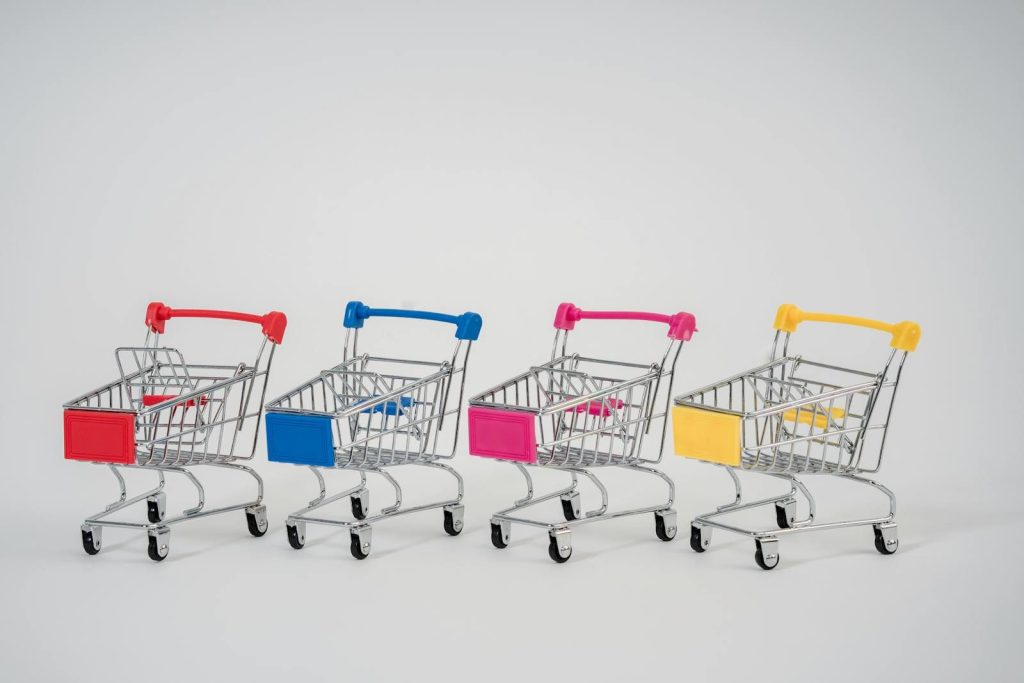
Shopping cart handles can collect germs from countless hands throughout the day.
Using hand sanitizer after shopping or washing your hands once you get home is a simple habit worth adopting.
Clean Your Hands After Using Self-Checkout Screens

Touchscreens have become a part of everyday life.
Because so many people interact with them, experts often recommend hand hygiene after using self-checkout stations, ticket kiosks, and similar devices.
Don’t Forget Your Hands After Handling Raw Meat

Cross-contamination can happen quickly in the kitchen.
Washing your hands immediately after touching raw poultry, beef, pork, or seafood can help reduce the spread of harmful bacteria.
Make Hand Washing Part Of Pet Care

Pet bowls, toys, treats, and waste cleanup can all transfer germs.
A quick hand wash afterward is a simple precaution many veterinarians recommend.
Wash After Taking Out The Trash
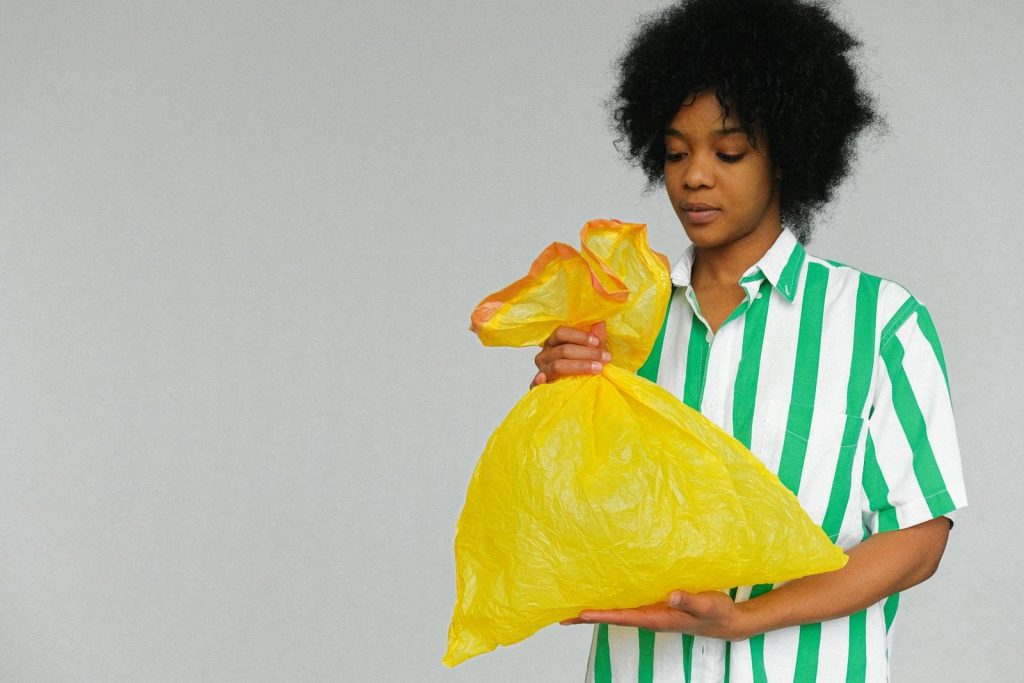
Garbage bags and trash bin lids frequently come into contact with food residue and bacteria.
Cleaning your hands afterward helps prevent those germs from spreading to other household surfaces.
Sanitize After Using Public Touchscreens

ATMs, payment terminals, parking meters, and information kiosks are high-touch surfaces that are often overlooked.
Keeping a small bottle of hand sanitizer nearby can make this habit easier.
Wash Before Putting Away Groceries
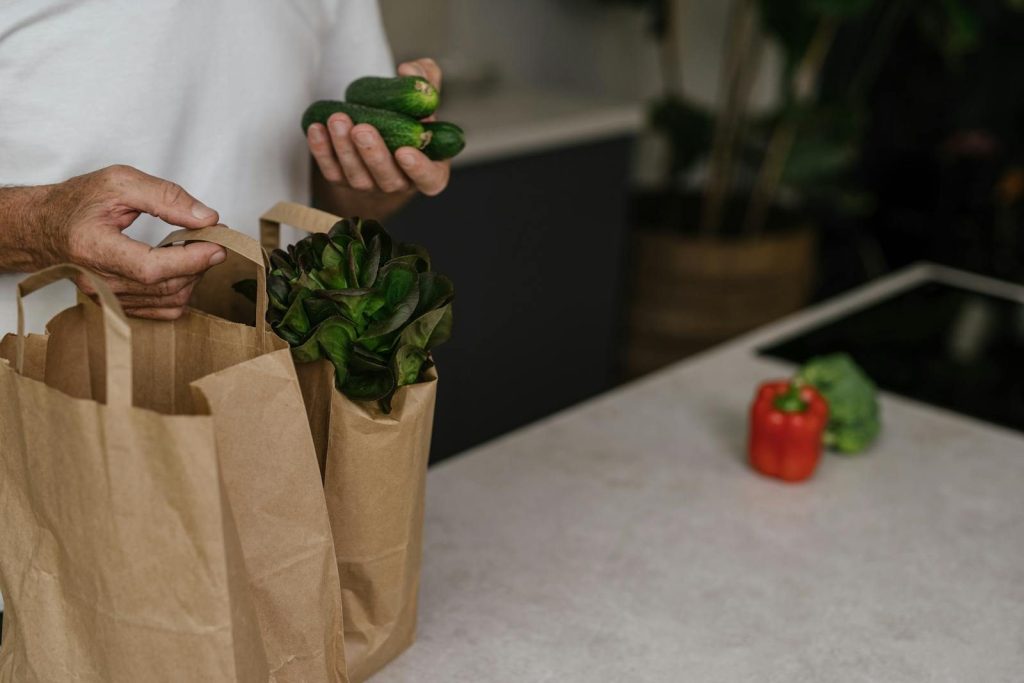
Many people focus on washing produce but forget about their hands.
Cleaning your hands before unpacking groceries can help reduce the transfer of germs onto kitchen surfaces.
Treat Shared Office Equipment Like Public Surfaces

Printers, break-room appliances, coffee machines, and shared keyboards may be used by many people throughout the day.
Hand hygiene can be especially helpful during cold and flu season.
. Clean Your Hands After Handling Cash

Although digital payments are increasingly common, cash still changes hands frequently.
Washing your hands before eating or preparing food is a smart habit after handling bills and currency notes.
. Wash Before Touching Contact Lenses Or Skincare Products
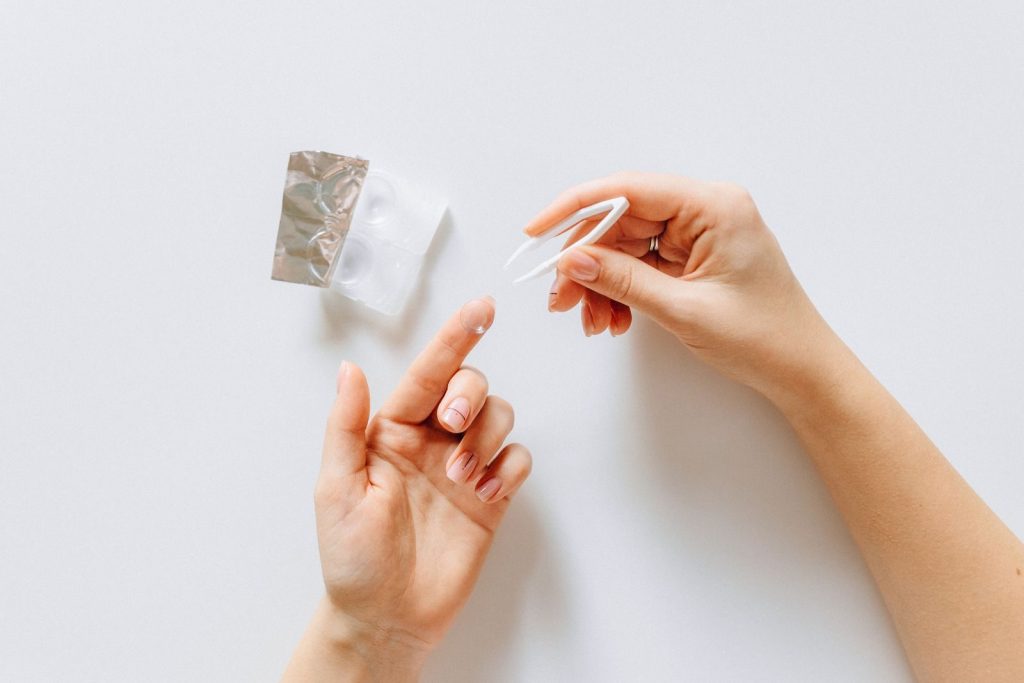
Many people remember to wash their hands after potentially dirty tasks but forget before personal care routines.
Clean hands can help reduce the transfer of bacteria to your eyes, face, and skincare products.
Small Habits Can Make A Big Difference

Good hand hygiene is not just about washing your hands more often. It is also about recognizing the everyday moments when germs are most likely to spread. These simple habits can fit easily into daily routines and help support a cleaner, healthier environment wherever you go.