

A healthy lawn can make an entire yard look cleaner, greener, and more inviting. Unfortunately, many common lawn care habits end up causing damage without homeowners even realizing it. From mowing mistakes to overwatering, small issues can slowly weaken grass and create patchy, unhealthy areas over time.
Here are 10 things homeowners do that hurt their lawn.
1. Cutting the Grass Too Short
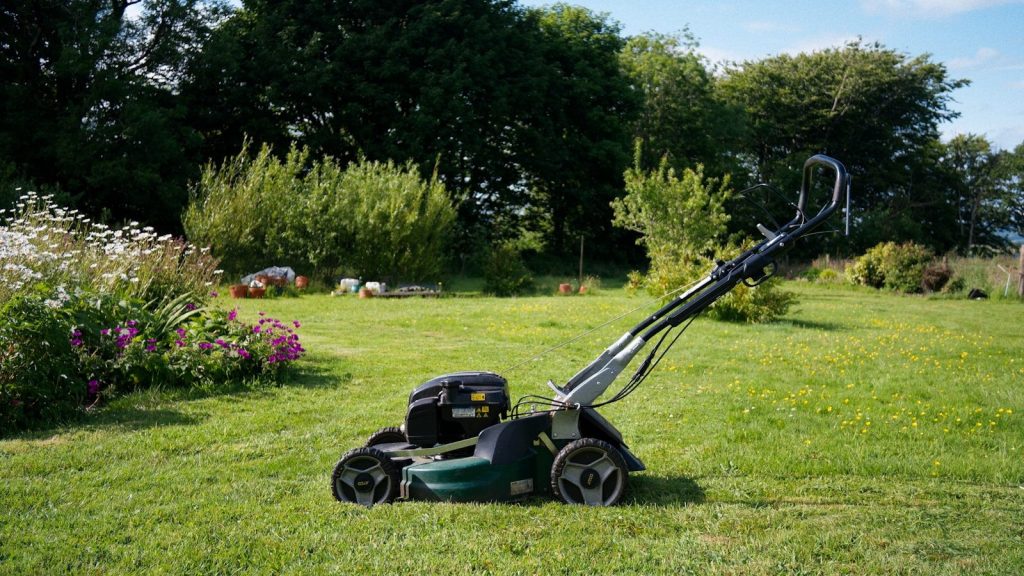
Many people mow their lawn extremely short thinking it will stay neat longer. In reality, cutting grass too low can stress the lawn and expose soil to excess heat and sunlight.
Short grass also develops weaker roots, making it more vulnerable to drought, weeds, and disease.
Keeping grass slightly taller usually helps lawns stay greener and healthier during hot weather.
2. Watering Too Often
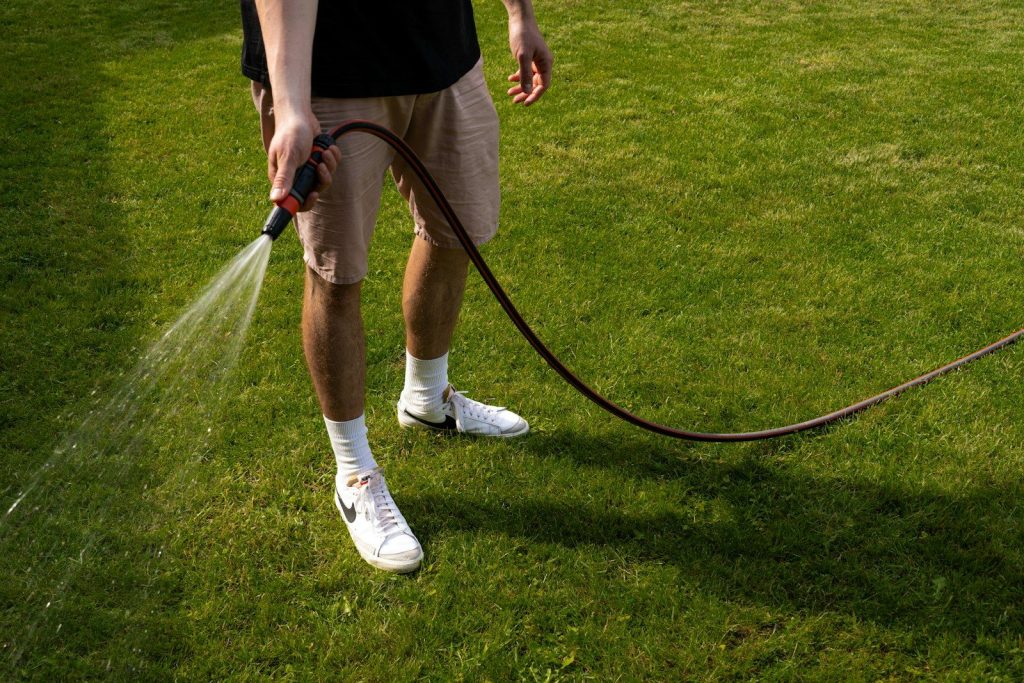
Frequent shallow watering encourages weak root systems because grass roots stay near the surface instead of growing deeper into the soil.
Lawns generally benefit more from deeper watering sessions that allow moisture to soak farther underground.
Overwatering can also create soggy conditions that attract fungus and pests.
3. Mowing With Dull Blades
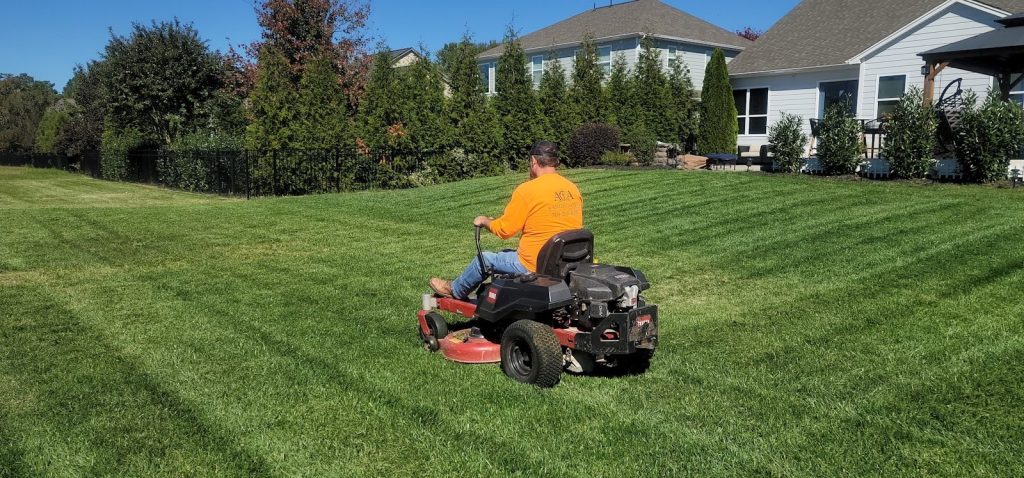
Dull mower blades tear grass instead of cutting it cleanly. Torn grass blades often turn brown at the tips and can leave the lawn looking dry or unhealthy.
Damaged grass may also become more vulnerable to disease and heat stress.
Sharpening mower blades regularly can make a noticeable difference in lawn appearance.
4. Ignoring Soil Health
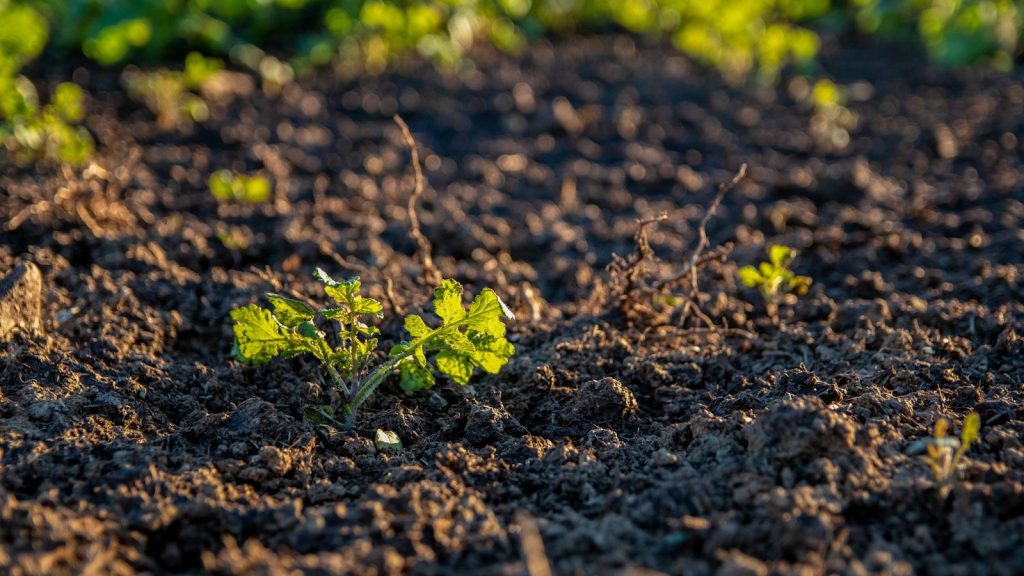
Grass health starts below the surface. Compacted or nutrient-poor soil can prevent roots from getting enough water, oxygen, and nutrients.
Many homeowners focus only on the visible grass while overlooking the condition of the soil underneath.
Aerating compacted areas and adding organic matter can help improve lawn growth over time.
5. Applying Too Much Fertilizer
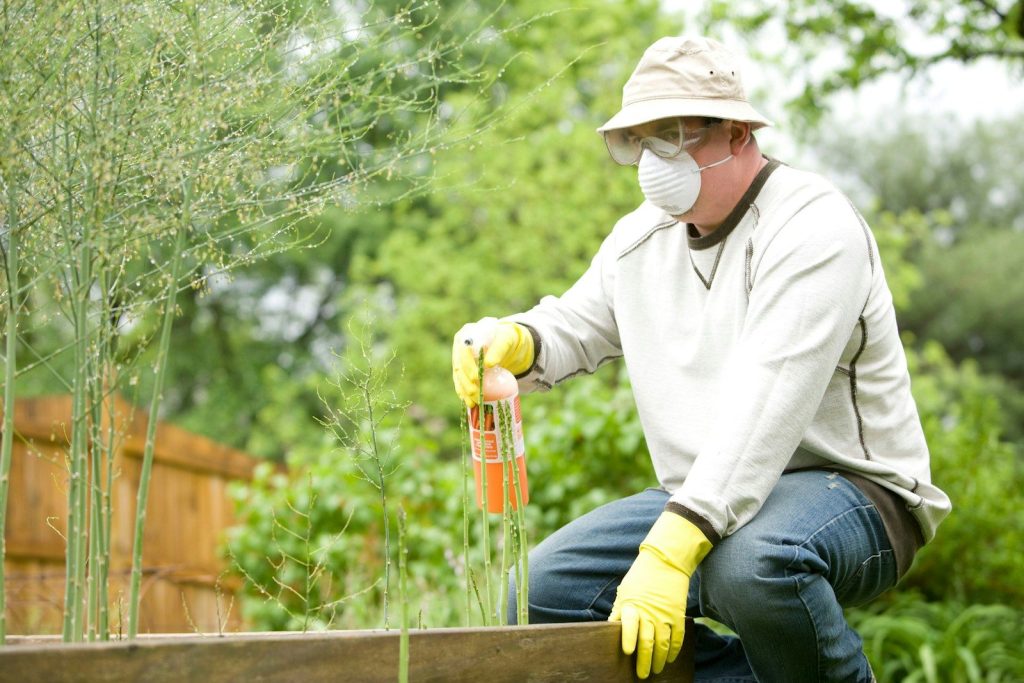
More fertilizer does not always mean greener grass. Excess fertilizer can burn lawns, weaken roots, and contribute to rapid growth that becomes difficult to maintain.
Overfertilizing may also increase weed problems and runoff into nearby waterways.
Following product directions carefully usually leads to better long-term results.
6. Leaving Heavy Objects on the Grass
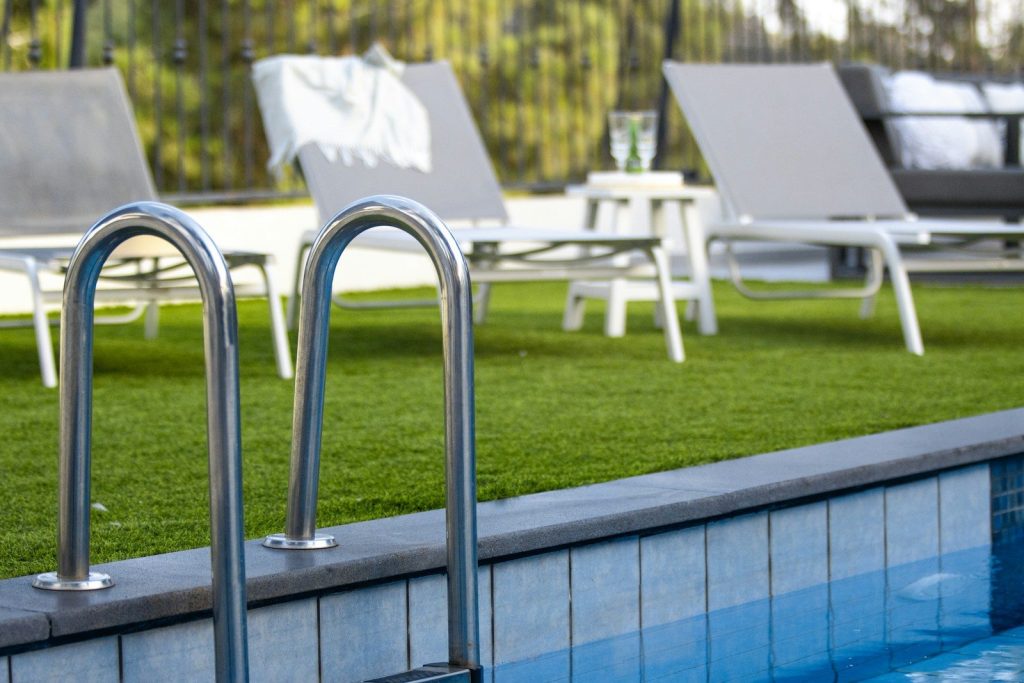
Pools, patio furniture, toys, and parked vehicles can smother grass when left in the same spot for too long.
Without enough airflow and sunlight, grass underneath may turn yellow or die completely.
Moving heavy items occasionally helps reduce long-term lawn damage.
7. Walking on Frozen Grass
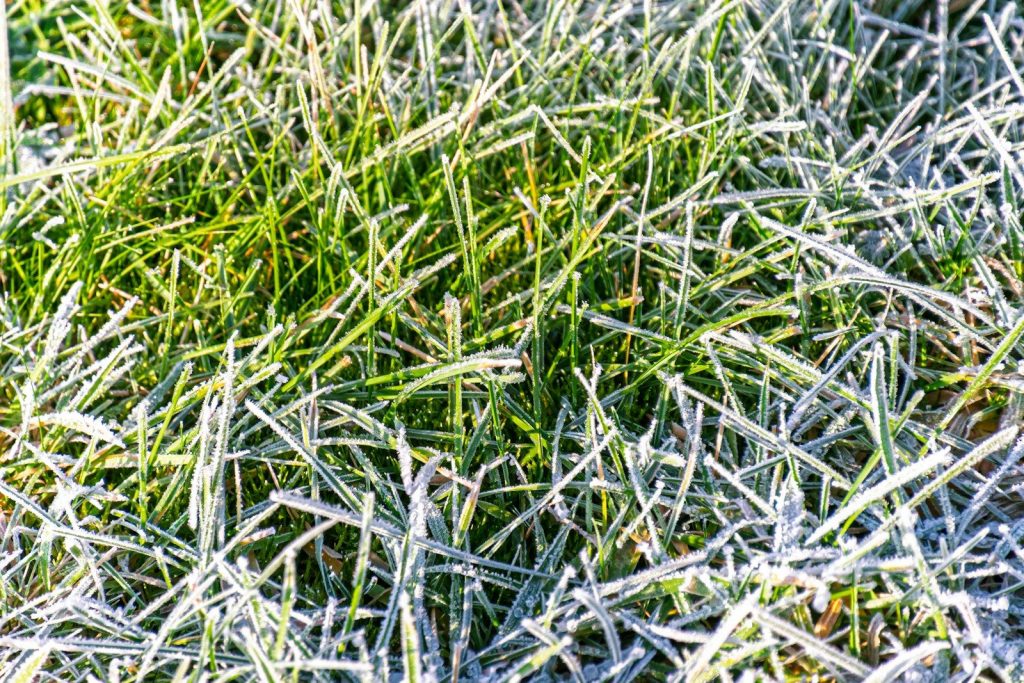
Grass becomes surprisingly fragile during cold weather. Walking repeatedly across frozen lawns can crush grass blades and damage crowns before spring growth begins.
The damage may not appear immediately, though brown or thin patches often become visible later.
Using walkways during frosty mornings can help protect the lawn.
8. Ignoring Weed Growth Early
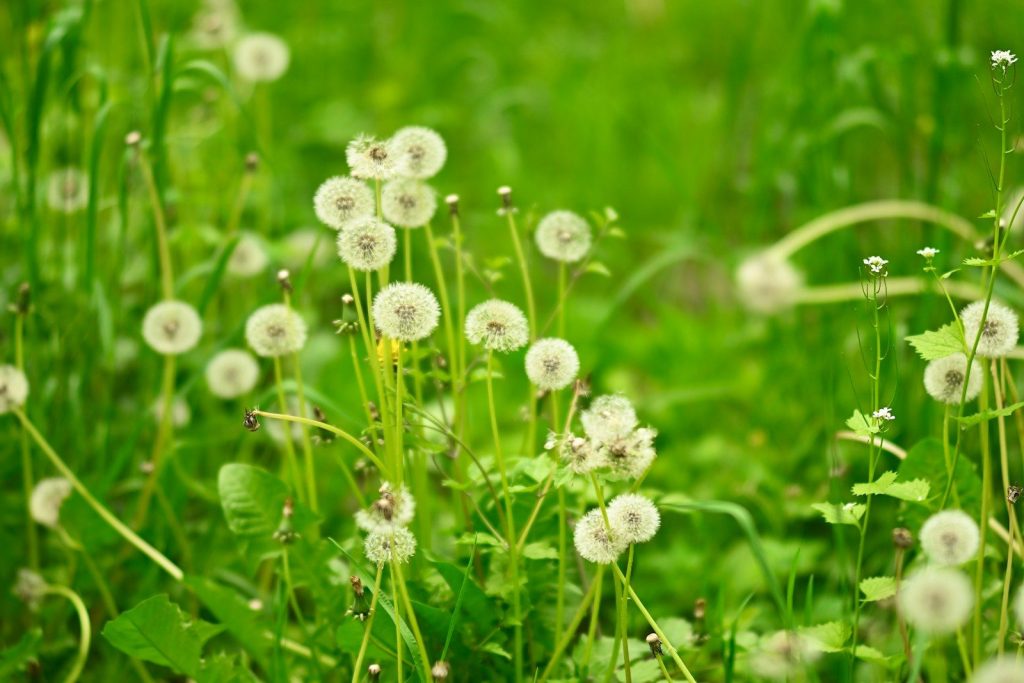
A few weeds may not seem like a major issue at first, though they often spread quickly once established.
Weeds compete with grass for water, nutrients, and sunlight, which can weaken healthy sections of the lawn over time.
Handling weeds early usually requires far less effort than dealing with widespread growth later.
9. Raking Too Aggressively
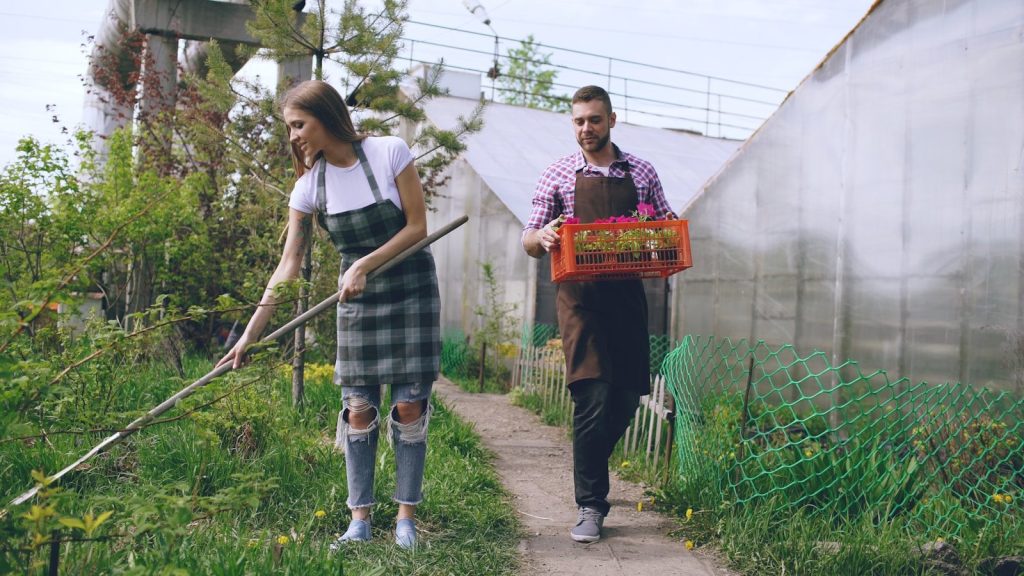
Raking helps remove leaves and debris, though aggressive raking can damage healthy grass and pull up shallow roots.
This is especially common during spring cleanup when lawns are still recovering from winter stress.
Using gentler motions and lighter tools can help avoid unnecessary damage.
10. Neglecting Lawn Edges
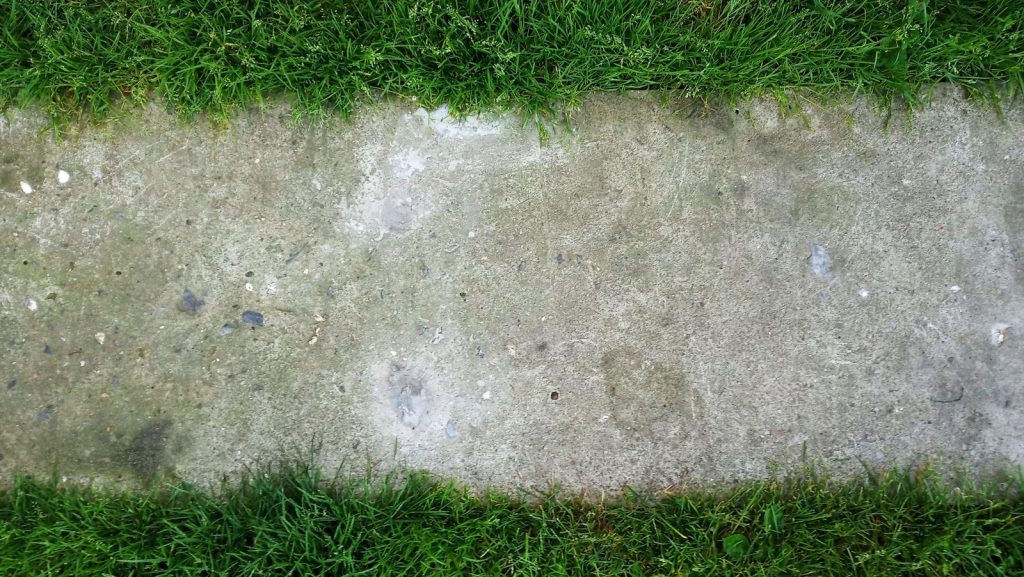
Overgrown lawn edges can make an otherwise healthy yard look messy very quickly.
Grass creeping into sidewalks, driveways, and garden beds may also encourage uneven growth patterns.
Regular edging helps maintain cleaner lines and gives the lawn a more polished appearance overall.
Final Thoughts
Keeping a lawn healthy does not always require complicated treatments or expensive products. In many cases, avoiding common mistakes can make the biggest difference.
Simple habits like mowing properly, watering wisely, and paying attention to soil health can help lawns stay greener, thicker, and healthier throughout the growing season.