

Healthy eating often feels complicated, especially with new food trends appearing every week. Yet many nutrition experts continue to recommend some of the same simple staples that have been part of balanced diets for generations. These foods are widely available, versatile, and packed with nutrients that support overall wellness.
While no single ingredient can provide everything the body needs, regularly including nutrient-dense staples can help build a stronger nutritional foundation over time.
Here are 10 everyday staples nutrition experts recommend for a healthier diet.
Oats
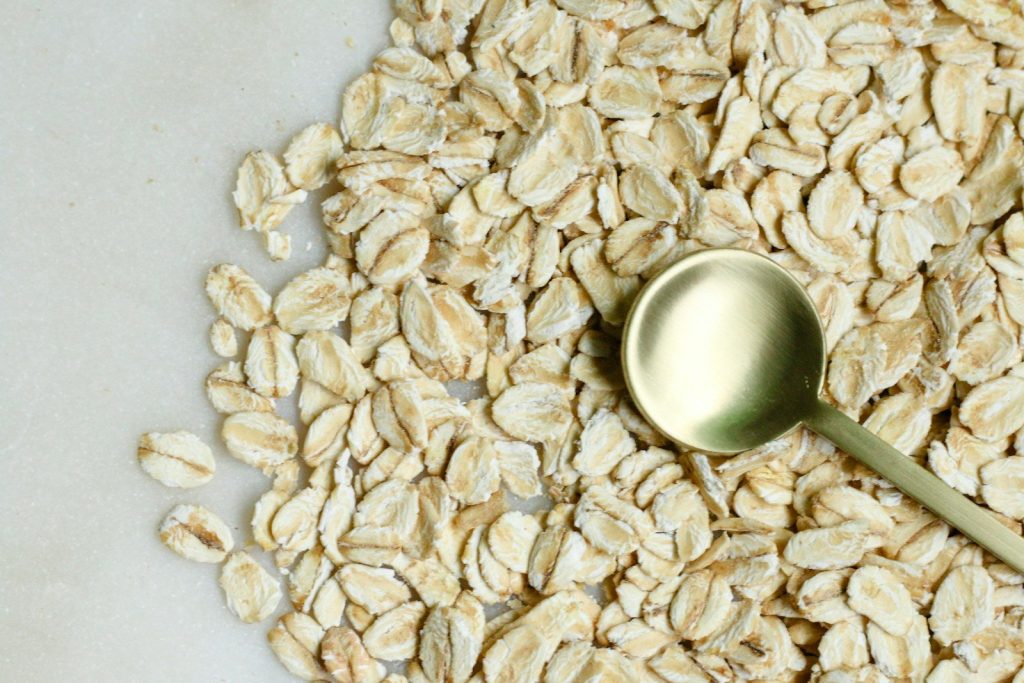
Oats are a favorite among nutrition professionals because they provide fiber, complex carbohydrates, and important minerals.
They contain beta-glucan, a type of soluble fiber that has been widely studied for its role in supporting heart health. Oats also make a filling breakfast that can help keep hunger in check throughout the morning.
Leafy Greens
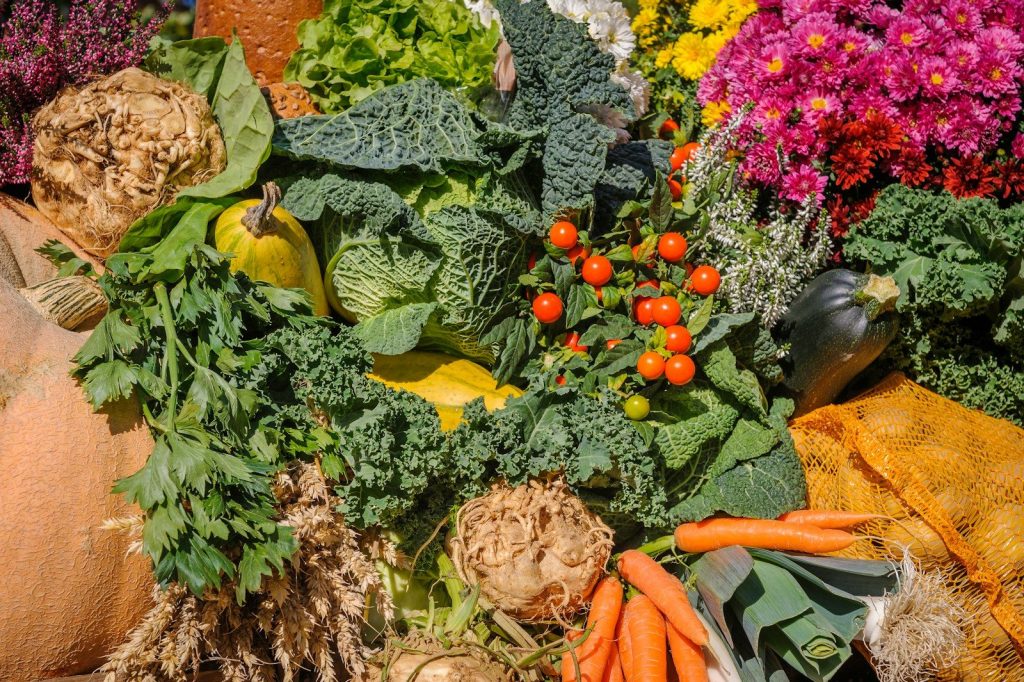
Spinach, kale, Swiss chard, and other leafy greens deliver an impressive range of vitamins and minerals.
They are rich in nutrients such as vitamin K, folate, and antioxidants while remaining easy to incorporate into salads, smoothies, soups, and side dishes.
Beans

Beans are one of the most nutrient-dense foods found in many kitchens.
Black beans, kidney beans, lentils, and chickpeas provide plant protein, fiber, and minerals that contribute to a balanced diet. Their affordability and versatility make them a staple in many healthy eating plans.
Broccoli
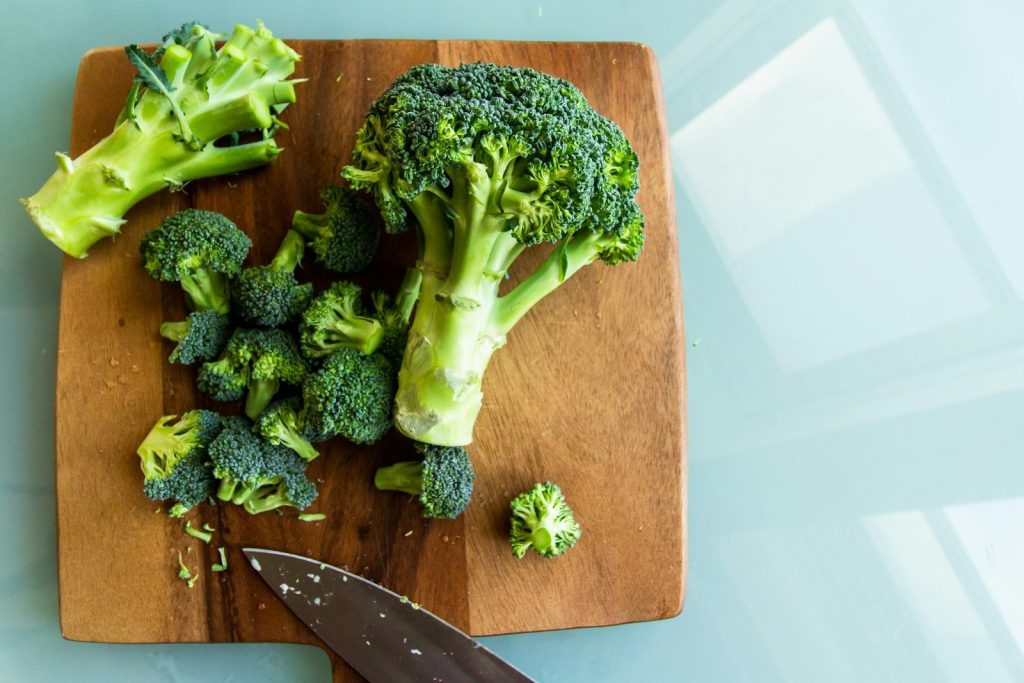
Broccoli is frequently recommended because it offers fiber, vitamin C, and naturally occurring plant compounds that researchers continue to study for their potential health benefits.
It works well roasted, steamed, stir-fried, or added to a variety of meals.
Nuts
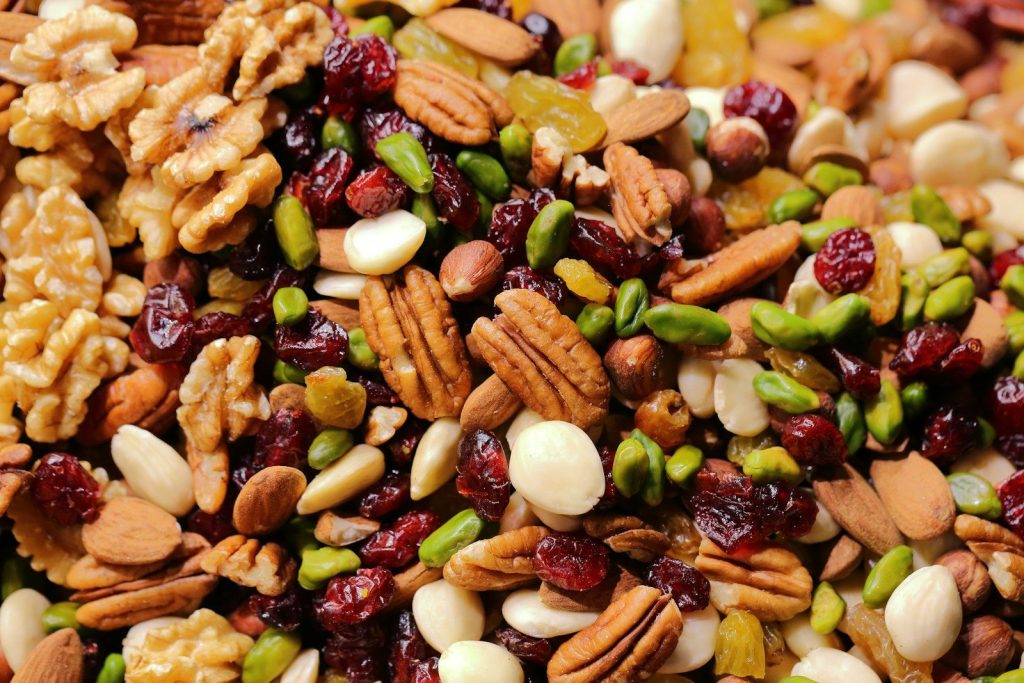
Almonds, walnuts, pistachios, and other nuts provide healthy fats, protein, and antioxidants.
A small serving can add nutrition, texture, and flavor to snacks, salads, and breakfast dishes. Many nutrition experts encourage keeping nuts on hand as a convenient option for busy days.
Tomatoes

Tomatoes contain vitamin C, potassium, and lycopene, a naturally occurring antioxidant responsible for their rich red color.
They are easy to include in salads, sauces, sandwiches, soups, and countless everyday recipes.
Sweet Potatoes

Sweet potatoes are valued for their fiber content and high levels of beta-carotene, which the body converts into vitamin A.
Their natural sweetness and versatility make them a popular choice for both savory and simple side dishes.
Garlic

Garlic contributes flavor to meals while also providing beneficial plant compounds that have attracted attention from nutrition researchers for years.
A small amount can enhance the taste of vegetables, soups, sauces, and protein-rich dishes.
Green Tea

Green tea remains one of the most widely recommended beverages among nutrition experts.
It contains naturally occurring antioxidants called catechins and provides a simple way to add more plant-based compounds to your daily routine.
Many people enjoy it hot, while others prefer it served cold.
Pomegranate Juice

Pomegranate juice contains naturally occurring polyphenols that contribute to its vibrant color and nutritional profile.
Enjoyed in moderation, it can be a flavorful addition to a balanced diet and offers a different way to incorporate fruit-based nutrients into everyday meals.
Why Nutrition Experts Focus on Everyday Foods

Many of the foods experts recommend most often are not exotic ingredients or expensive wellness products. They are practical staples that provide valuable nutrients while fitting easily into a wide range of eating styles.
Focusing on familiar foods can make healthy eating feel more sustainable and less overwhelming over the long term.
Healthy Eating Often Starts With Familiar Foods

Building a healthier diet does not necessarily require a complete overhaul of your grocery list. In many cases, it starts with choosing nutrient-rich staples more often and finding simple ways to include them in everyday meals.
Foods like oats, beans, leafy greens, nuts, and tomatoes have earned their place in healthy eating patterns because they consistently deliver valuable nutrition. Small choices made regularly can add up over time and help create a more balanced approach to eating.