

Pomegranate seeds have earned a reputation as an antioxidant powerhouse, but they are far from the only option. Many everyday foods contain impressive levels of antioxidant compounds, and some can be easier to find, store, and use in daily meals. These clever food hacks can help you diversify your antioxidant intake while adding flavor and variety to your diet.
Swap Your Afternoon Snack For A Handful Of Blackberries
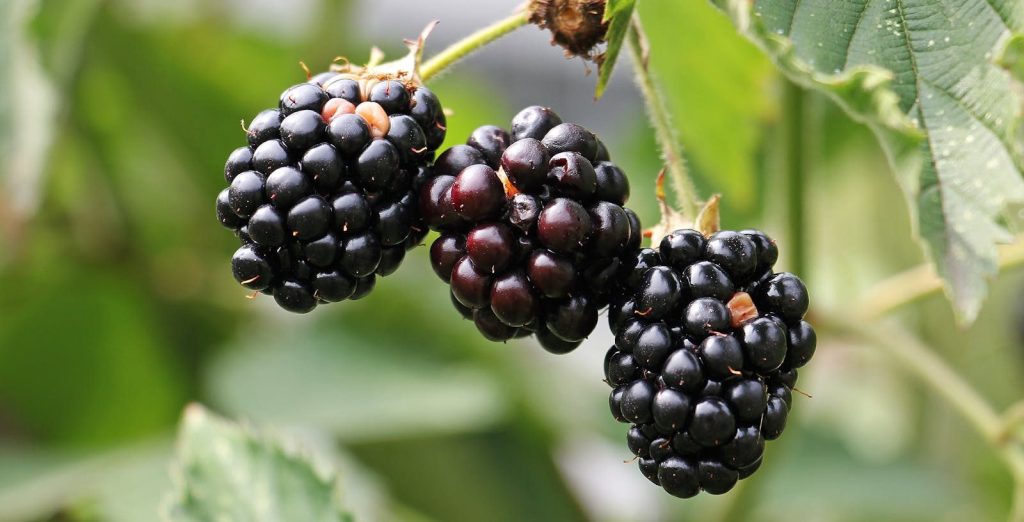
Blackberries contain anthocyanins, the antioxidant compounds responsible for their deep purple-black color.
Keeping fresh or frozen blackberries on hand is an easy way to add antioxidants to snacks, breakfast bowls, and smoothies.
Sprinkle Ground Cloves Into Oatmeal Or Yogurt
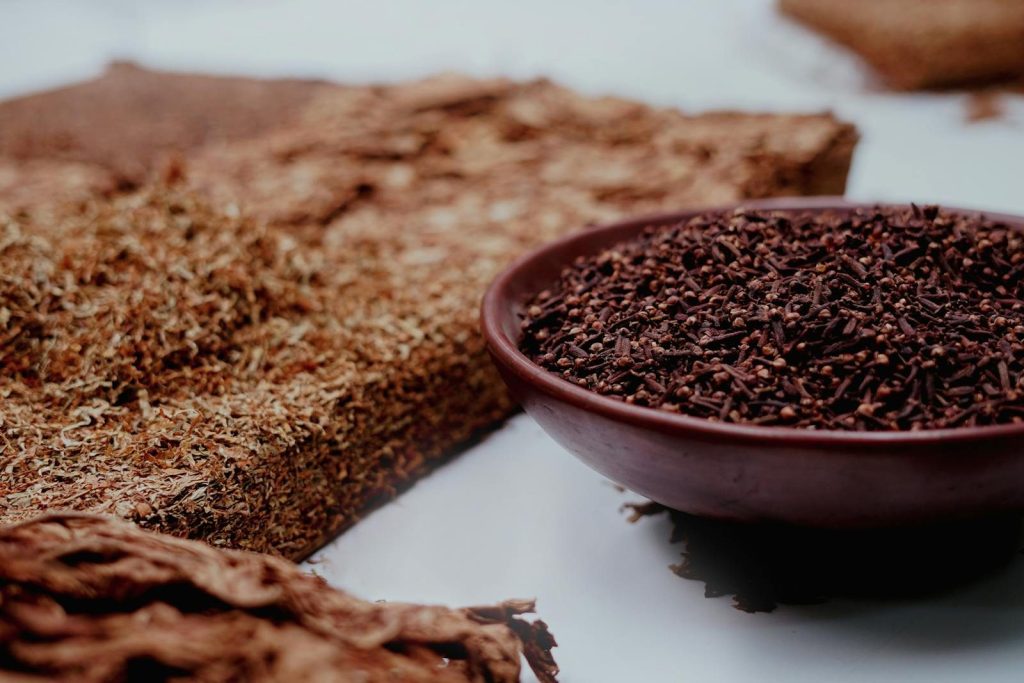
Cloves consistently rank among the most antioxidant-rich spices studied by researchers.
A small pinch can add warmth and flavor to oatmeal, yogurt, baked apples, and homemade granola.
Upgrade Trail Mix With Pecans
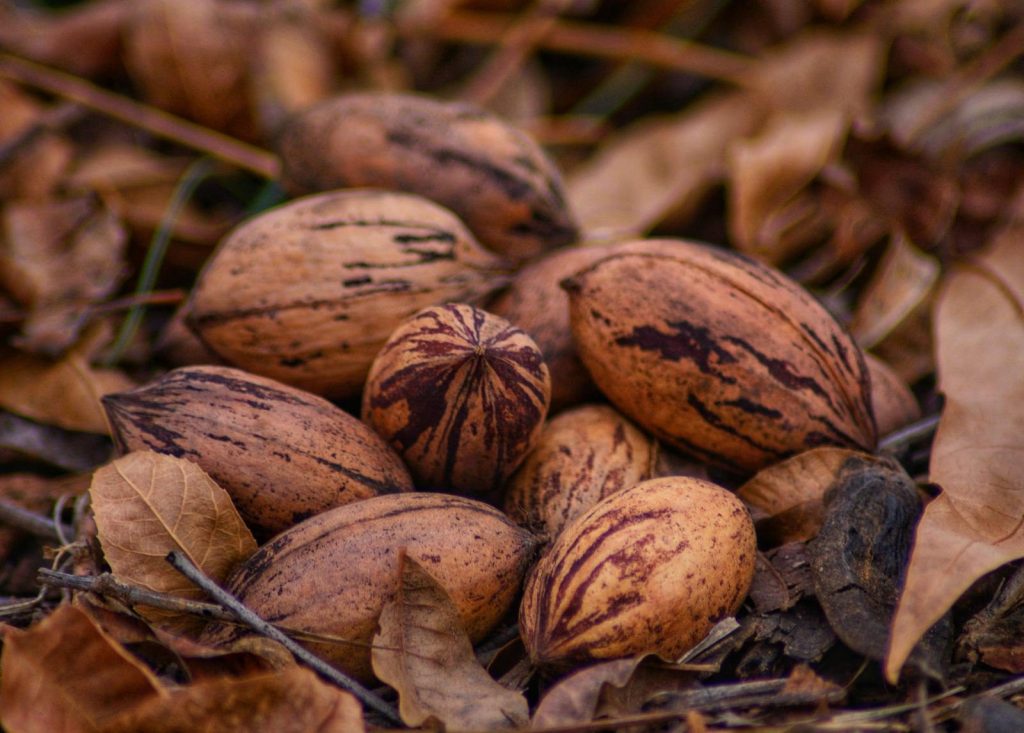
Many people automatically reach for almonds, but pecans contain notable amounts of antioxidant compounds.
Adding them to trail mixes or salads can provide both crunch and nutritional variety.
Add A Spoonful Of Cocoa Powder To Smoothies
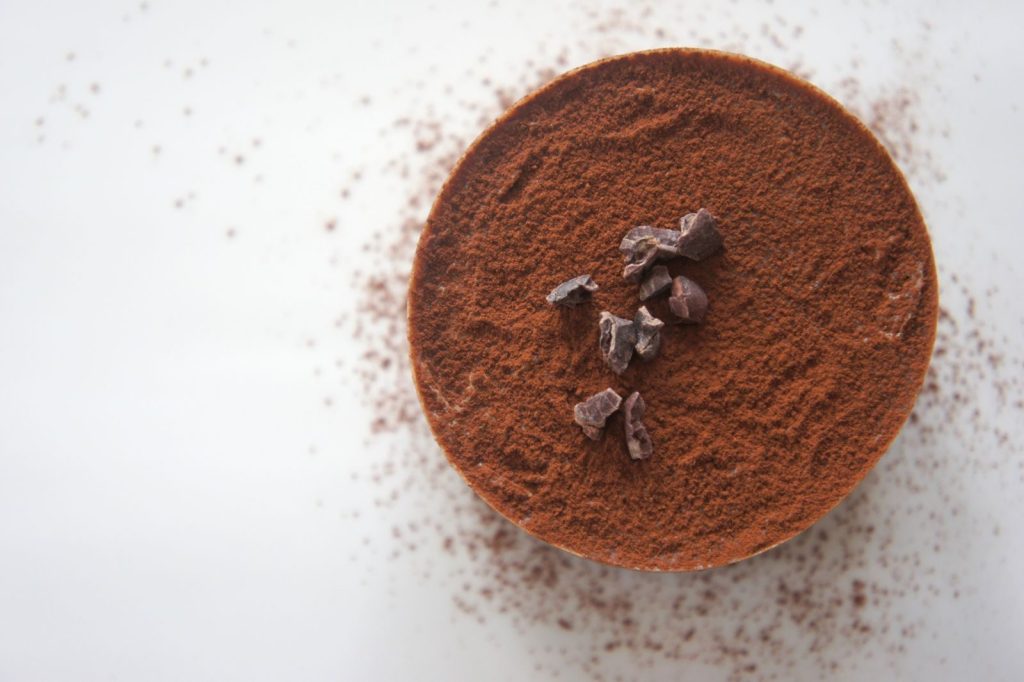
Unsweetened cocoa powder is naturally rich in flavonoids.
Blending a spoonful into smoothies, overnight oats, or yogurt can boost both flavor and antioxidant content.
Keep Frozen Blueberries In The Freezer
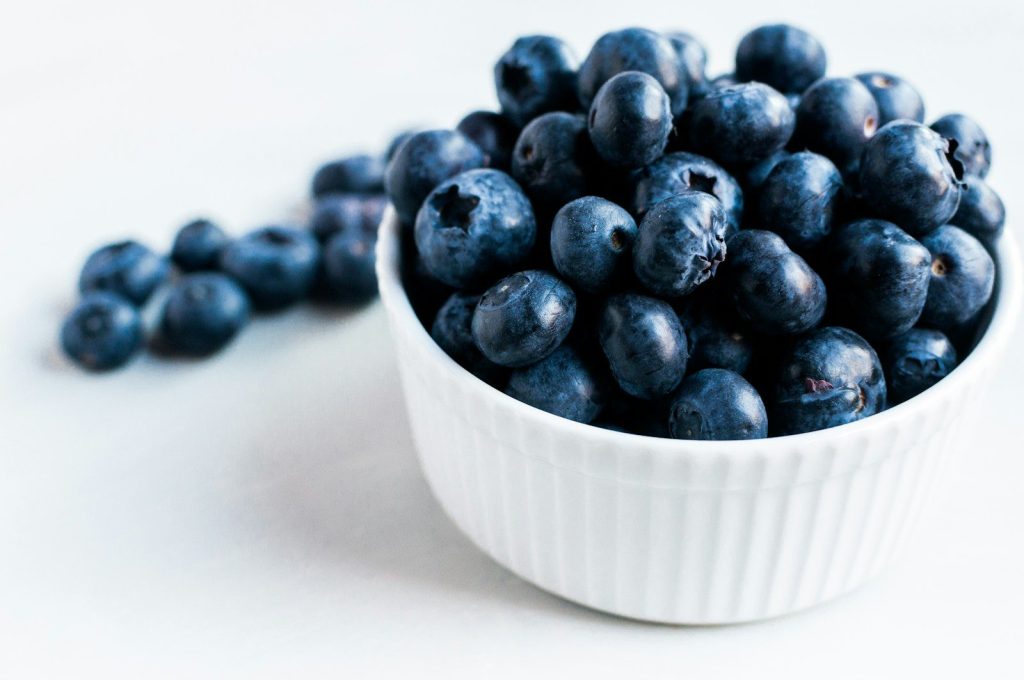
Blueberries are one of the most researched antioxidant-rich fruits.
Frozen berries are available year-round and work well in smoothies, oatmeal, pancakes, and yogurt bowls.
Use Red Cabbage As A Colorful Salad Base
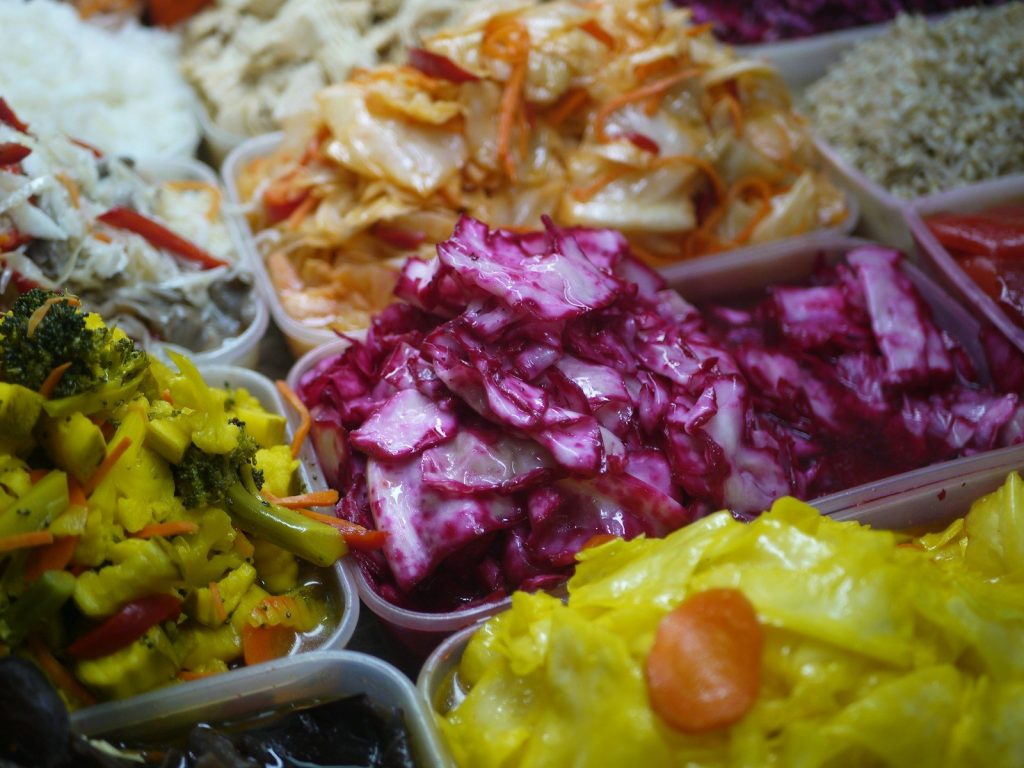
The vibrant purple color of red cabbage comes from antioxidant-rich anthocyanins.
It stays fresh longer than many leafy greens and can add crunch to salads, tacos, wraps, and grain bowls.
Replace Some Lettuce With Watercress
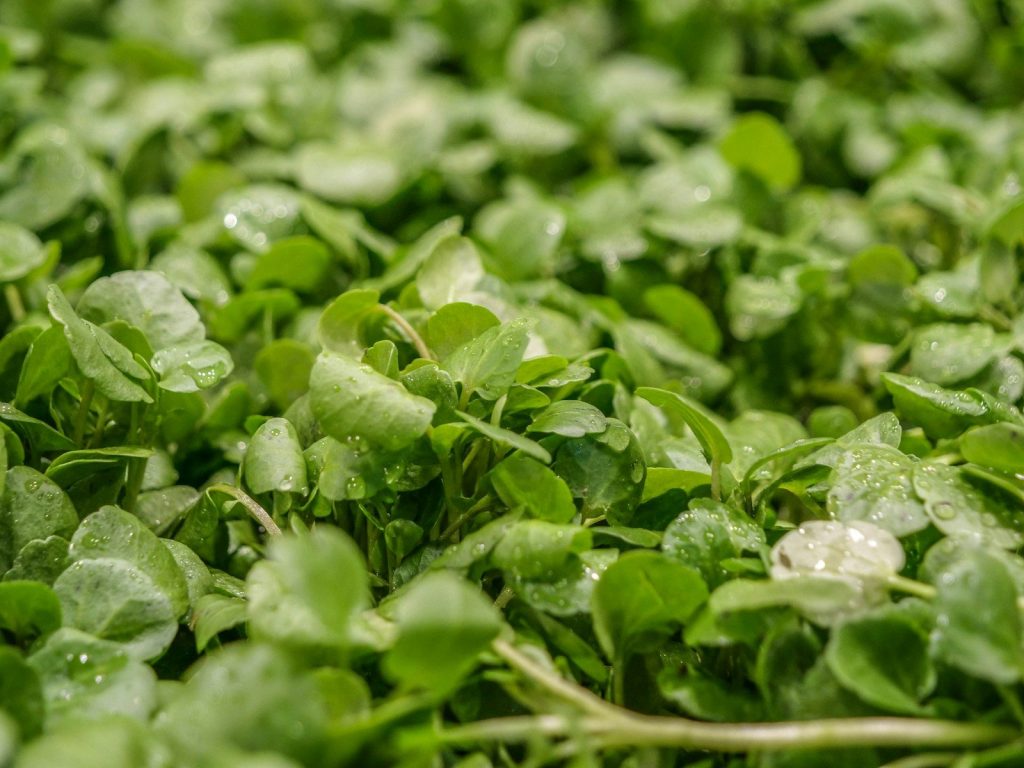
Watercress is often overlooked despite being packed with beneficial plant compounds.
Adding a handful to sandwiches, salads, and smoothies can increase nutrient diversity without dramatically changing flavor.
Snack On Cherries When They’re In Season
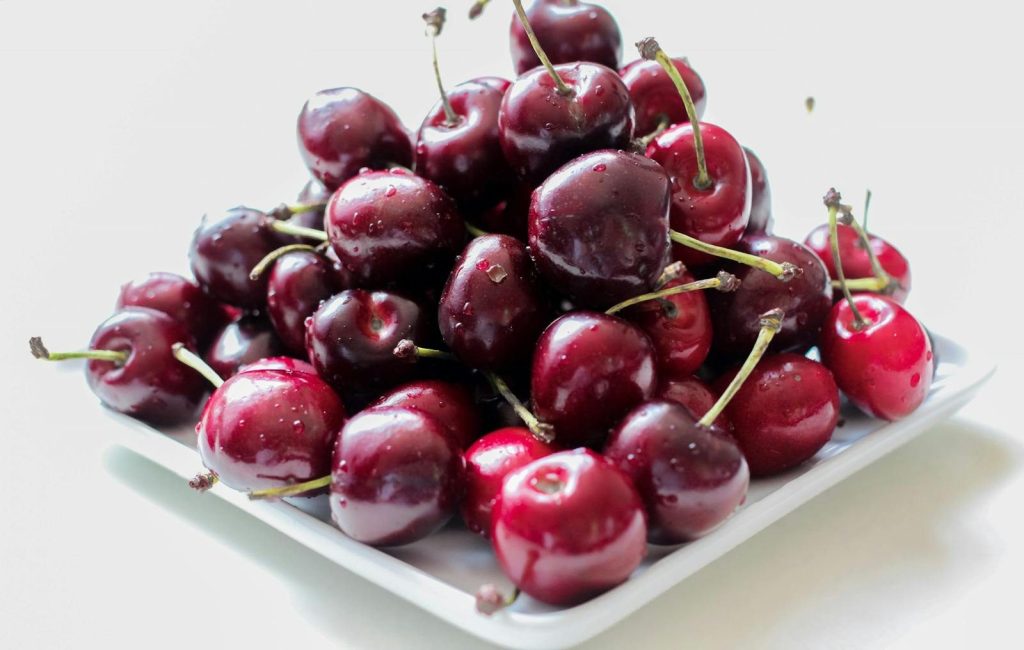
Sweet and tart cherries contain antioxidants that contribute to their rich red color.
They make an easy grab-and-go snack and pair well with yogurt or cottage cheese.
Add Artichokes To More Meals
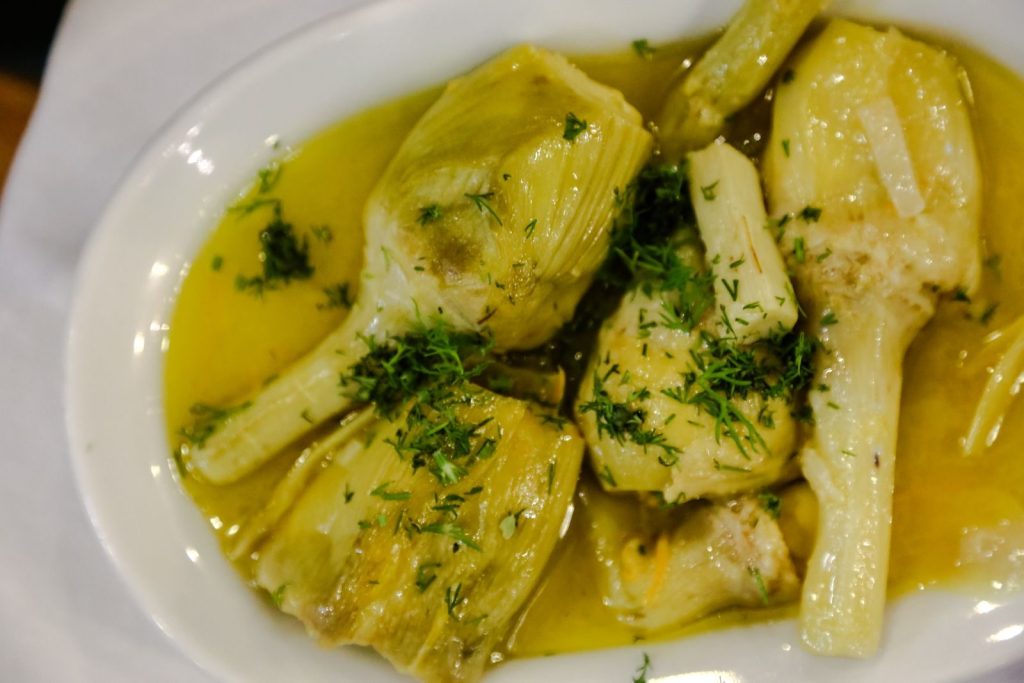
Artichokes are among the vegetables known for their antioxidant content.
Marinated artichoke hearts can be tossed into salads, pasta dishes, grain bowls, and vegetable platters.
Finish The Day With A Cup Of Hibiscus Tea
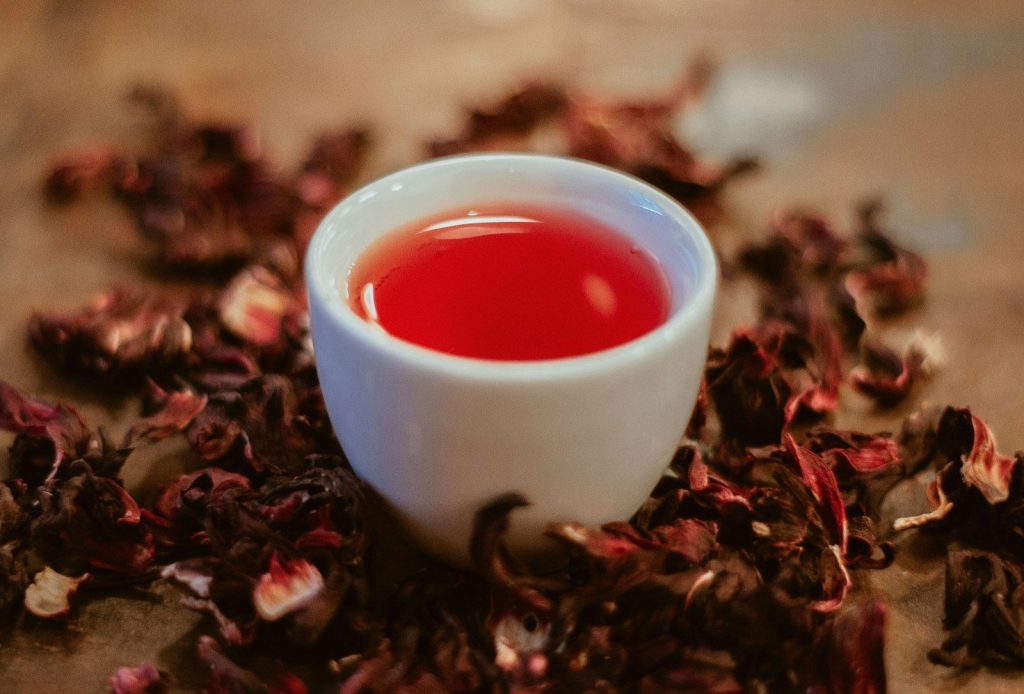
Hibiscus tea gets its bold red color from antioxidant compounds naturally present in the plant.
Enjoyed hot or cold, it offers a refreshing alternative to sugary beverages while adding variety to your routine.
Antioxidants Come From More Than One Superfood
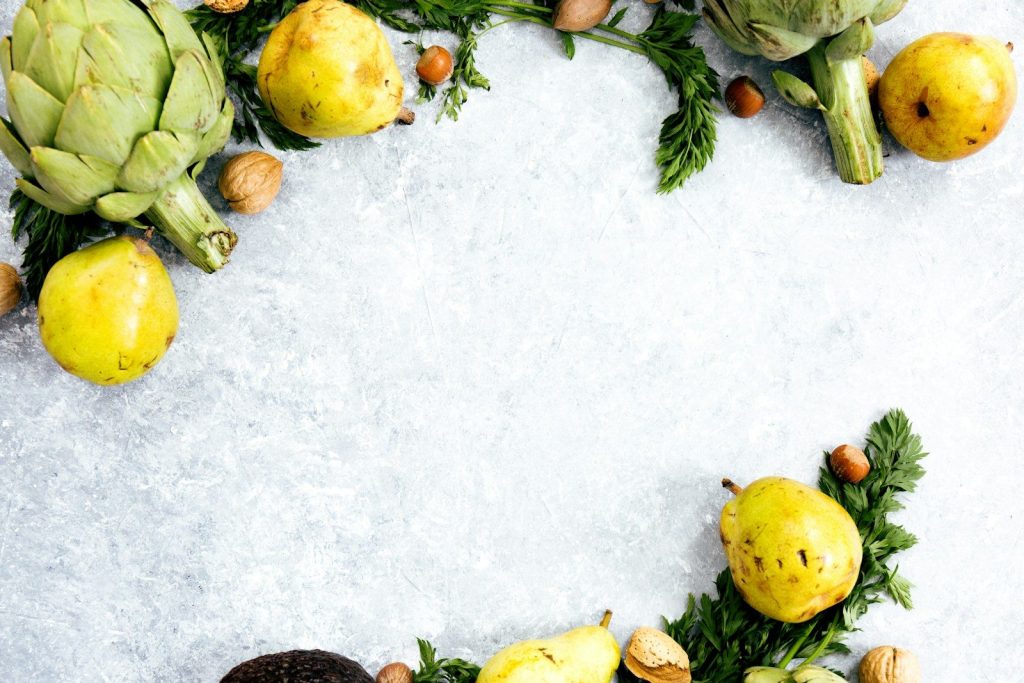
While pomegranate seeds deserve their healthy reputation, relying on a single food is rarely the best strategy. Including a wider variety of colorful fruits, vegetables, herbs, spices, nuts, and teas can help provide a broader range of beneficial plant compounds. These simple food hacks make it easier to build that variety into everyday meals and snacks.