

DIY projects can save money, boost confidence, and make a home feel more personal. But sometimes the biggest challenge is not learning new skills. It is avoiding the habits that quietly create bigger problems later.
Many home improvement headaches start with shortcuts that seem harmless in the moment. These smart DIY hacks help you work more efficiently, avoid common pitfalls, and get better results from every project.
Measure Twice and Save Hours Later
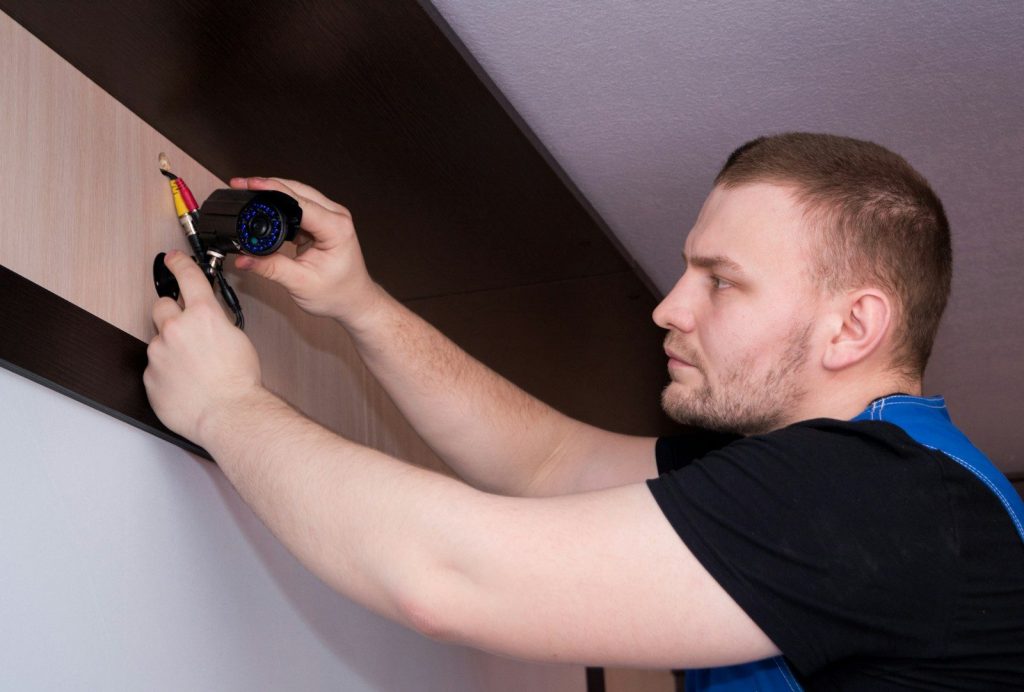
One of the easiest ways to avoid frustration is slowing down before making cuts or installations. A few extra seconds spent measuring can prevent expensive mistakes.
Keep a notepad nearby and double-check critical dimensions before starting. This simple habit often saves far more time than rushing through the planning stage.
Use the Right Tool Instead of Forcing the Wrong One
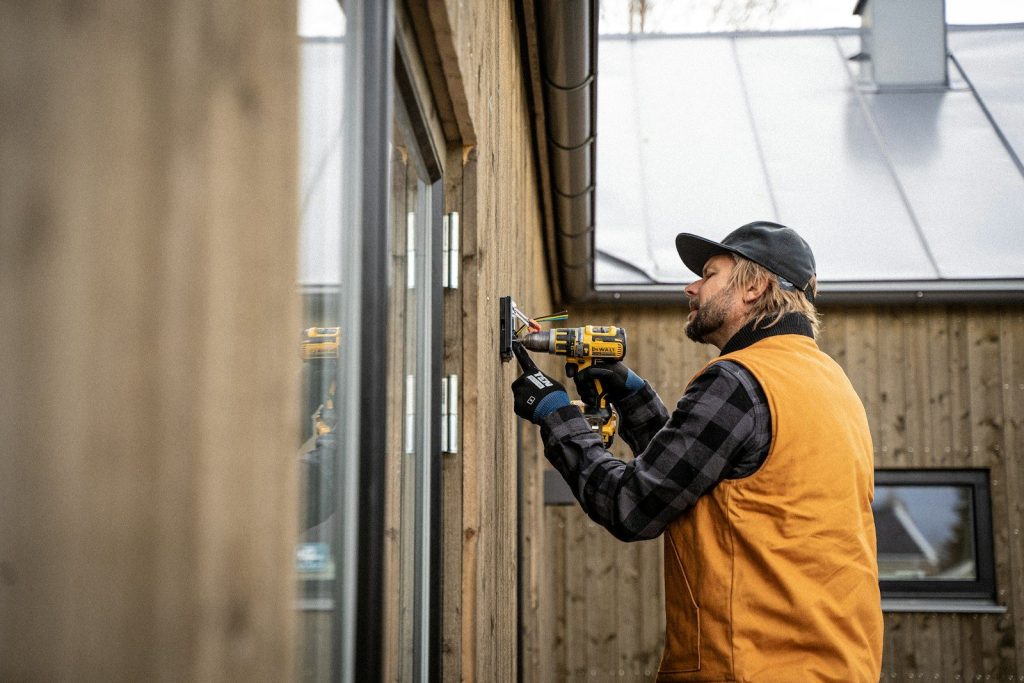
Many DIY problems begin when people try to make one tool handle every task. The result is often damaged materials and unnecessary effort.
Before starting, make sure you have the proper equipment for the job. The right tool usually produces cleaner results while reducing strain and frustration.
Label Everything Before Taking It Apart
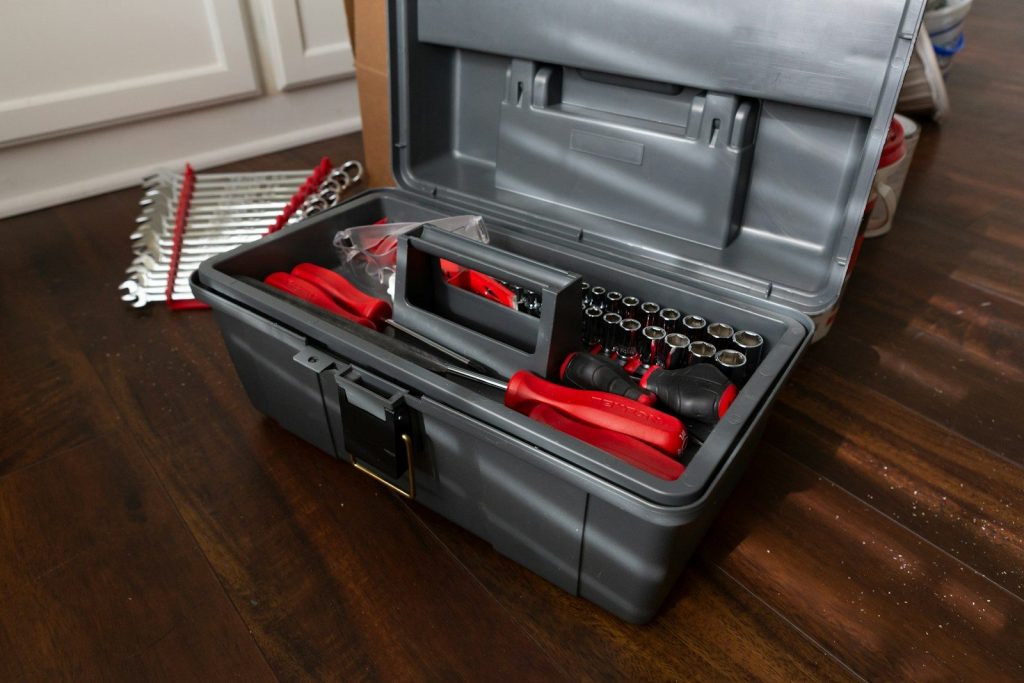
Disassembly often feels easy until it is time to put everything back together. Suddenly, wires, screws, and parts all start looking the same.
Use small labels or take photos before removing components. This quick hack can eliminate confusion and speed up reassembly dramatically.
Test Paint Colors Before Committing
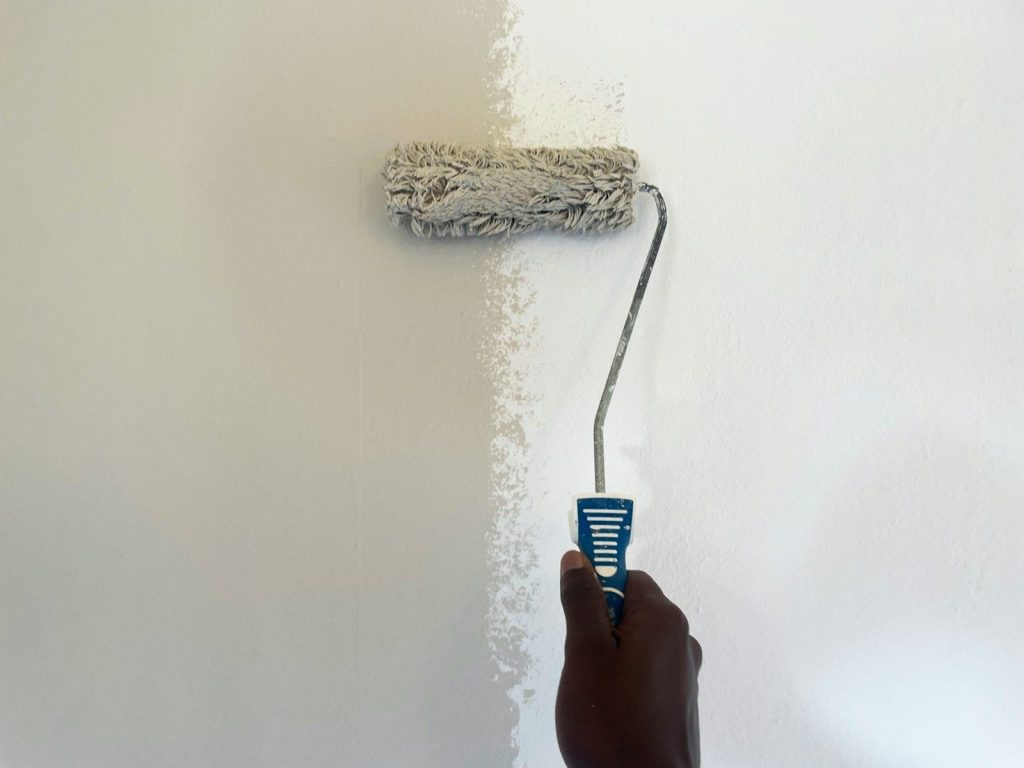
A color that looks perfect in the store may feel completely different once it is on the wall. Lighting can change the appearance more than expected.
Paint a sample section and observe it throughout the day. This trick helps prevent costly repainting and unwanted surprises.
Protect Surrounding Areas First

Many DIY enthusiasts focus so much on the project that they forget about nearby surfaces. Paint splattering and scratches can create extra work later.
Take a few minutes to cover floors, furniture, and fixtures before beginning. Prevention is almost always easier than cleanup.
Keep Hardware Organized During Projects
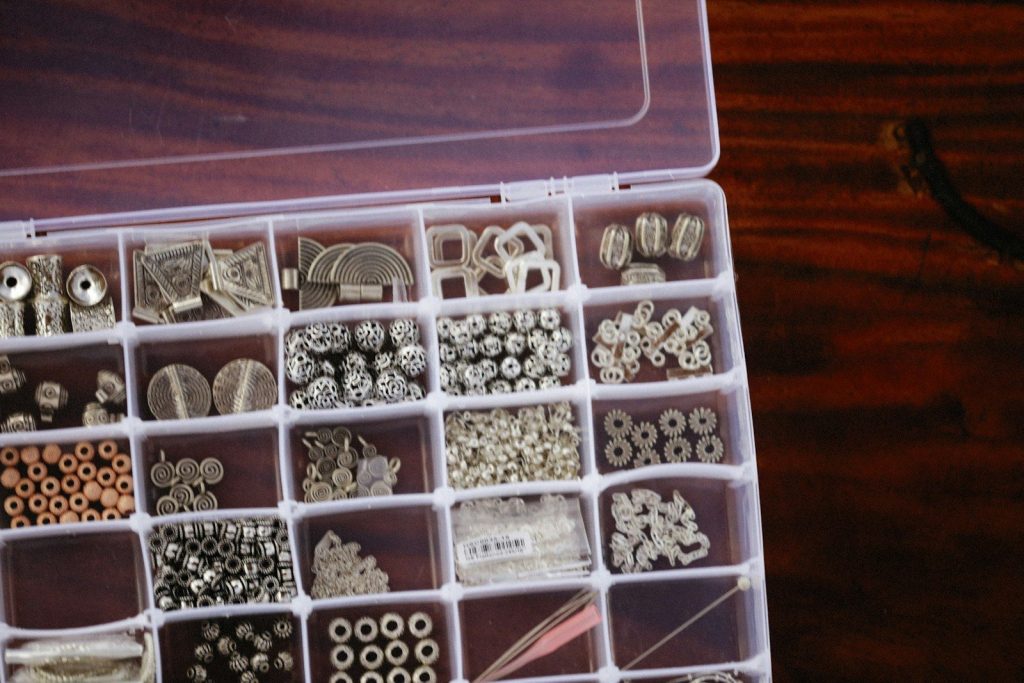
Loose screws and small parts have a way of disappearing when you need them most. Searching for missing hardware can bring progress to a halt.
Use containers, trays, or labeled bags to keep everything sorted. Staying organized makes even complex projects feel more manageable.
Know When a Shortcut Is Not Worth It
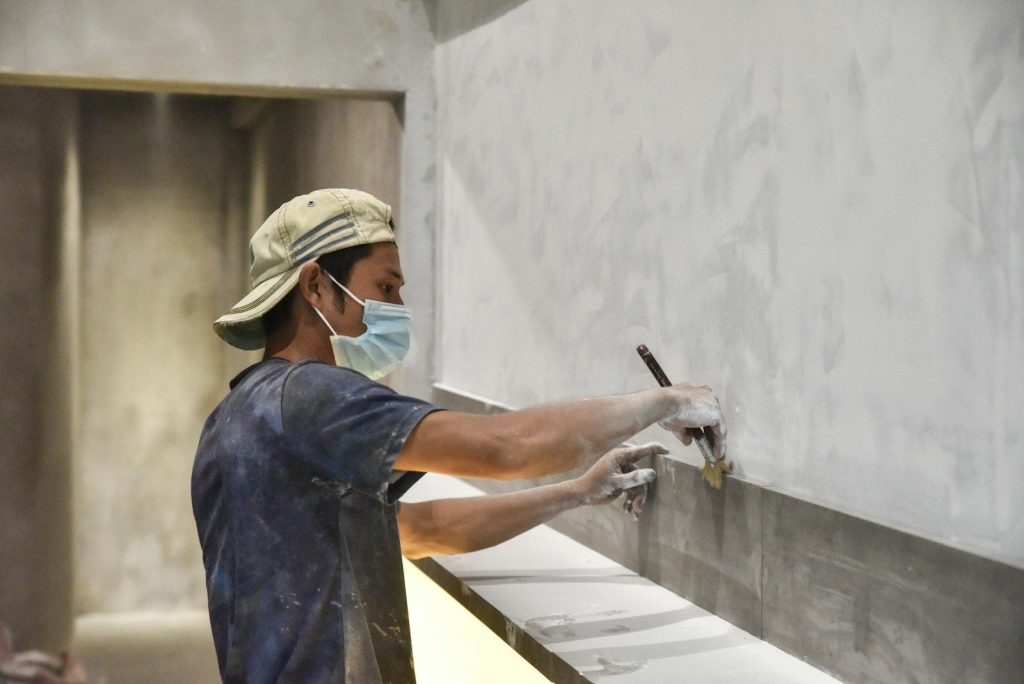
Some shortcuts save time, while others create repairs that cost much more in the long run. Learning the difference is an underrated DIY skill.
If a step seems important, resist the urge to skip it. Following instructions carefully often leads to stronger and longer-lasting results.
Take Progress Photos Along the Way

Photos are useful for more than sharing finished projects. They can serve as valuable references during every stage of the process.
Capture key details before, during, and after the work. Those images can help solve problems later and make future projects much easier to tackle.