

A peeler seems like one of those kitchen tools you barely think about until it starts skipping, clogging, or taking off way too much food. The right design can make everyday prep faster, cleaner, and far less frustrating.
A few small tricks can also help you get more from the peeler already sitting in your drawer. From choosing the right shape to handling bumpy produce and delicate ingredients, these practical hacks can change how you tackle prep work.
Choose the Peeler Shape That Gives You Better Control
If you struggle to see where the blade is cutting, try a Y-shaped peeler. Its open design gives you a clearer view of the produce, which can make it easier to follow curves and avoid accidentally digging too deep. That extra visibility is especially useful when peeling potatoes, carrots, or uneven squash.
Straight peelers can still be a comfortable choice if you prefer a knife-like grip. The key hack is to choose the shape that feels natural in your hand, because better control usually means faster peeling and less wasted produce.
Use a Sharp Blade To Stop Repeated Scraping
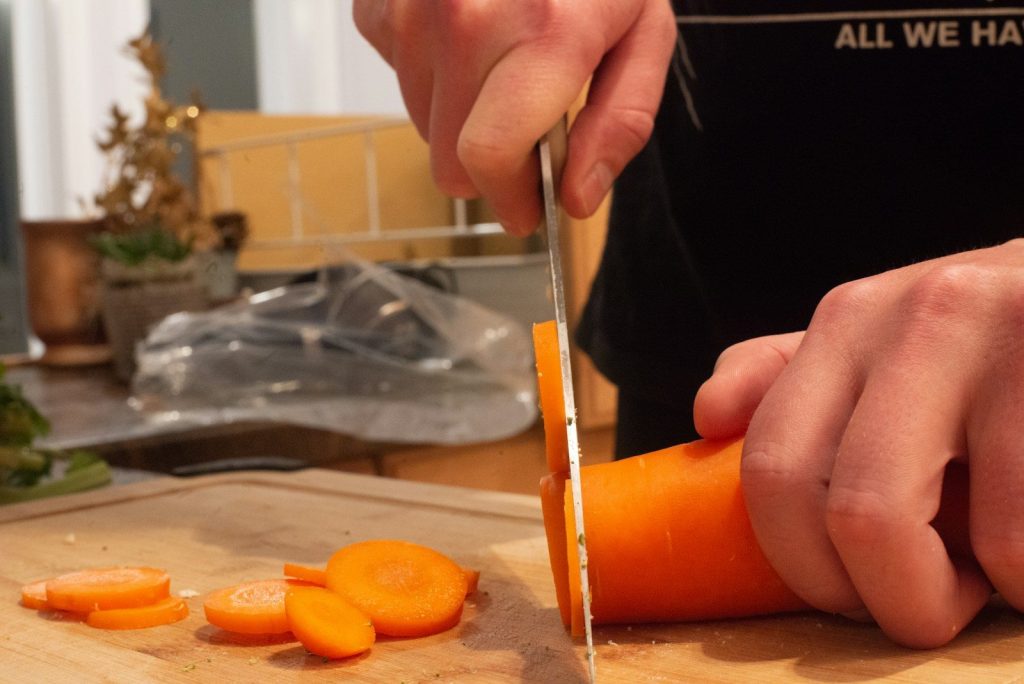
A dull peeler often forces you to go over the same patch again and again. That wastes time and can remove more of the fruit or vegetable than you intended. A sharp blade should glide through the skin in a single smooth pass.
When shopping for a replacement, prioritize a peeler that stays sharp and cuts cleanly. A good blade should remove the skin without digging deeply into the flesh underneath, helping you get more usable food from every potato, carrot, or apple.
Let the Peeler Follow the Curves
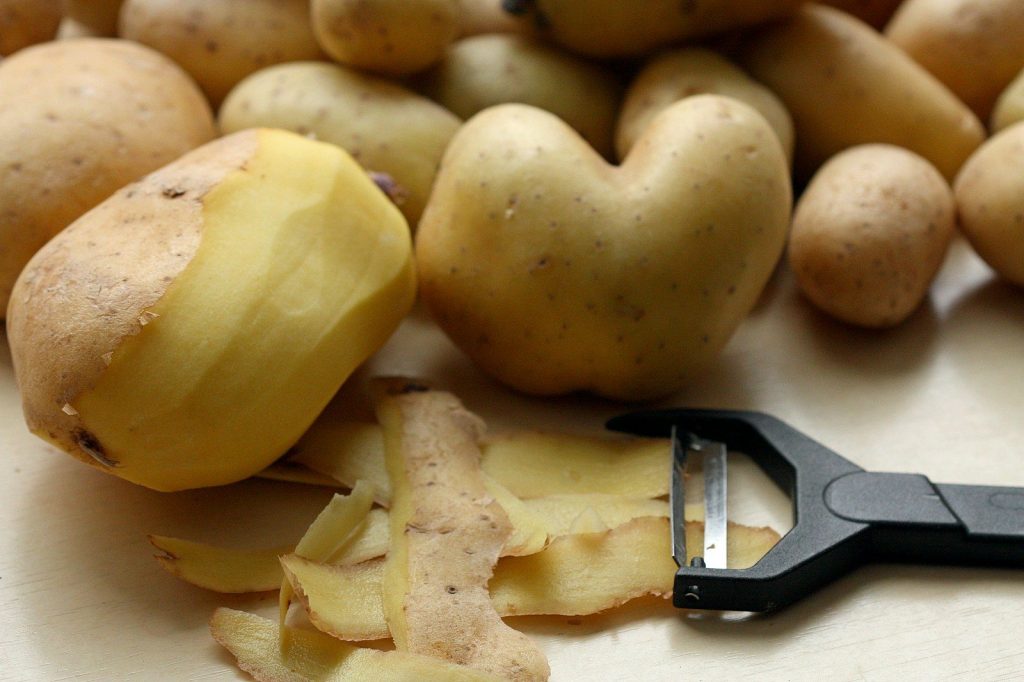
One of the easiest ways to make peeling harder is to force the tool straight across every surface. Rounded vegetables and fruit need a little flexibility. Let the blade follow the natural curve instead of pressing down aggressively.
This trick is especially helpful with potatoes, apples, and irregular produce. Gentle, controlled strokes can help the blade move over bumps without clogging or slipping, giving you a cleaner finish with fewer awkward spots to fix later.
Try Changing Your Peeling Direction
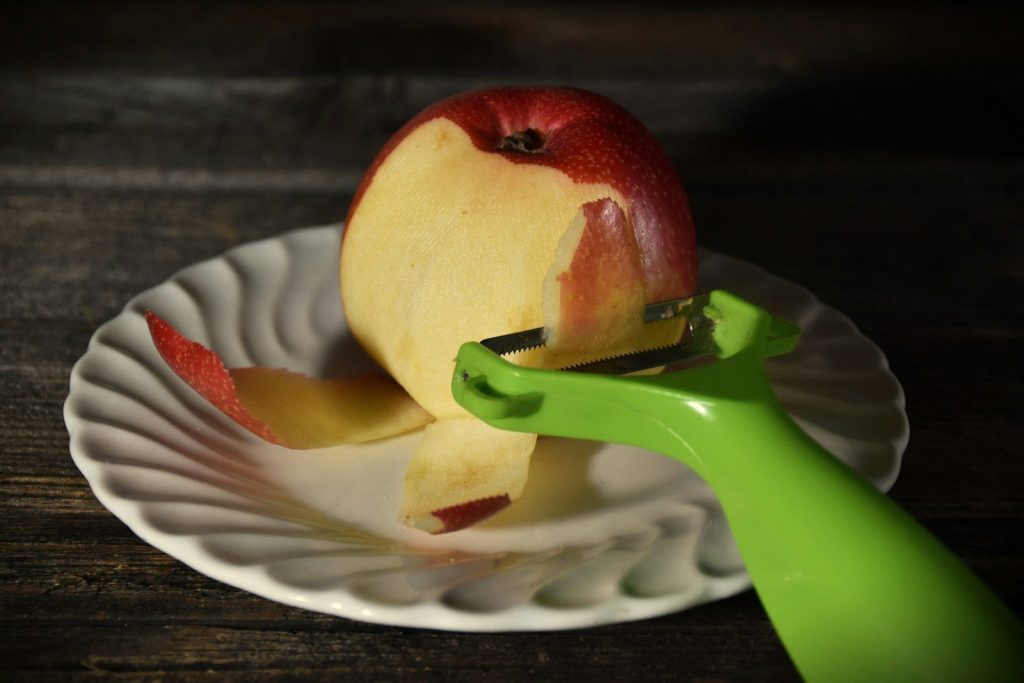
You do not always have to push a peeler away from yourself. Many models can work in either direction, so try pulling the tool toward you if that feels more comfortable or gives you better control.
Switching directions can also help when you reach an awkward angle. Instead of twisting your wrist or repositioning the entire vegetable, simply change the direction of the stroke. That small adjustment can make repetitive prep feel much smoother.
Use a Peeler for More Than Skins

A reliable peeler can become a surprisingly versatile kitchen tool. Beyond removing skins, it can create thin shavings of ingredients such as Parmesan or make delicate curls from chocolate for desserts.
The hack is to think of the blade as a controlled shaving tool rather than something used only on potatoes. Thin, even strokes can help you create garnishes and toppings without reaching for a larger knife or specialized gadget.
Match the Tool To Tough and Tender Produce
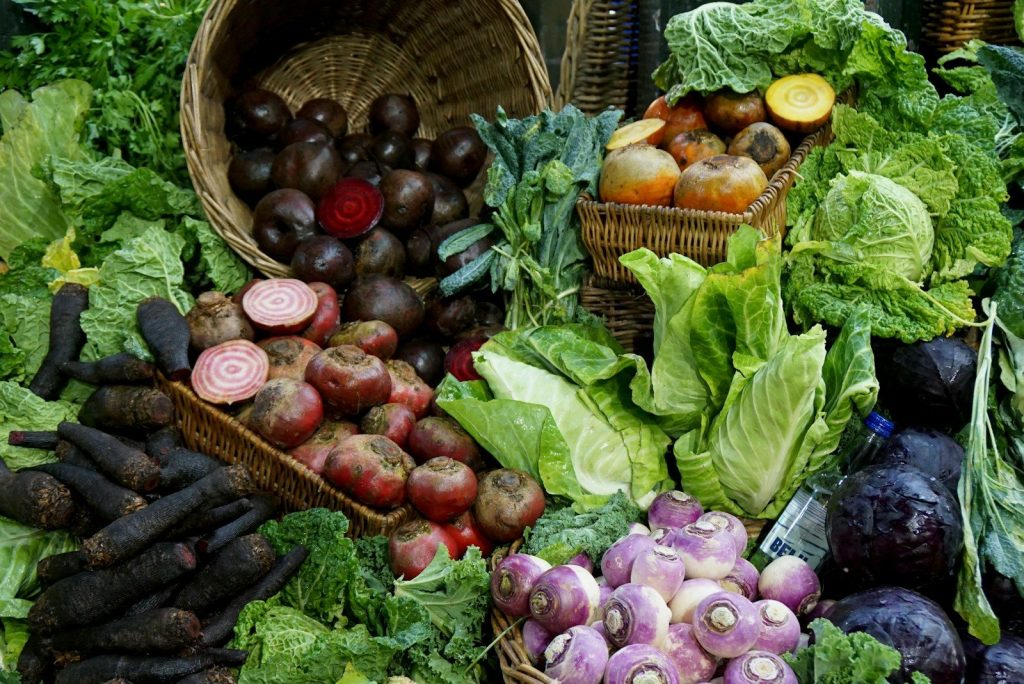
Not every ingredient presents the same challenge. Tough squash requires a peeler that can handle firm resistance, while ginger and citrus have uneven or leathery surfaces that demand more maneuverability.
Before starting, think about the texture and shape of what you are peeling. A comfortable, sharp tool that handles different surfaces smoothly can save you from fighting the ingredient and reduce the need for repeated passes.
Avoid the Peeler Mistake That Wastes Food
If your peeler removes thick strips of flesh along with the skin, it may be working against you. The best peeling technique is light enough to remove the outer layer while preserving as much of the edible interior as possible.
Keep your pressure steady and let the blade do the work. When the tool is sharp and the angle is controlled, you should not need to force it through the skin. That means less waste and a much cleaner result.
Make Comfort Part of Your Kitchen Hack

Peeling several pounds of produce can quickly become uncomfortable if the handle strains your fingers or wrist. A tool that feels light and balanced can make a bigger difference than many cooks expect.
When choosing a peeler, pay attention to how naturally you can grip and maneuver it. The best option is the one that lets you work quickly, see what the blade is doing, and finish prep without your hand feeling worn out.
Featured Image: By Sergio Kian on Unsplash