

Chicken tenders seem like one of the safest fast-food choices, but a crispy coating can quickly turn pale, greasy, or disappointingly bland. A recent taste test of 15 major chains revealed that the biggest differences often came down to details most people overlook, from fryer freshness to the chicken-to-breading balance.
Use these takeaways as a cheat sheet the next time you are craving tenders. They can help you spot better value, avoid common texture problems, and recognize the small signs that separate a juicy, crunchy order from one that tastes like it has been sitting around too long.
Look for a Deep Golden Crust
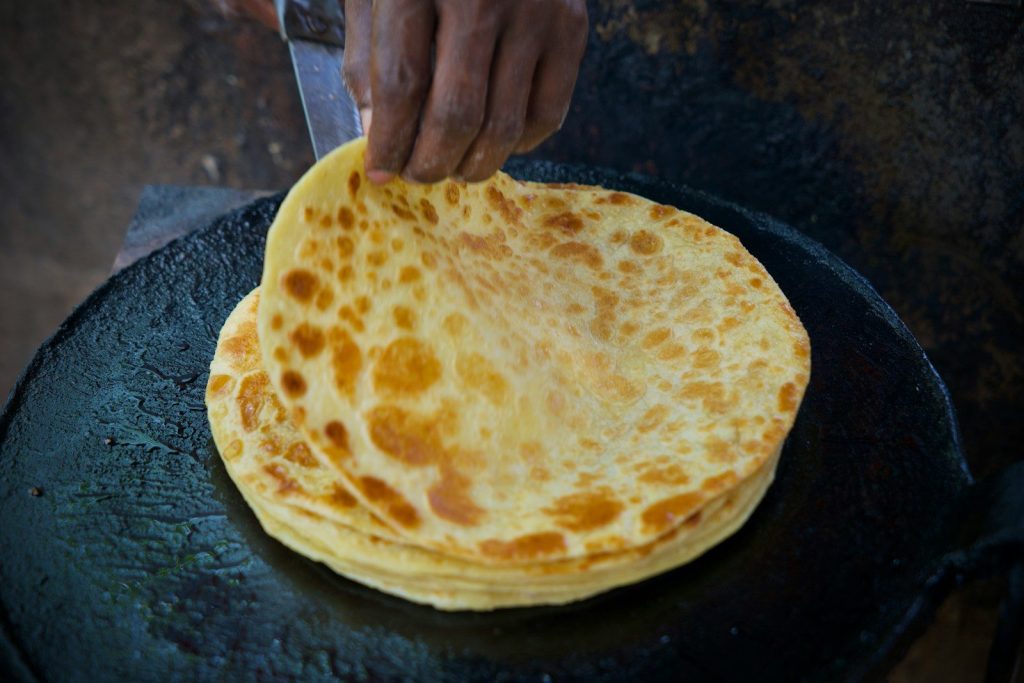
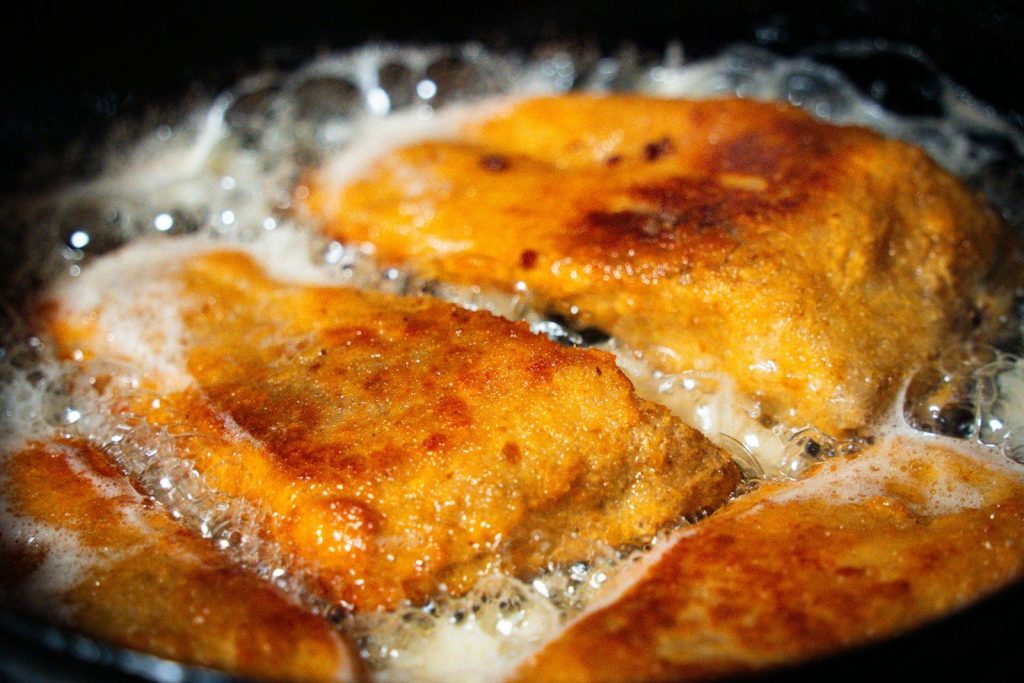
The easiest visual hack is to check the color of the breading before you take that first bite. A golden, well-fried coating usually signals better texture, while pale breading can mean a softer, less satisfying crunch. The best tenders in the taste test balanced crispness with a coating that was not overly thick or greasy.
This is especially useful when choosing between different styles. Craggy coatings, breadcrumb textures, and batter can all work, but limp breading is rarely a good sign. If the crust looks oily, pale, or soft right out of the box, the order may already be heading in the wrong direction.
Choose More Chicken and Less Coating
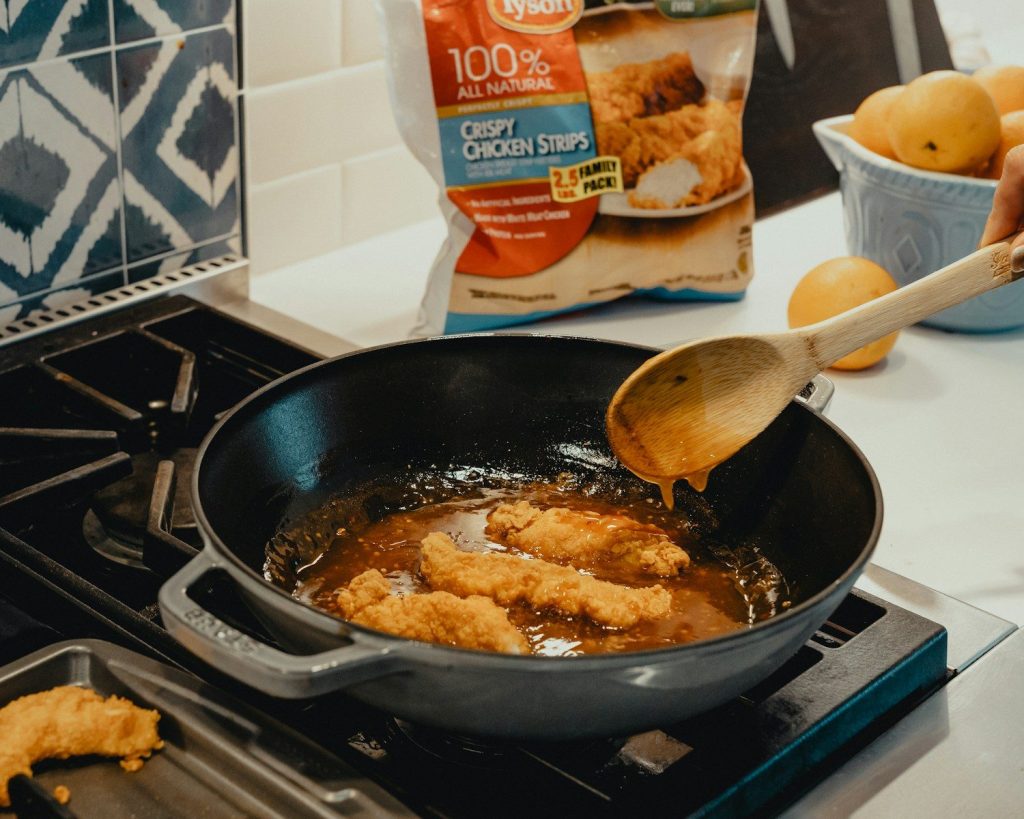
A huge portion of breading can make a tender look impressive while giving you less actual chicken for your money. The winning orders stood out because the meat remained the star, with a better balance between juicy chicken and crisp coating. That ratio can make a meal feel more satisfying without adding extra pieces.
This also helps when comparing prices. A cheaper order is not automatically a better deal if much of its weight comes from coating. The taste test even found that some low-cost orders offered poor value once the total amount of chicken was considered.
Fresh Fryer Oil Can Change Everything
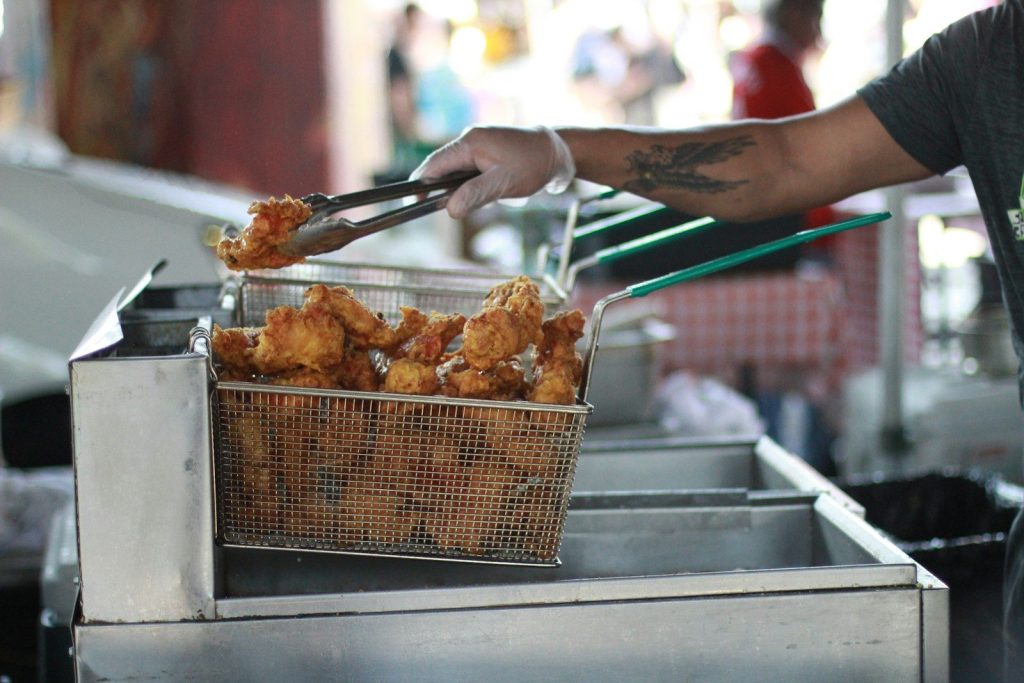
One of the most useful hidden clues is freshness. Even well-seasoned chicken can taste unpleasant when it carries bitter, stale, or fishy flavors from old fryer oil. The taste test found that stale oil was one of the most common problems across the competition.
If your tenders taste strangely heavy or leave an off flavor behind, the problem may not be the recipe. Freshly fried chicken should taste clean and savory, not like it absorbed the history of everything cooked in the fryer before it. This is one reason timing can matter as much as the chain itself.
Pick the Juiciest Chicken First
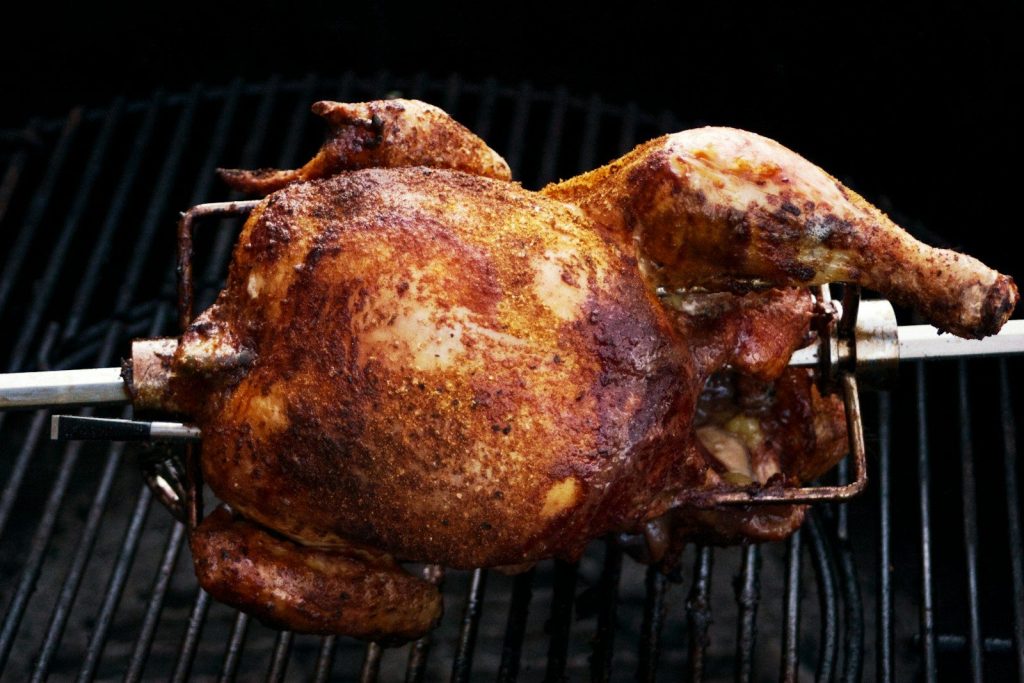
Crunch gets attention, but tender chicken is what keeps an order from feeling disappointing. Look for whole-muscle chicken with a moist texture that pulls apart easily instead of feeling rubbery, dry, or overly processed. The top-rated tenders were praised for their plump, juicy meat beneath the crust.
A simple ordering hack is to prioritize chicken quality over an extra-thick coating. A crunchy exterior cannot rescue dry meat. When the chicken is juicy and properly cooked, even a thinner crust can deliver a much better bite than a heavily breaded tender.
Do Not Assume Famous Means Best
A recognizable name can create big expectations, but the taste test showed that popularity does not guarantee the best tender. Some cult favorites struggled with soggy or under seasoned coatings, while less obvious choices performed surprisingly well.
That makes exploring smaller or unexpected locations a worthwhile food hack. One standout chain operates in many convenience stores and hand-breads its chicken in the store. Sometimes the best order is hiding somewhere you would not normally think to check.
Use Seasoning as a Shortcut
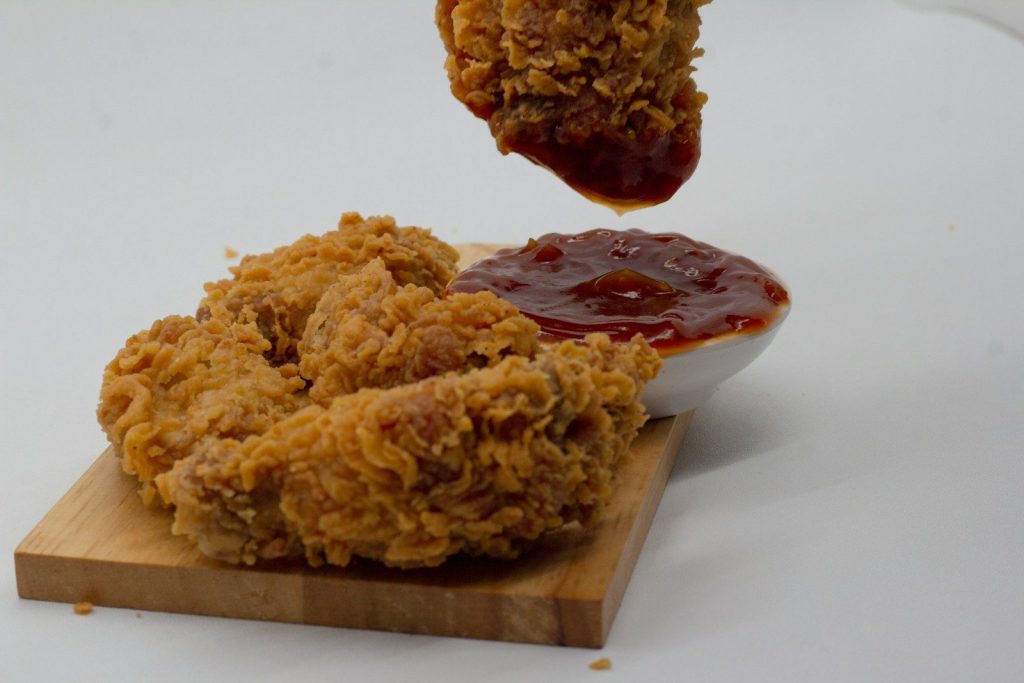
Many of the tested tenders were surprisingly mild, so seasoning can be a major difference-maker. If you like bold chicken, look for a chain known for a more assertive spice profile rather than assuming every crispy tender will bring plenty of flavor.
The test found one familiar chain especially notable for stronger seasoning, even though it did not rank among the top three overall. That is a useful reminder that the best choice depends on what you value most. A juicy tender and a boldly seasoned tender are not always the same thing.
Check the Price Per Bite
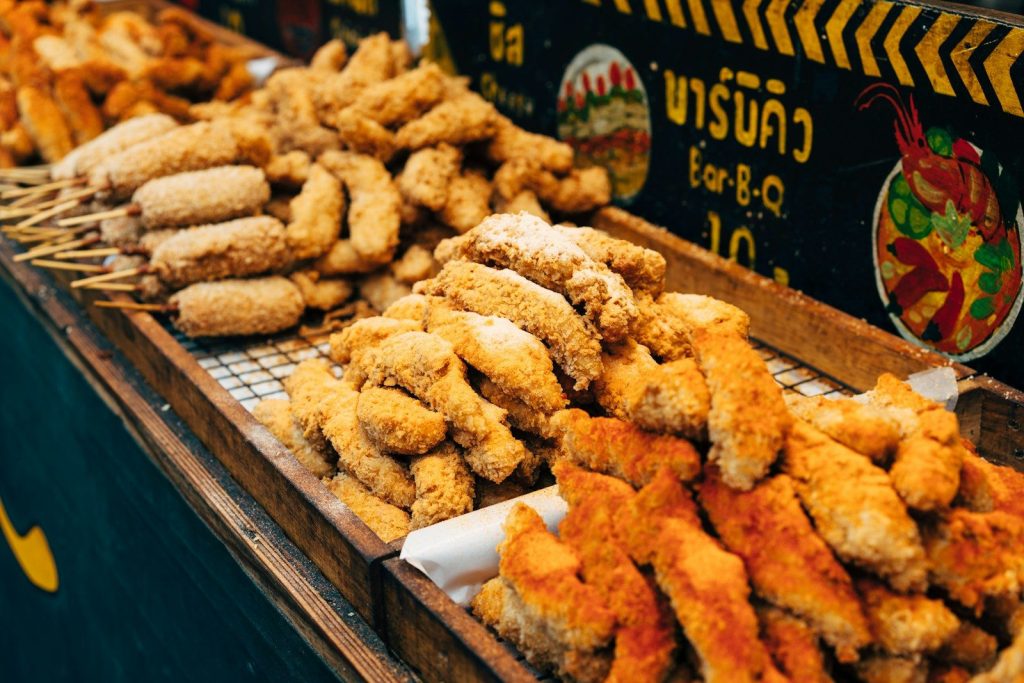
Menu prices can make one order look like a bargain, but the number of tenders can be misleading. Sizes vary dramatically, with some pieces barely larger than nuggets and others weighing several ounces. Comparing the amount of actual chicken gives a clearer picture of value.
This is why a lower-priced meal may not stretch as far as expected. The taste test found that the top overall winner also offered strong value, while some cheaper-looking options were less impressive when portion size and chicken weight were considered.
Order for Crispness Before Sauce
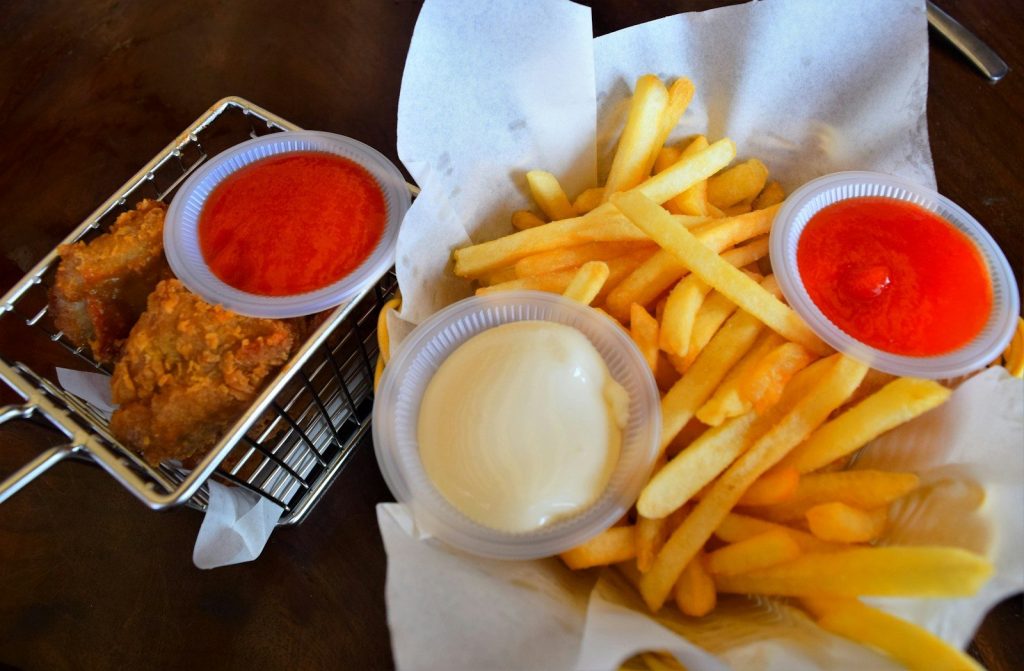
Sauce can make almost any tender more exciting, but it can also hide problems with the chicken and quickly soften the coating. If you want to judge quality, try the plain version first. The top contender stood out even without sauce because its chicken was juicy, its breading was crisp, and the seasoning was already strong.
That makes plain tenders a smart test order when trying a new restaurant. If the chicken tastes good before dipping, you have a solid foundation for any sauce. If the coating is already soggy or bland, extra sauce may only cover up the problem instead of fixing it.
Featured Image: By Karl Janisse on Unsplash