

When your schedule is packed, the problem may not be that you have too much to do. It may be that too many tasks, reminders, and decisions are competing for your attention at once. A few simple systems can quietly take that pressure off your brain.
The best part is that getting organized does not require a perfect planner or a completely open afternoon. These practical hacks are designed for real life, helping you reduce daily chaos, save time, and create more breathing room even when your calendar is already full.
Get Every Reminder Out of Your Head

One of the fastest ways to feel overwhelmed is trying to remember everything yourself. Appointments, errands, birthdays, bills, and random ideas can turn your brain into a constantly running reminder app.
Use one trusted place for all of it, whether that is a calendar, planner, or notes system. The real hack is consistency. When you know exactly where to check, you stop wasting mental energy wondering what you might have forgotten.
Turn Repeating Chores Into Automatic Habits

Small decisions add up quickly when you are busy. Figuring out when to shop, do laundry, plan meals, or handle bills can make ordinary tasks feel exhausting.
Create simple recurring routines instead. Pick regular days or triggers for common chores so you do not have to rethink them every week. The goal is not to schedule every minute. It is to make everyday responsibilities easier to start.
Use a Weekly Reset Before Chaos Starts

A few minutes of planning can prevent a week full of last minute scrambling. Look ahead at appointments, deadlines, activities, errands, and anything that needs extra preparation.
Try doing this before the new week begins. Once you can see what is coming, you can spot conflicts early and make better decisions about meals, shopping, and your available time.
Give Frequently Used Items A Home

Searching for keys, chargers, papers, bags, or everyday essentials can quietly steal minutes from your day. Those little searches become especially frustrating when you are already running late.
Create a permanent home for the things you use most. Then use one simple rule. Do not just put something down. Put it away. This small habit makes finding things faster and helps the whole household stay more organized.
Batch Similar Tasks To Save Mental Energy

Constantly switching between unrelated tasks can make a busy day feel even more scattered. Group similar activities together whenever possible so your brain does not have to keep changing gears.
Handle errands in one trip, process messages during a set window, or group household tasks together. This simple hack can make your schedule feel lighter without actually removing every task from it.
Schedule Rest Before You Need It
Free time often disappears when it is treated as something you will get to later. By the time everything else is finished, you may be too tired to enjoy it.
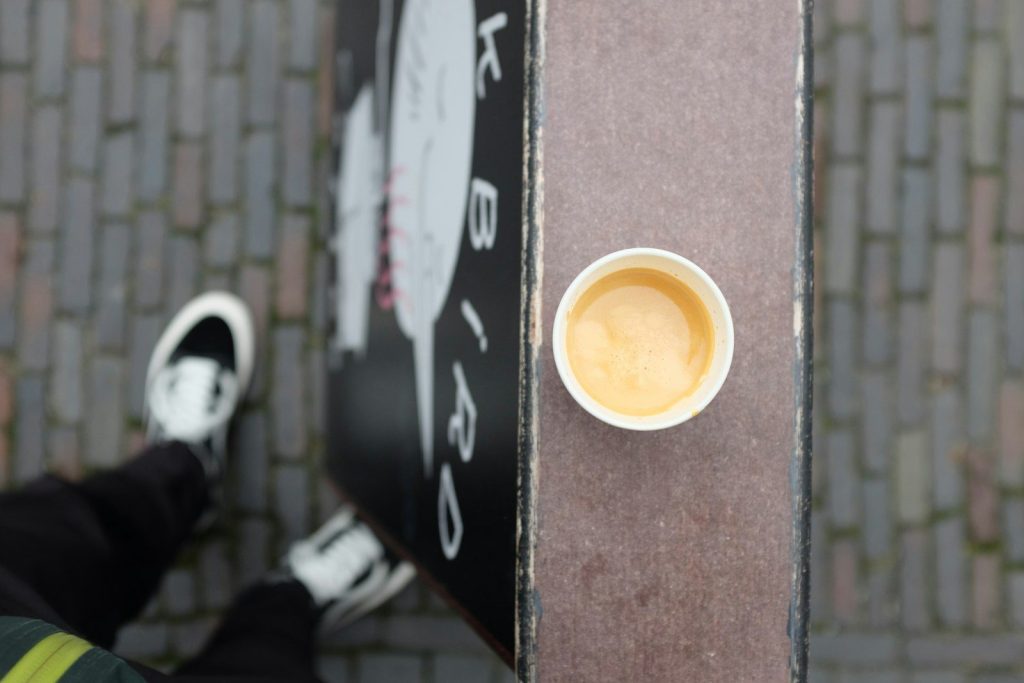
Put small moments of recovery on your schedule before the week fills up. A walk, quiet coffee, reading, or a favorite hobby can help protect your energy and make a busy routine feel more sustainable.
Build Systems That Survive Real Life

The goal is not to become perfectly organized or create a schedule that falls apart after one unexpected interruption. The best systems are simple enough to keep working when plans change.
Start with one trusted place for information, a few repeatable routines, and designated homes for everyday items. Those small systems can reduce decision fatigue and help you spend less time reacting to chaos and more time focusing on what actually matters.
Featured Image: By krakenimages on Unsplash