

Getting organized does more than make your home look better. The right decluttering habits can help you buy less, waste less, and even make everyday decisions feel easier. The surprising part is that many of the greenest home upgrades begin with simply paying attention to what you already own.
Before you toss another bag of unwanted stuff into the trash, try these practical hacks. From smarter donations to low-waste storage and simple cleaning swaps, these ideas can help you create a tidier home without turning organization into an excuse to buy more things.
Start With a No-Buy Decluttering Rule
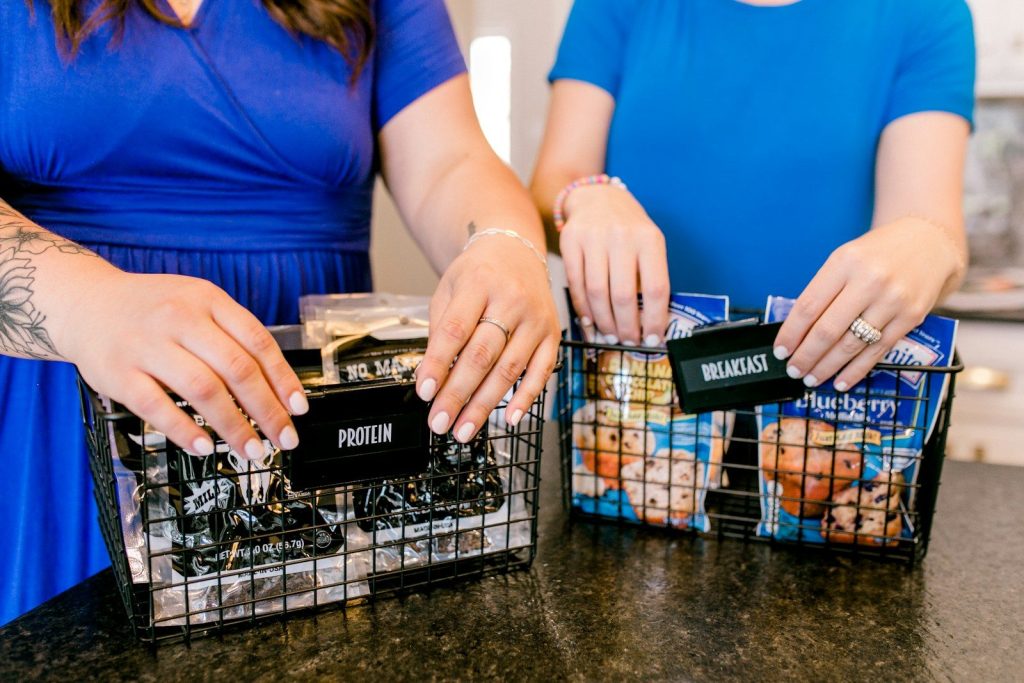
Before shopping for bins, baskets, or organizers, take inventory of what you already own. You may have containers, jars, boxes, and storage pieces hiding in closets that can solve your organizing problem for free.
This simple pause also helps stop overconsumption. When you keep only what you actually use, need, or love, you create more space while making future shopping trips more intentional.
Use Organization To Stop Duplicate Shopping
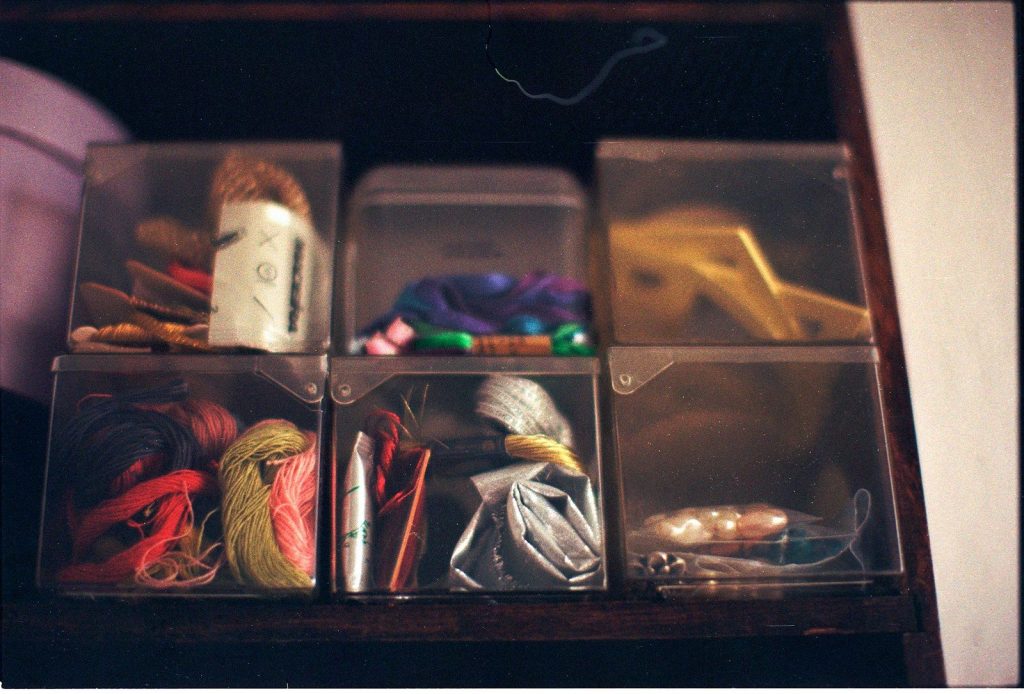
A messy drawer can quietly drain your wallet. When you cannot find batteries, beauty products, office supplies, or pantry items, buying replacements feels easier than searching.
Give frequently used items a clear home and you may stop purchasing things you already own. This hack saves money, cuts packaging waste, and keeps clutter from multiplying behind closed doors.
Create a Donate First Pile
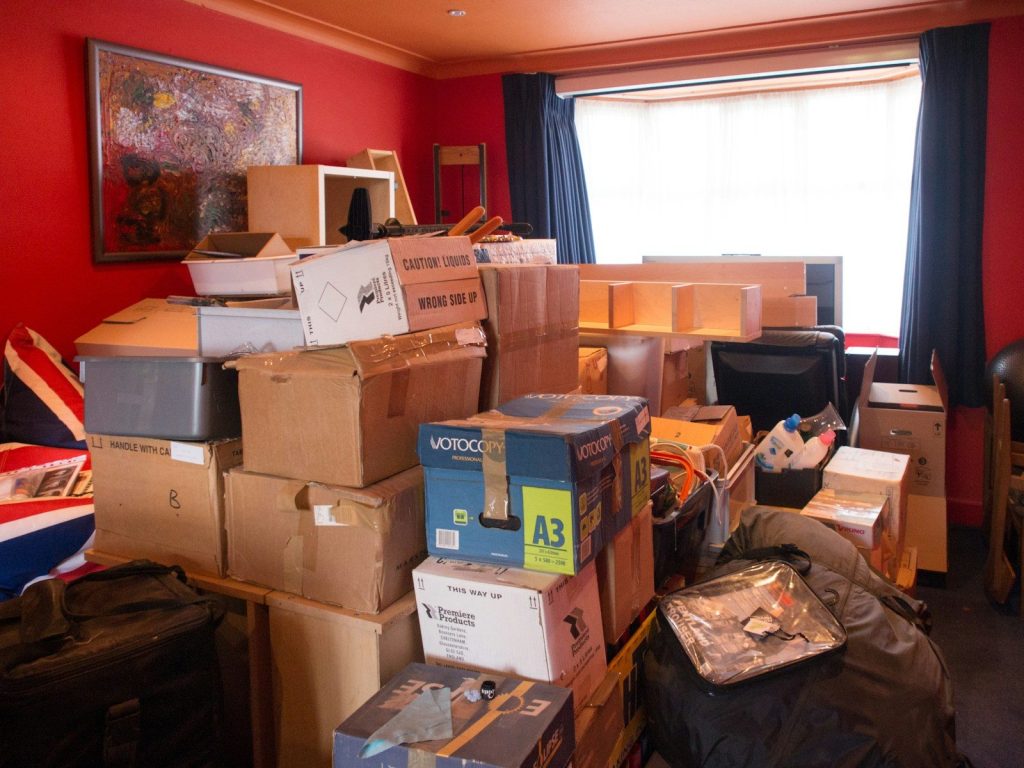
When decluttering, make donation the first option instead of automatically reaching for the trash bag. Clothes, books, furniture, toys, and working electronics may still be useful to someone else.
Set aside a dedicated donation box while you organize. Once it is full, move it out quickly so those items do not drift back into your home or sit forgotten in a corner.
Turn Unwanted Items Into Useful Resources
Not everything you no longer want belongs in the garbage. Old furniture, usable clothing, working technology, and gently used household goods may have a second life.
For damaged items, think about creative reuse before disposal. A worn item might become a repair project, craft material, or useful household piece instead of adding unnecessary waste to a landfill.
Make Recycling Easier With A Sorting Station
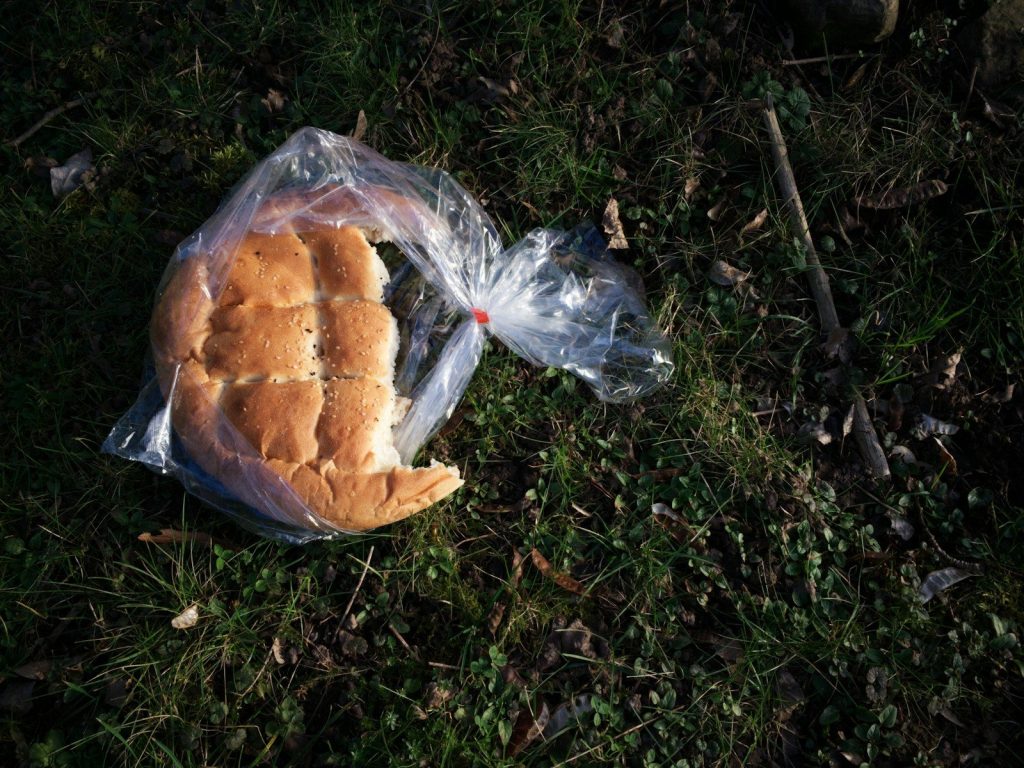
Recycling becomes much less annoying when you do not have to figure everything out at the last minute. Create a small sorting area for paper, containers, electronics, and other recyclable materials.
Check your local recycling rules before tossing something into the bin. Food residue, plastic bags, ceramics, foam, and certain other materials can cause problems when placed in regular recycling.
Rethink Your Cleaning Products
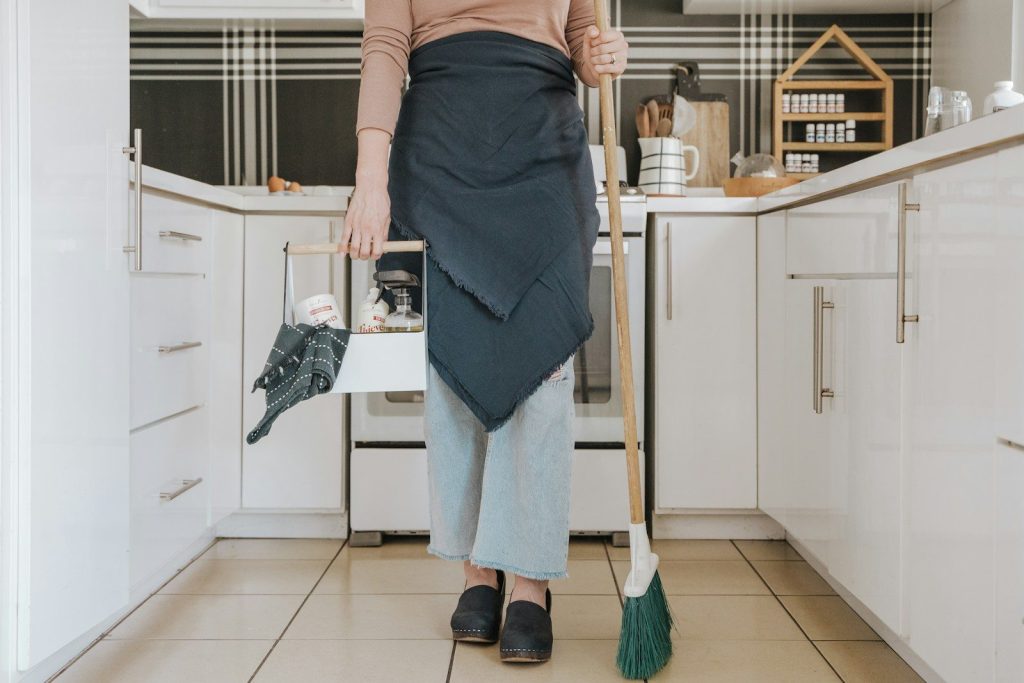
An organized cleaning cabinet is the perfect place to check what you are actually using. Instead of trusting every product labeled green, look at the ingredients and research what the claims really mean.
You can also explore simple homemade cleaning solutions when appropriate. Reducing unnecessary products means fewer bottles, less packaging, and a less crowded cabinet that is easier to manage.
Try Composting To Shrink Kitchen Trash

A small compost system can turn everyday food scraps into something useful instead of sending them straight to the landfill. Coffee grounds, eggshells, vegetable scraps, and other suitable materials can become valuable garden nutrients.
Keep a covered container in a convenient spot so composting is easy to remember. The easier the habit feels, the more likely you are to keep food waste out of the trash.
Repurpose Before You Buy New Storage
Before buying another plastic bin, look around your home for something that can do the job. Jars, boxes, baskets, and existing containers may already provide the storage you need.
When you do need new organizers, consider durable options made from recycled materials, wood, wicker, or other lower-impact materials. The biggest organizing win is often using what you already have.
Featured Image: By Galen Crout on Unsplash