

When summer temperatures climb, most homeowners simply turn down the thermostat and hope their air conditioner can keep up. But some everyday habits quietly make the system work harder than necessary, driving up energy bills and putting extra strain on expensive equipment.
The good news is that a few simple changes can make a noticeable difference. From the spot where your thermostat sits to the space around your outdoor unit, these practical AC hacks can help your system cool smarter without making your home feel warmer.
Start With the Right AC Size

One of the costliest mistakes happens before the system even runs. An air conditioner that is too large may cool rooms quickly but cycle on and off too often, while an undersized unit can run constantly just to keep up. The smarter hack is to choose cooling capacity based on your home’s layout, insulation, room sizes, and typical use.
This is especially important when replacing an old system. Instead of assuming a bigger unit is automatically better, have the home properly evaluated first. The right size can improve comfort, reduce unnecessary cycling, and help the equipment last longer.
Stop Cooling an Empty House
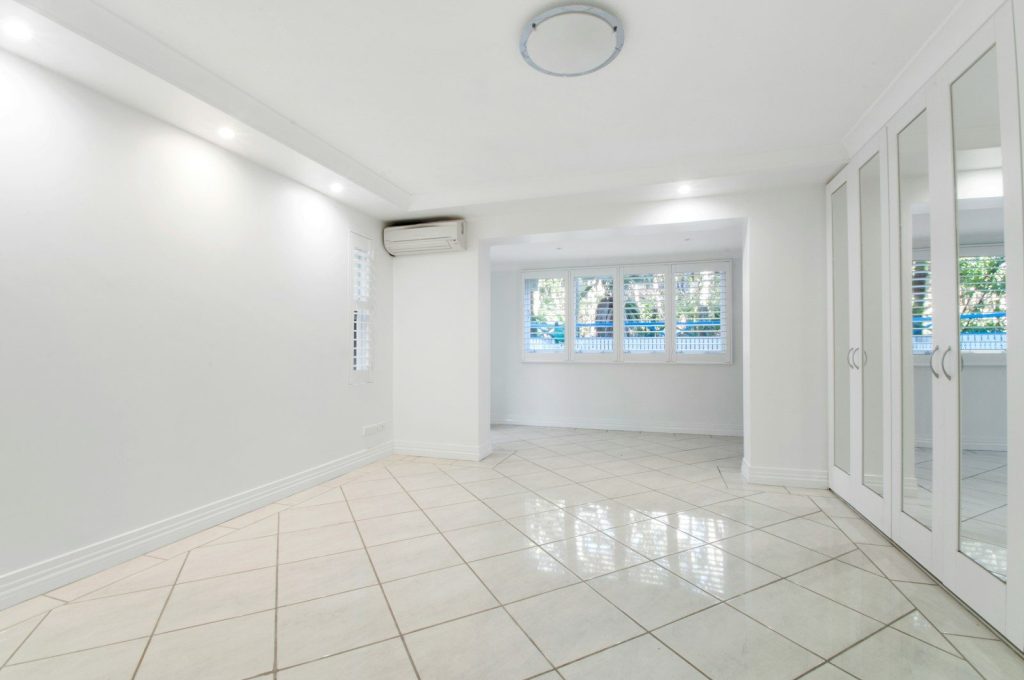
If everyone leaves for work, school, or errands, keeping the home at the same temperature all day can waste energy. A programmable or smart thermostat can automatically adjust the temperature based on your schedule, so the system is not working as hard when nobody is home.
You can also reduce wasted cooling by keeping closet and cabinet doors closed. Small spaces do not need to be chilled like living areas, and limiting unnecessary airflow can help your system focus on the rooms you actually use.
Give Your Thermostat a Better Spot
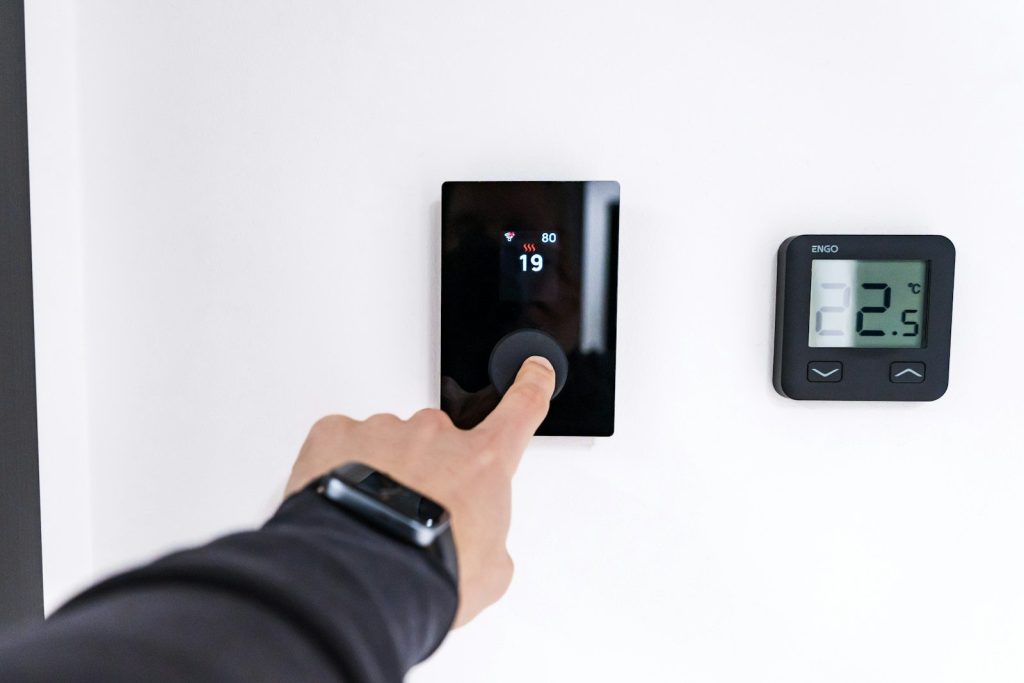
Your thermostat can make poor decisions if it sits near direct sunlight, hot lamps, appliances, or other heat sources. It may read the area as warmer than the rest of the home and trigger the air conditioner more often than necessary.
Take a quick look around the thermostat and nearby vents too. Furniture, curtains, and decorative items can block airflow. Moving those obstacles may help cool air spread more evenly without immediately lowering the thermostat.
Let Fans Do Some of the Work
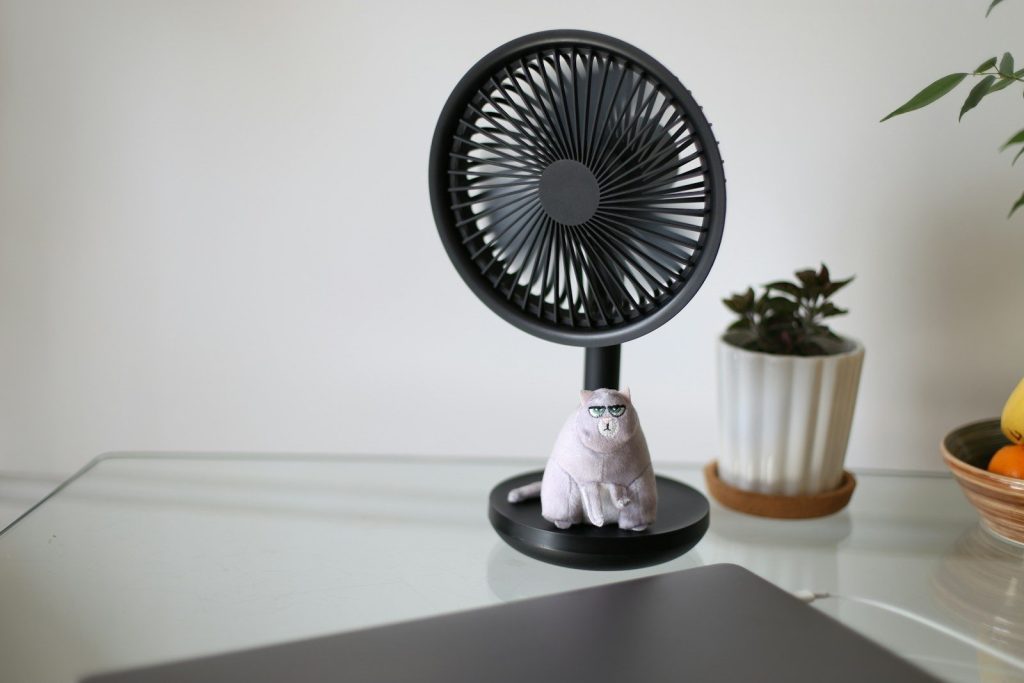
A simple fan can help distribute cooled air throughout a room, making the space feel more comfortable without forcing the AC to run nonstop. During warm weather, ceiling fans should push air downward to create a cooling breeze.
There is one sneaky catch. Running bathroom and kitchen exhaust fans for long periods while the AC is operating can pull cooled air outside. Use them when needed, but avoid leaving them running longer than necessary.
Keep Windows Closed While Cooling

Opening a window for fresh air may seem harmless, but it can quickly undo your air conditioner’s work. Cool air escapes while warm, humid air enters, forcing the system to run longer to restore the indoor temperature.
Make it a habit to check windows and doors when the AC is running. Even a small opening can undermine your cooling efforts, especially during hot and humid weather when the system is already working hard.
Treat the Filter Like a Monthly Reminder

A clogged filter makes it harder for air to move through the system. That can reduce efficiency and force the AC to work harder than it should. During cooling season, check the filter regularly and clean or replace it according to the system’s requirements.
A useful hack is to connect the task to something you already remember each month, such as paying a bill or checking your smoke detector. A clean filter is one of the simplest ways to support better airflow and lower wasted energy.
Clear Space Around the Outdoor Unit
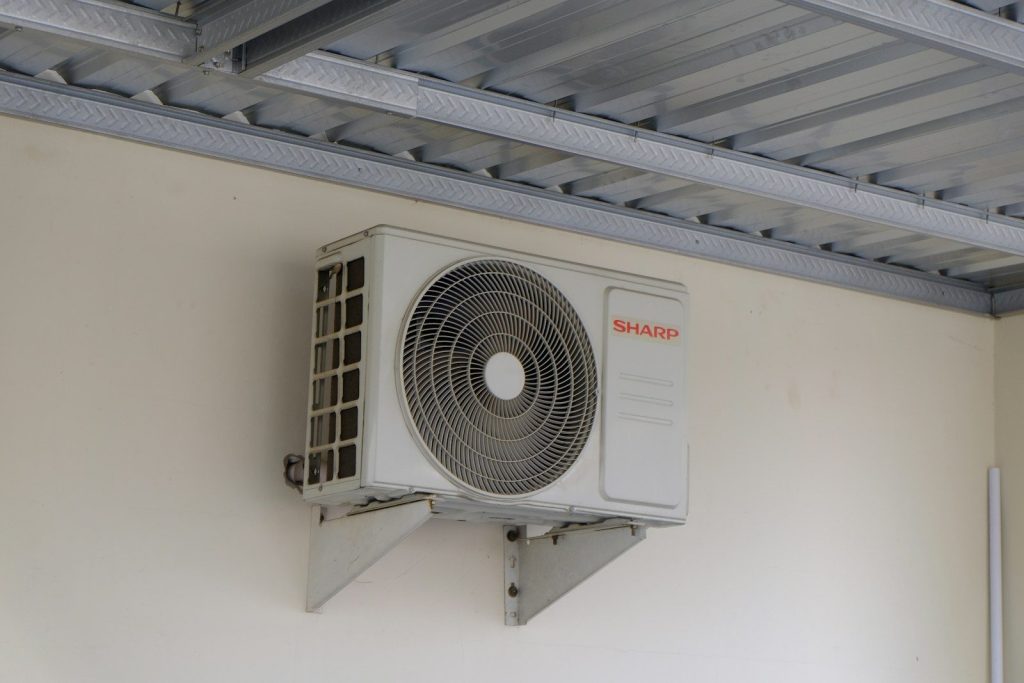
Your outdoor condenser needs room to breathe. Leaves, grass clippings, dirt, and overgrown plants can restrict airflow and interfere with the unit’s ability to release heat efficiently.
Walk around the condenser regularly and clear away debris. Trim nearby shrubs and vegetation so the unit has plenty of open space around it. Avoid placing it near dryer vents too, since lint can contribute to buildup.
Know When a DIY Fix Is Not Enough

Routine care can prevent many problems, but some warning signs require professional attention. Refrigerant leaks, electrical issues, worn components, and serious performance problems are not good candidates for guesswork.
A seasonal inspection can catch trouble before it turns into an emergency repair. Keeping up with basic maintenance, checking seals, cleaning drainage components, and scheduling professional service when needed can help your AC stay reliable when the hottest days arrive.
Featured Image: By Clay Banks on Unsplash