

July can feel like the point when the garden should simply coast until fall. That is actually one of the biggest missed opportunities of the growing season. With the right timing, empty spaces left by spring crops can become a second wave of vegetables, herbs, and flowers.
The trick is to match each plant with the heat, the remaining growing season, and the space you already have. These simple planting hacks can help you squeeze more food, color, and pollinator activity from the same garden without starting over.
Use Fast Beans To Fill Empty Garden Space
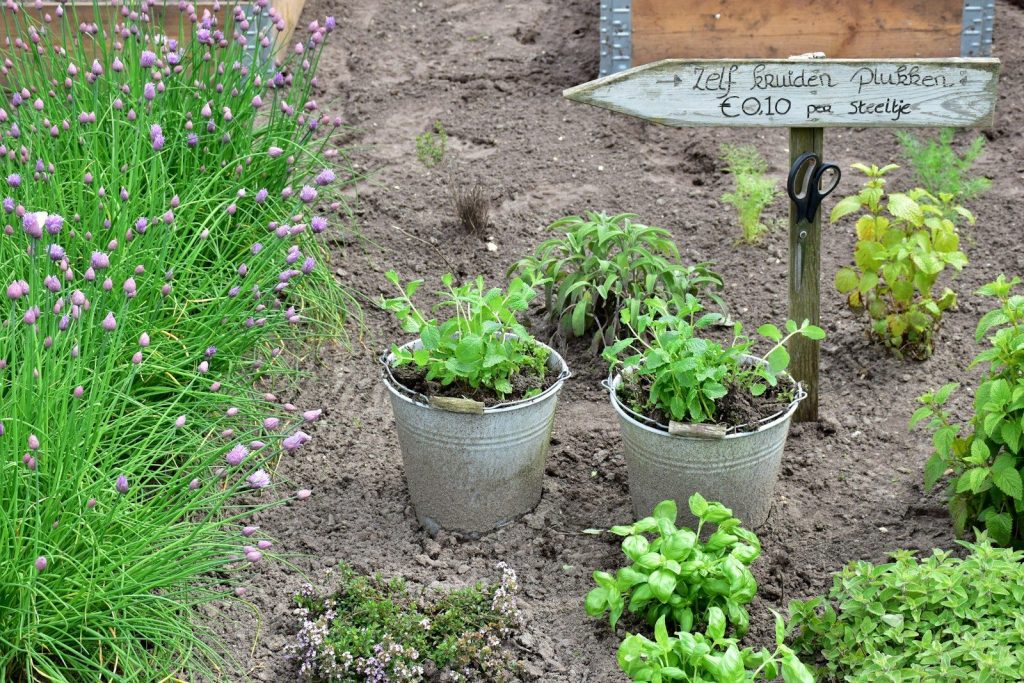
Beans are one of the easiest July garden resets because warm weather helps them grow quickly. Bush beans work especially well in containers and open beds, while pole beans can turn a small vertical space into a productive growing area. Planting later can also help you avoid some early-season pest pressure.
For a simple space-saving hack, use a trellis or other support for climbing varieties and let the plants grow upward instead of outward. This gives you a fresh crop without sacrificing much room for other vegetables.
Refresh Tired Soil Before Planting Beets
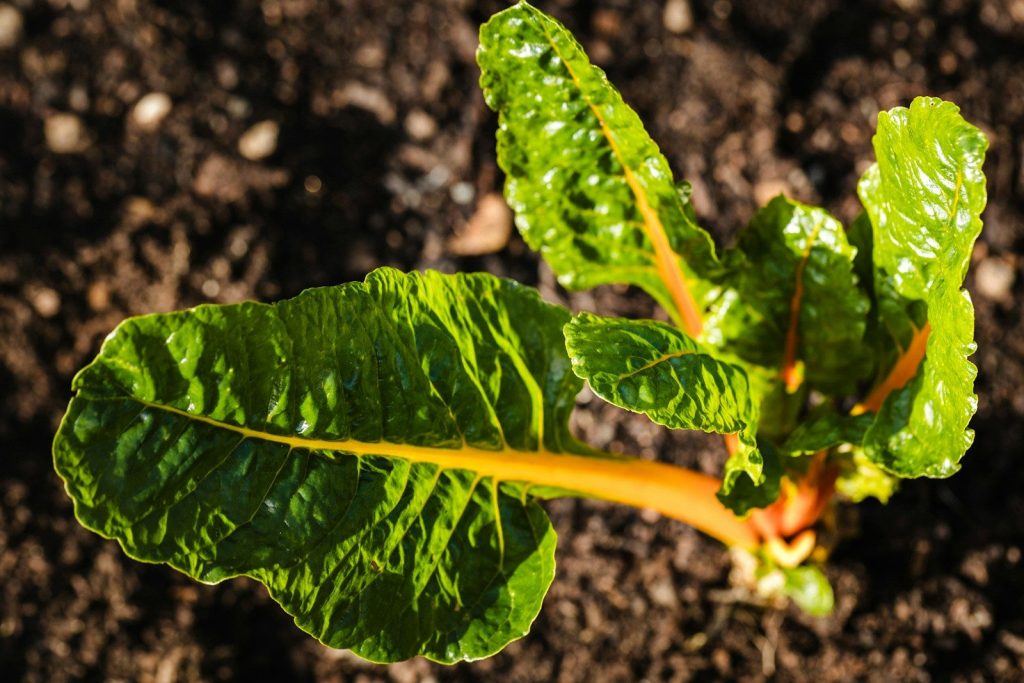
If a spring crop has just been pulled, do not plant straight into exhausted soil. Mix in a layer of compost first, then sow beet seeds for a quick second act. Beets can mature in roughly 50 to 70 days, making them a smart choice for a late-season harvest.
The real trick is succession planting. Instead of sowing everything at once, plant small batches at intervals so your harvest keeps coming. Consistent watering and proper spacing can also help encourage larger, better-shaped roots.
Add Zinnias Where Vegetables Need Backup
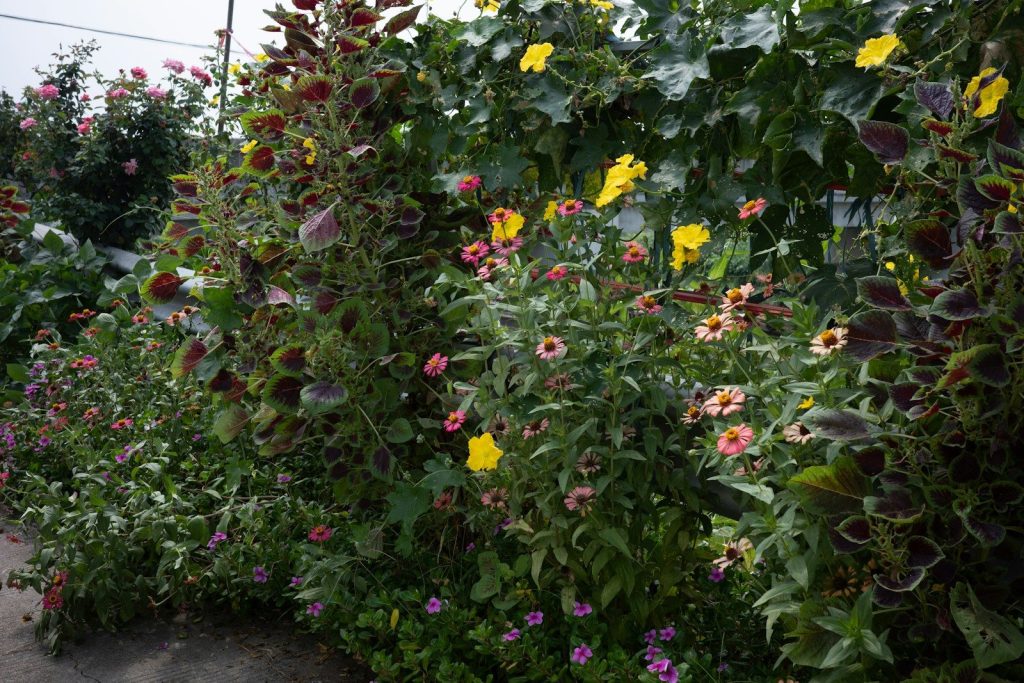
A few zinnias can do more than brighten a tired vegetable patch. Their colorful blooms can attract pollinators and beneficial insects, making them a useful companion around edible plants. They also work beautifully in containers, borders, and dedicated cutting gardens.
For the fastest color payoff, use nursery-started plants rather than waiting for seeds to mature. Keep new transplants watered well while they settle in, then trim them lightly once established to encourage stronger growth and more blooms.
Sneak In A Second Summer Squash Crop
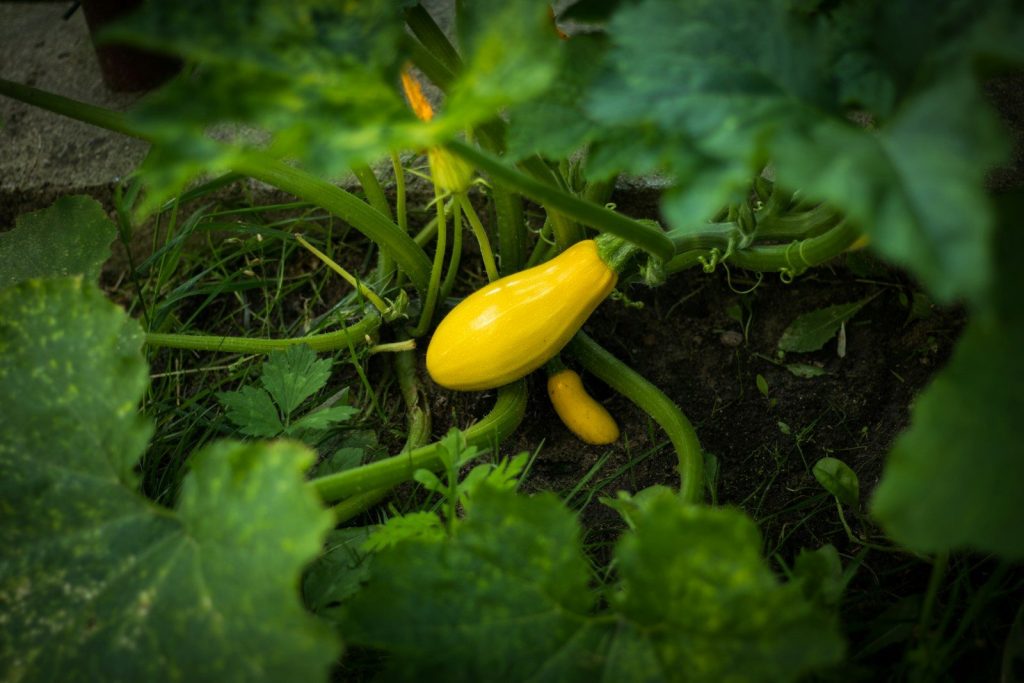
If your first squash plants are fading, July may still offer time for a replacement crop. In many areas, an early July planting can produce before the first frost, giving you another round of fresh harvests instead of leaving the space empty.
Before sowing, improve the soil with compost, then feed the plants regularly during the growing season. This simple preparation can give a late planting the extra support it needs to grow quickly and produce well.
Plant Carrots Now For A Fall Surprise
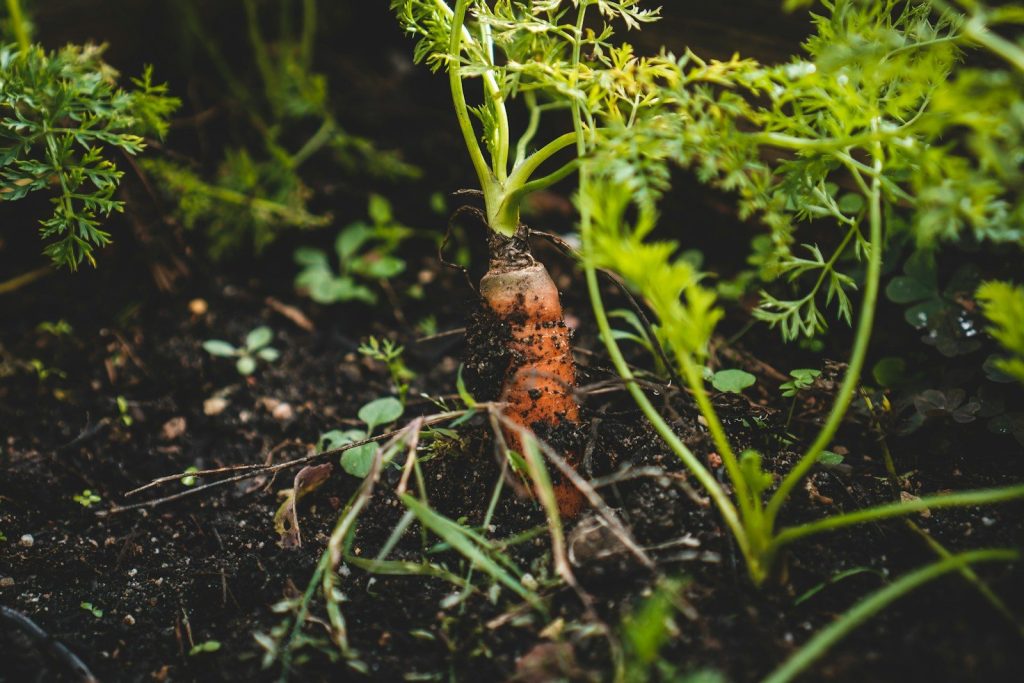
Carrots are not just a spring crop. Late July into early August can be a useful window for starting a fall harvest, especially when you choose varieties that fit your space and growing timeline.
Small, short-rooted varieties are a clever choice for containers, while longer storage varieties can provide roots for keeping later in the season. The key hack is to plant with your future harvest in mind rather than treating July as the end of planting.
Treat Early July As Cucumber Last Call
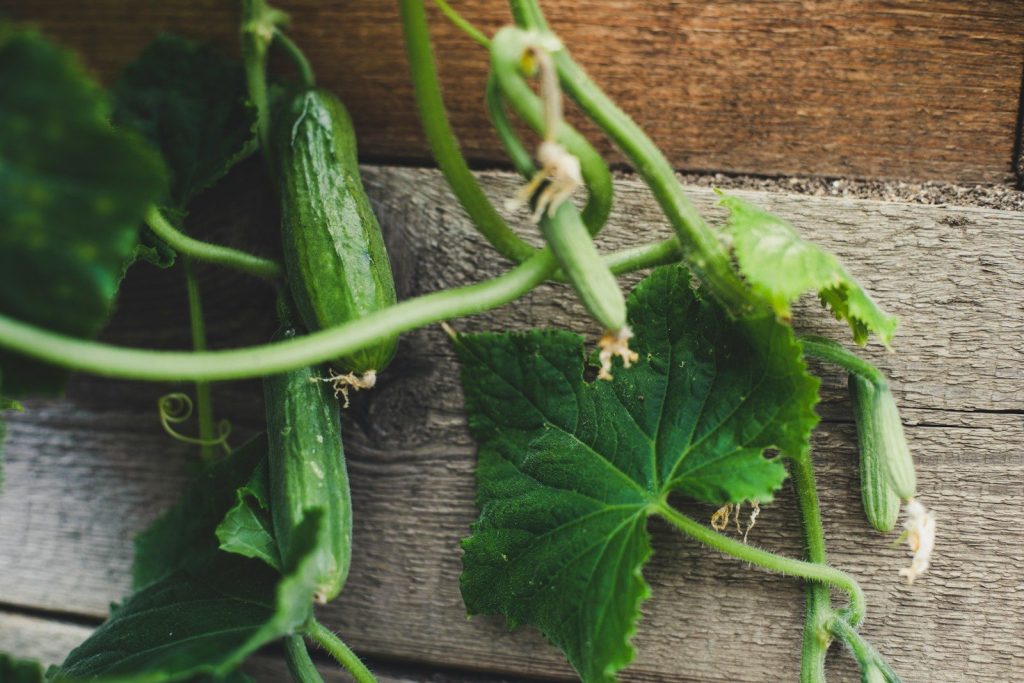
Cucumbers can still be worth planting in early July, but the timing becomes more important as summer moves along. Many varieties begin producing within about 50 to 70 days, so choosing a fast-growing type gives the plants a better chance to finish before frost.
Give vines regular feeding and consider planting flowering herbs such as dill nearby to encourage pollinators. A trellis can also keep cucumber growth off the ground, making better use of limited space and improving airflow around the plants.
Grow Dill In A Cooler Corner

Dill is a smart July crop because it grows quickly and can be harvested in about a month. The catch is that intense heat can encourage the plant to bolt too soon, so location matters more than many gardeners realize.
Try slow-bolt varieties and give dill some afternoon shade if possible. Regular watering can also help keep growth steady. Once the plants have several leaves, you can begin harvesting without waiting for a huge, overgrown plant.
Use Heat Lovers And Shade Tricks For Greens
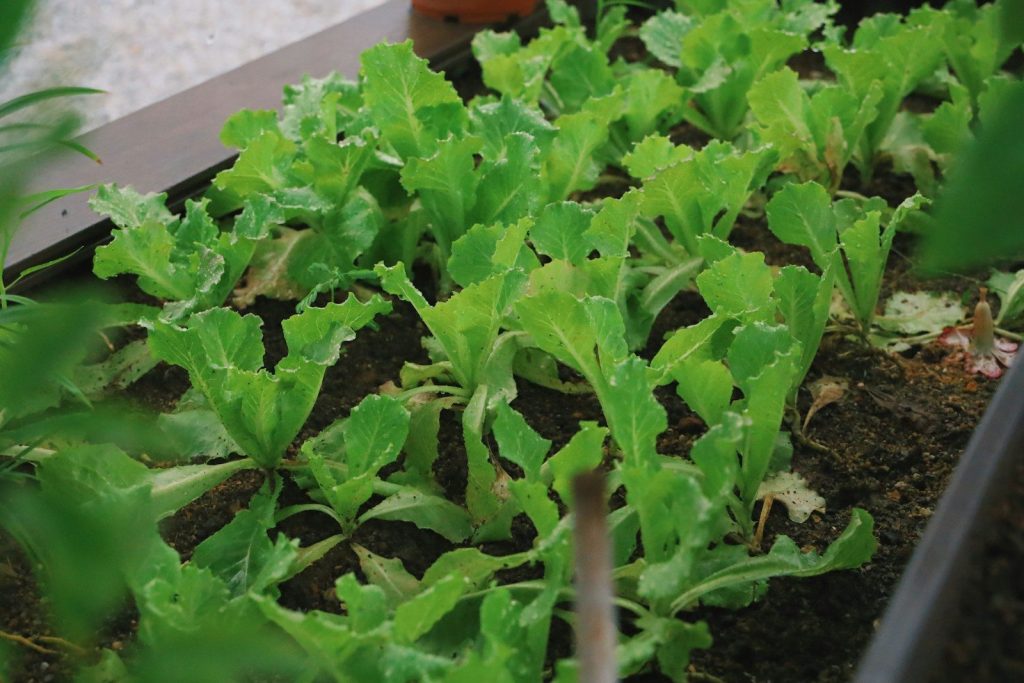
Lantana can keep containers and hanging baskets colorful through hot weather while attracting hummingbirds and other pollinators. For edible greens, choose heat-tolerant lettuce varieties and place them where they receive some afternoon shade.
Kale is another smart July investment because a midsummer planting can become part of a fall harvest. Protect young plants from active summer pests with row covers or fragrant companion herbs, and you can turn the hottest part of the season into a head start on autumn meals.
Featured Image: By Pauline Bernard on Unsplash