

Most people grab the same rake for every outdoor chore, then wonder why the job takes forever. The secret is that different rakes are built for very different materials, spaces, and levels of force.
A simple switch can make yard cleanup faster, protect delicate plants, and make tough landscaping jobs far less frustrating. These practical rake hacks reveal which tool works best for the task in front of you.
Use a Flexible Rake for Everyday Lawn Cleanup
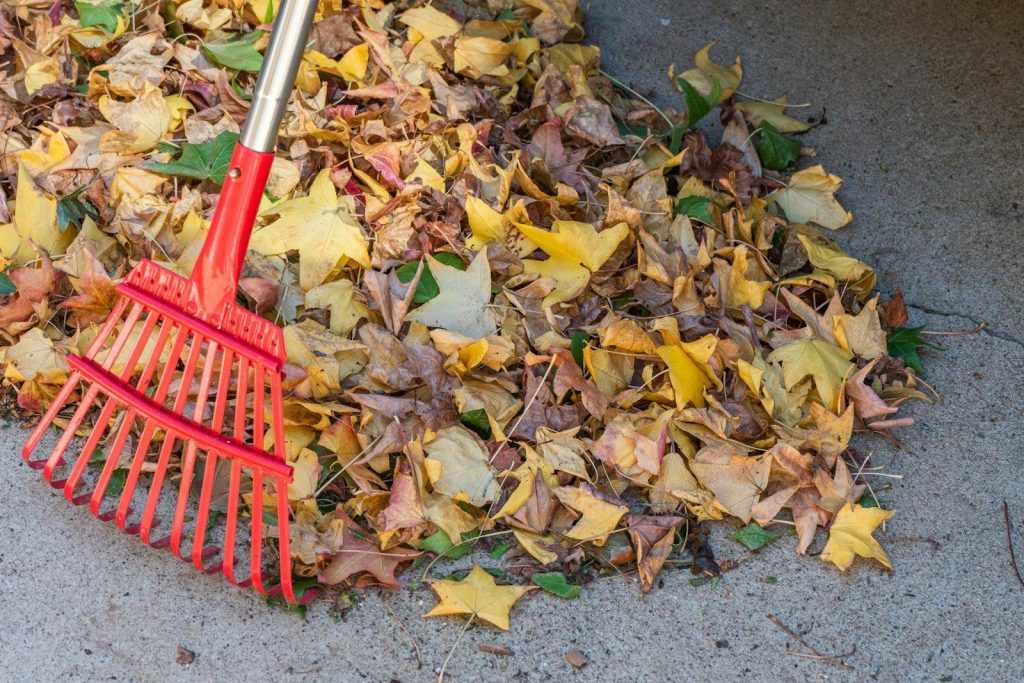
For leaves, grass clippings, and small twigs, reach for a wide leaf rake with flexible tines. Its broad fan shape lets you cover large areas quickly without digging aggressively into the grass or scraping up healthy turf.
Plastic tines are lightweight and easy to handle, while bamboo offers a gentler touch around delicate landscaping. Save rigid metal rakes for heavier jobs because using them on everyday lawn debris can create unnecessary work.
Switch to a Bow Rake When the Material Gets Heavy
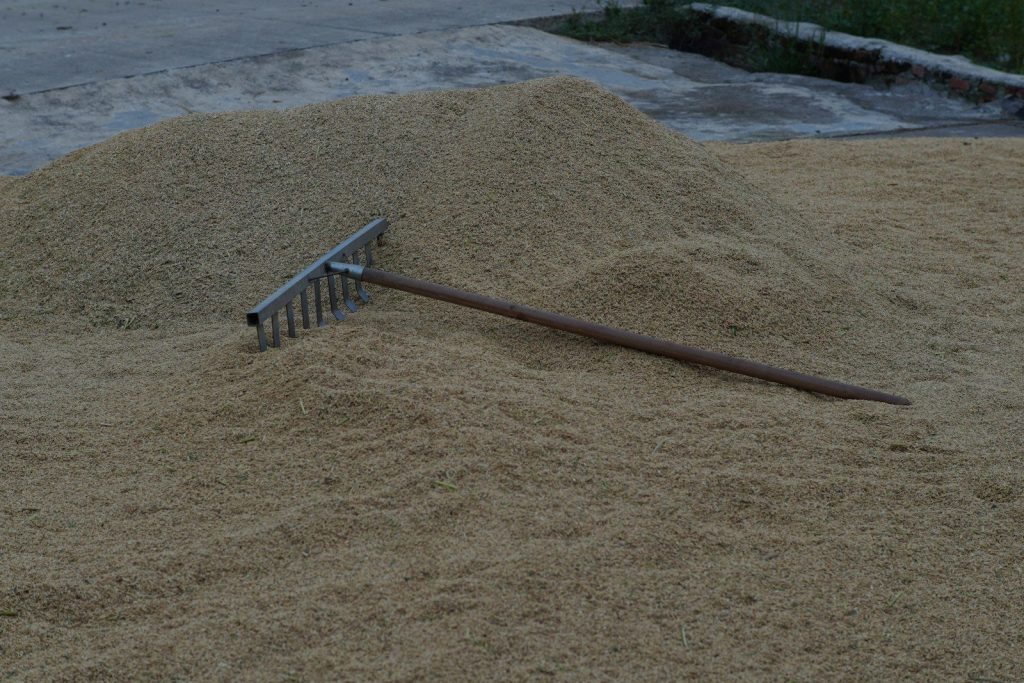
Trying to move gravel or packed soil with a leaf rake is a fast way to bend or damage the tool. A bow rake is the better hack when the job involves mulch, sand, dirt, or stones.
Its short, rigid metal tines can dig into heavier material and help spread or level it. Keep one nearby for garden bed preparation and landscaping projects where a flexible rake simply cannot provide enough strength.
Keep a Hand Rake for Tight Garden Spaces
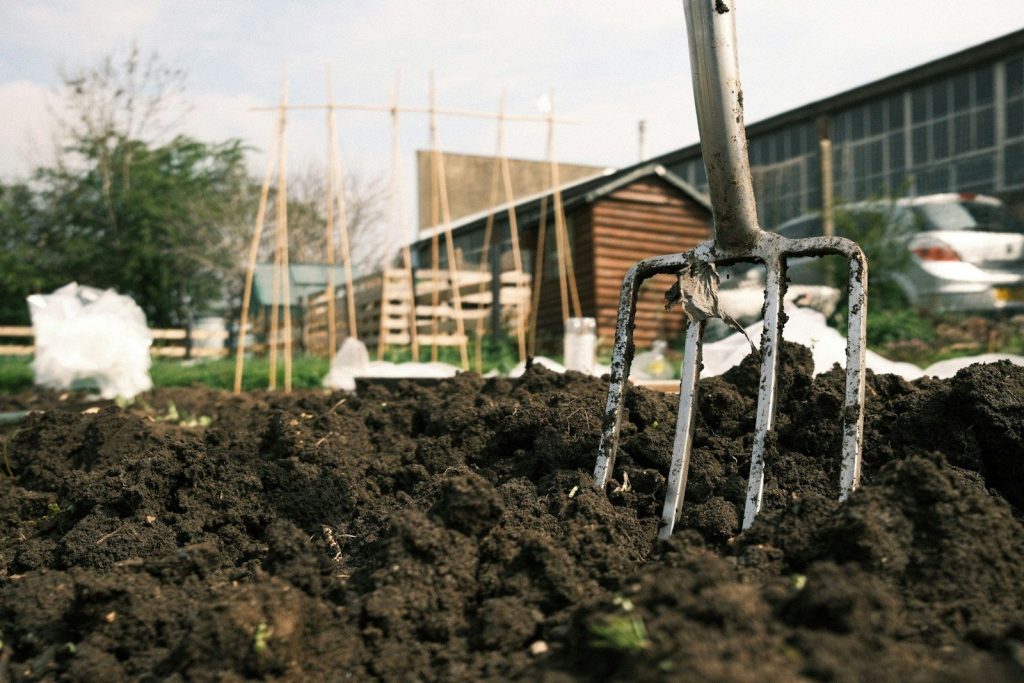
Full-size rakes are awkward around flowers, vegetables, and crowded planting beds. A compact hand rake gives you much more control when clearing debris, loosening soil, or spreading mulch near delicate plants.
The smaller head also helps you work between stems without accidentally dragging across everything nearby. This is one of those inexpensive tools that can make detailed garden cleanup noticeably easier.
Use a Shrub Rake Where Wide Rakes Get Stuck
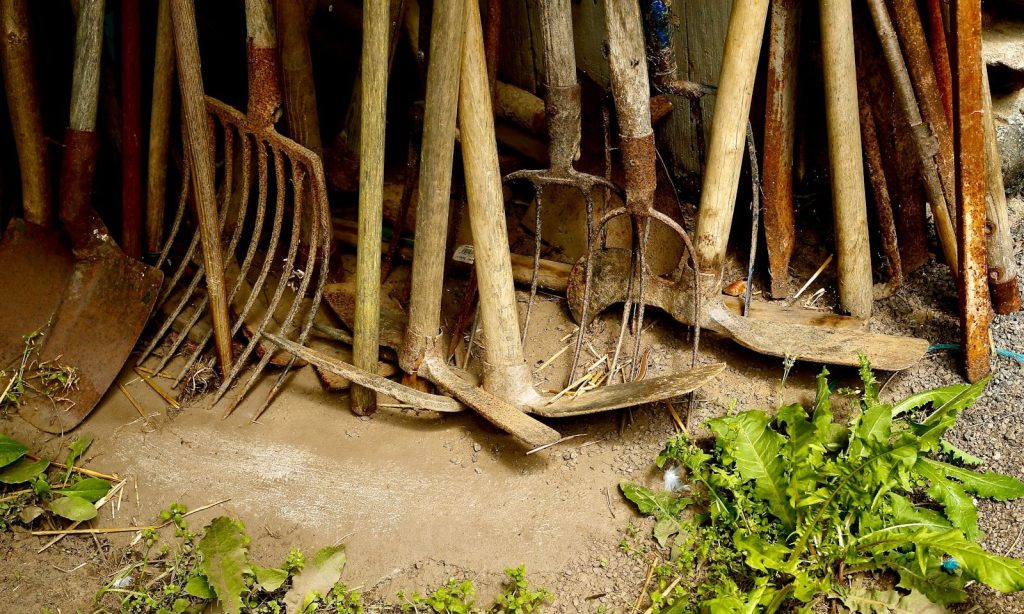
Leaves hiding beneath bushes and shrubs can be surprisingly difficult to reach. A narrow shrub rake is designed for those tight spaces where a standard leaf rake keeps catching on branches.
Its slim head can slide between plants, along fences, and around tree trunks. Instead of fighting a wide rake in cramped areas, switch to a narrower design and make the cleanup much more precise.
Match Soil Work With the Right Metal Tines
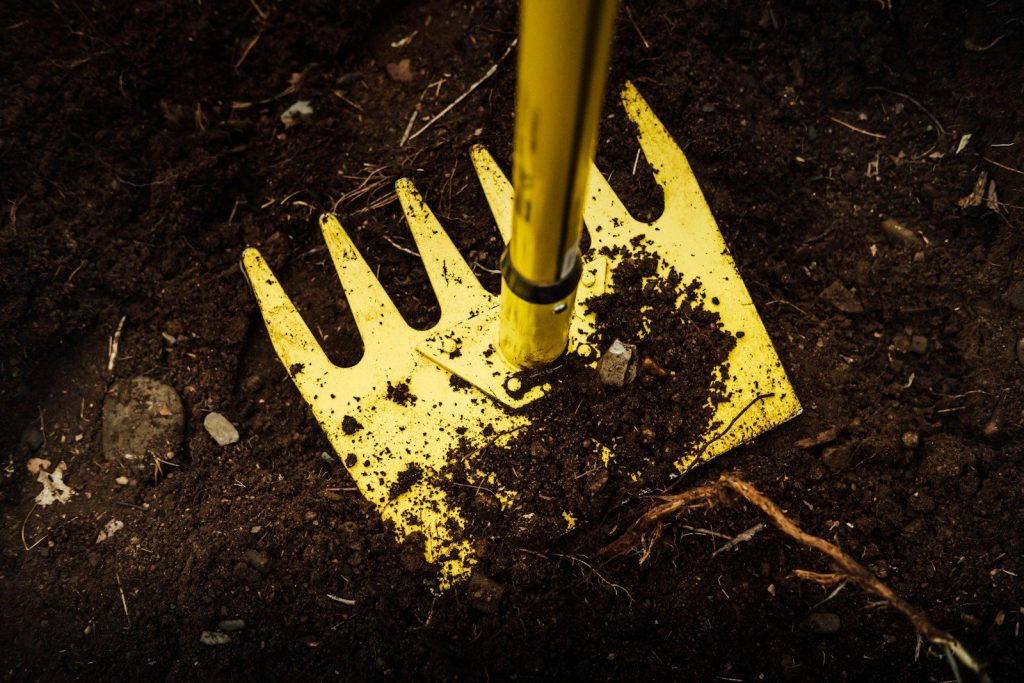
When preparing a planting bed, a garden rake can do more than simply gather debris. Its rigid metal tines help break apart clumps, remove small rocks, smooth soil, and create a more even surface before planting.
For larger, heavier landscaping materials, a bow rake provides extra muscle. The trick is matching the tool to the material so you are not forcing a delicate rake to perform a heavy-duty job.
Fix Thick Lawn Thatch With a Specialized Rake
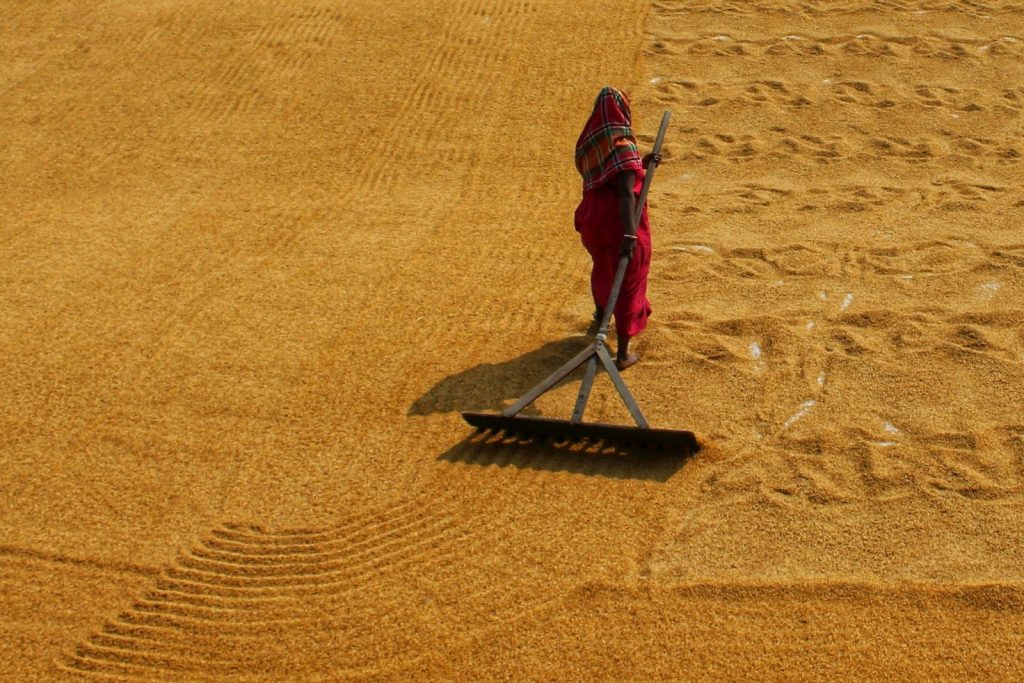
If dead grass and organic material have built up into a dense layer, a regular leaf rake will not solve the problem. A thatch rake uses sharper, more aggressive blades designed to cut into that buildup.
Use it when the lawn needs deeper renovation rather than routine cleanup. For larger lawns with serious buildup, a powered dethatcher can save significant time and effort compared with doing everything manually.
Choose Wide Rakes for Big Areas and Narrow Ones for Control
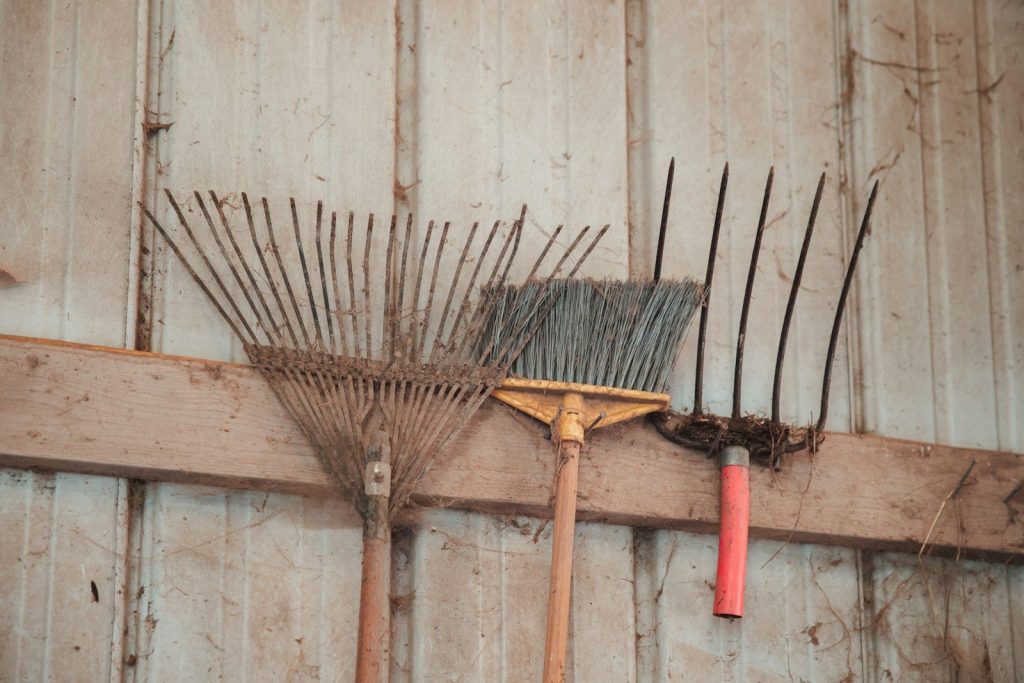
Rake width can change how quickly a job gets done. A wide landscaping rake is useful for smoothing large areas of soil, sand, or gravel, while a narrower stone rake offers better control around pathways and smaller surfaces.
Think of the width as a tradeoff between speed and precision. Wide heads cover more ground, but narrower heads are easier to guide when the space is tight or the material needs careful placement.
Specialty Rakes Can Make Odd Jobs Much Easier
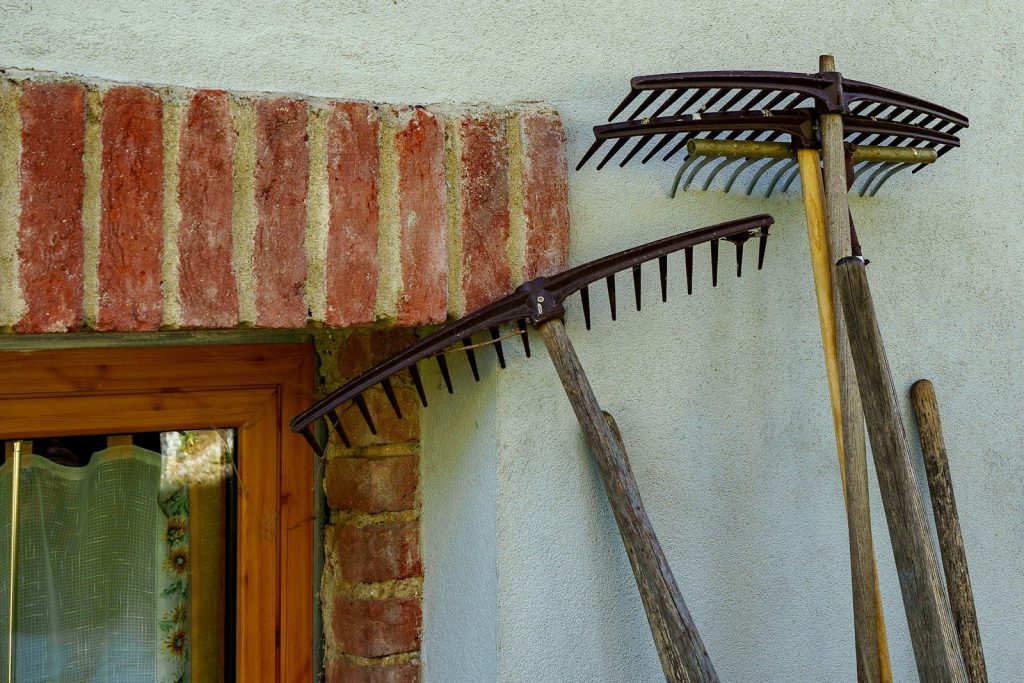
Some outdoor tasks have their own surprisingly useful rake. Berry rakes speed up harvesting, lake rakes pull floating debris from ponds, roof rakes remove fresh snow from above, and ash rakes help manage fireplace or grill residue.
You probably do not need all of these tools. The smarter hack is to identify the job you actually repeat and choose the rake designed for it, rather than forcing a basic yard rake to handle everything.
Featured Image: By Annie Spratt on Unsplash