

Hot sunlight can turn your windows into silent heat traps, forcing your air conditioner to work harder than it should. The good news is that a simple change in your window coverings can help block heat before it spreads through the room.
The smartest approach is not always the most expensive one. From honeycomb shades to clever curtain pairings, these practical window hacks can help you manage sunlight, reduce heat transfer, and make your home feel more comfortable with less effort.
Use Honeycomb Shades as an Insulation Hack
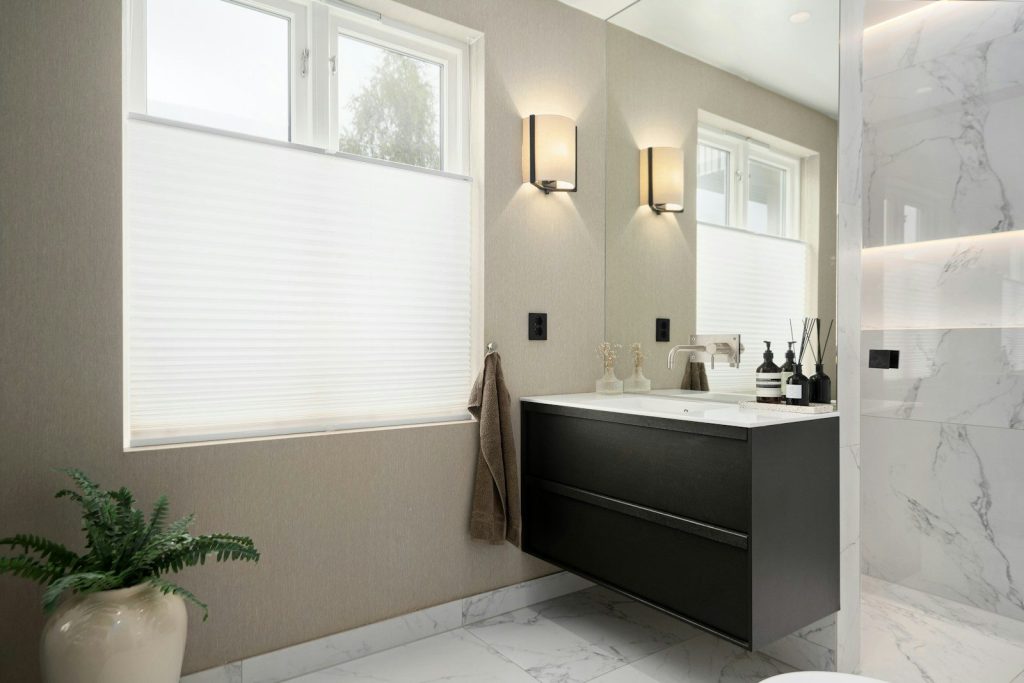
Cellular shades are one of the smartest window upgrades because their honeycomb-shaped pockets trap air between the glass and the room. That extra layer helps slow down heat transfer, making them especially useful during brutally hot afternoons when your cooling system is working overtime.
For even stronger insulation, look for double-cell designs. They create more air pockets than single-cell versions, giving you a practical way to add a little more protection without replacing the actual window.
Try Top-Down Shades for a Cooler Privacy Trick

Top-down and bottom-up cellular shades give you more control than standard coverings. You can lower the shade from the top to block harsh sunlight while still allowing daylight and airflow into the room below.
This is especially handy for bedrooms, bathrooms, and street-facing rooms. Instead of covering the entire window and turning the space dark, adjust the shade to block the most intense sun while keeping the room comfortable.
Pick Lined Roman Shades for Style and Heat Control
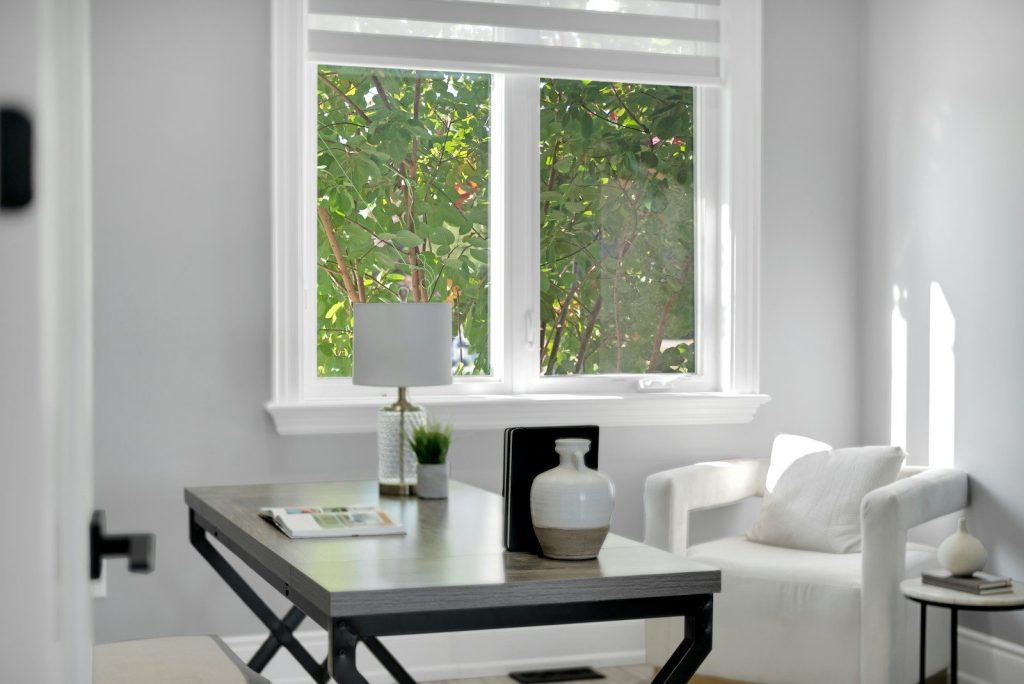
If you want your windows to look polished without giving up energy efficiency, lined Roman shades can pull double duty. Their fabric adds a decorative layer, while a thermal lining helps create a stronger barrier against unwanted heat.
The trick is choosing a lined version instead of a lightweight decorative shade. A thermal lining can make the treatment more useful during hot weather while still giving the room a softer, more finished appearance.
Use Solar Shades When You Want to Keep the View
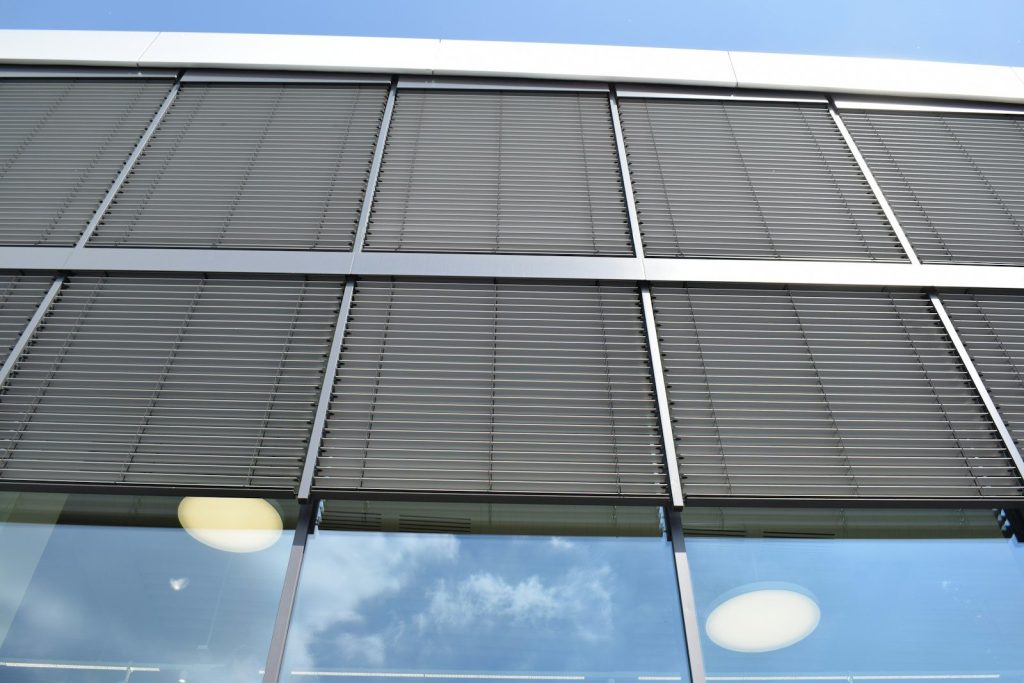
Solar shades offer a clever compromise for rooms where you do not want to completely block the outdoors. They filter sunlight and reduce heat while allowing you to keep some visibility through the window.
Choose a more opaque fabric if the room gets intense afternoon sun. This hack works particularly well in living rooms and home offices where you want less glare and heat without feeling boxed in by blackout coverings.
Layer Curtains Over Shades for Extra Protection
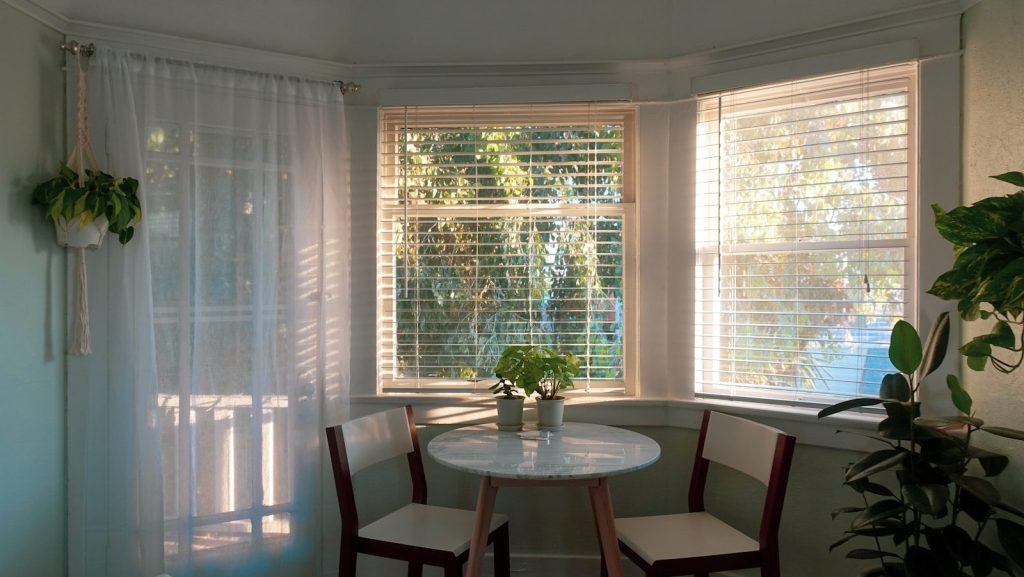
One window treatment can help, but combining two can create a stronger defense against heat. Pair cellular or solar shades with thermal curtains to add another barrier between the glass and your living space.
If curtains are your only option, choose heavier two or three layer panels. They are less effective alone than insulated shades, but the right fabric can still help reduce heat and improve comfort around sunny windows.
Close Treatments Before the Room Heats Up

The timing of your window coverings matters more than many homeowners realize. Open shades and curtains at night when outdoor temperatures drop, then close them before the sun turns the glass into a heat source.
Waiting until the room already feels hot means your air conditioner has to catch up. Making the switch earlier can help limit heat transfer and may reduce how hard your cooling system needs to work.
Do Not Forget Skylights

Skylights can bring beautiful natural light into a home, but they can also invite significant heat from above. A cellular skylight shade adds an insulating layer right where sunlight can be especially intense.
Look for cordless or smart-control options if the skylight is difficult to reach. That makes it easier to adjust the shade when the sun shifts, without dragging out a ladder every afternoon.
Let Smart Controls Handle the Sun

Motorized window treatments can turn a simple energy-saving habit into an automatic routine. Set shades to close during the hottest part of the day and open again when outdoor temperatures become more comfortable.
This can be especially useful in rooms with several windows or hard-to-reach coverings. Instead of relying on memory, smart controls help keep your window treatments working consistently when heat gain is highest.
Featured Image: By Dima Solomin on Unsplash