

Japanese beetles can turn healthy leaves into lacework surprisingly fast, especially when several show up at once. The good news is that you do not always need to reach for harsh chemicals to protect your favorite plants.
A few smart moves can make your yard much less inviting to these destructive pests. From changing where you place traps to using simple household ingredients, these practical hacks can help you fight the problem from several angles.
Catch Them Away From Your Favorite Plants
A beetle trap can help reduce the number of adults around your garden, but placement matters more than many people realize. Instead of hanging one right beside the plant you are trying to save, position it farther away so the attractant pulls beetles away from your prized flowers, shrubs, and vegetables.
This simple placement trick can make the trap work more like a diversion. Japanese beetles are drawn by attractants, so using the trap as a lure away from vulnerable plants may help reduce feeding pressure where it matters most.
Turn Dish Soap Into a Quick Beetle Hack
You may already have a simple beetle solution sitting beside your kitchen sink. Mix about a quart of water with a teaspoon of dish soap, then use the mixture in a spray bottle or bucket to deal with beetles you spot on your plants.
The soapy water can suffocate the insects and is especially useful for quick action when you notice a small group. For a hands-on approach, knock the beetles into the solution instead of letting them escape back into the garden.
Check Plants Early Before The Damage Spreads
One of the easiest ways to make a beetle problem harder is to ignore the first few signs. Look for leaves that appear skeletonized, with the soft tissue eaten away while the major veins remain. Groups of beetles are often nearby.
Also inspect grass for dead patches, since the insects spend part of their life cycle as grubs in soil. Catching signs early gives you more options and may prevent a small problem from becoming a full garden takeover.
Use Neem Oil Before The Next Generation Appears
Neem oil can be a useful timing hack because Japanese beetles do not only cause trouble as adults. Their life cycle also includes a grub stage in the soil, where the young insects feed before emerging later.
Using neem oil according to product directions before the next generation reaches adulthood may help interrupt that cycle. The key insight is to think beyond the beetles you can see and address the problem before more adults appear.
Cover Plants During The Worst Feeding Window
If you know beetles show up every summer, a physical barrier can save you from constantly chasing them. Row covers and fine mesh can protect vegetables, flowers, shrubs, and other vulnerable plants while still allowing light and moisture through.
This hack is especially useful during the peak feeding period, which commonly runs from mid-June through mid-August. Covering plants during the most active stretch can reduce the damage before beetles get a chance to settle in.
Fight The Grubs Under Your Lawn
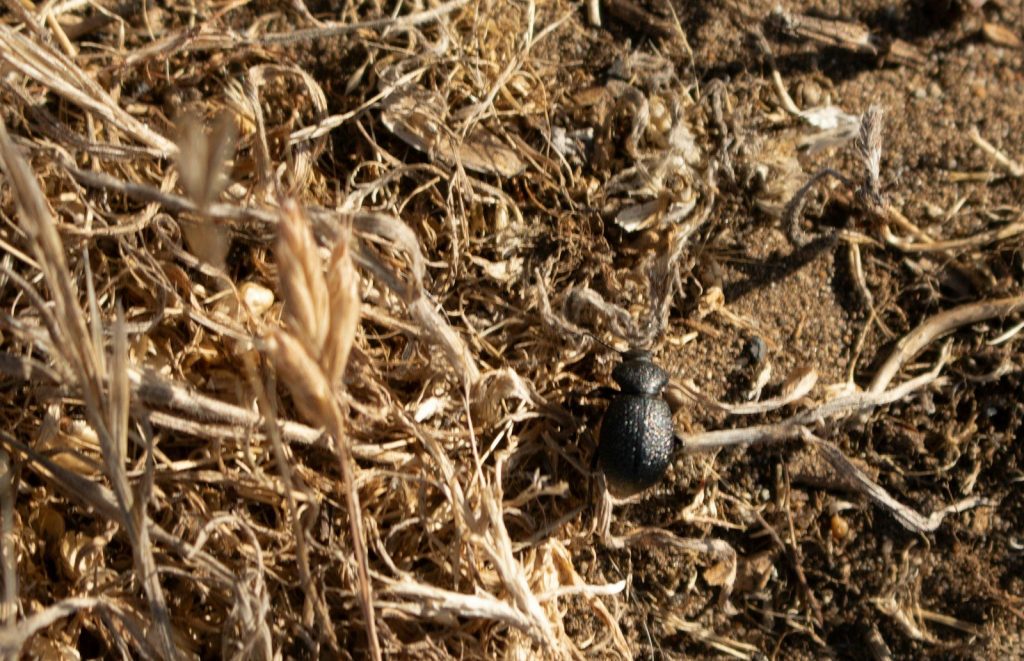
Adult beetles are only part of the problem. Their larvae develop underground, where they can feed on plant roots and contribute to damaged or dying patches of grass.
Beneficial parasitic nematodes can target certain insect grubs in the soil. This approach focuses on the hidden stage of the pest rather than only removing the adults you see flying around, giving gardeners another way to attack the problem at its source.
Let Geraniums Create A Surprising Distraction
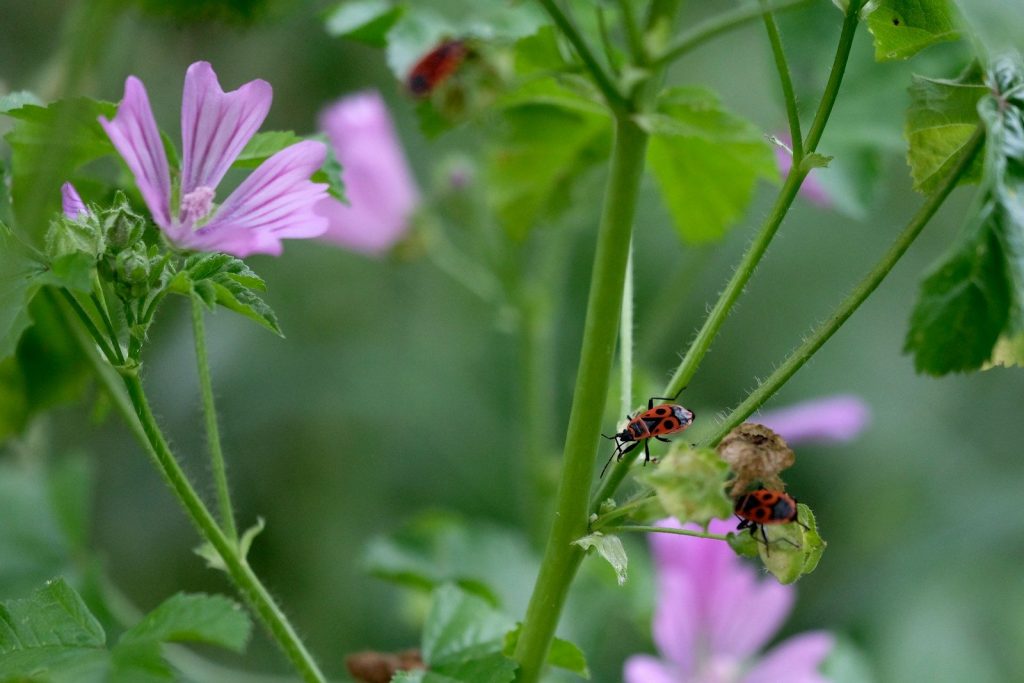
Geraniums may offer an unusual companion planting trick for gardeners dealing with Japanese beetles. The insects are known to feed on geranium petals, and the experience can leave them temporarily paralyzed.
That creates an opportunity for predators to find them more easily. While geraniums should not be treated as a guaranteed shield for every plant, adding them near vulnerable areas may give your garden another natural line of defense.
Stop Creating A Beetle Buffet
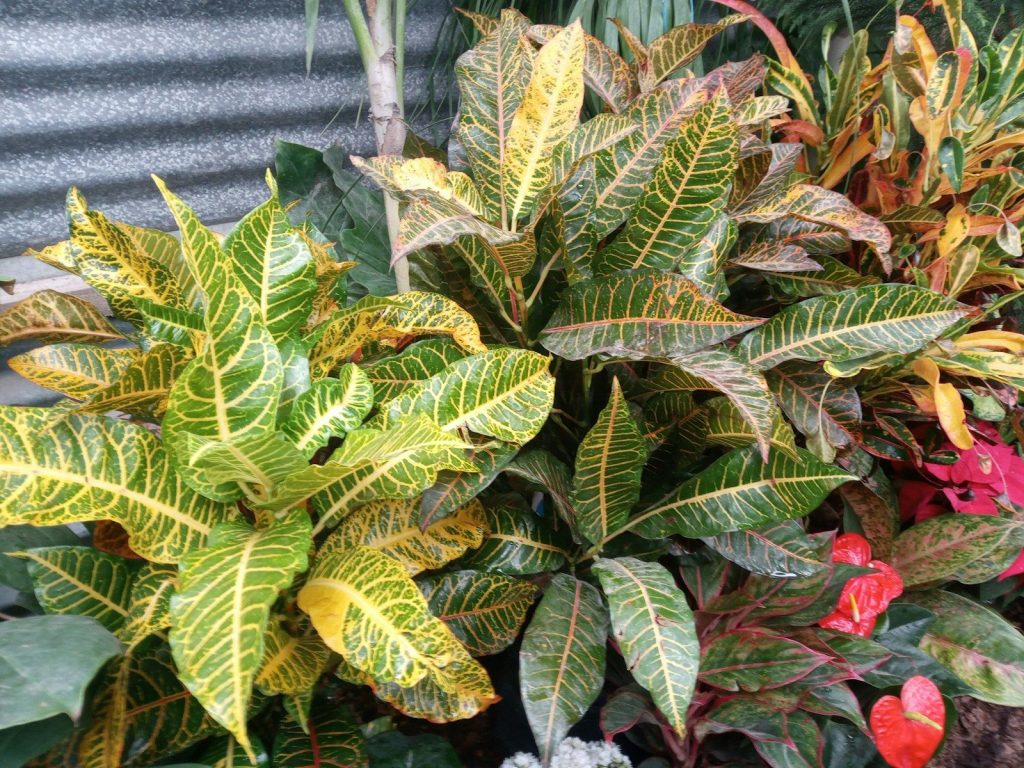
Plant placement can quietly make a pest problem worse. Japanese beetles are especially attracted to several popular plants, including roses, grapes, cherries, plums, birches, and certain maples.
Instead of grouping many highly attractive plants together, spread them throughout the landscape when possible. This can make it harder for beetles to move from one favorite food source to the next and may help prevent one section of the yard from becoming a concentrated feeding zone.
Featured Image: By Erik Karits on Unsplash