

A dripping outdoor faucet may seem harmless, but those steady drops can quietly waste water and hint at bigger plumbing problems waiting to happen. The good news is that many common issues have surprisingly simple fixes when you know where to look.
These practical hacks reveal smart ways to spot trouble early, refresh worn parts, and keep your hose spigot working smoothly for years. A few small repairs today can help you avoid a much bigger replacement tomorrow.
Catch Tiny Leaks Before They Grow
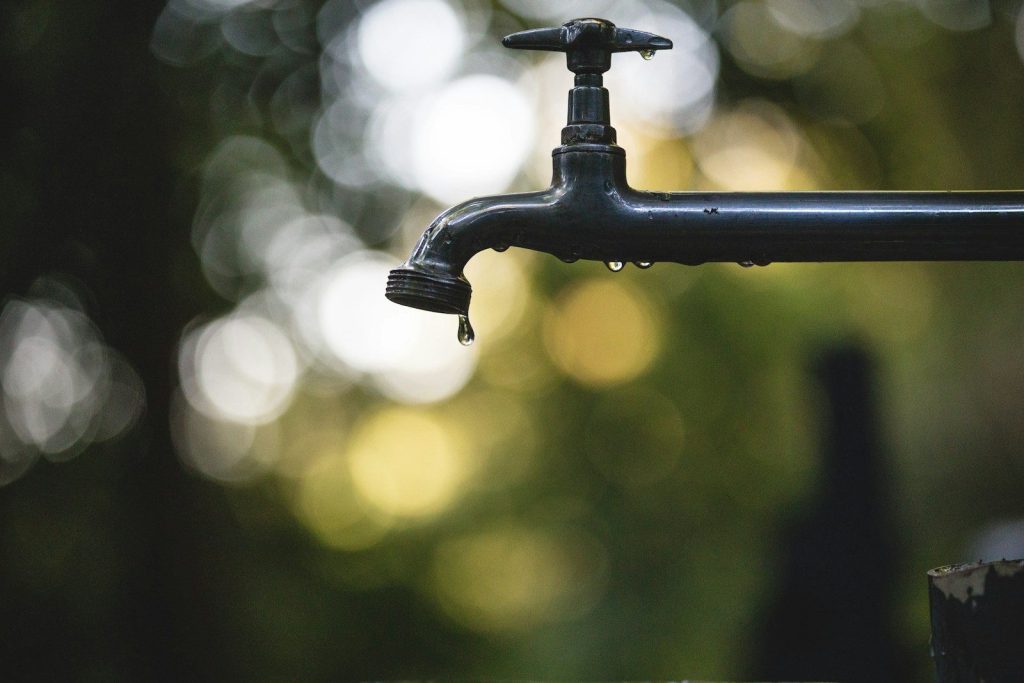
A slow drip often starts long before a faucet completely fails. Check your outdoor spigot every few weeks, especially during heavy watering seasons, to catch problems while they are still inexpensive.
Look for water around the handle, drips from the spout after shutting it off, or stiff movement. These clues usually point to worn internal parts instead of a damaged faucet.
Know Which Part Is Really Failing
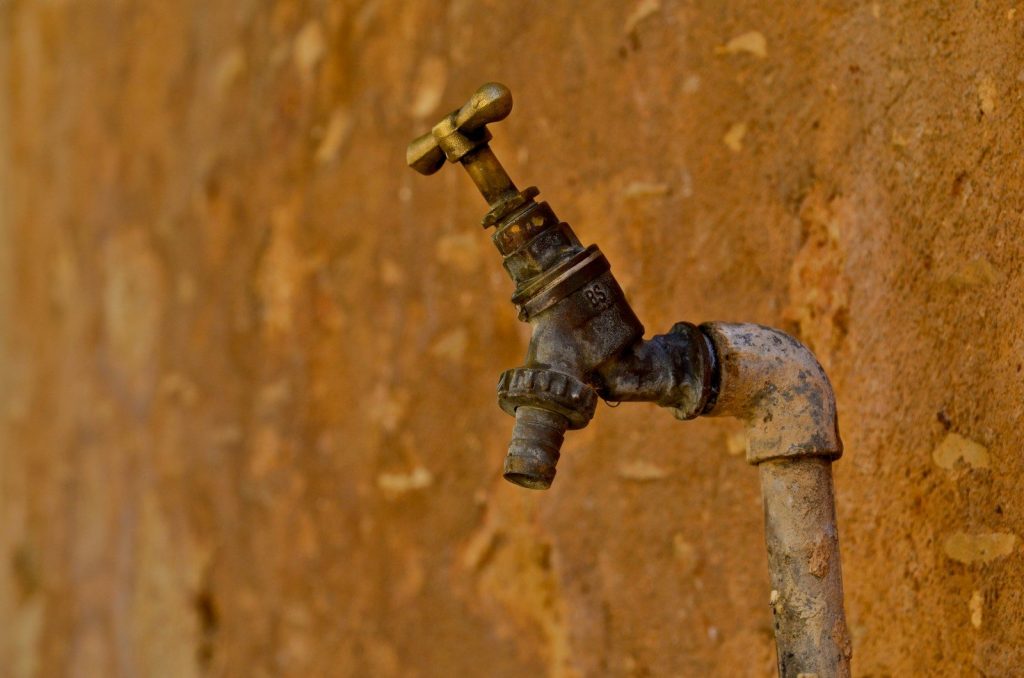
Water dripping from the handle usually means one repair, while water dripping from the spout often means another. Knowing the leak location helps avoid replacing perfectly good parts.
Many outdoor faucets simply need fresh packing, a washer, or a tightened bonnet instead of complete replacement. Identifying the source first saves both time and money.
Shut Off Water Before Anything Else
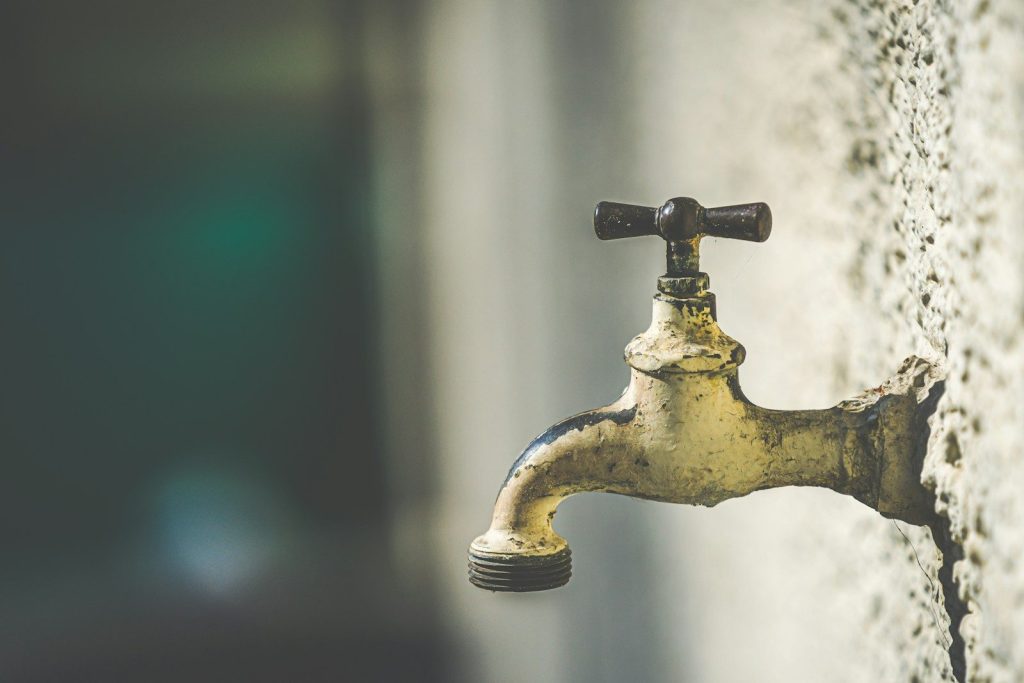
One simple habit prevents unnecessary messes. Always turn off the water supply feeding the outdoor faucet before loosening any parts or removing the stem.
Open the faucet after shutting off the supply to release leftover pressure. This small step makes repairs cleaner, safer, and much easier to manage.
Refresh Small Parts Instead Of Replacing Everything
A worn rubber washer is often the hidden reason a faucet keeps dripping. Swapping it with the same size replacement can restore a proper seal in just a short time.
Install the new washer correctly and tighten the retaining screw without forcing it. Small replacement parts usually cost very little compared with installing a brand new spigot.
Give The Stem A Better Seal
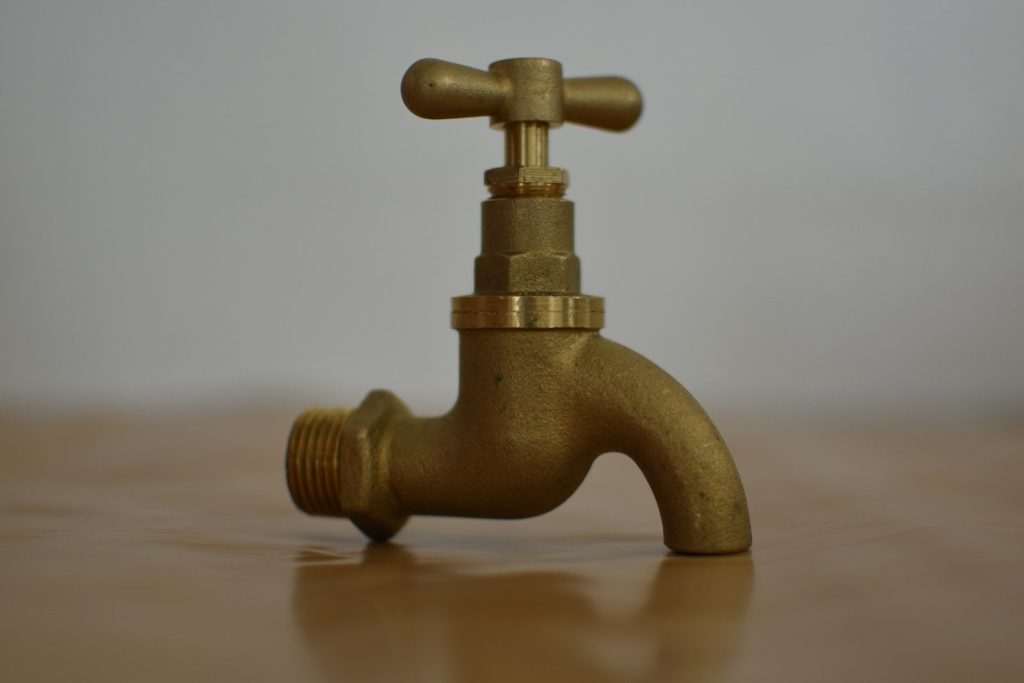
If water leaks around the handle while the faucet is on, the packing around the stem may have worn down after years of use.
Fresh packing material wrapped neatly around the stem helps restore the seal and makes the handle operate more smoothly without unnecessary leaks.
Smooth The Valve Seat For Better Results
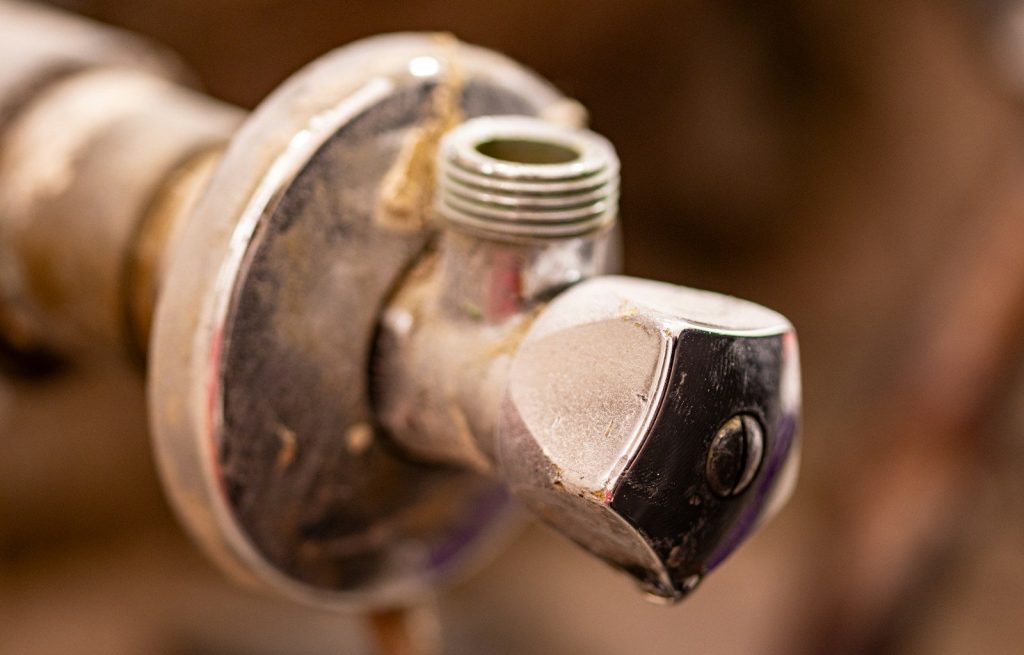
Even a new washer cannot seal properly if the valve seat has become rough or damaged. That hidden surface deserves attention during a rebuild.
Using a valve reseating tool can smooth the sealing area so the replacement washer contacts evenly, reducing future drips and extending repair life.
Do Simple Maintenance Every Season
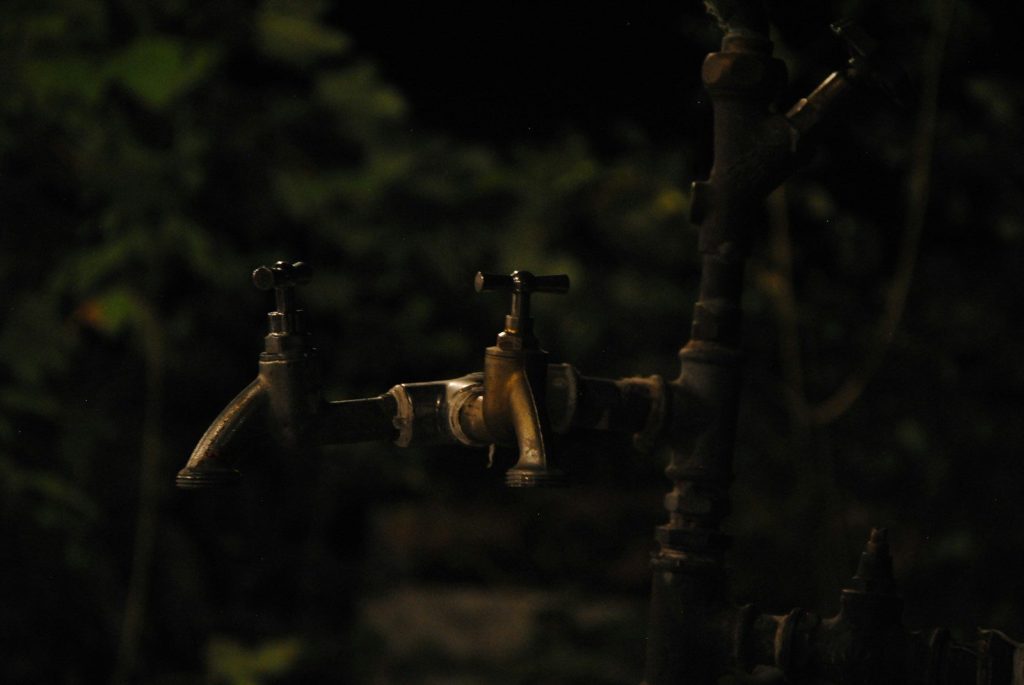
Avoid cranking the handle tighter than necessary because excessive force wears internal parts faster. Gentle operation keeps seals in better condition.
Clean away dirt around the faucet and inspect it regularly. Small maintenance habits reduce surprise leaks and help outdoor plumbing last much longer.
Know When A Repair Is No Longer Enough
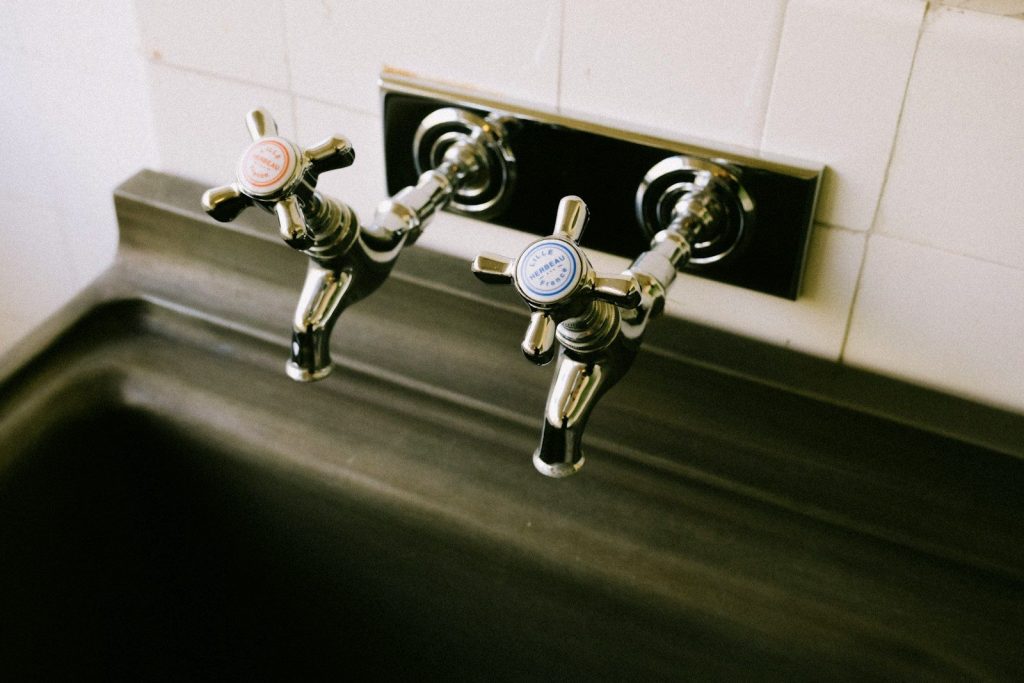
Some faucets reach a point where rebuilding no longer solves the problem. Severe valve seat damage, corrosion, or difficult pipe access may require professional help.
If repairs fail repeatedly or the plumbing itself shows signs of deterioration, replacing the fixture can become the smarter long term solution instead of chasing endless leaks.
Featured Image: By Eduardo Casajús Gorostiaga on Unsplash