

Low water pressure can make simple routines feel longer than they should. Before assuming an expensive repair is the only answer, a few clever checks can reveal surprisingly simple fixes hiding in plain sight.
The best part is that many pressure problems leave clues long before they become major headaches. These practical hacks help you narrow down the cause and improve water flow without wasting time guessing.
Start by Finding the Real Problem
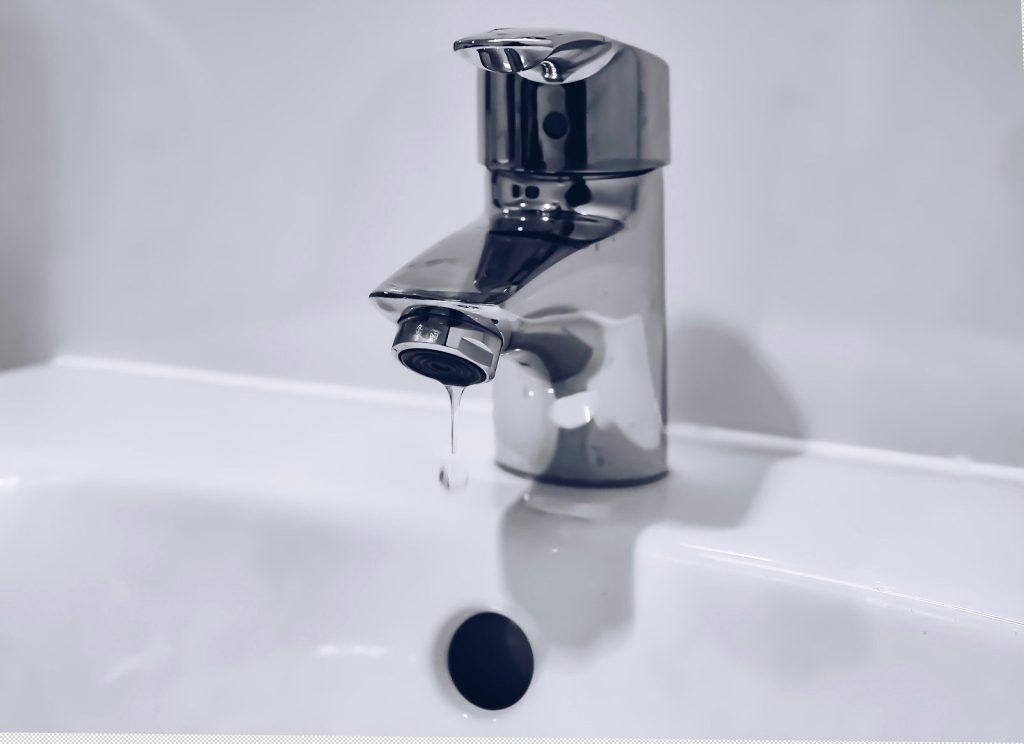
Weak water at one faucet often points to a fixture issue instead of a whole house problem. Test several faucets and showers before buying replacement parts or calling for service.
If every fixture feels weak, the main supply, pressure regulator, or water valve deserves attention. This quick comparison saves time and keeps you focused on the most likely fix.
Check the Main Water Valve First
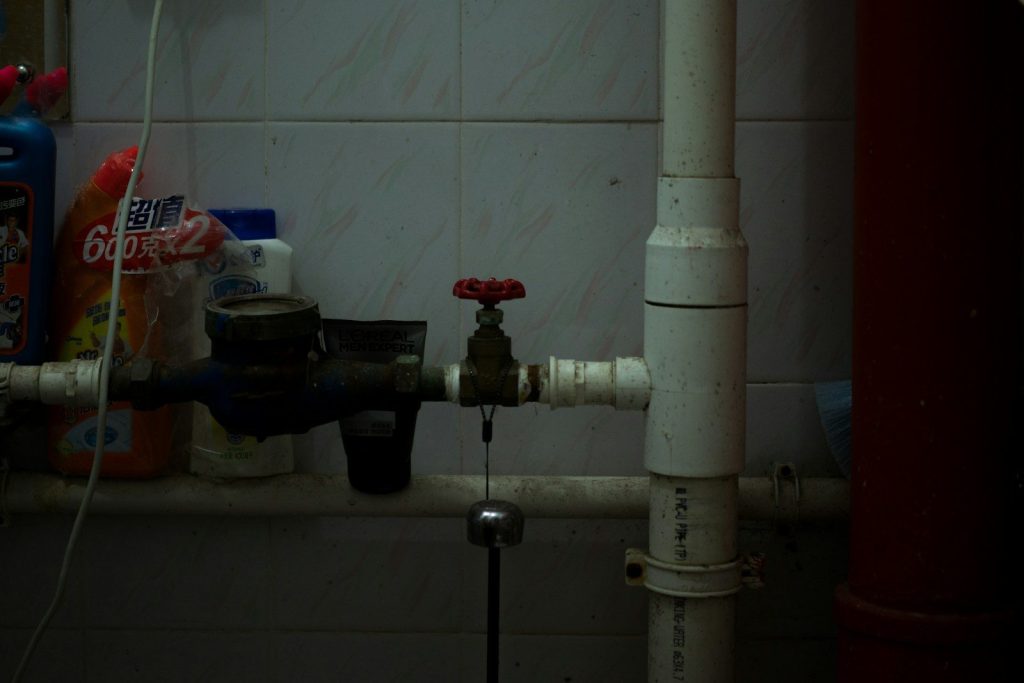
A partially open main valve quietly limits water flow throughout the home. It sometimes happens after plumbing work or routine maintenance and goes unnoticed for months.
Locate the shutoff valve and confirm it is completely open. That simple adjustment can restore stronger pressure almost immediately without spending a dollar.
Give Fixtures a Simple Deep Clean
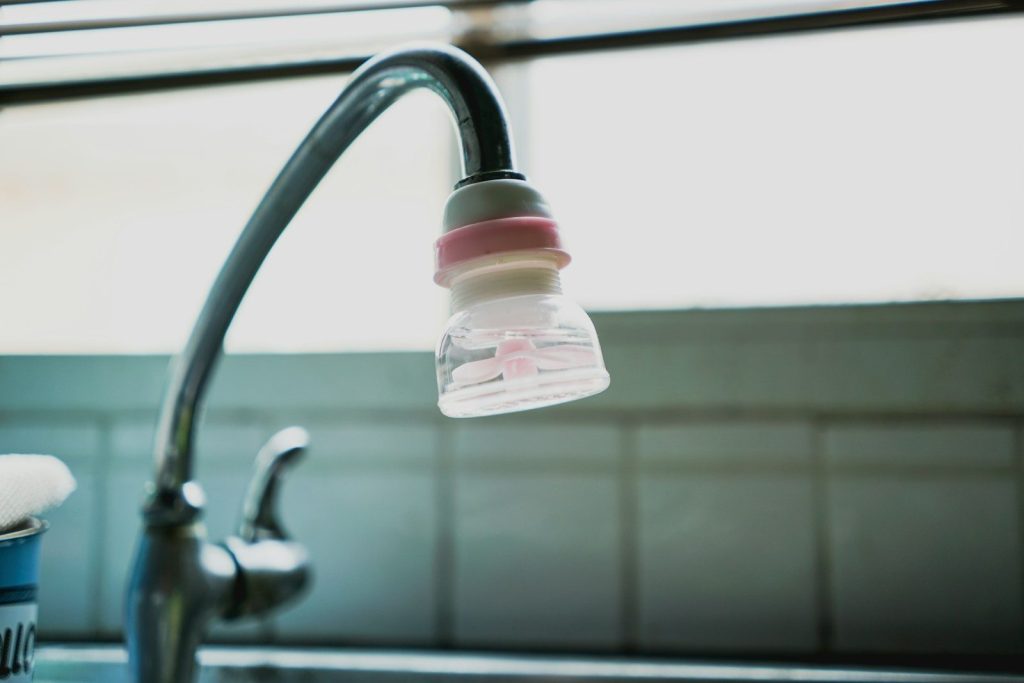
Mineral buildup loves showerheads and faucet aerators. Even a thin layer can reduce water flow enough to make everyday tasks frustrating.
Remove the affected parts and soak them in vinegar overnight. Rinse well before reinstalling and you may notice a stronger stream without replacing anything.
Measure Before You Guess
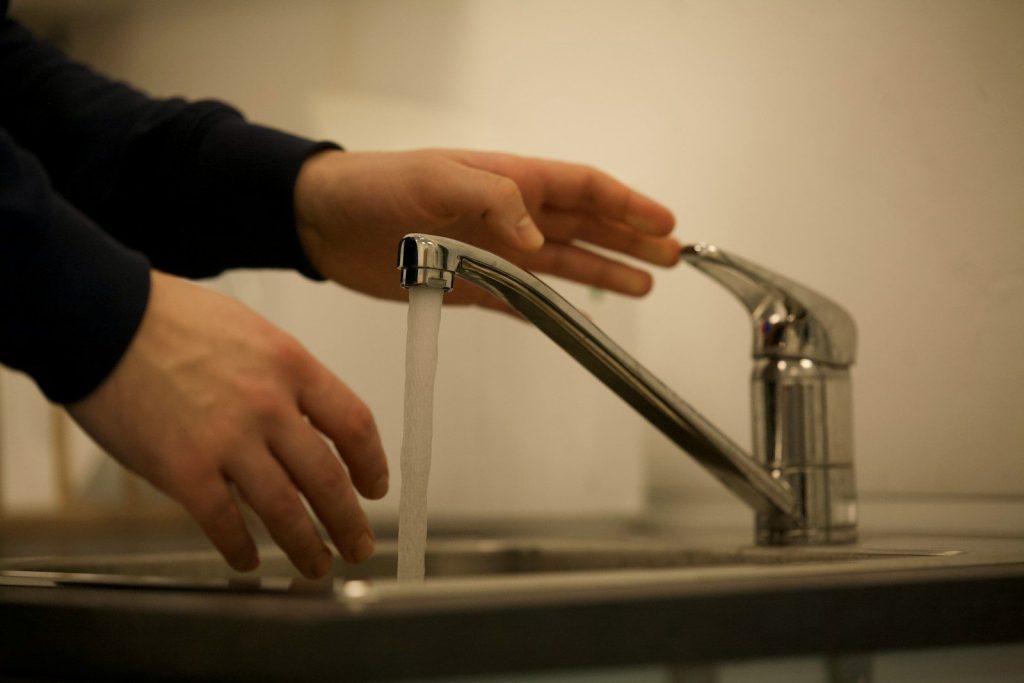
Instead of relying on feel alone, attach an inexpensive pressure gauge to an outdoor faucet. A quick reading gives valuable insight into what is really happening.
Healthy homes usually perform well within a normal pressure range. Knowing your number helps separate a plumbing issue from a fixture problem much faster.
Do Not Ignore the Pressure Regulator
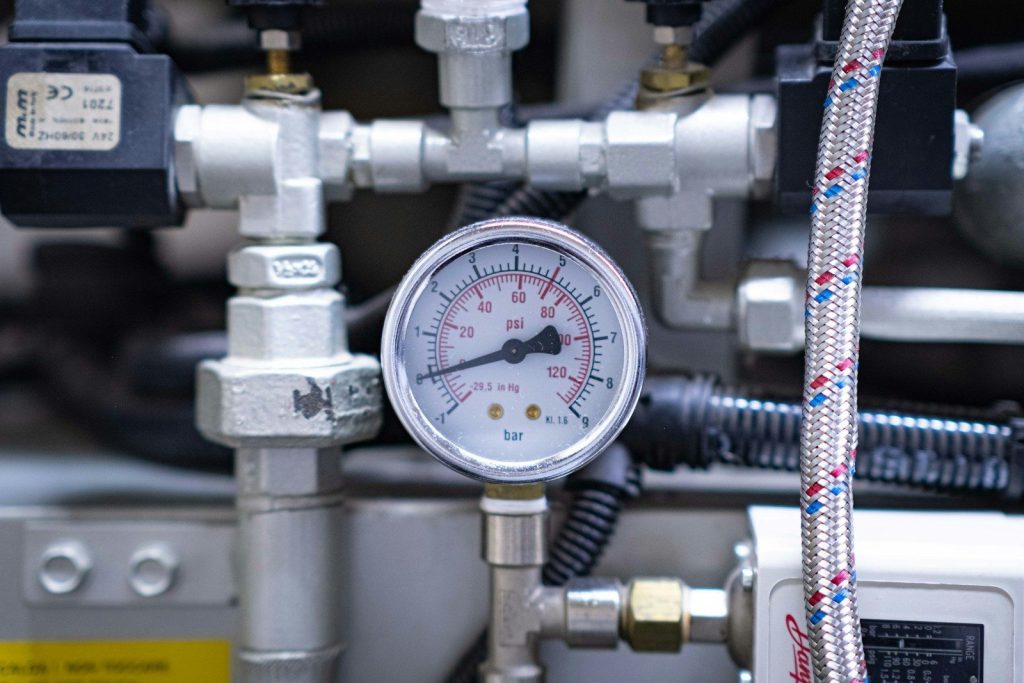
Many city water homes include a pressure reducing valve that controls incoming pressure. If it is set too low or starts failing, the entire house can suffer.
Small adjustments should be made carefully with testing after each change. Going too far can create unnecessary stress on pipes and appliances.
Look for Hidden Signs Around the House
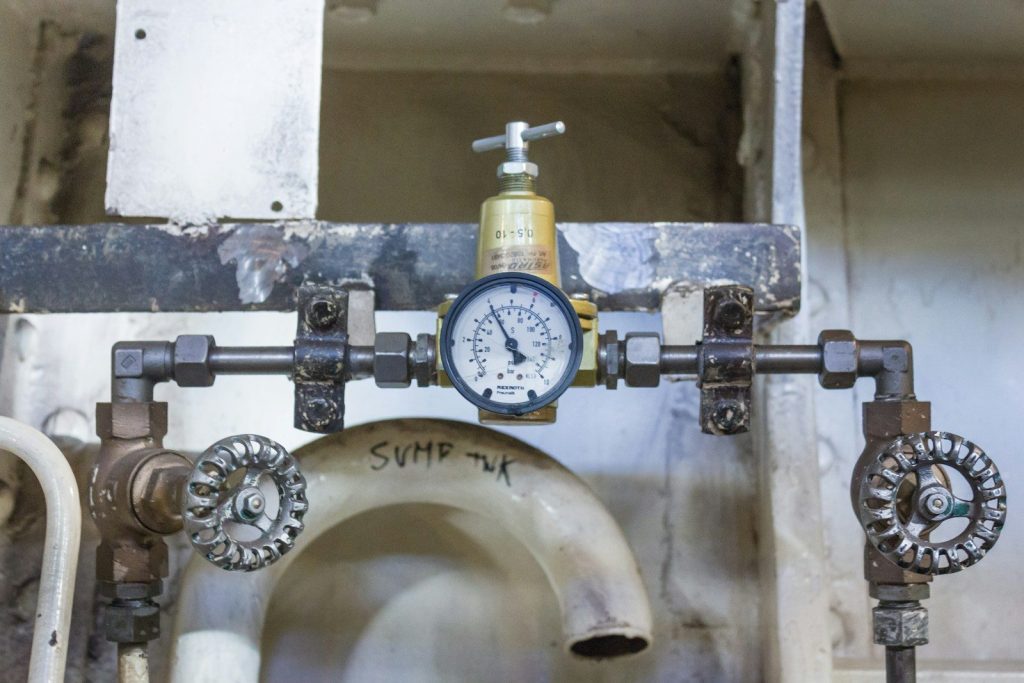
An unexplained jump in your water bill or damp spots near walls can point to leaks stealing pressure behind the scenes. Those clues deserve attention even if they seem unrelated.
Discolored water or sudden pressure changes may also signal larger plumbing concerns. Catching these warning signs early often prevents more expensive repairs later.
Know When a Booster Makes Sense
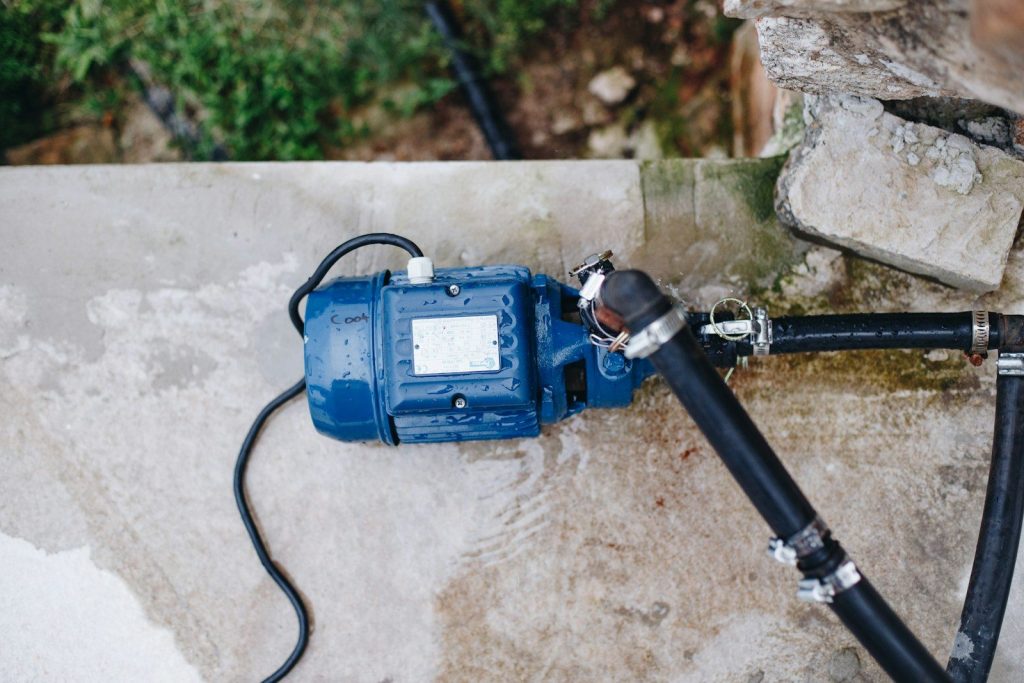
If your neighborhood consistently receives weak city pressure, cleaning fixtures alone may never solve the problem. Location and elevation can work against your plumbing.
A properly sized booster pump can increase pressure throughout the home. It is most effective after simpler fixes have been ruled out and the source of the problem is confirmed.
Build Better Pressure for the Long Run
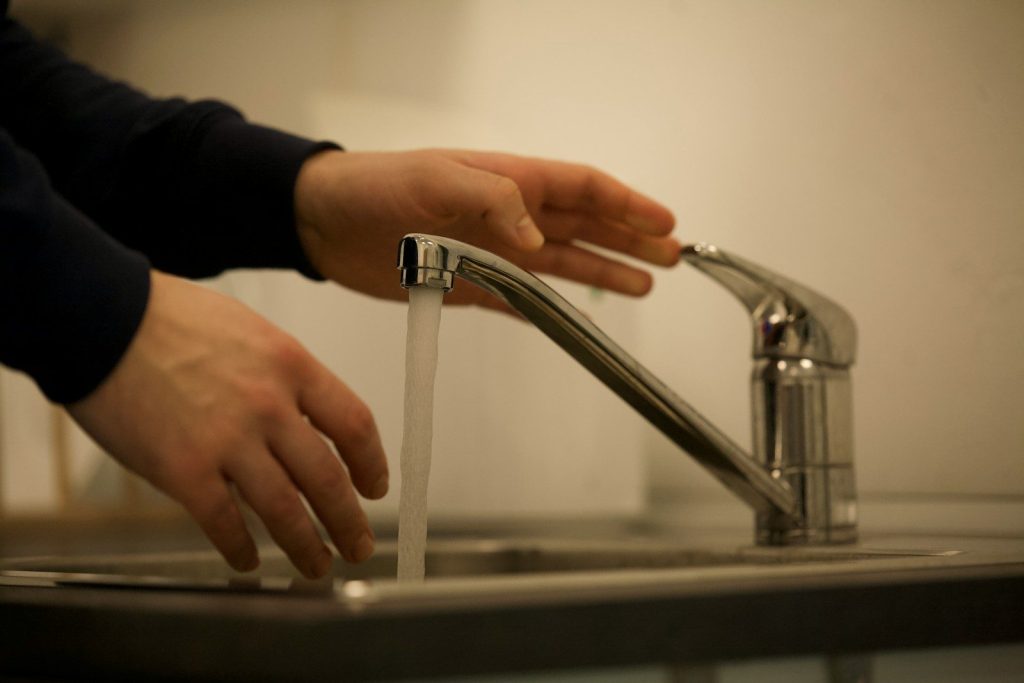
Keeping water pressure strong is often about routine maintenance instead of emergency repairs. Clean aerators regularly, flush the water heater, and inspect visible plumbing for leaks.
These small habits help prevent future restrictions while making it easier to spot changes before they become frustrating daily problems.
Featured Image: By Igal Ness on Unsplash