

A fresh coat of paint can completely change how your home feels, but the final price often depends on choices most people never think about. A few smart decisions before you open a paint can can save money, time, and frustration.
The best part is that you do not need professional experience to make better painting decisions. These practical hacks can help you stretch your budget, avoid common mistakes, and get results that look far more expensive than they really are.
Plan the Project Before Buying Anything
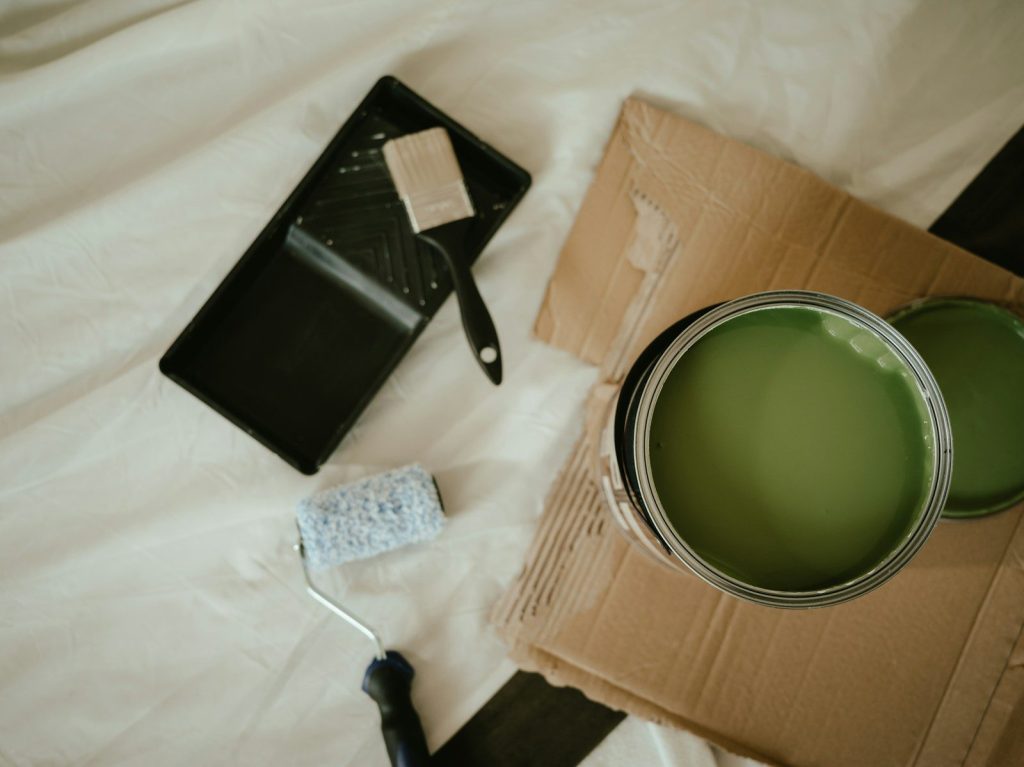
Many homeowners waste money by shopping first and measuring later. Start by calculating the walls you actually plan to paint so you avoid buying gallons you never use.
Knowing your room size also helps you compare quotes more accurately if you hire a painter. Better planning keeps surprise costs from sneaking into your budget.
Spend More on Paint and Less on Extra Coats
Cheap paint can seem like a bargain until you realize it needs several coats. A better quality option often covers more evenly and lasts longer.
That simple upgrade may reduce labor, save paint overall, and leave walls looking smoother for years instead of needing another refresh too soon.
Prep Walls Like a Pro
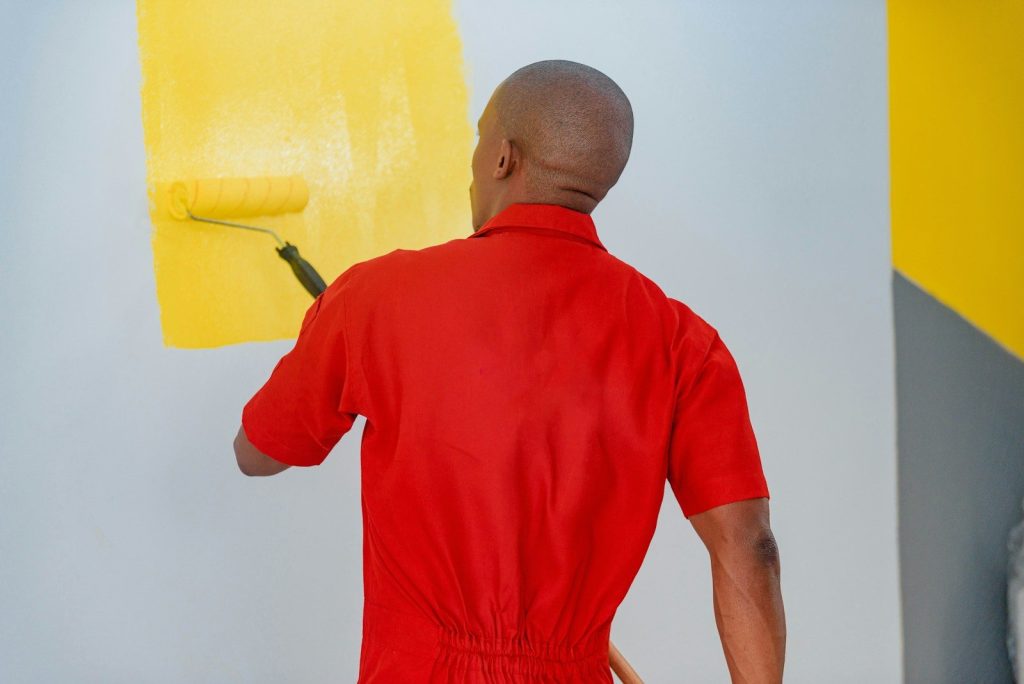
Painting over dents, dust, or rough spots almost guarantees disappointing results. Filling holes and sanding first creates a cleaner finish that looks professionally done.
A little preparation also helps paint stick better, reducing peeling and making your investment last much longer with minimal extra effort.
Match Paint Finish to the Room
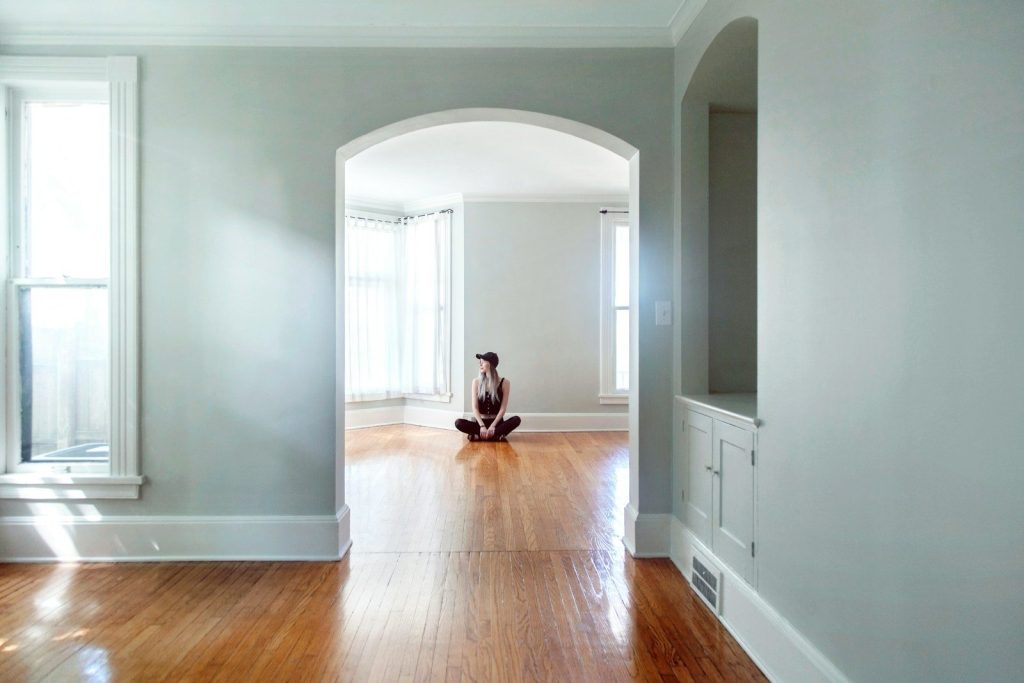
Every room benefits from a different finish. Busy spaces usually perform better with durable finishes that are easier to wipe clean after everyday wear.
Meanwhile, flatter finishes can help disguise wall imperfections in quieter rooms where durability matters a little less. Picking wisely prevents costly repainting later.
Know When DIY Makes Sense
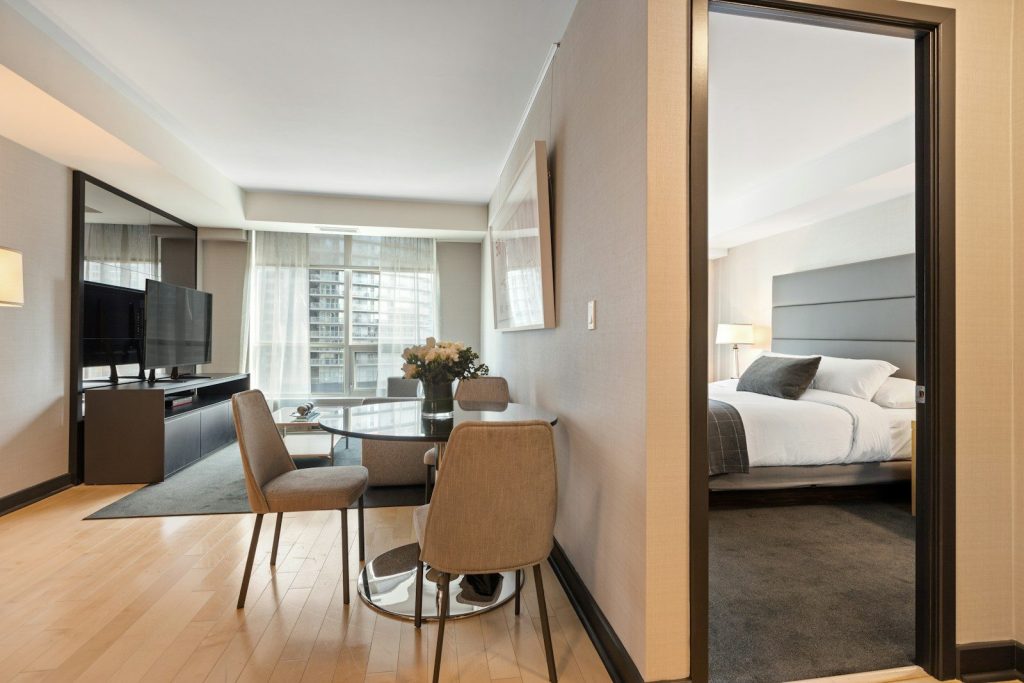
Simple bedrooms and living rooms are great beginner projects if you have patience and basic tools. Doing those yourself can dramatically reduce overall costs.
Very tall ceilings, textured walls, or detailed trim often require more skill. Hiring help for difficult spaces can actually save money by avoiding expensive mistakes.
Compare Quotes Instead of Picking the First One
Painting prices vary widely because labor, preparation, and materials differ from contractor to contractor. Always request several detailed estimates before making a decision.
Comparing quotes also reveals whether one painter includes repairs, primer, or cleanup while another charges extra for every additional task.
Watch for Hidden Cost Boosters
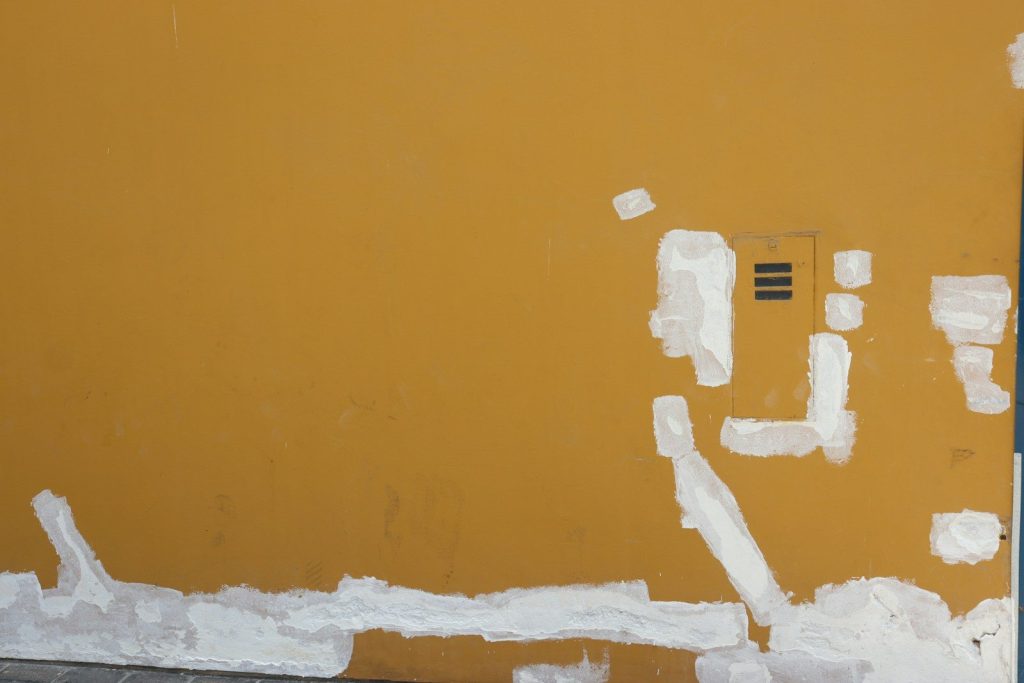
Accent walls, damaged drywall, textured surfaces, and complicated layouts can increase painting costs much faster than expected if they are overlooked early.
Knowing these factors ahead of time lets you adjust your budget or simplify the project before expenses begin adding up.
Buy Smart and Paint at the Right Time
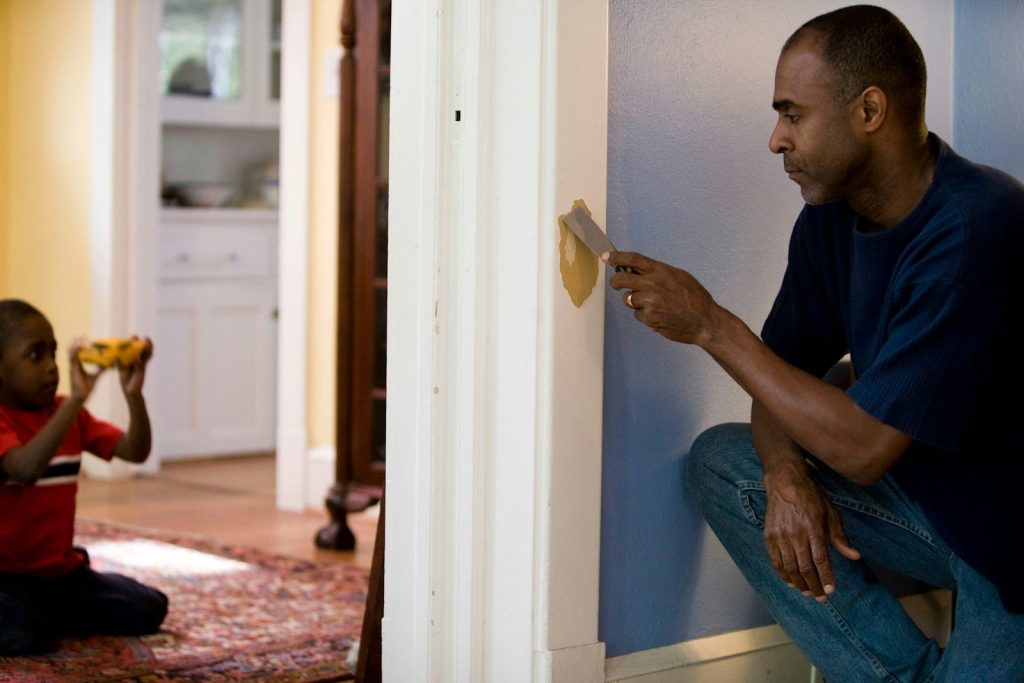
Watch for seasonal paint sales and purchase only the supplies you truly need. Borrowing tools you will rarely use can also lower your total spending.
Small planning habits like these help you enjoy a beautiful room makeover without paying far more than necessary for the same finished look.
Featured Image: By Roselyn Tirado on Unsplash