

A tougher stain does not always call for stronger chemistry. One simple habit can make cleaning safer and more effective by knowing when a single product is all you really need.
Many popular cleaning shortcuts sound clever until they create unwanted fumes or simply stop working. These practical hacks help you clean with more confidence while avoiding common mistakes.
Let One Cleaner Do Its Job
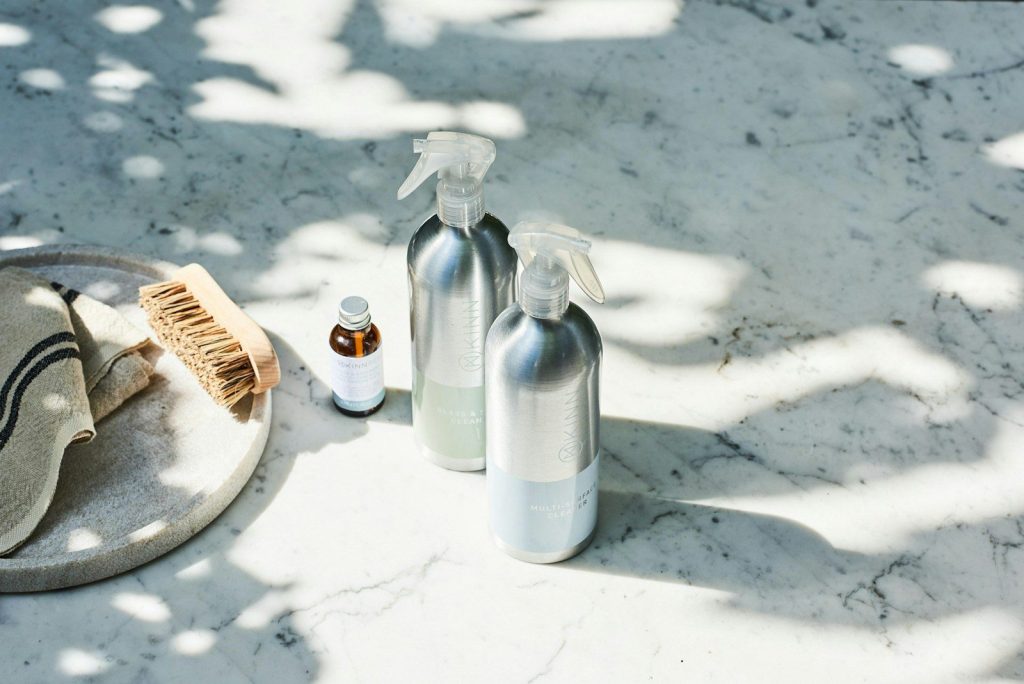
Reaching for multiple bottles may feel like a power move, but most cleaners are designed to work on their own. Using one product exactly as directed often gives better results than trying to boost it with another.
When grime refuses to budge, switch to a cleaner made for that specific mess instead of mixing formulas. That simple habit protects both your home and the air you breathe.
Keep Bleach in Its Own Lane
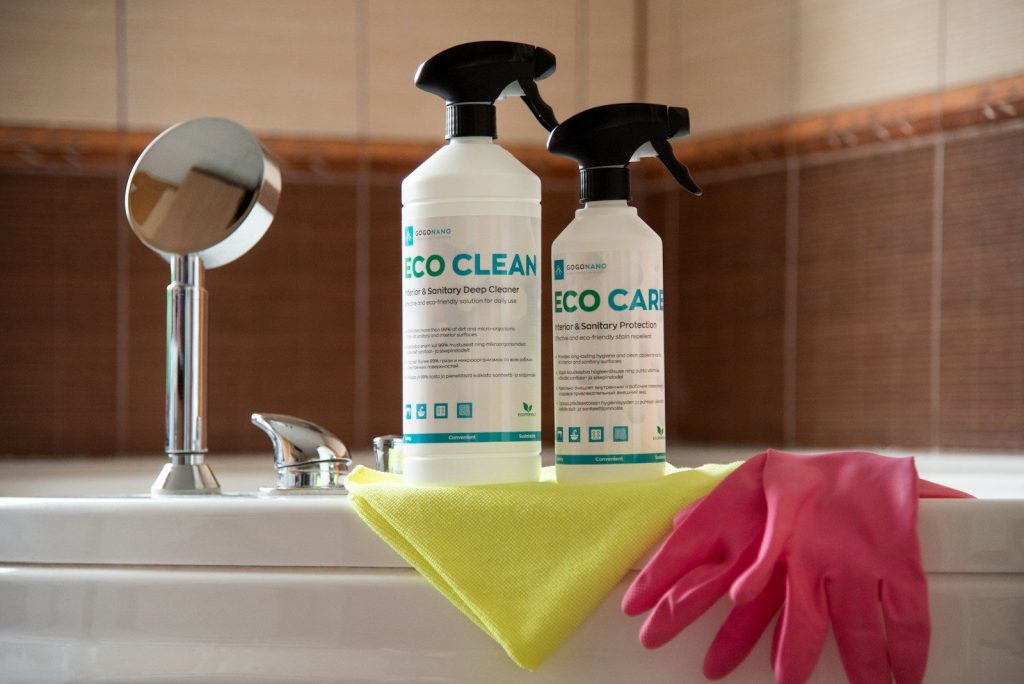
Bleach works well by itself, but it becomes a risky choice when paired with acidic ingredients like vinegar or even fresh lemon juice. Those combinations can release irritating chlorine gas instead of creating a stronger cleaner.
The easiest hack is to rinse surfaces thoroughly before changing products. A little patience is far safer than trying to combine powerful ingredients for faster results.
Watch Out for Hidden Ammonia
Many glass and window sprays contain ammonia even if it is not obvious at first glance. Mixing those with bleach can produce harmful chloramine gas that may irritate your eyes and lungs.
Before spraying anything, glance at the label. Knowing what is inside the bottle is one of the quickest ways to avoid accidental chemical reactions.
Skip the DIY Chemistry Experiment
Baking soda and vinegar create dramatic bubbles, but the fizz is not proof of stronger cleaning. Once the reaction settles, much of the cleaning power disappears because the ingredients largely cancel each other out. (Good Housekeeping)
Use each ingredient separately where it shines. Baking soda tackles stubborn grime while vinegar works well on glass and mineral buildup.
Handle Tough Clogs Carefully
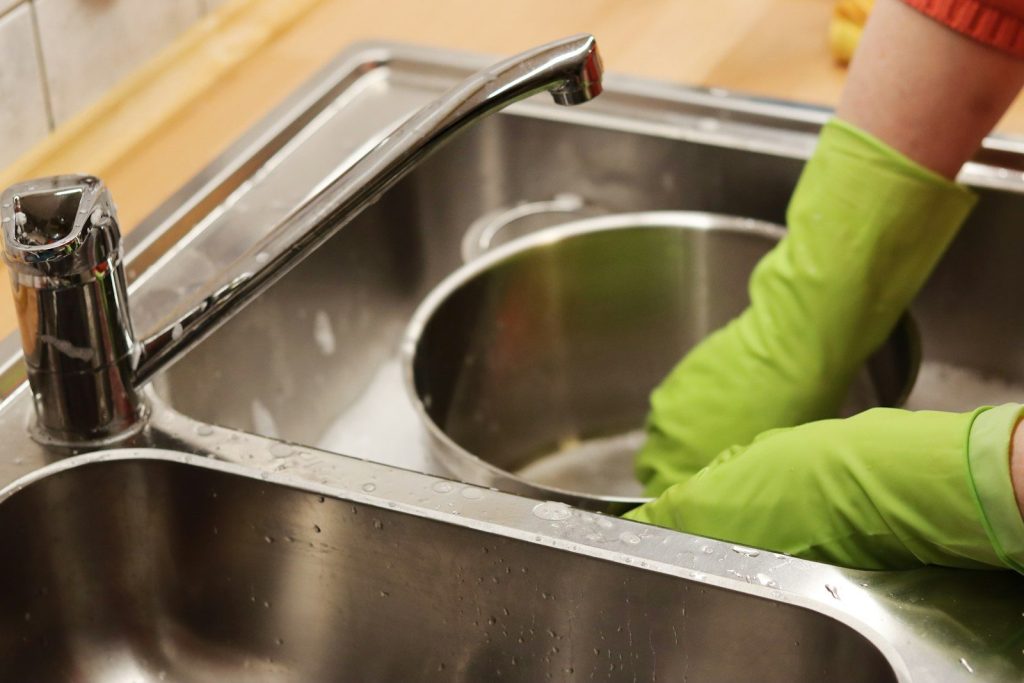
Using one drain cleaner after another might seem like a logical backup plan, yet experts warn that combining different drain formulas can become extremely dangerous.
Follow the directions on a single product first. If the clog remains, calling a plumber is a smarter move than experimenting with extra chemicals.
Rotate Instead of Mixing
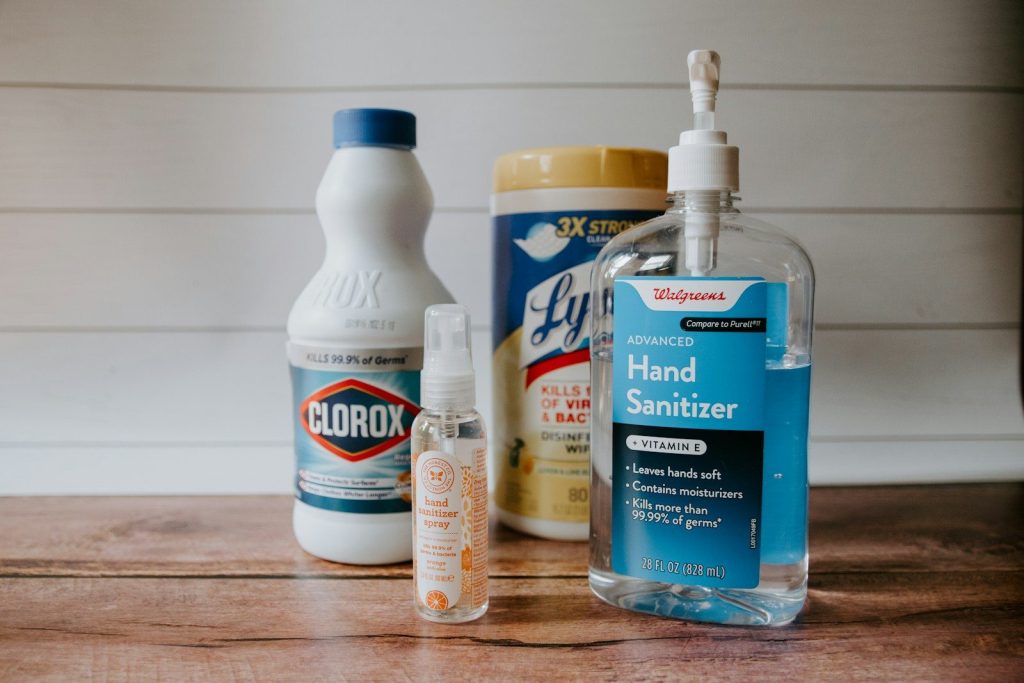
Hydrogen peroxide and vinegar can both be useful household cleaners, but they should never share the same container. Together they can create an irritating chemical instead of a better solution.
A smarter trick is to use one cleaner, rinse the surface, then apply the other later if needed. The extra step keeps cleaning both safe and effective.
Respect Specialty Cleaners
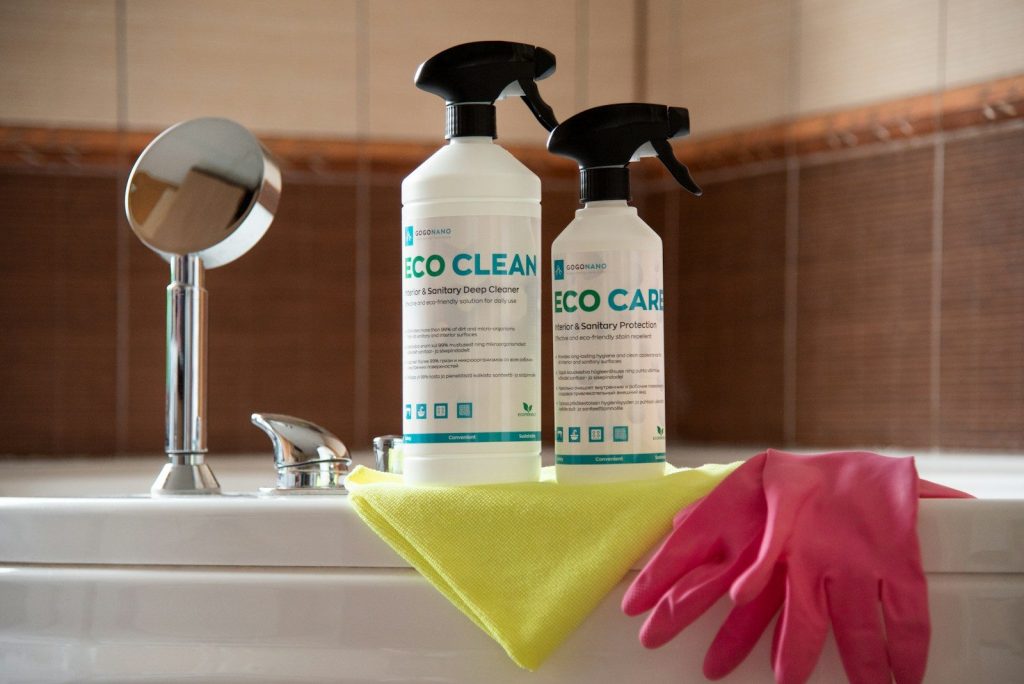
Rust removers, bathroom cleaners, and oven cleaners are already powerful enough for their intended jobs. Adding bleach does not improve performance and can release harmful gases.
Treat specialty products like precision tools. Matching the cleaner to the task usually delivers better results with much less risk.
Read Labels Before You Spray
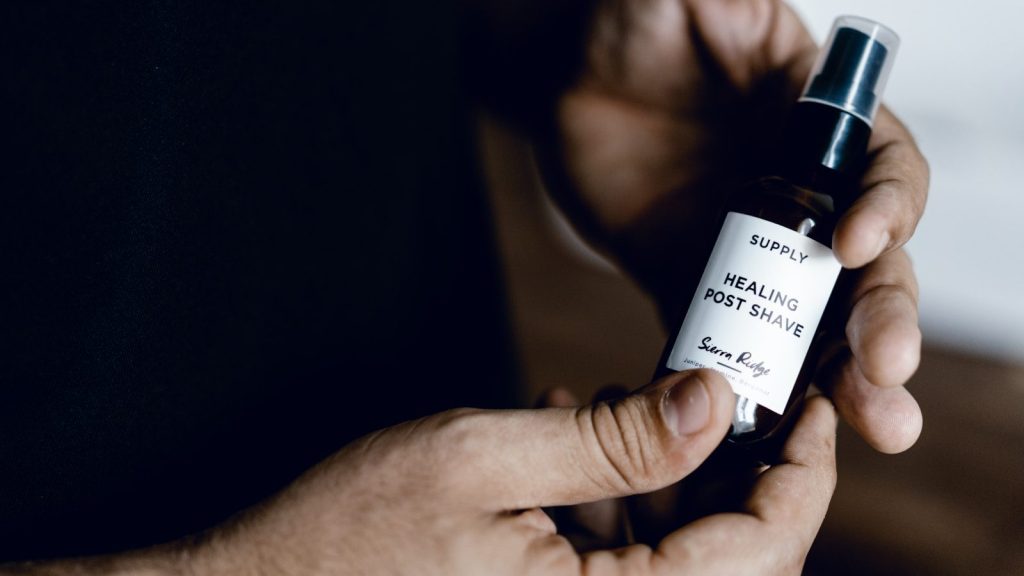
The fastest cleaning shortcut may be spending a few extra seconds reading product directions. Labels often explain exactly what should never be mixed and how long products should stay on a surface.
Building that small habit saves time, protects your home, and helps every cleaner perform the way it was designed without unwanted surprises.
Featured Image: By Vitaly Gariev on Unsplash