

Planting a fig tree often comes with one big question about wasps. Plenty of people skip growing this delicious fruit because they have heard stories that sound far scarier than reality.
The truth is much more interesting than the rumor. A few simple facts can help you pick the right tree, enjoy fresh figs, and stop worrying about insects that may never show up in your yard.
Pick the Right Fig from the Start
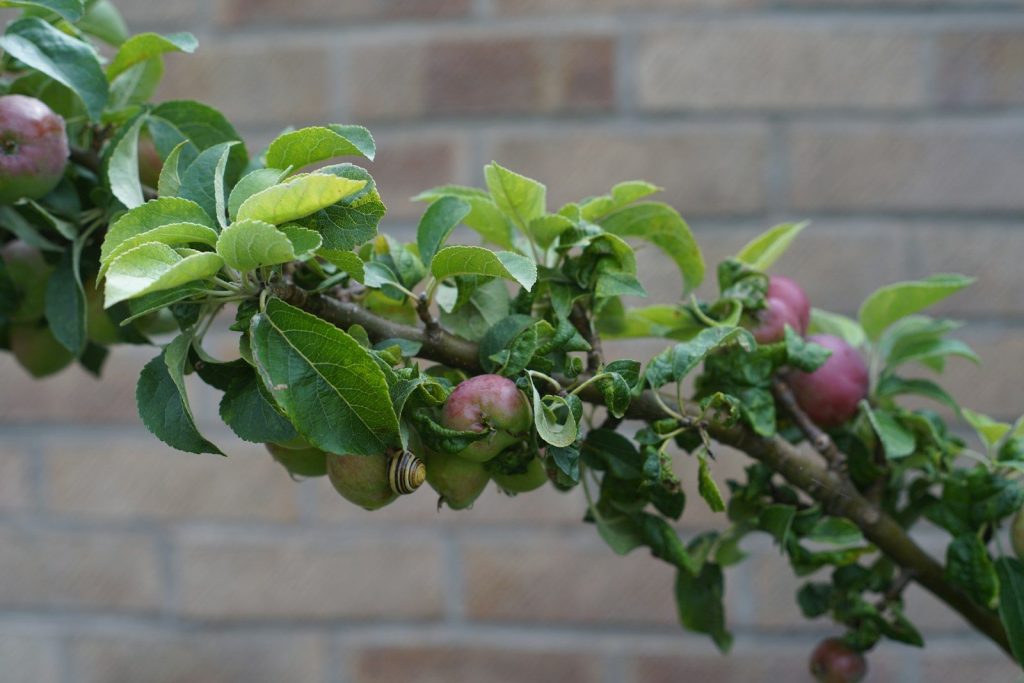
Not every fig tree works the same way. Most popular backyard varieties grow fruit without needing any special pollination. That means you can enjoy homegrown figs without inviting a unique group of tiny wasps.
When shopping, look for self pollinating varieties instead of specialty types. Choosing the right tree is the easiest hack because it saves you from unnecessary concerns before the first fruit even appears.
Learn Which Trees Actually Need Wasps
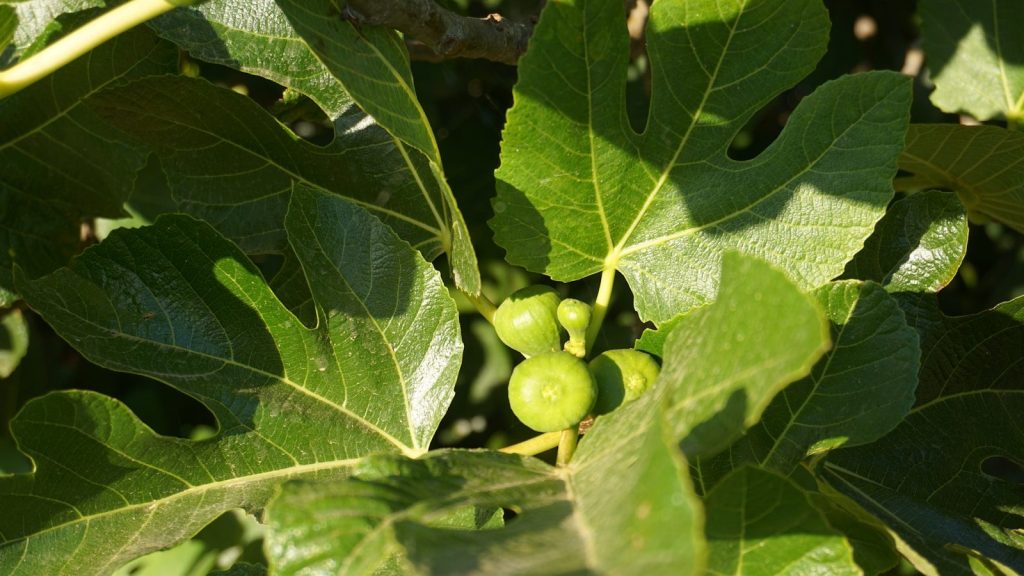
Only a handful of fig varieties depend on fig wasps to produce fruit. These specialty trees are far less common than the ones sold for most home gardens, making them the exception instead of the rule.
Knowing the difference helps you shop with confidence. If a garden center recommends common backyard figs, chances are you are already avoiding the varieties that rely on this unusual partnership.
Do Not Confuse Fig Wasps with Stinging Wasps
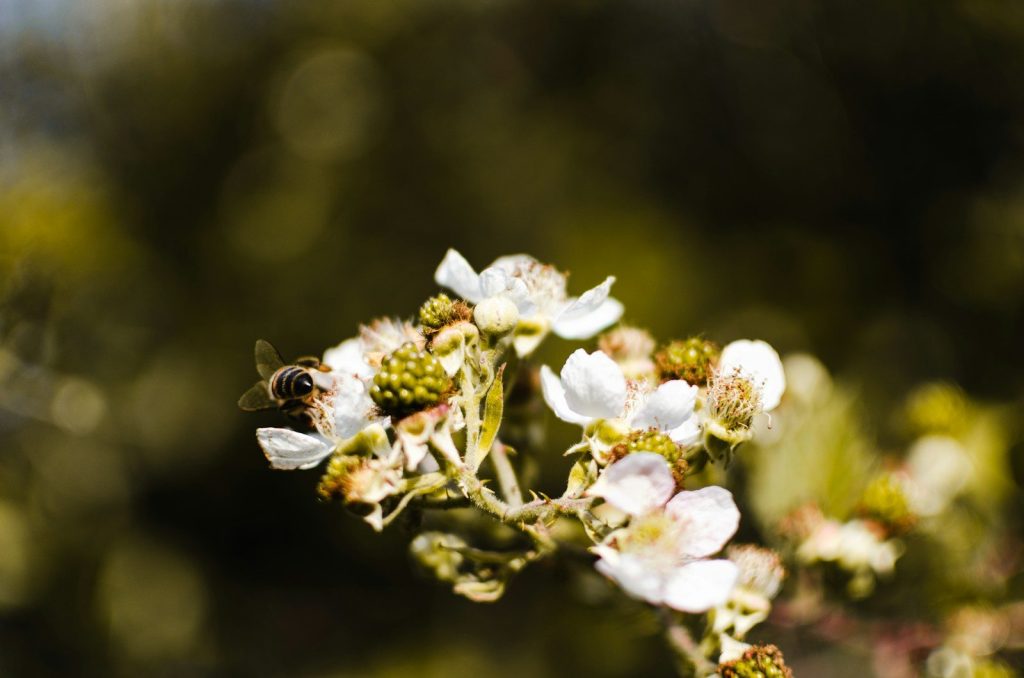
Many people picture large buzzing insects around their fruit trees. Fig wasps are actually tiny insects that look and behave very differently from yellowjackets or paper wasps.
That small detail changes everything. The wasps connected with certain figs are specialized pollinators, not aggressive pests looking to bother people relaxing in the backyard.
Pick Fruit Before It Gets Too Ripe
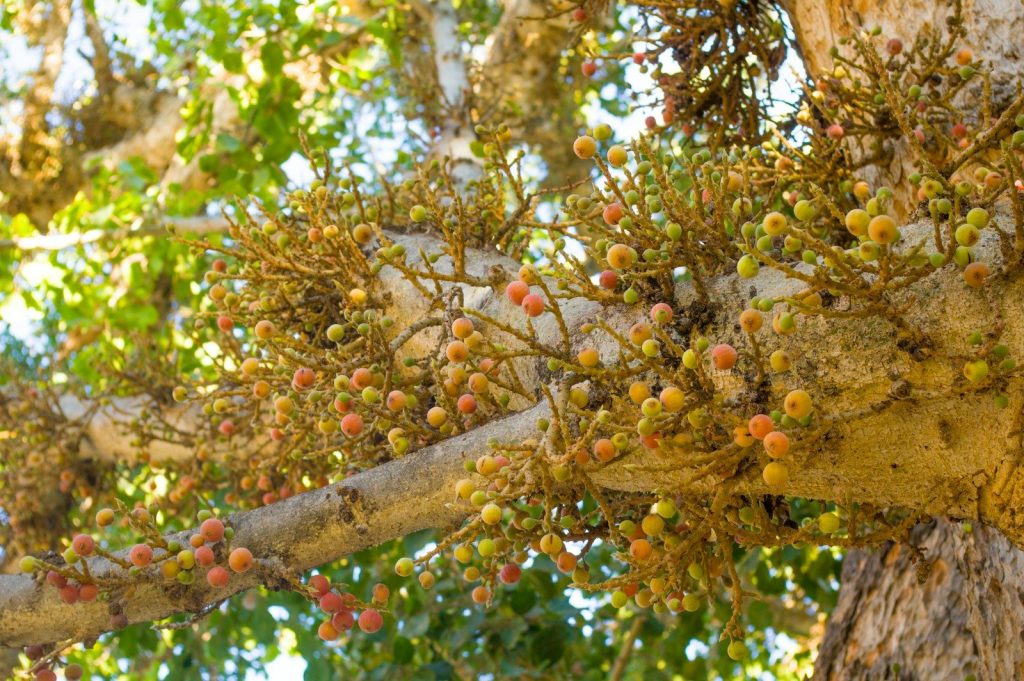
If regular wasps gather around a fig tree, the fruit is usually the attraction instead of the tree itself. Sweet overripe figs naturally draw many insects searching for an easy meal.
Harvesting figs as they ripen is a simple habit that reduces unwanted visitors. It also gives you fresher tasting fruit and less mess beneath the tree.
Stop Believing Every Viral Fig Story
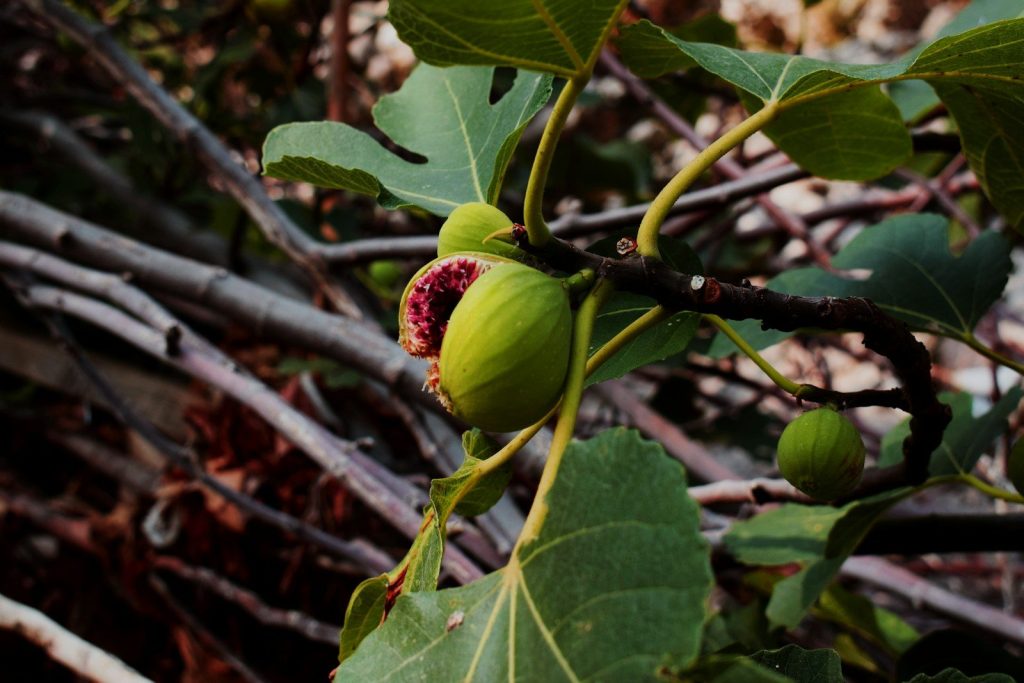
Social media has helped spread the idea that every fig contains a dead wasp. That dramatic claim leaves out one important fact about the varieties most people actually buy or grow.
Most common figs develop without pollination, so the scary headline does not match the average backyard harvest. A little fact checking can save a lot of unnecessary worry.
Know Why Nature Made This Partnership
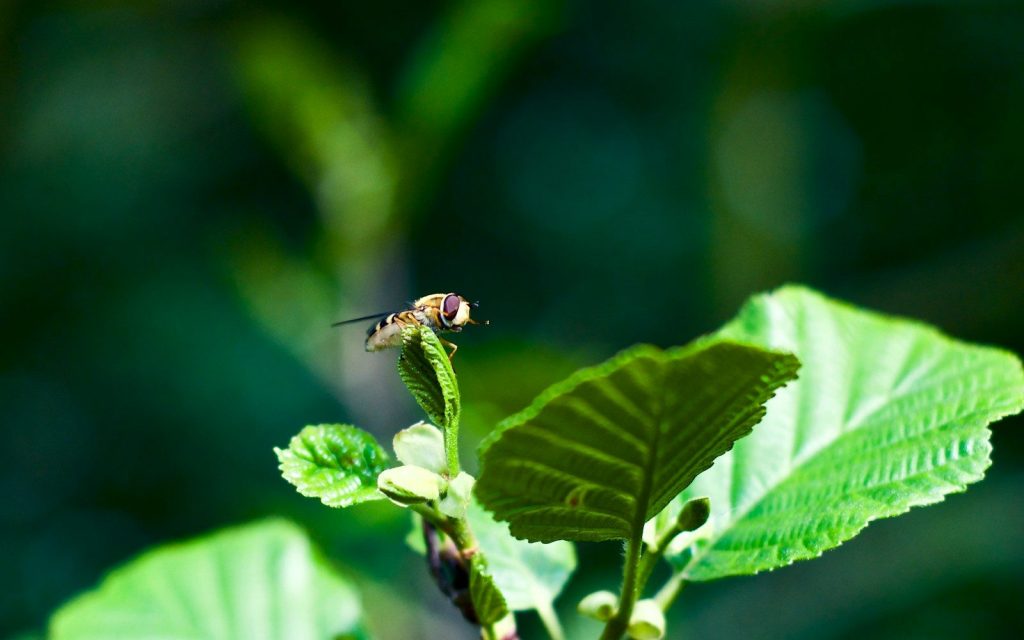
Some wild and specialty figs have shared an amazing relationship with tiny wasps for millions of years. The insects pollinate the hidden flowers while using the fruit as part of their life cycle.
Understanding this natural system makes it feel less mysterious. Instead of something creepy, it becomes one of gardening’s most fascinating examples of teamwork in nature.
Check Where You Live Before You Worry
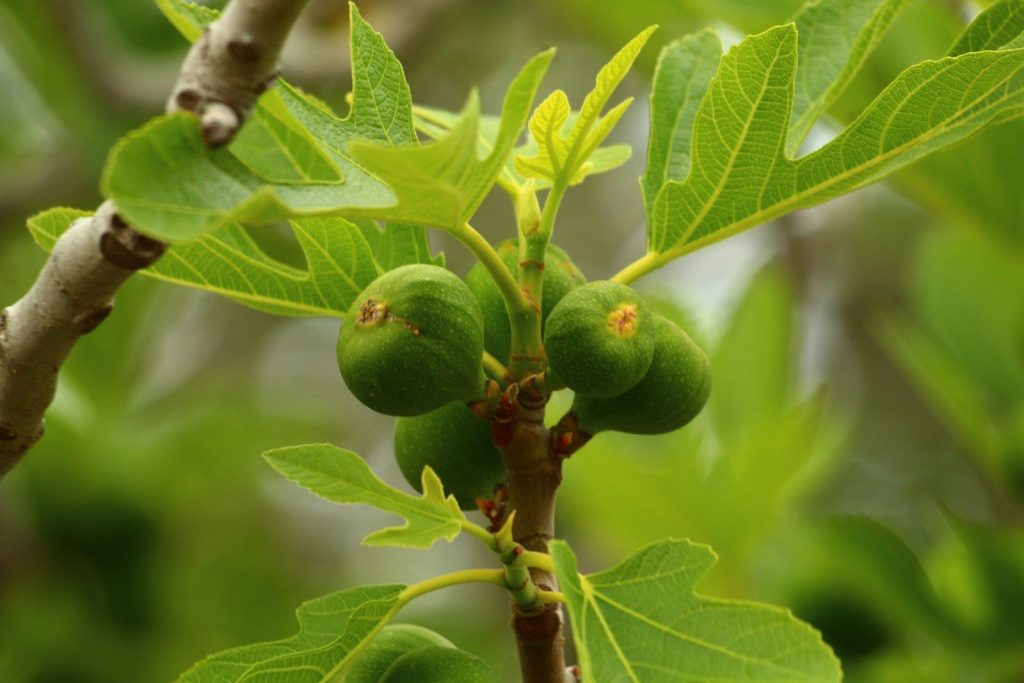
Even if a fig variety can use fig wasps, those insects only survive in certain regions. Many homeowners live in places where the pollinators are not naturally present at all.
That means location matters just as much as the type of tree you plant. A quick check of local growing conditions can answer questions that internet rumors never do.
Grow Figs with More Confidence

The smartest gardening hack is separating facts from myths. Once you understand which figs are self pollinating and why insects visit ripe fruit, the whole topic becomes much less intimidating.
Instead of avoiding fig trees altogether, focus on choosing the right variety and harvesting on time. Those two simple habits can make growing fresh figs surprisingly easy.
Featured Image: By Lora Georgieva on Unsplash