

Heavy rain does not have to leave your yard muddy, messy, or full of standing water. With a few smart landscaping tricks, you can turn those soggy spots into a feature that looks great while quietly solving a common outdoor problem.
The best part is that you do not need a massive budget or professional skills to get started. These practical rain garden hacks can help protect your lawn, attract wildlife, and make every rainfall work in your favor.
Let Nature Pick the Perfect Spot
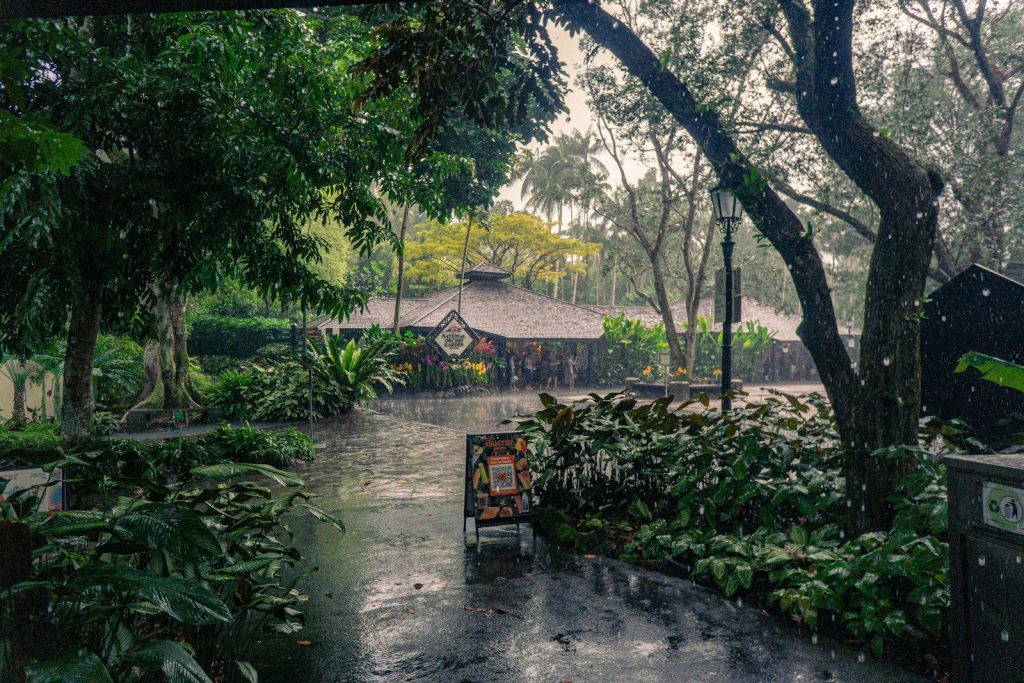
Instead of guessing where to build, watch your yard during the next heavy rain. The places where water naturally gathers often reveal the ideal location without any extra measuring or expensive planning.
Keep the garden away from your home’s foundation and avoid septic systems or underground utilities. A little distance helps protect your property while letting the garden capture runoff safely.
Test Your Soil Before You Dig
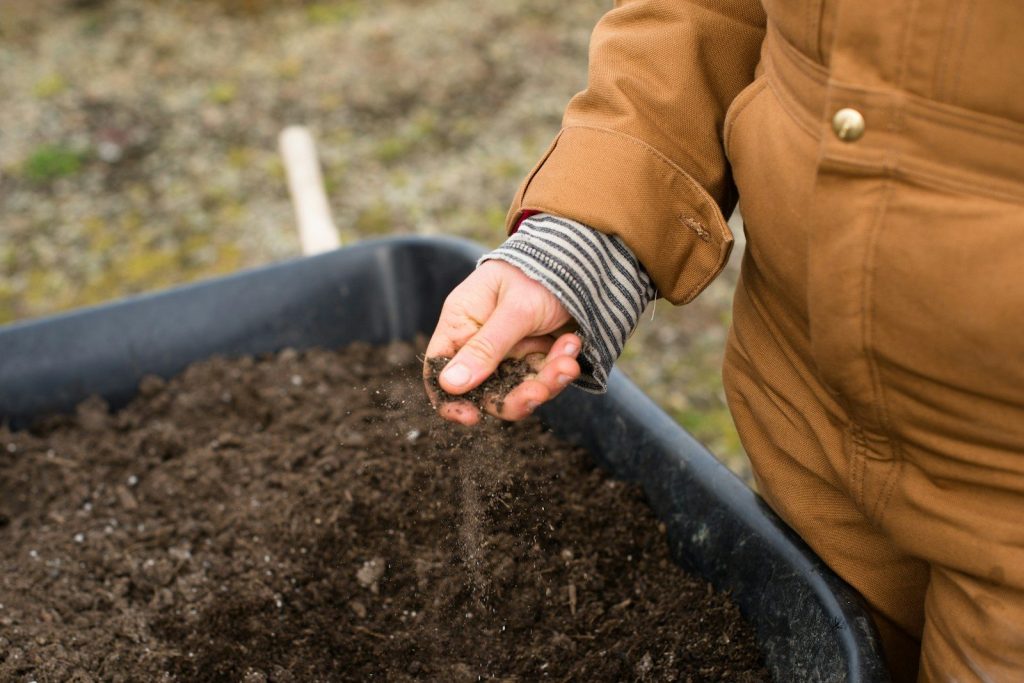
A quick drainage test can save hours of future frustration. Dig a small hole, fill it with water, then see how quickly it drains. Fast-draining soil usually means your rain garden will perform much better.
If the water lingers too long, improve the area with compost or better quality soil before planting. That simple upgrade gives roots a healthier place to grow and helps rain soak in faster.
Shape the Garden Like a Shallow Bowl
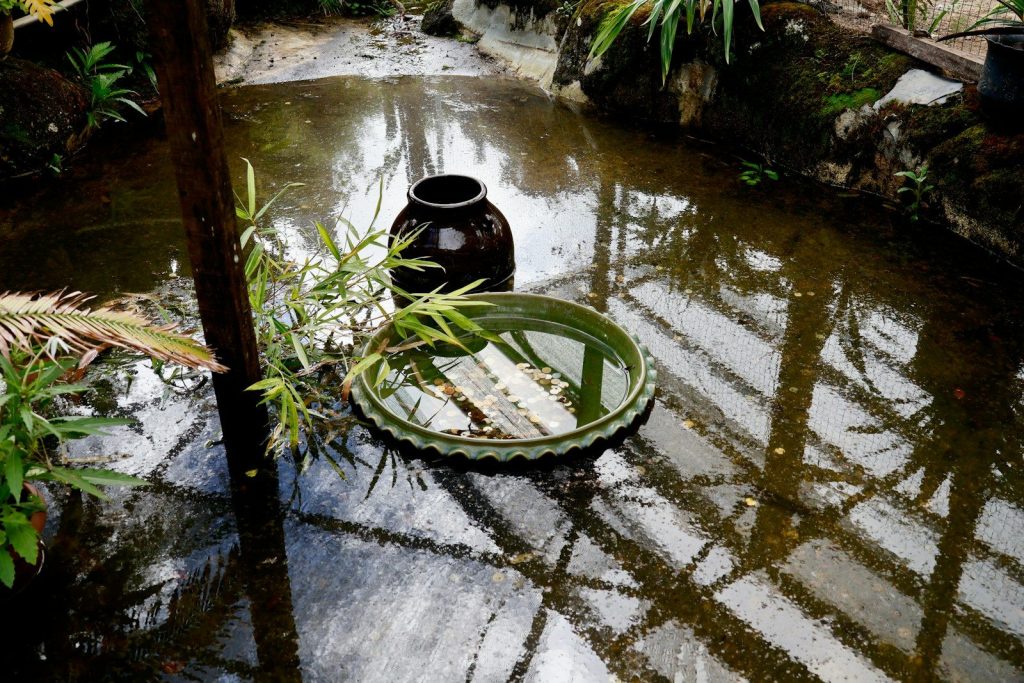
A rain garden works best when it gently collects water instead of letting it rush away. A shallow basin spreads moisture evenly and encourages it to sink into the ground naturally.
Keep the surface level while allowing surrounding ground to slope toward it. This small design trick helps every section of the garden share the incoming water more efficiently.
Build a Border That Holds Everything Together
Adding a compact soil berm around the edge keeps rainwater where it belongs. It also helps prevent mulch and soil from washing away during stronger storms.
Decorative rocks along the border provide another useful bonus. They reduce erosion while giving the garden a finished appearance that blends into the rest of the landscape.
Pick Plants That Can Handle Weather Swings
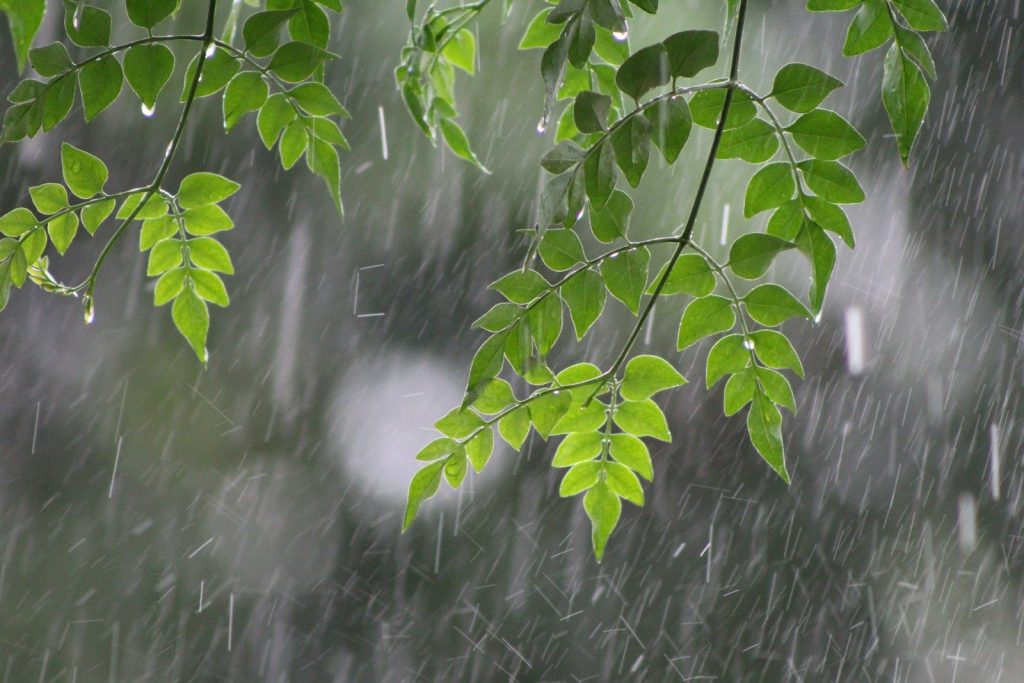
Native plants usually perform better because they are already adapted to local conditions. Many can tolerate both soaking rains and dry periods without needing constant attention.
Place taller moisture-loving plants near the center and shorter varieties around the edges. This arrangement improves appearance while matching each plant to the amount of water it receives.
Feed the Soil Instead of Fighting It
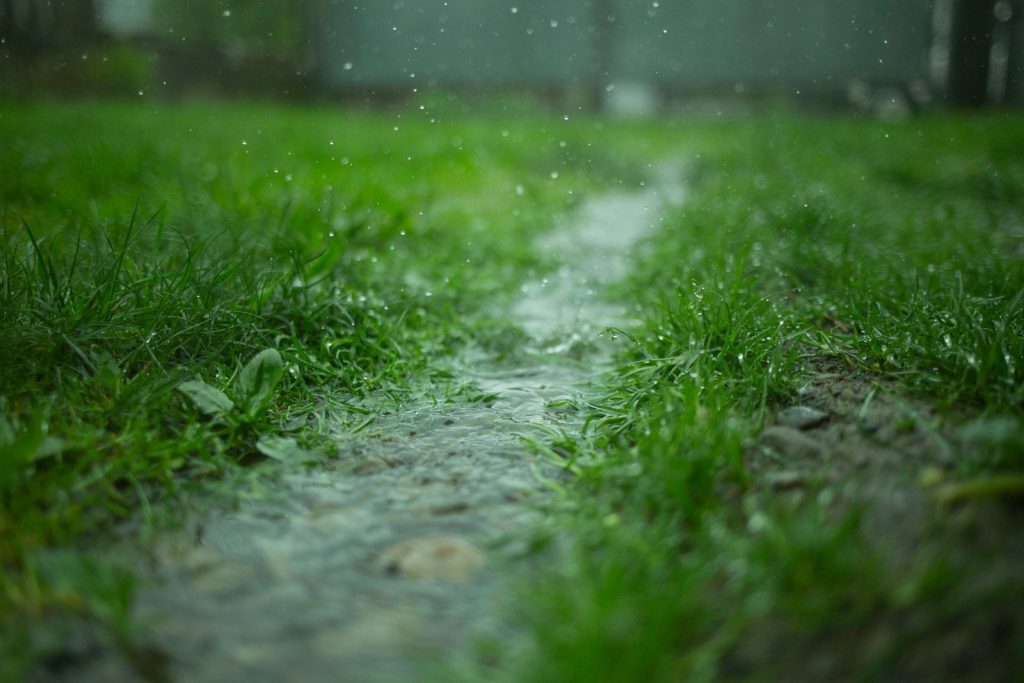
Mixing compost into the soil before planting creates healthier growing conditions almost immediately. It improves drainage while giving beneficial organisms the nutrients they need to thrive.
After planting, add another layer of compost or mulch across the surface. This simple habit locks in moisture, reduces weeds, and keeps the soil in better shape throughout the year.
Give New Plants a Strong Start
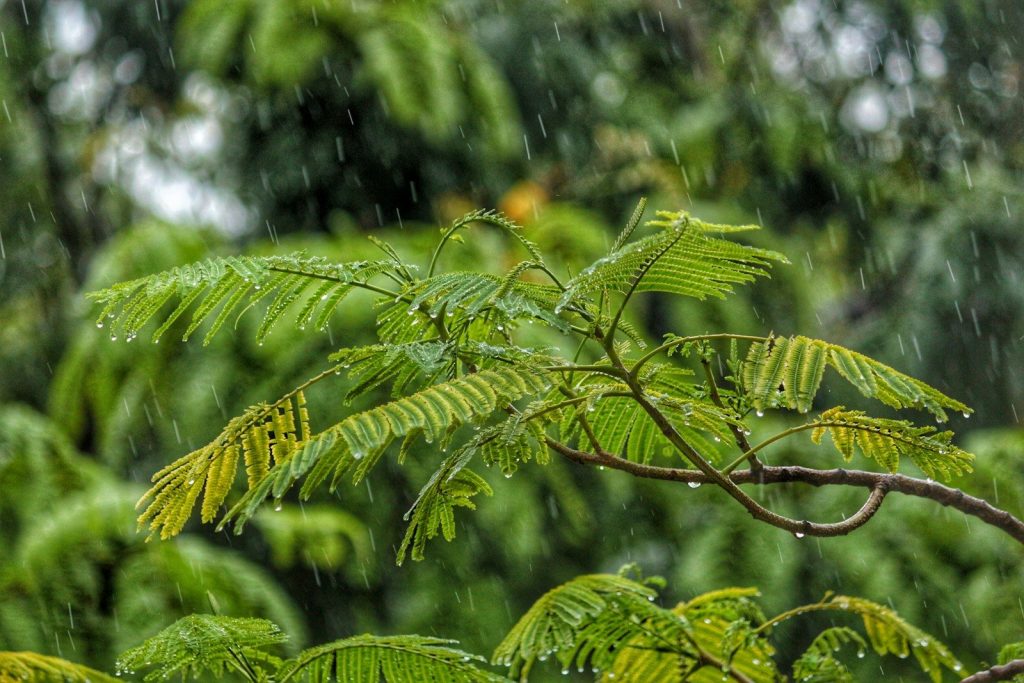
Freshly planted gardens still need a little help during their first growing season. Water them regularly until roots spread deep enough to handle changing weather on their own.
Pull weeds early before they compete for space and nutrients. Once native plants become established, they naturally crowd out many unwanted weeds and require far less maintenance.
Turn Every Storm Into a Yard Upgrade

A well-planned rain garden does more than collect water. It filters runoff, supports pollinators, and often stays healthier than a traditional lawn during changing weather patterns.
Over time, the garden becomes one of the easiest parts of the landscape to maintain. Instead of worrying every time heavy rain arrives, you can let your yard quietly do the hard work for you.
Featured Image: Photo by Gonzalo Facello on Unsplash