

Most state quarters are worth exactly 25 cents, but a small number have become highly collectible because of minting errors, low mintages, exceptional condition, or limited releases. Before spending the next quarter you find, take a closer look. These coin-checking hacks explain what collectors look for and why a few ordinary-looking coins can be worth much more than face value.
Check The Mint Mark First
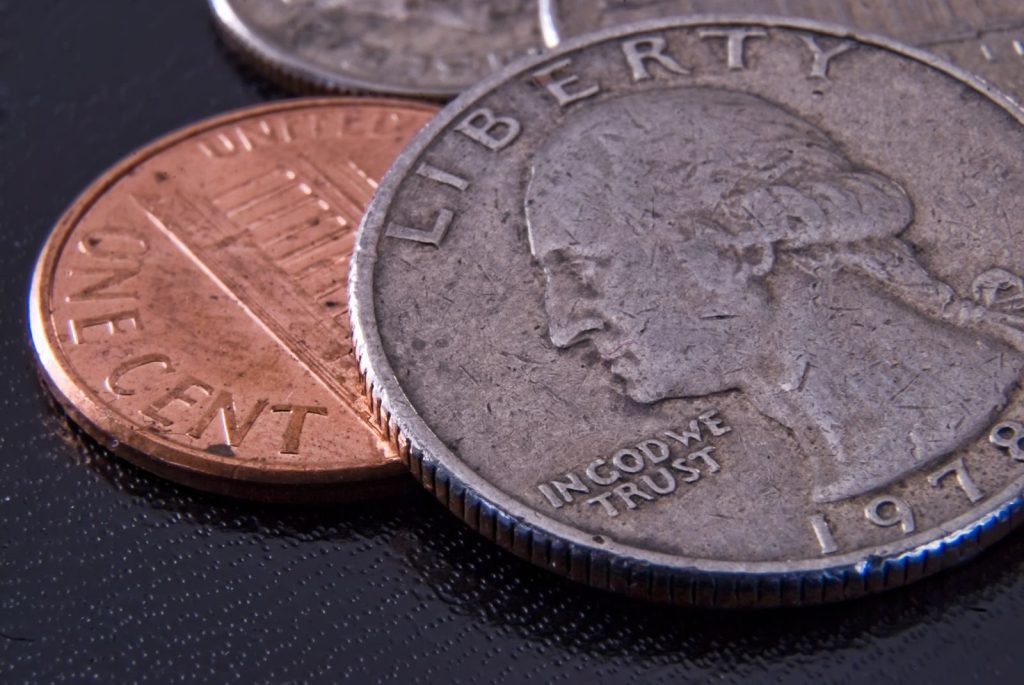
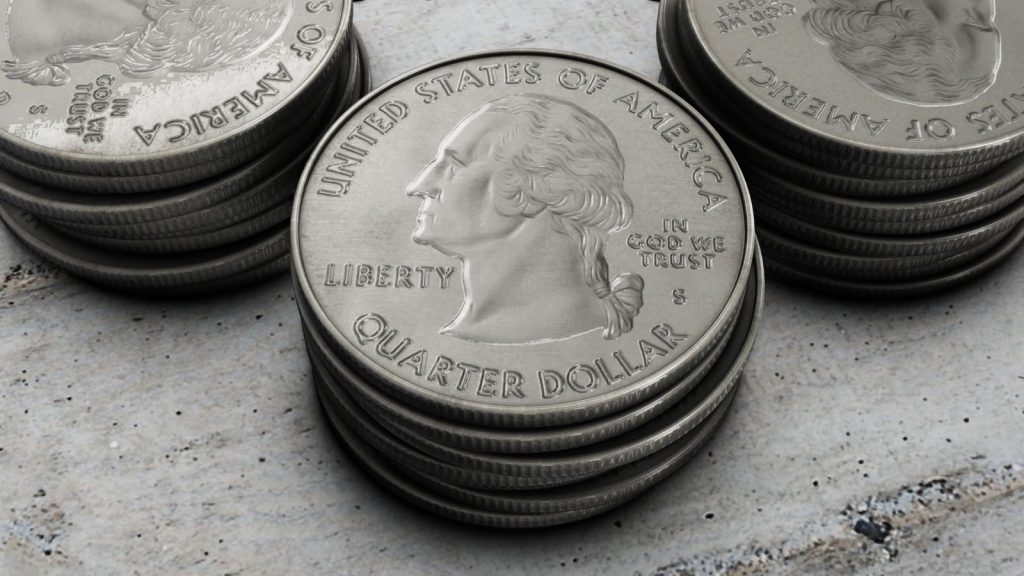
A tiny letter near George Washington’s portrait tells you where the coin was minted. Most state quarters carry a P (Philadelphia), D (Denver), or S (San Francisco) mint mark. Some collectors specifically seek coins from one mint over another.
Learn Which States Had Famous Errors
Some state quarters became valuable because of striking mistakes, doubled designs, extra die marks, or other mint errors. While these are uncommon, they’re among the first things experienced collectors check.
Condition Matters More Than You Think
A heavily worn quarter is usually worth far less than one that still has crisp details and minimal scratches. Coins showing little or no circulation often attract the strongest collector interest.
Watch For Mint Errors
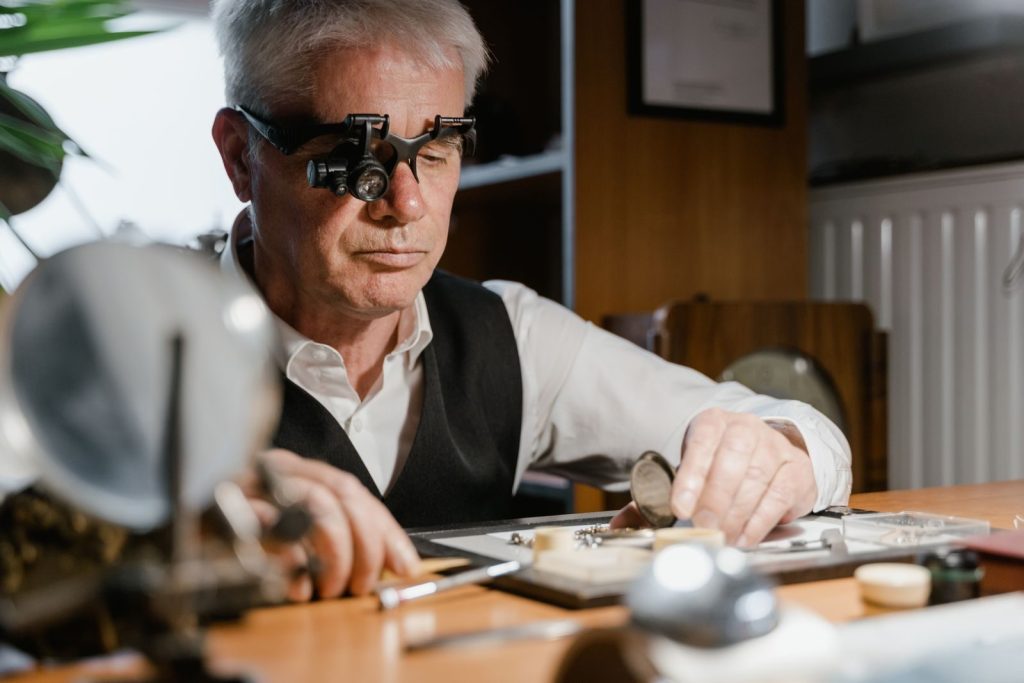
Collectors often search for doubled lettering, off-center strikes, die cracks, clipped planchets, or other unusual production errors. Even subtle mistakes can increase interest if they’re verified as genuine mint errors.
Don’t Clean Old Coins
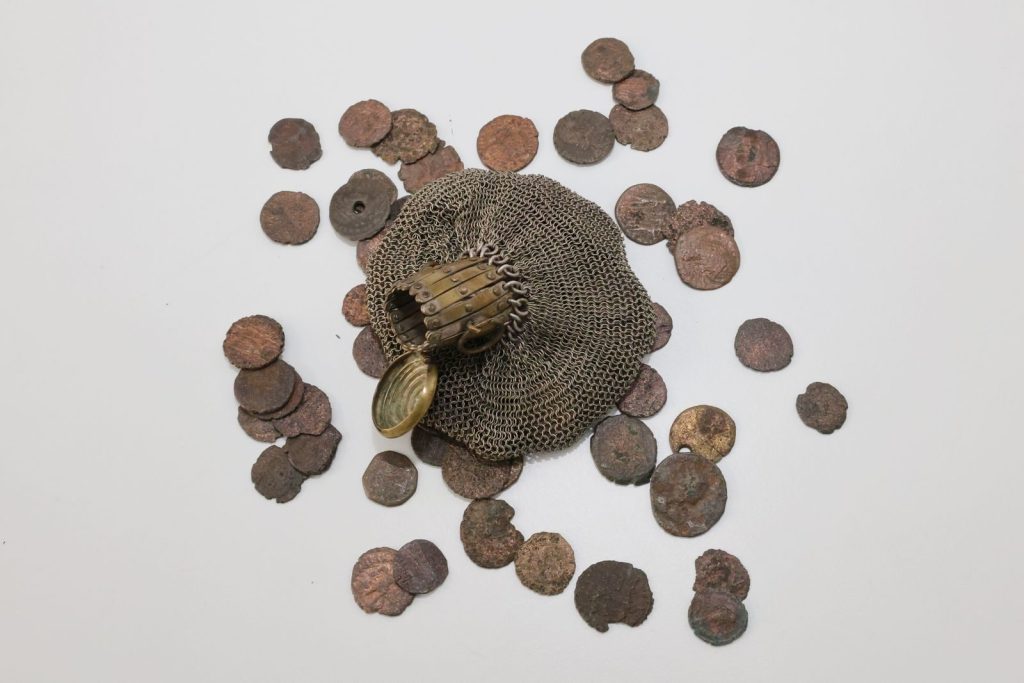
It may seem helpful to polish a coin before showing it to a collector, but cleaning can leave tiny scratches and reduce its collectible value. Most experts recommend leaving coins exactly as they were found.
Store Interesting Finds Carefully
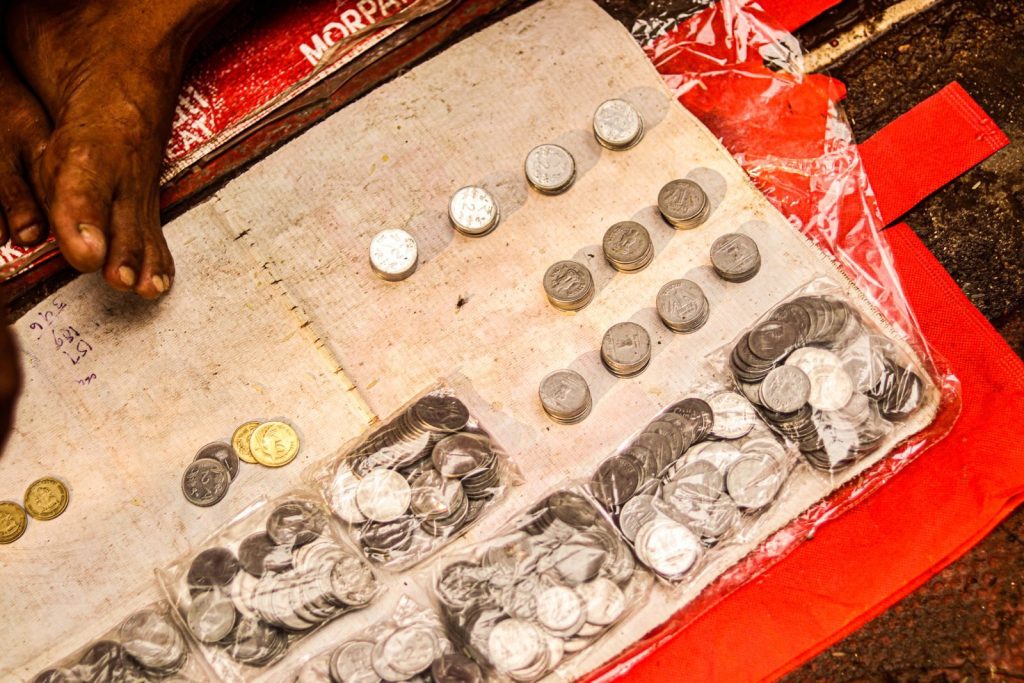
Loose change tossed into a drawer quickly picks up scratches. If you believe you’ve found a potentially valuable quarter, place it in a protective coin flip, capsule, or holder until you learn more about it.
Compare Your Coin With Trusted References
Before assuming you’ve discovered a valuable rarity, compare the date, mint mark, and design with reputable coin reference guides or established numismatic resources. Small details often make a big difference.
When In Doubt, Have It Evaluated

If a quarter appears unusual because of its condition or a possible mint error, consider having it examined by a reputable coin dealer or grading service. A professional opinion can help determine whether it’s simply interesting or genuinely collectable.
Every Quarter Deserves A Second Look
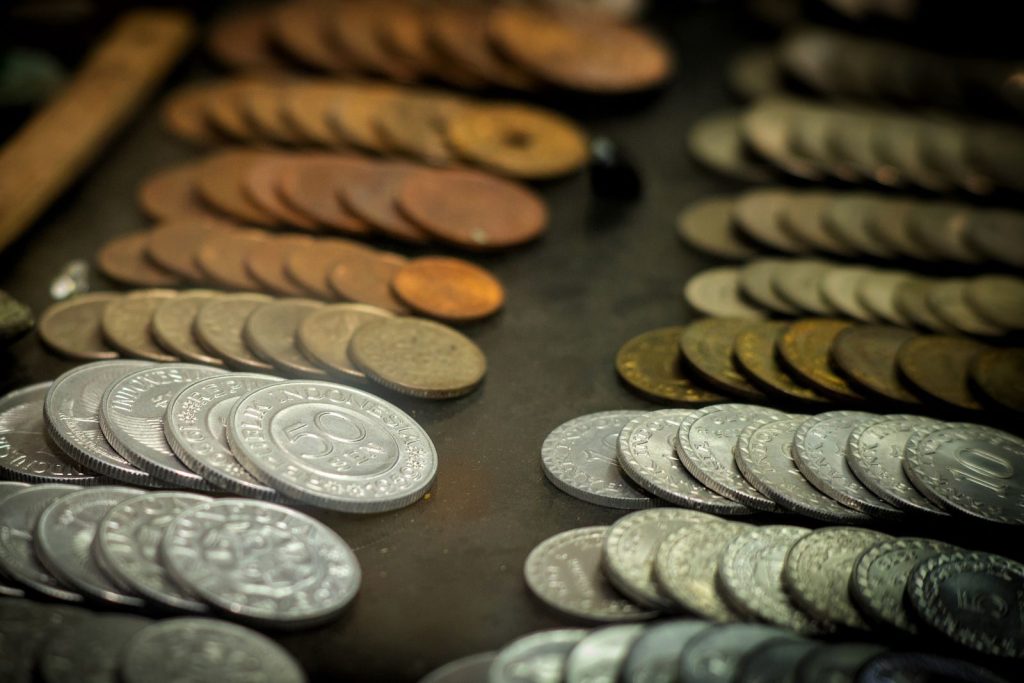
The odds of finding an especially valuable state quarter may be small, but the search is part of the fun. By checking mint marks, watching for errors, preserving condition, and using trusted references, you’ll know exactly what to look for before spending your next piece of pocket change.