

DIY projects can save money and add personality to a home, though not every upgrade impresses potential buyers. Some projects raise concerns about safety, quality, or future repair costs, especially when the work looks rushed or overly customized.
What feels creative to one homeowner may look like a future headache to someone shopping for a house.
Here are 11 DIY projects buyers often see as red flags.
1. Poorly Painted Cabinets
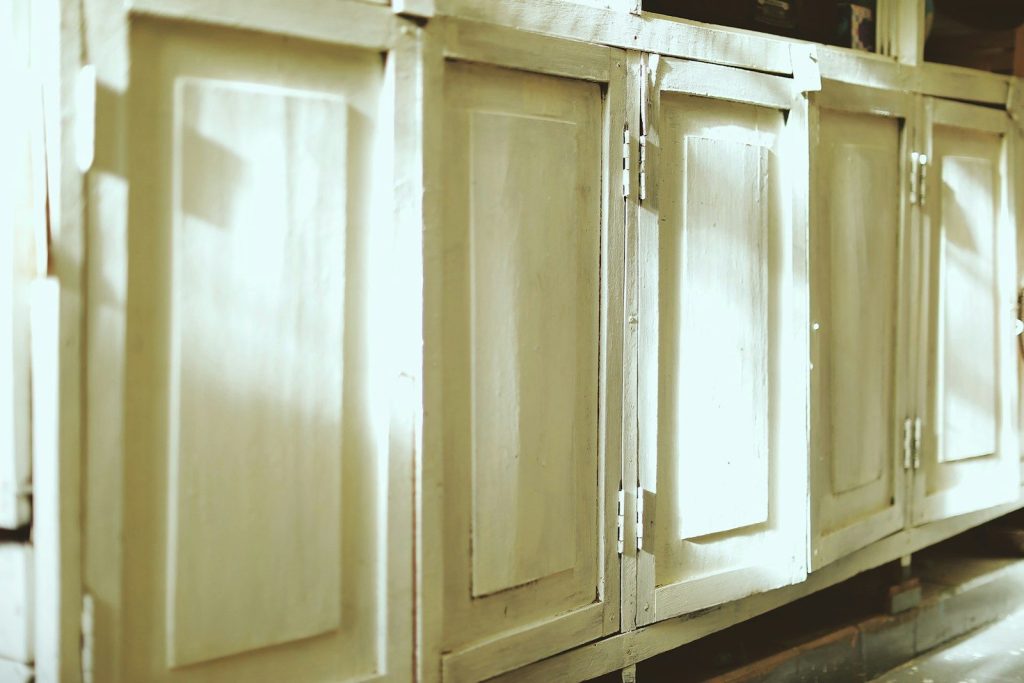
Painting kitchen cabinets is a popular budget-friendly upgrade, though uneven finishes, visible brush marks, peeling paint, or sticky surfaces can make the entire kitchen feel cheaply done.
Buyers often pay close attention to kitchens because they are one of the most expensive rooms to renovate.
Cabinets that look sloppy may lead buyers to wonder what other shortcuts were taken throughout the home.
2. DIY Electrical Work
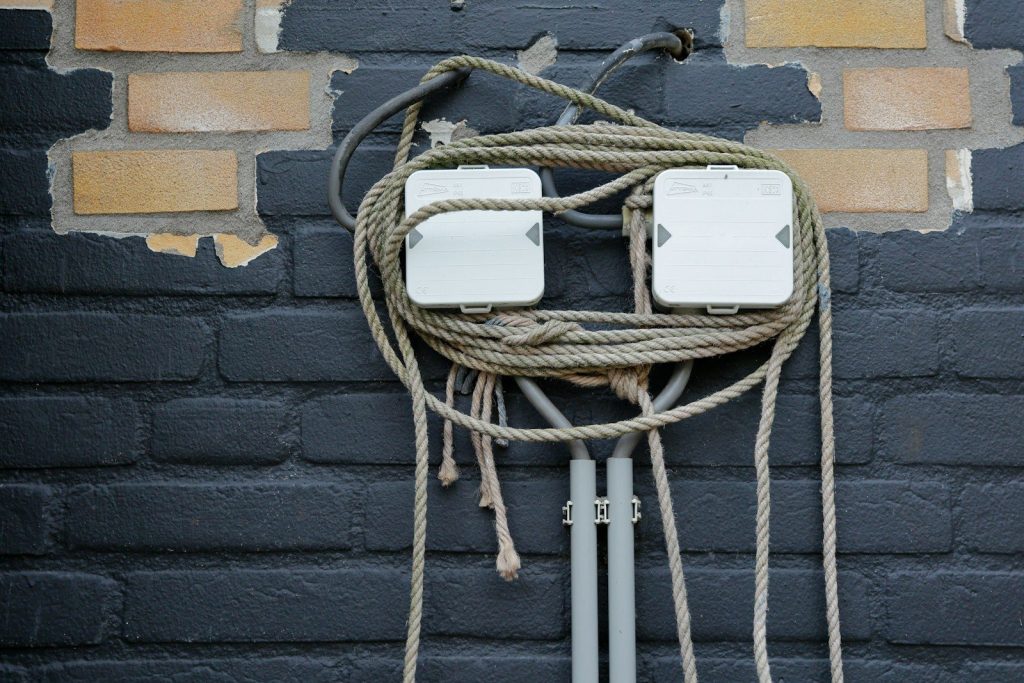
Homemade electrical projects tend to make buyers nervous very quickly. Exposed wiring, mismatched outlets, overloaded panels, or awkward light fixture installations can raise serious safety concerns.
Even small electrical mistakes may create doubts about whether the work was completed properly or legally.
Many buyers worry about the potential cost of hiring electricians to inspect and repair hidden issues later.
3. Cheap Peel-and-Stick Flooring
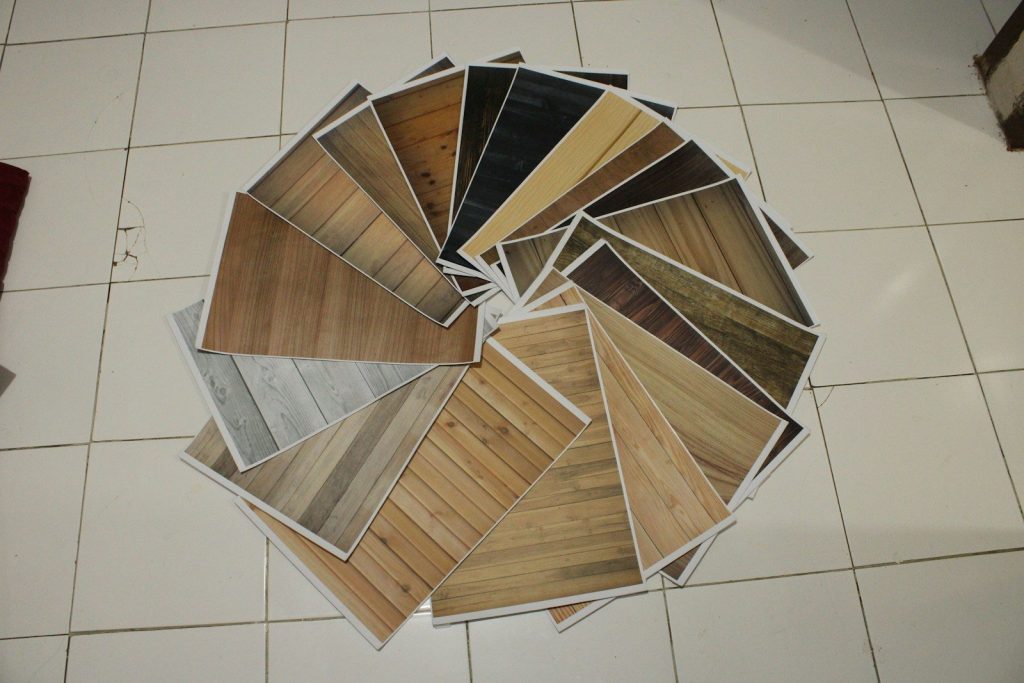
Temporary flooring products can work in some situations, though low-quality peel-and-stick flooring often starts lifting, bubbling, or separating over time.
Uneven seams and visible wear may make floors look neglected rather than updated.
Buyers may immediately start calculating replacement costs when they see damaged flooring throughout the house.
4. Overly Bold Wall Textures
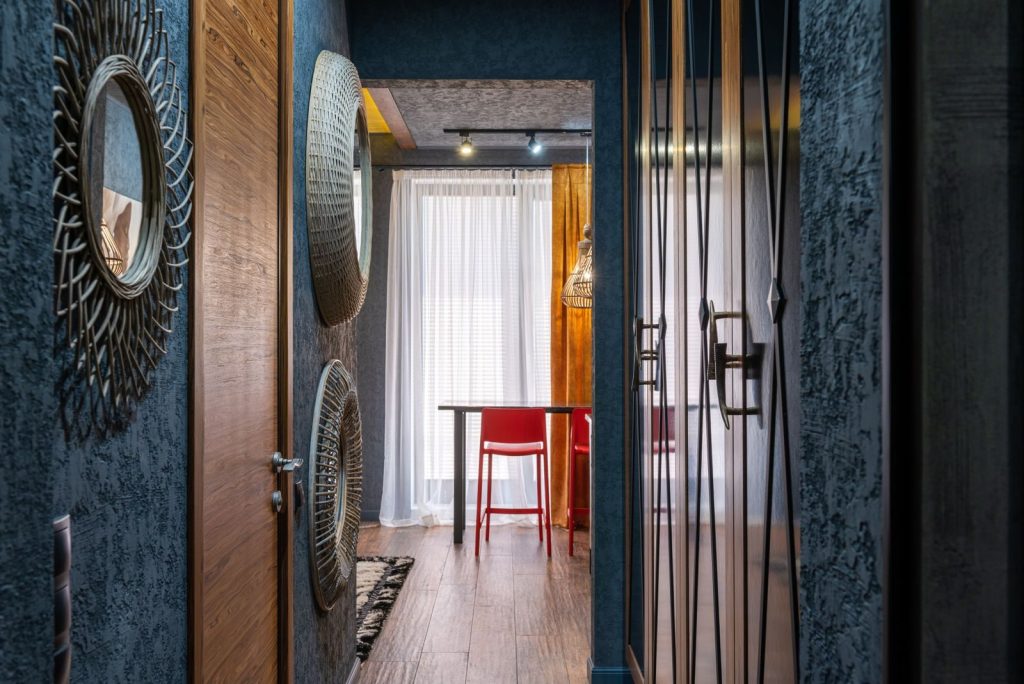
Heavy wall textures, sponge painting, faux finishes, and dramatic accent techniques can quickly make a home feel outdated.
Many buyers prefer clean, neutral walls because they make spaces appear brighter and easier to personalize later.
Removing strong textures often requires time-consuming repairs and repainting.
5. Converted Garages Without Permits
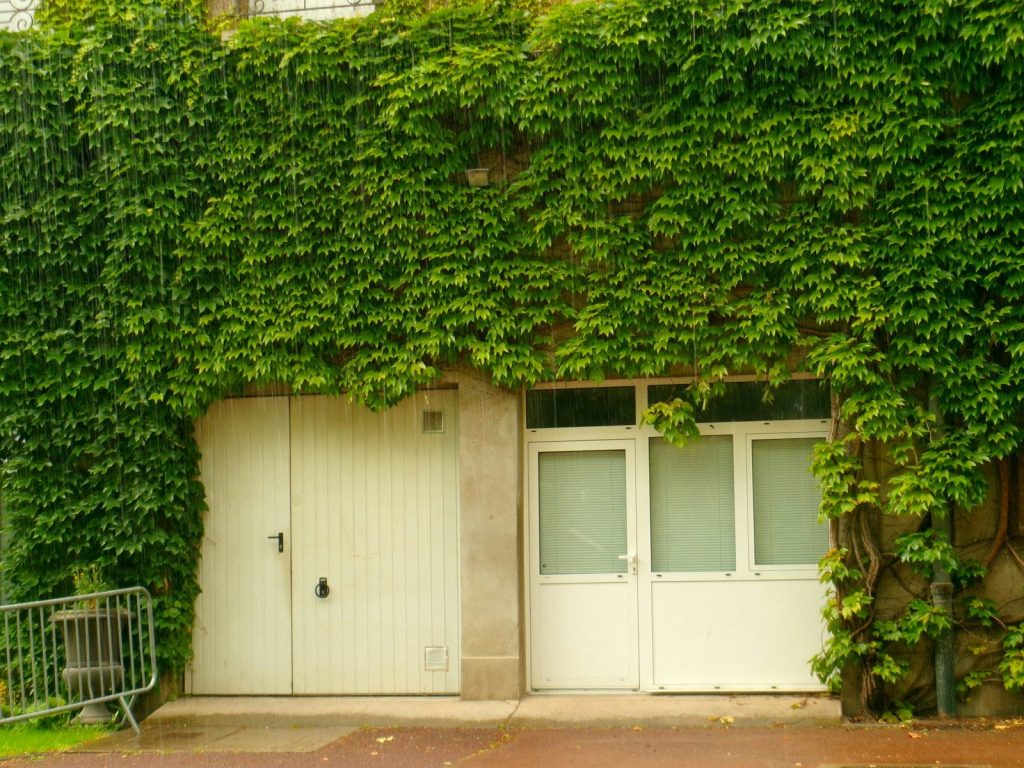
Turning a garage into a bedroom, office, or gym may seem like a smart way to add living space, though buyers often become cautious if the conversion appears unofficial.
Poor insulation, awkward flooring transitions, and missing permits can create concerns about code compliance and future resale complications.
Some buyers also prefer having functional garage storage instead.
6. Uneven Tile Work
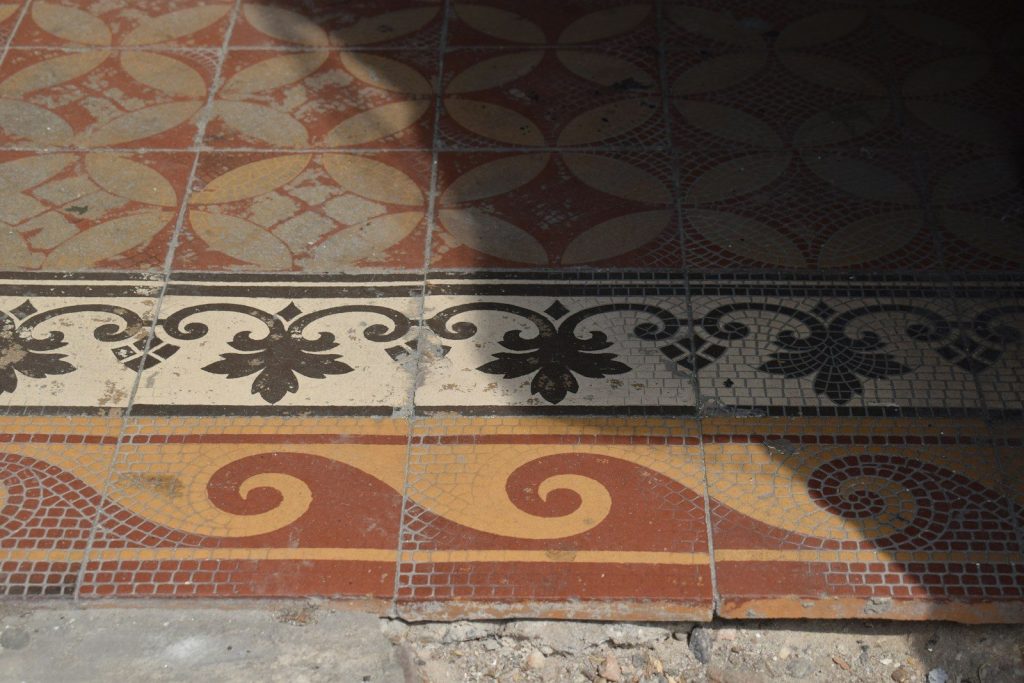
Crooked tiles, messy grout lines, and poorly aligned backsplashes are difficult to ignore once noticed.
Bathrooms and kitchens tend to reveal DIY mistakes very clearly because buyers inspect those rooms carefully during showings.
Bad tile work can make otherwise clean spaces feel unfinished or poorly maintained.
7. Removing Closets to Create More Space
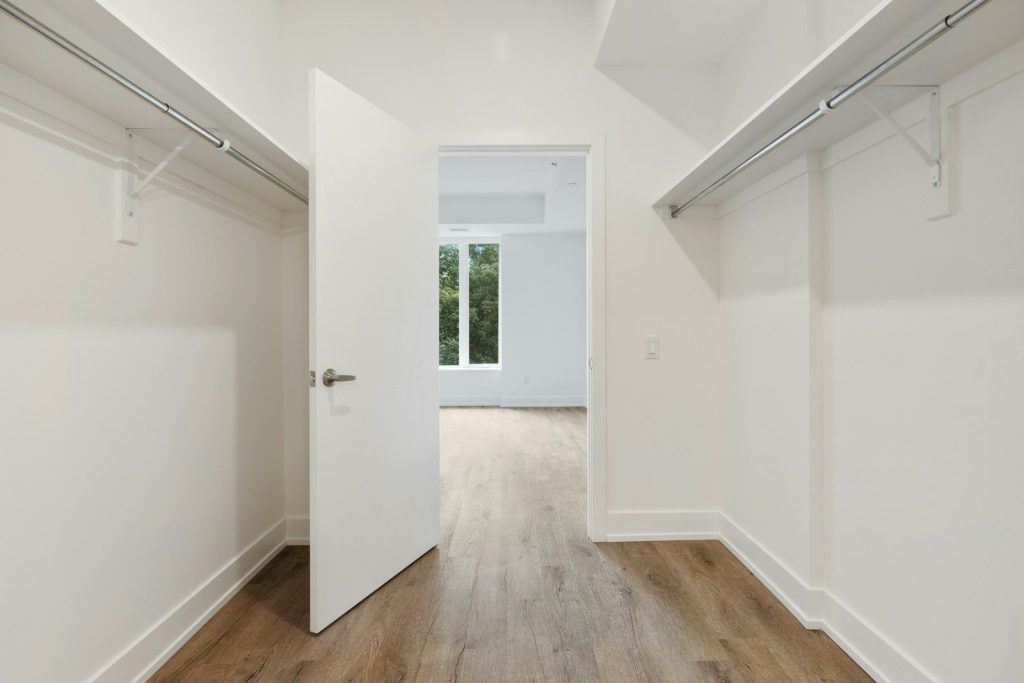
Some homeowners remove closets to enlarge bedrooms or create open layouts. Unfortunately, missing storage space can hurt a home’s appeal.
In many markets, rooms without closets may not even qualify as legal bedrooms for listings.
Buyers often value practical storage more than slightly larger open floor space.
8. Backyard Projects That Need Constant Maintenance

Large ponds, elaborate garden structures, oversized water features, and complex landscaping projects may look impressive initially, though buyers sometimes see them as future maintenance burdens.
High-maintenance outdoor spaces can feel overwhelming for buyers who prefer simplicity and lower upkeep costs.
Clean, manageable landscaping often appeals to a wider range of people.
9. DIY Plumbing Repairs
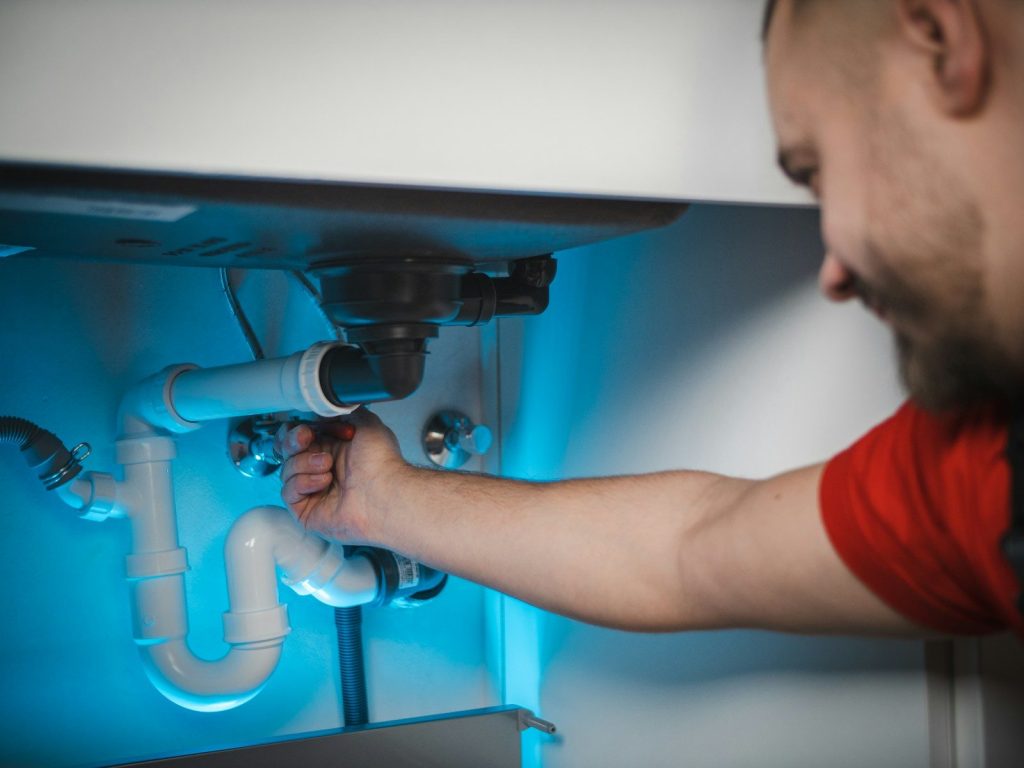
Visible pipe patches, unusual sink installations, leaking fixtures, and mismatched plumbing materials can create immediate concern during home tours.
Water damage is one of the biggest fears for many buyers because repairs can become expensive quickly.
Even minor plumbing issues may make buyers question what is hidden behind walls or under floors.
10. Built-In Features That Feel Too Customized

Highly personalized built-ins, unusual shelving layouts, or permanent hobby spaces may not match future buyers’ lifestyles.
A home theater setup or oversized aquarium wall could feel exciting to one person while limiting flexibility for someone else.
Many buyers prefer spaces they can adapt easily to their own needs.
11. Covering Problems Instead of Fixing Them
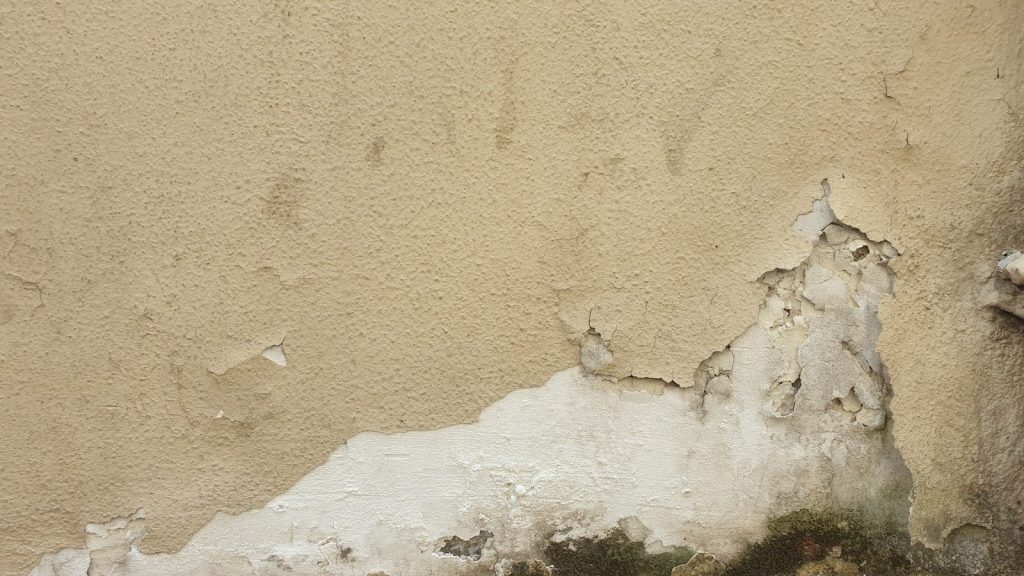
Fresh paint over water stains, rugs hiding damaged flooring, or decorative panels covering cracks often stand out during inspections and walkthroughs.
Buyers usually become more suspicious when repairs appear cosmetic rather than properly completed.
Visible cover-ups can reduce trust and make buyers worry about larger hidden problems throughout the house.
Final Thoughts
DIY upgrades can absolutely improve a home, though some projects create more concern than value when quality or practicality is overlooked.
Focusing on clean finishes, safe installations, and timeless updates usually helps homes appeal to a broader range of buyers when it comes time to sell.