

Planting a tree is one of the longest-lasting decisions you’ll make in your yard. While the right tree can provide decades of shade and beauty, the wrong one can lead to cracked sidewalks, clogged gutters, damaged foundations, and constant cleanup. Before you head to the nursery, these gardening hacks can help you choose a tree that’s a better fit for your space.
Don’t Let Fast Growth Make The Decision
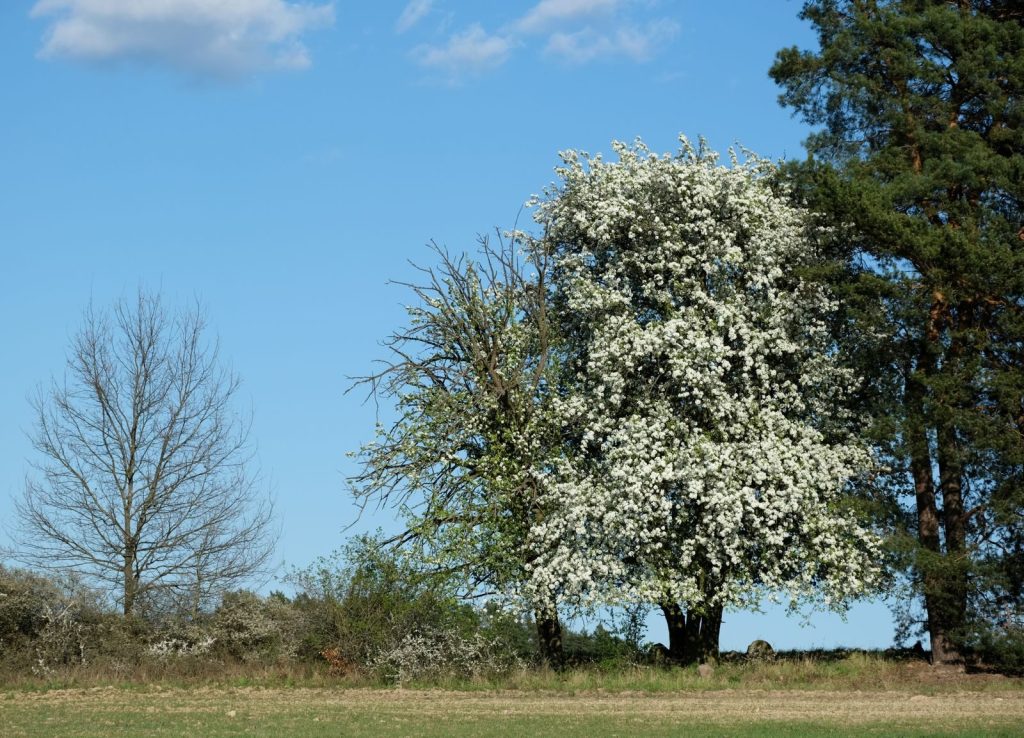
Fast-growing trees may seem appealing because they provide shade quickly, but many have weaker wood, shorter lifespans, or require more frequent maintenance. Sometimes a slower-growing tree becomes the better long-term investment.
Think About The Roots, Not Just The Leaves
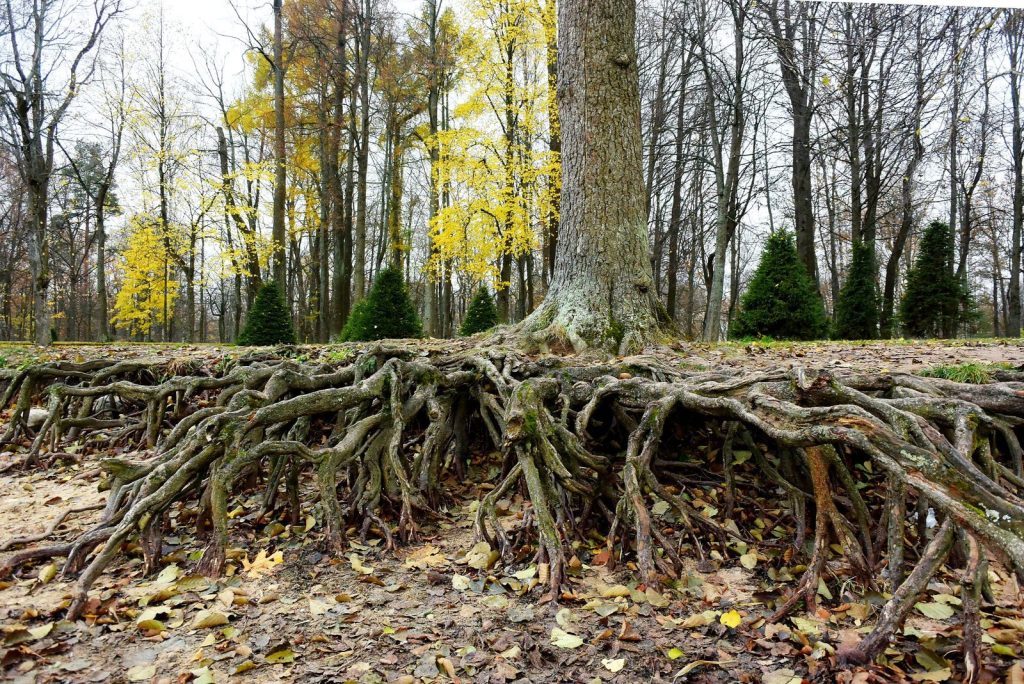
Some trees develop aggressive root systems that can interfere with sidewalks, driveways, underground pipes, or foundations. Knowing how a species grows below ground is just as important as how it looks above ground.
Measure Mature Size, Not Nursery Size
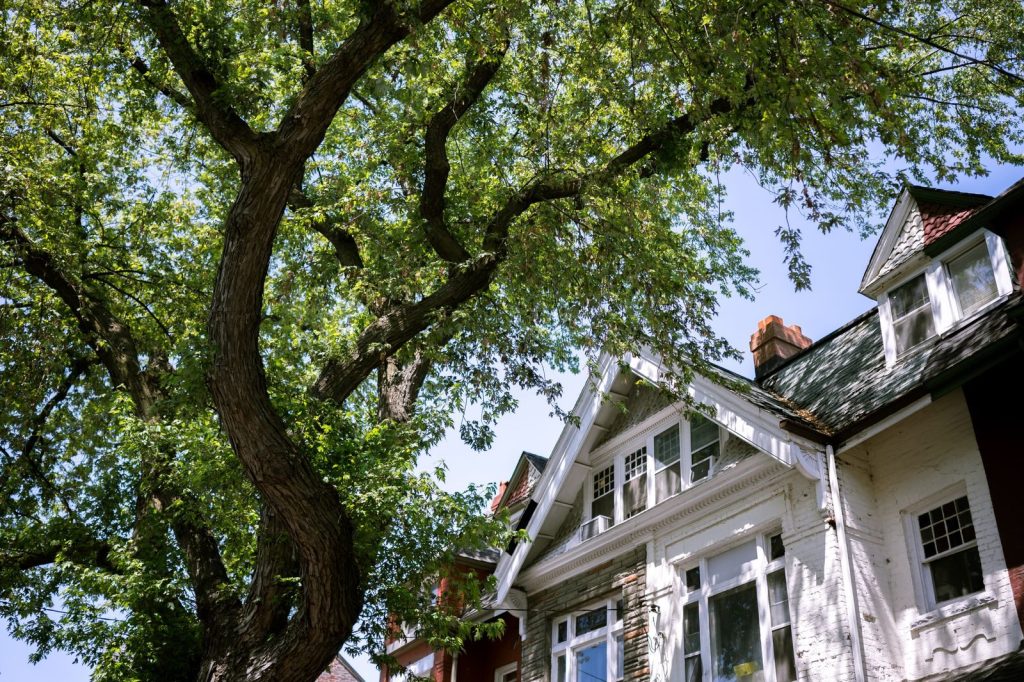
A young tree may look perfect today, but its mature height and canopy spread can be dramatically larger. Always plan for the tree’s full size rather than the one sitting in the nursery container.
Match The Tree To Your Climate
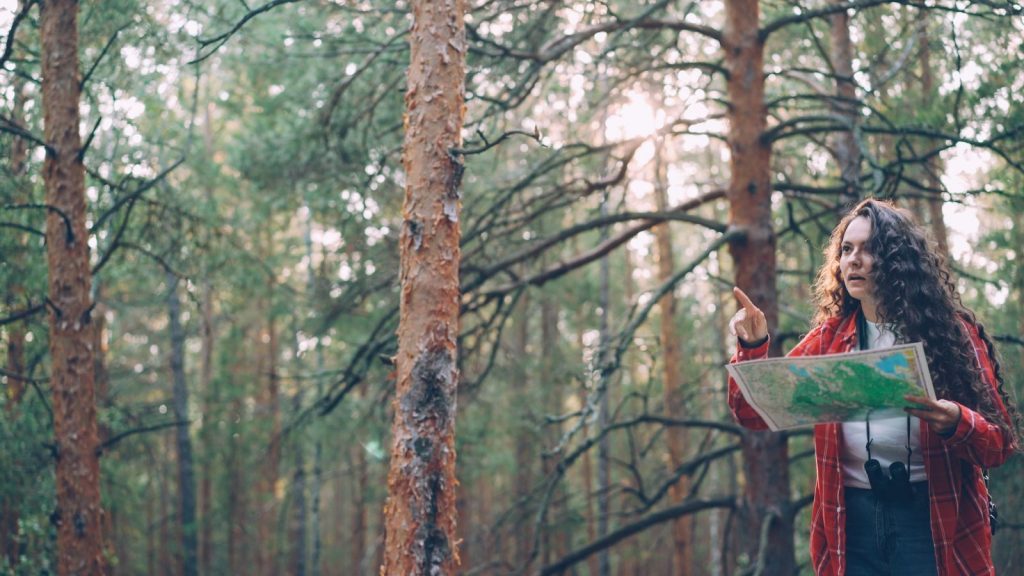
Not every attractive tree is suited to every region. Choosing species adapted to your local climate improves survival, reduces maintenance, and often results in healthier growth with fewer problems.
Keep Messy Trees Away From High-Traffic Areas
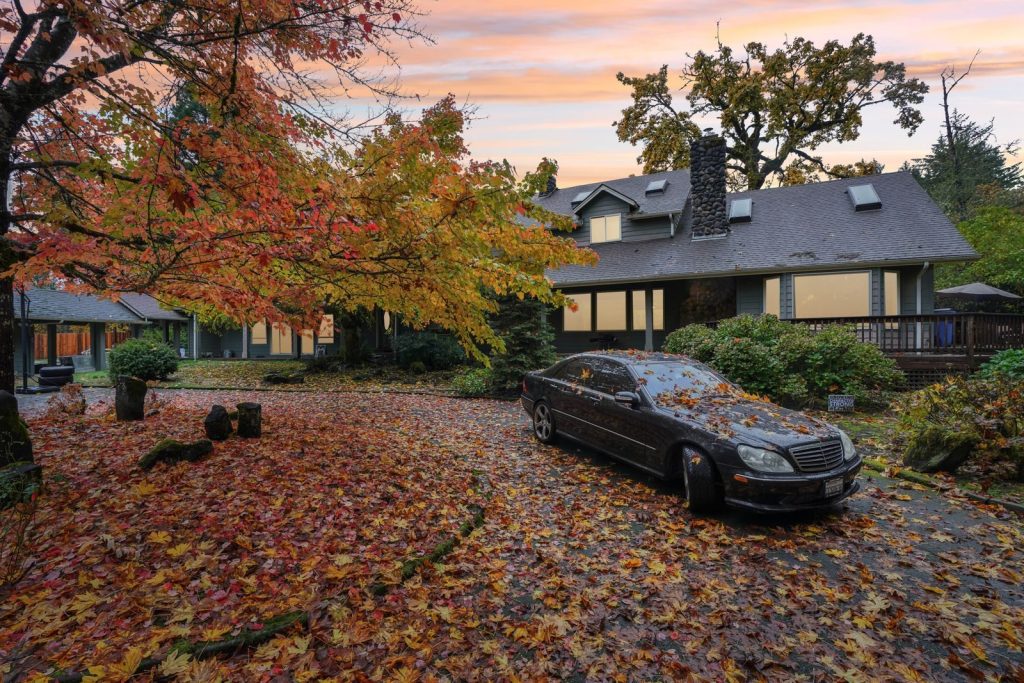
Some trees regularly drop fruit, seed pods, sticky sap, or large amounts of leaves. Planting them away from patios, driveways, pools, and walkways can save hours of cleanup each year.
Leave Plenty Of Space Around Your Home
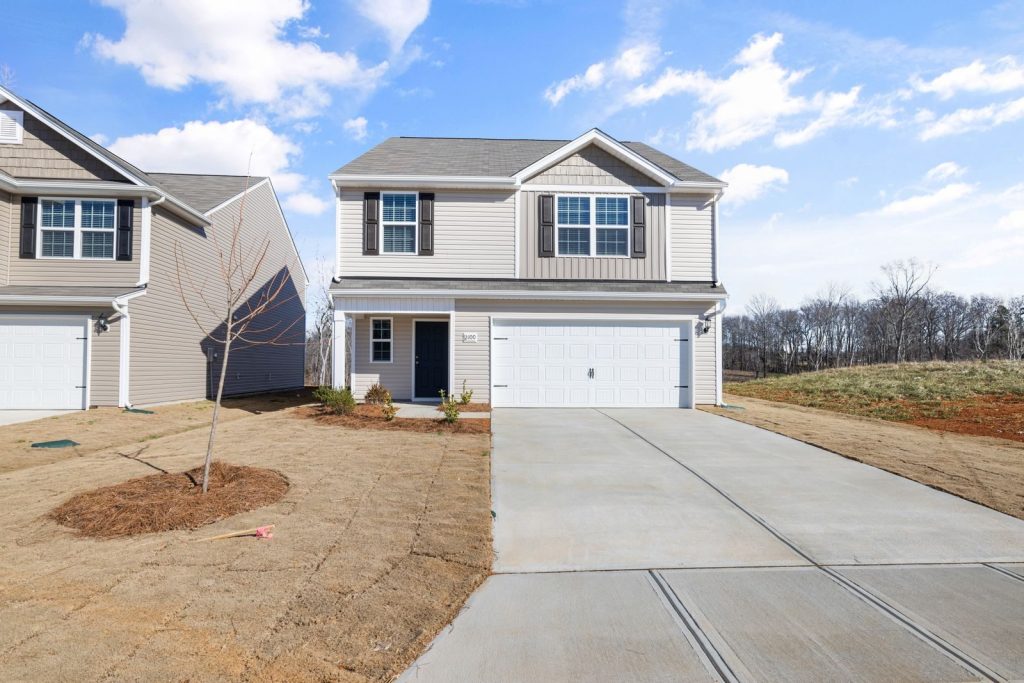
Trees planted too close to buildings can eventually interfere with roofs, gutters, siding, and power lines. Giving a tree adequate room from the start often prevents expensive pruning or removal later.
Native Trees Often Need Less Attention
Trees that naturally grow in your region are typically better adapted to local weather, soils, and wildlife. Many require less watering and maintenance once established than non-native alternatives.
Watch Out For Invasive Species
Some ornamental trees spread aggressively through seeds or underground shoots, escaping into nearby landscapes and crowding out native plants. Researching whether a species is considered invasive in your area can prevent future headaches.
Plan For The Next Twenty Years

A tree is an investment in the future. Think about how it will affect outdoor living spaces, neighboring properties, views, utility lines, and maintenance as it matures rather than focusing only on how it looks today.
The Best Tree Is The One That Fits Your Yard
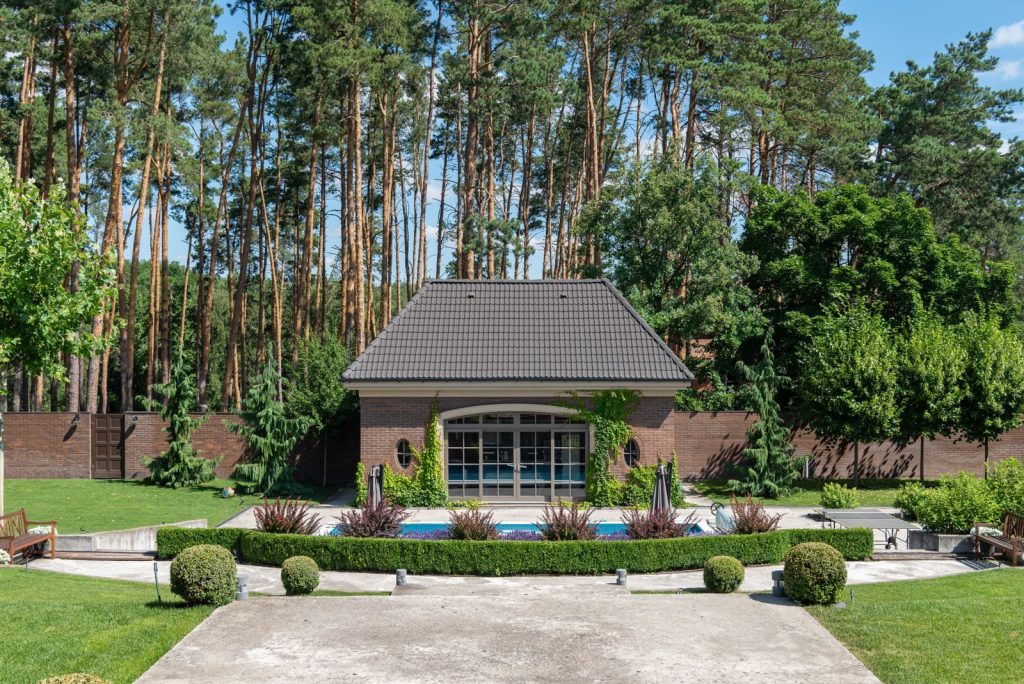
Choosing a tree isn’t simply about appearance. Growth rate, root systems, mature size, climate, maintenance needs, and placement all influence whether that tree becomes a long-term asset or an ongoing challenge. A little planning before planting can make your landscape more enjoyable for years to come.