

Not all canned tomatoes are created equal. Two cans sitting side by side on the shelf may look nearly identical, yet the ingredient list, tomato variety, packing liquid, and even the can lining can affect how they taste and perform in your recipes. Learning what to look for on the label can help you choose tomatoes that deliver better flavor and value every time.
The Shorter The Ingredient List, The Better

Whole tomatoes often need nothing more than tomatoes and tomato juice or puree. If the label includes a long list of additives, preservatives, or unnecessary flavorings, it’s worth comparing another brand with a simpler ingredient list.
Look For Tomatoes Packed In Juice
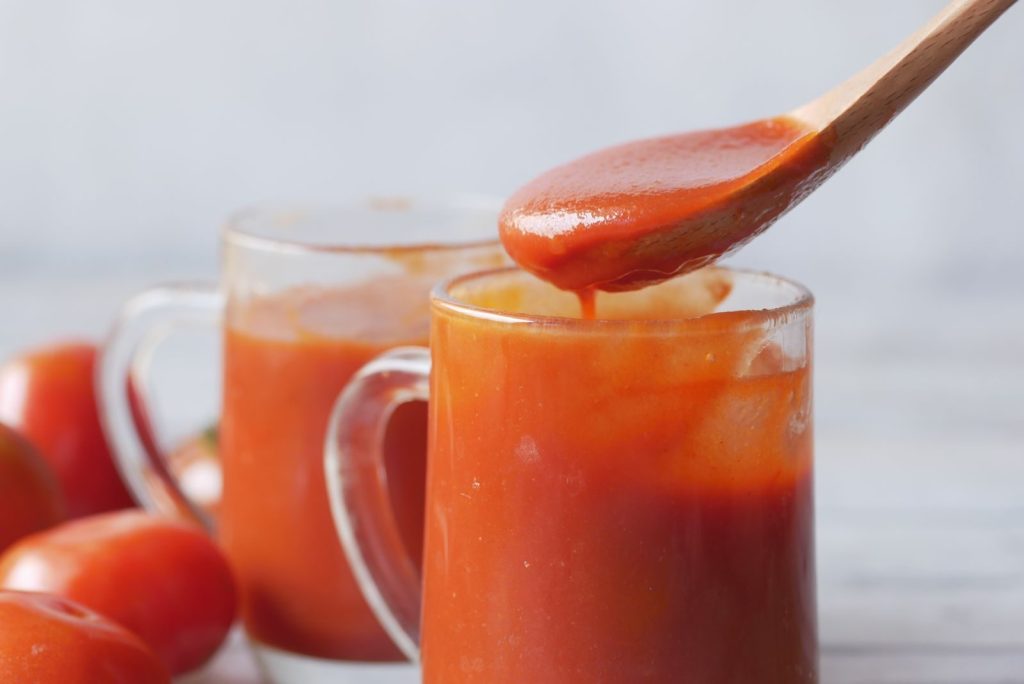
Some canned tomatoes are packed in tomato juice, while others use a thicker puree. Tomatoes packed in juice generally give you more flexibility because you can easily reduce the liquid yourself depending on the recipe.
Don’t Ignore The Sodium Content

Added salt varies considerably between brands. Comparing nutrition labels can help you decide whether regular, reduced-sodium, or no-salt-added tomatoes better suit the meal you’re preparing.
Whole Tomatoes Often Give You More Options
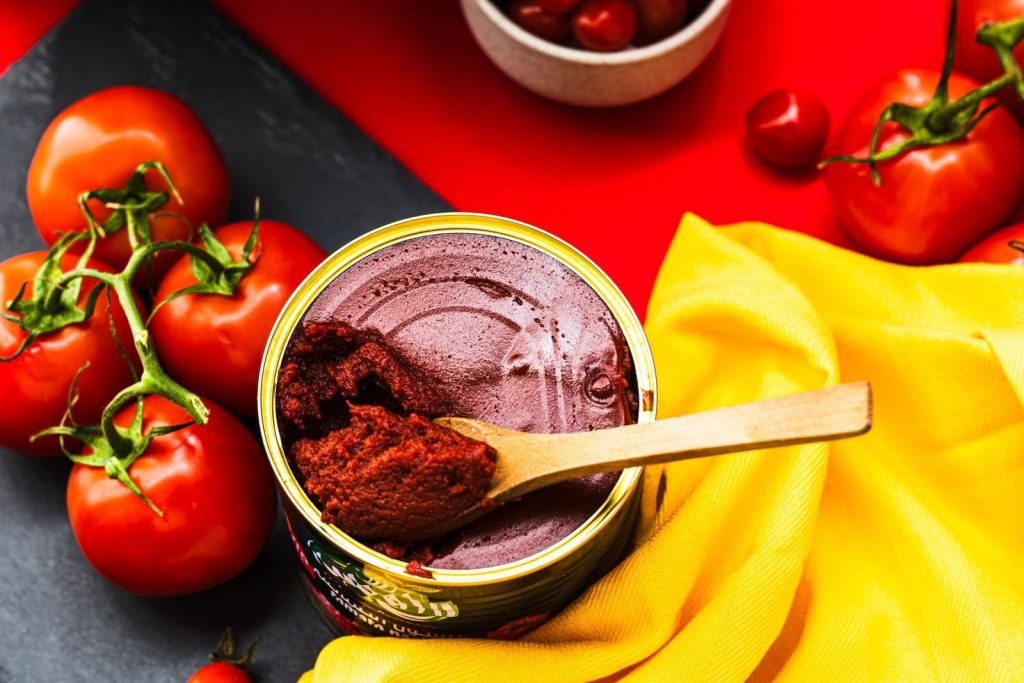
Whole peeled tomatoes can become crushed tomatoes, diced tomatoes, or a smooth sauce with just a few minutes of preparation. Buying whole tomatoes often provides greater versatility than limiting yourself to one specific cut.
Learn What Calcium Chloride Does
Some brands add calcium chloride to help tomatoes keep their shape during processing. That’s useful for recipes where firm tomatoes are preferred, but if you’re making a silky pasta sauce or soup, tomatoes without it may break down more easily.
Check Where The Tomatoes Were Grown
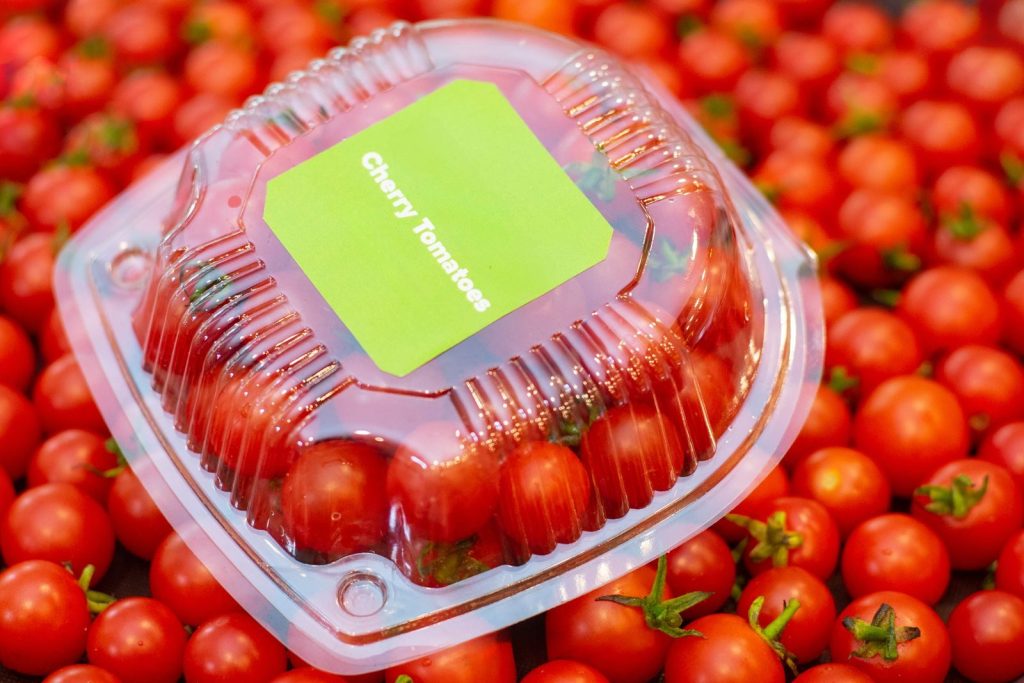
Many labels identify the country or region where the tomatoes were grown. While excellent tomatoes come from many places, knowing the origin can help you compare flavor and quality as you try different brands over time.
Buy The Right Can For The Recipe
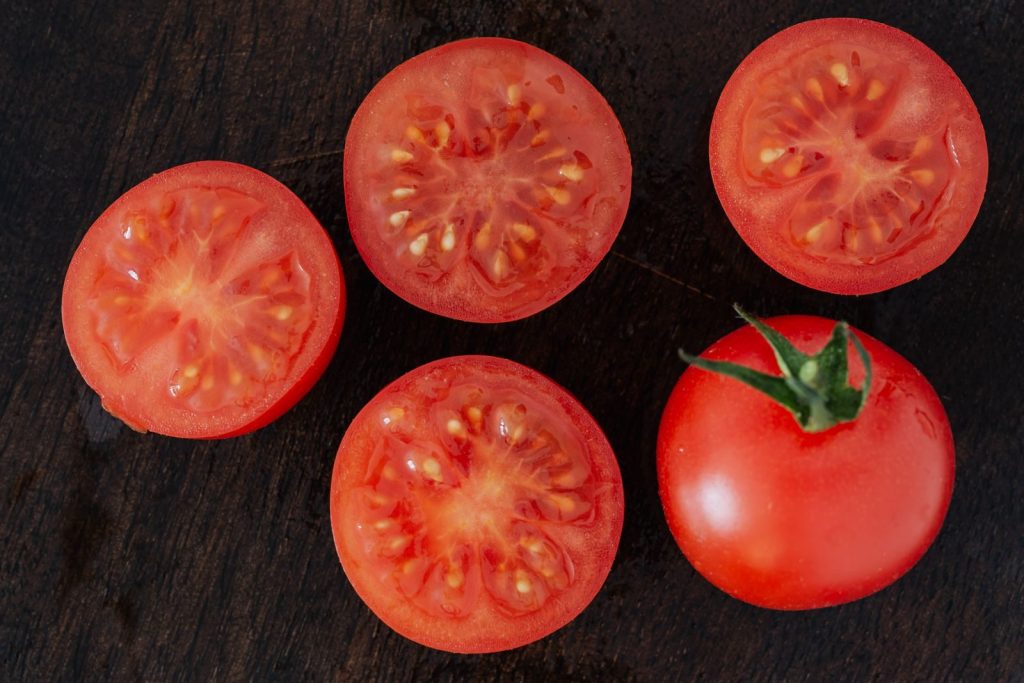
Diced tomatoes, crushed tomatoes, tomato puree, tomato sauce, and whole peeled tomatoes each serve different purposes. Matching the product to the recipe often improves texture and cooking time without changing anything else.
Better Meals Often Start At The Grocery Shelf
Choosing canned tomatoes isn’t just about grabbing the closest can. Reading the label, comparing ingredients, checking sodium levels, understanding packing liquids, and selecting the right style for your recipe can all make a noticeable difference once you start cooking. A few extra seconds in the grocery aisle can pay off long after dinner reaches the table.