

Phone scams have become more convincing than ever. Caller ID can be spoofed, scammers often sound calm and professional, and many know just enough personal information to appear legitimate. Fortunately, scam calls usually follow recognisable patterns. These seven warning signs can help you spot a suspicious call before you share sensitive information.
They Create A Sense Of Urgency Immediately

Scammers often insist that you must act right away. They may claim your bank account has been compromised, a package is being held, or you’ll face legal consequences unless you respond immediately. Genuine organisations rarely demand instant decisions over an unexpected phone call.
They Ask For Payment In Unusual Ways
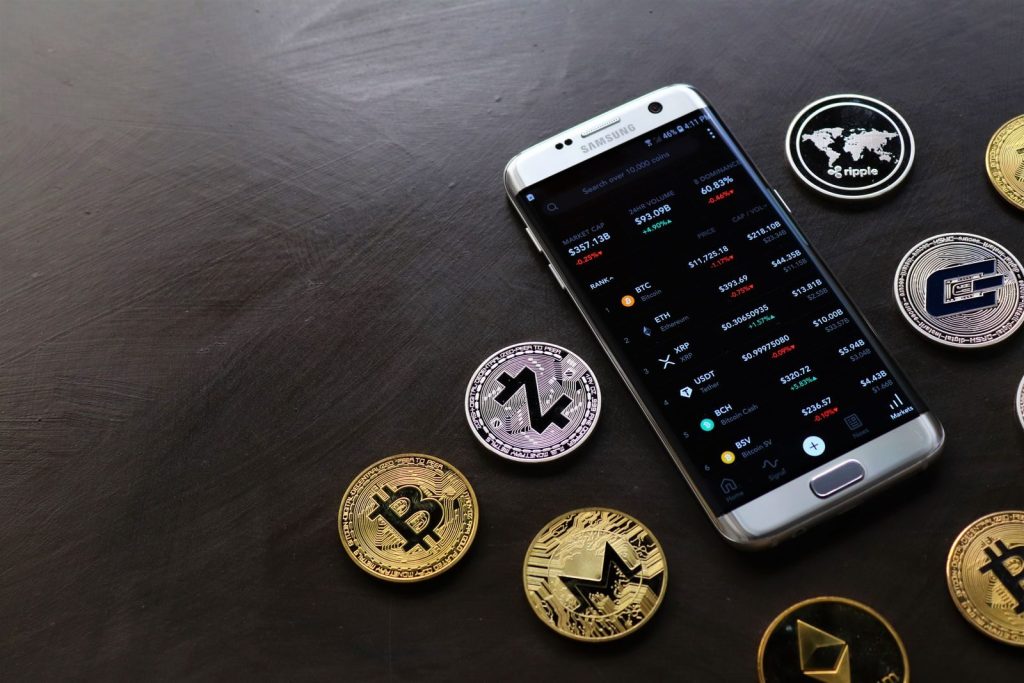
Requests for gift cards, cryptocurrency, wire transfers, or payment apps should immediately raise concerns. Legitimate businesses and government agencies don’t typically demand payment through these methods during an unsolicited phone call.
They Tell You Not To Hang Up
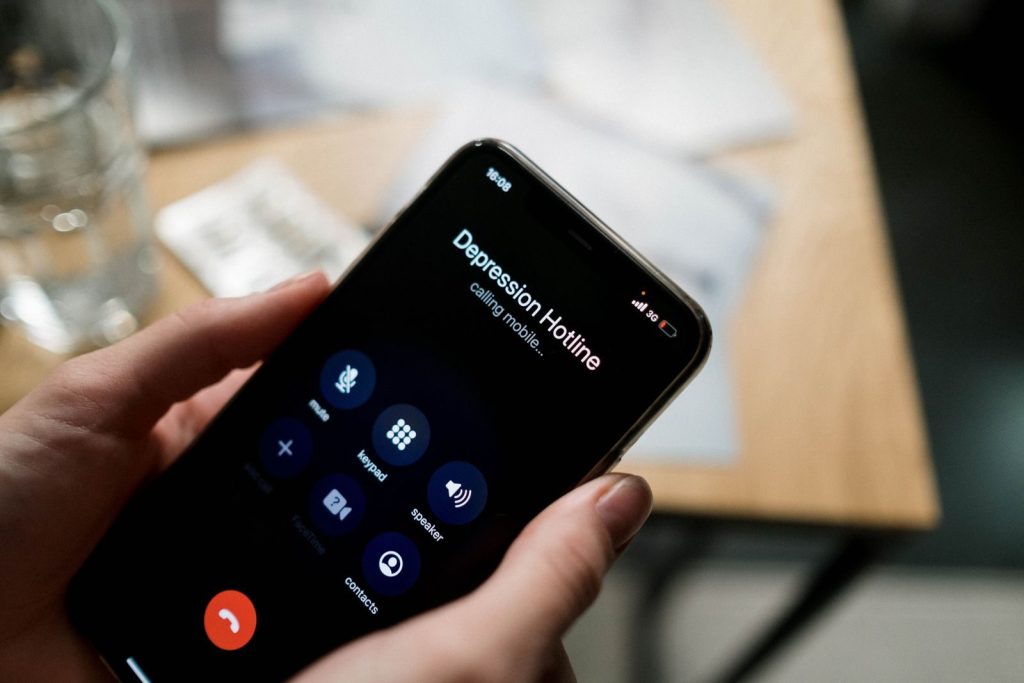
Some scammers try to keep victims on the line by saying they’ll transfer the call or warning that hanging up will make the situation worse. If something feels off, end the call and contact the organization using its official phone number.
They Ask For Sensitive Information They Should Already Have
Be cautious if the caller asks for your online banking password, PIN, one-time verification code, or full Social Security or national ID number. Legitimate companies generally don’t request this information during unsolicited calls.
The Caller ID Looks Familiar, But Something Feels Off
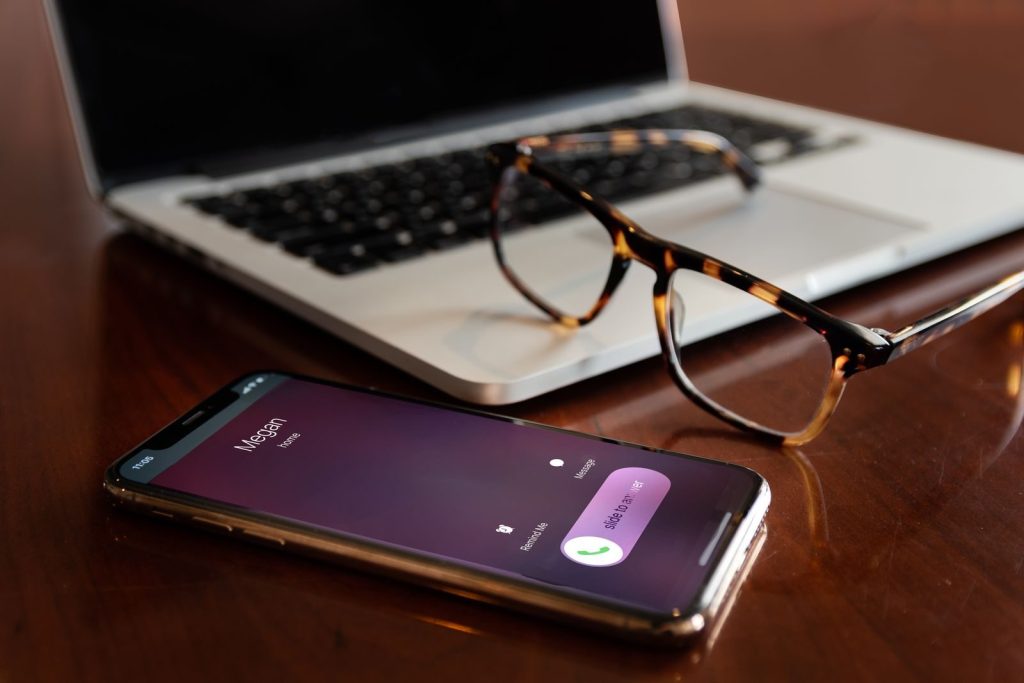
Scammers can spoof phone numbers so they appear to come from your bank, a local business, or even a government office. A familiar caller ID doesn’t guarantee the call is genuine. Always verify independently if the request seems unusual.
They Discourage You From Verifying Their Story

A scammer may tell you not to contact your bank, family member, or employer because it will “complicate the investigation.” Legitimate organizations won’t stop you from confirming information through official channels.
They Sound Scripted When You Ask Questions

Many scam callers follow prepared scripts. Asking unexpected questions, requesting written confirmation, or asking them to verify information can reveal inconsistencies. If they become evasive or irritated, that’s another warning sign.
A Healthy Dose Of Skepticism Can Save You Trouble

Scam calls often rely on panic, pressure, and quick decisions. Taking a moment to slow down, hang up if necessary, and verify information through official channels is one of the simplest ways to protect yourself. When in doubt, it’s always safer to call the organization back using a trusted number you found yourself.