

Most home cooks focus on ingredients, but the pan you choose can have just as much influence on the final result. Different materials conduct, retain, and release heat in different ways, which affects everything from browning and crispness to baking time and cleanup. Learning which pan works best for different foods can improve your cooking without changing a single ingredient.
Save Glass For Slow, Even Baking
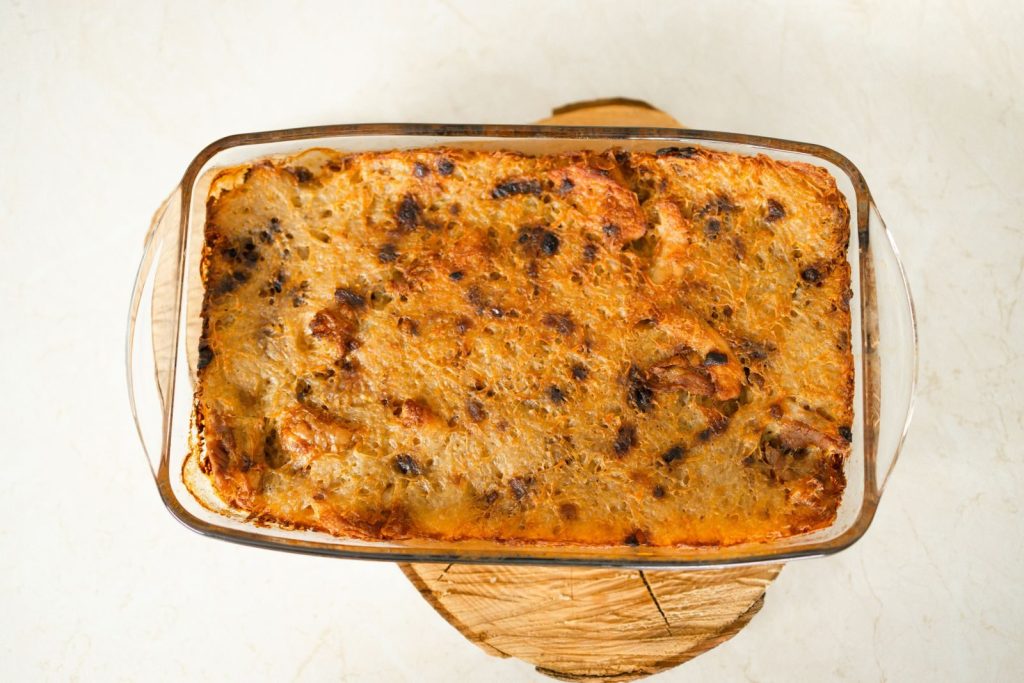
Glass bakeware holds heat exceptionally well, making it ideal for casseroles, baked pasta, cobblers, and bread pudding. But because it heats more slowly and retains heat longer than metal, it’s not always the best choice for recipes that depend on fast browning or crisp edges.
Reach For Metal When Crispness Matters
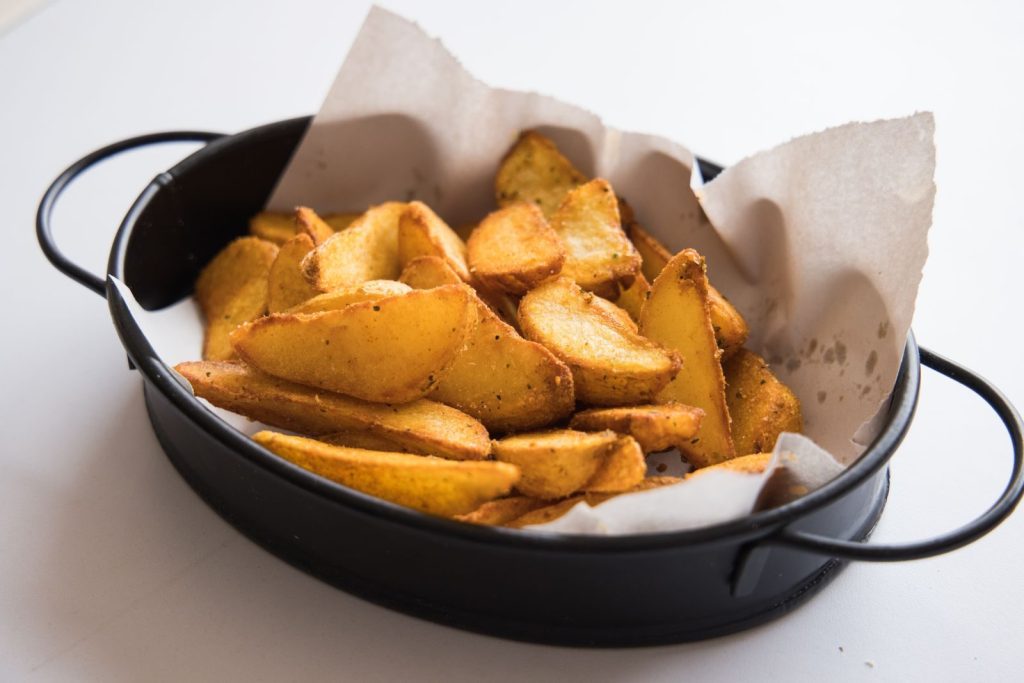
Pizza, roasted potatoes, cookies, and many sheet-pan dinners develop better browning in metal pans because they transfer heat more efficiently. If you’re chasing crispy bottoms or caramelized edges, metal usually has the advantage.
Let Cast Iron Handle High Heat
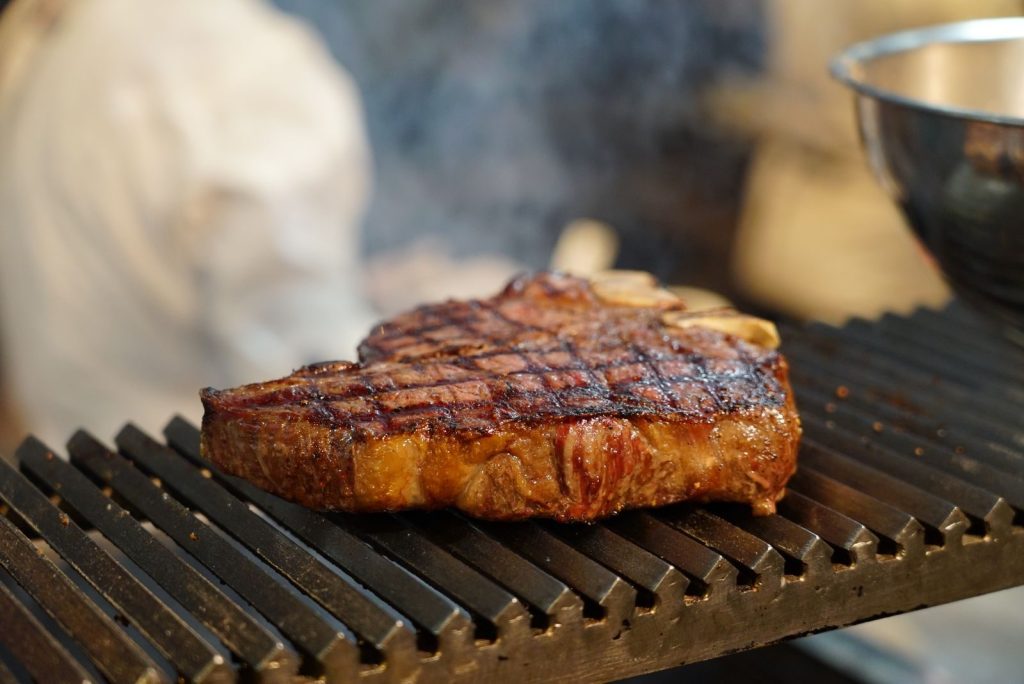
Cast iron excels at retaining heat, making it perfect for searing steaks, blackening fish, cornbread, and skillet desserts. Once fully heated, it maintains temperature better than many other materials, helping create an even crust.
Nonstick Isn’t Built For Every Job
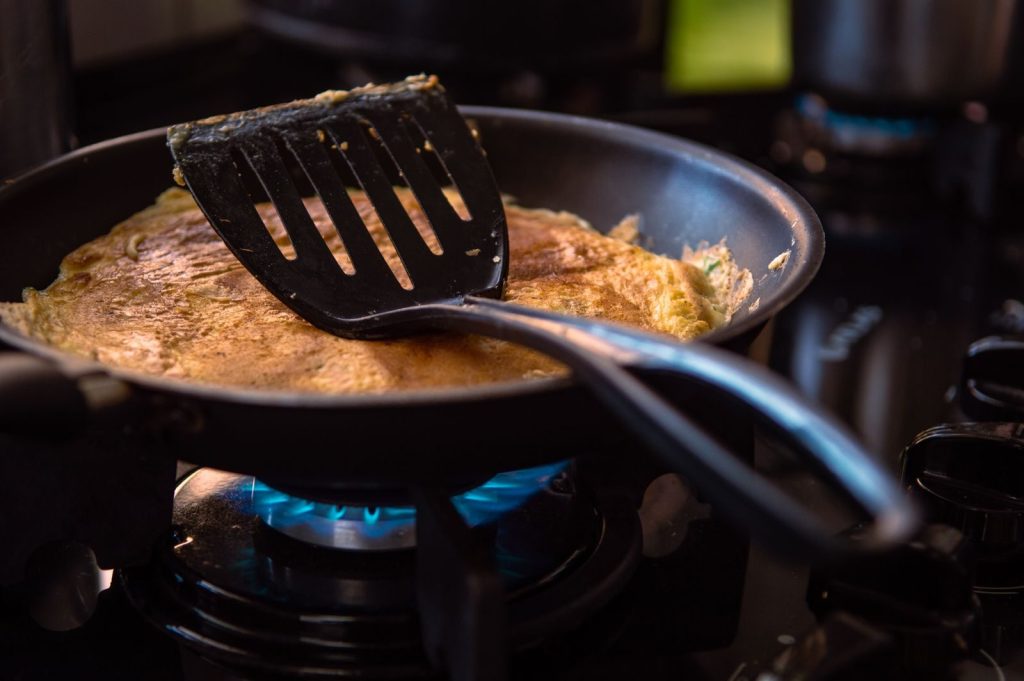
Nonstick cookware shines when cooking eggs, pancakes, delicate fish, or foods that easily stick. However, very high heat can shorten the life of many nonstick coatings, making stainless steel or cast iron a better option for recipes that require intense searing.
Stainless Steel Loves Browning
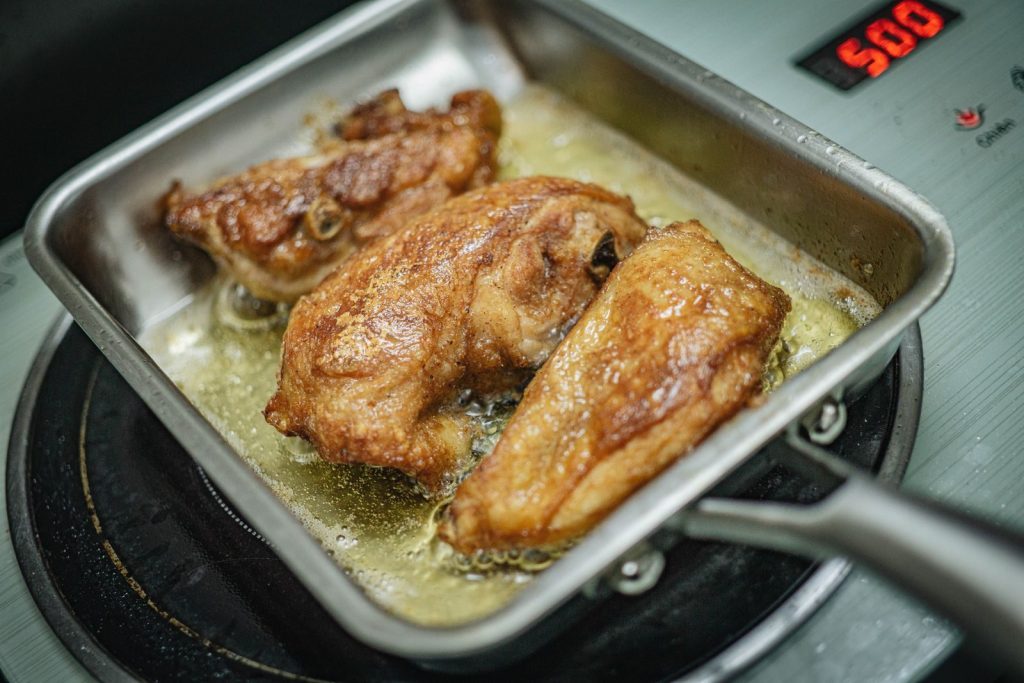
Many cooks avoid stainless steel because food can stick, but that’s often exactly what creates flavorful browned bits on the bottom of the pan. Those caramelised pieces become the base for pan sauces once deglazed with stock, wine, or water.
Match The Pan To The Depth Of The Dish
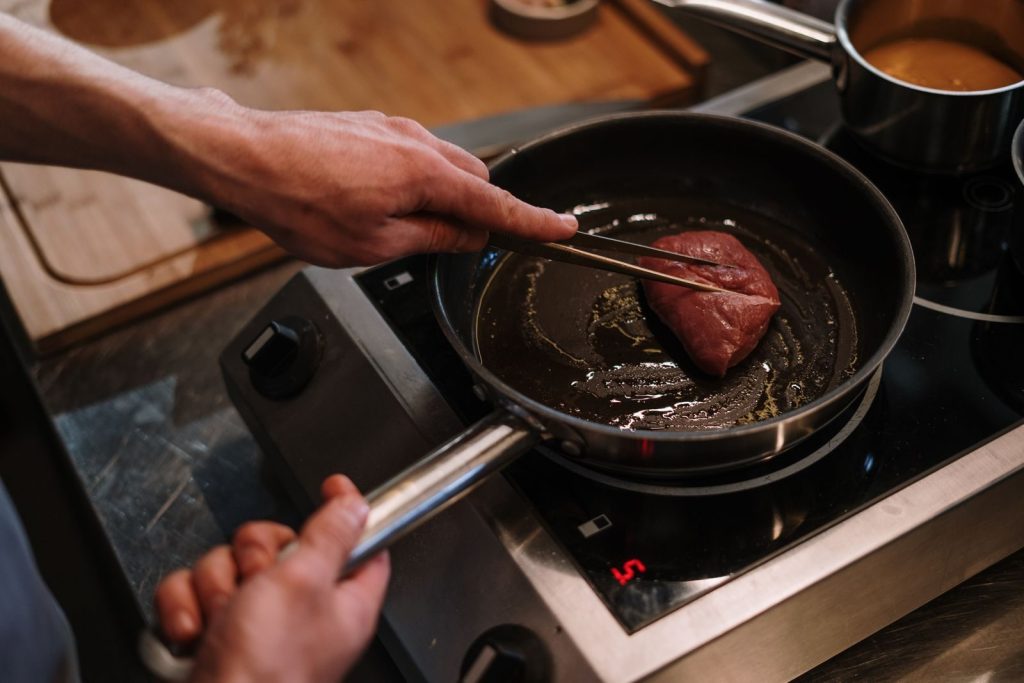
Some recipes fail simply because the pan shape is wrong. A shallow roasting pan encourages evaporation and browning, while a deep Dutch oven traps moisture for soups, braises, and slow-cooked meals. Choosing the right depth changes how food cooks from start to finish.
Read The Recipe For More Than Ingredients
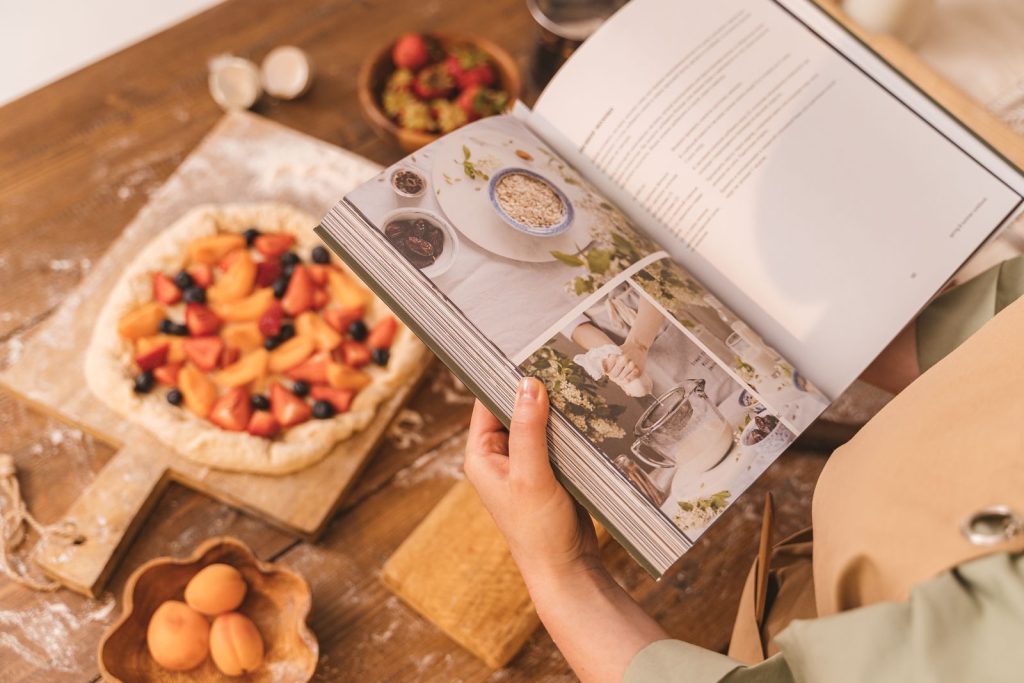
Many recipes quietly specify a particular pan for a reason. A metal baking tin, glass casserole dish, springform pan, or heavy skillet all affect cooking time, texture, and heat distribution. Paying attention to the cookware recommendation can often explain why your version turns out differently.
Better Cooking Often Starts With Better Cookware Choices
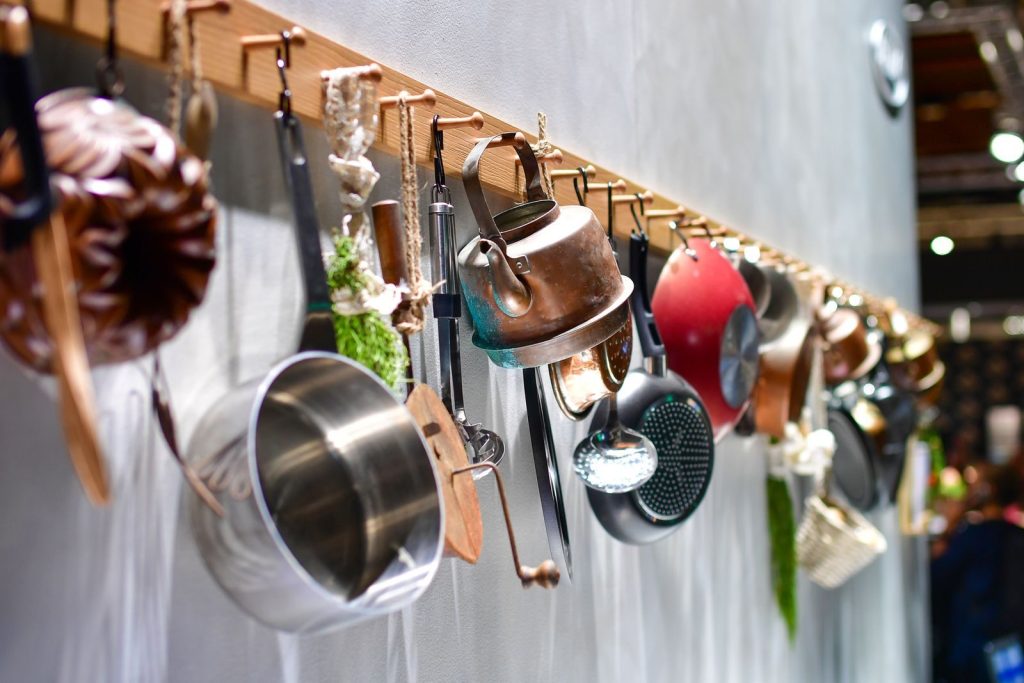
A great recipe can only do so much if it’s cooked in the wrong pan. Understanding how glass, metal, cast iron, stainless steel, and nonstick cookware each behave helps you choose the right tool before you even turn on the oven. Sometimes the easiest way to improve dinner isn’t changing the recipe. It’s changing the pan.